
English has long been the world’s default language for business, travel, and online communication, but not every country speaks it with the same level of confidence. Each year, EF Education First releases its English Proficiency Index, one of the most cited measures of adult English skills across the globe, and the 2025 edition brought a few surprises alongside some familiar names at the top. Based on data from over two million test takers, the rankings reveal which non-native English-speaking nations have built the strongest foundations in the language, often through decades of deliberate education policy and cultural habits like subtitled television.
What follows is a countdown through the ten highest scoring countries in the latest index, each one offering a slightly different story about how a nation ends up fluent in a language that isn’t technically its own.
1. Netherlands

The Netherlands has held onto the top spot in the EF EPI for years running, and the 2025 edition confirms it once again as the world’s most proficient non-native English-speaking nation. The Netherlands topped the ranking with a score of 624, placing it firmly in the “very high” proficiency band. Dutch schools begin English instruction early, and the country’s small domestic media market means American and British television, film, and music are consumed largely in their original language rather than dubbed.
Beyond the classroom, English functions almost like a second native tongue in Dutch daily life. Universities across the Netherlands offer a huge share of programs entirely in English, drawing international students and reinforcing fluency among locals who study alongside them. Business culture, too, leans heavily on English, particularly in Amsterdam’s finance and tech sectors, where meetings are frequently conducted in English even when every participant is Dutch.
2. Croatia
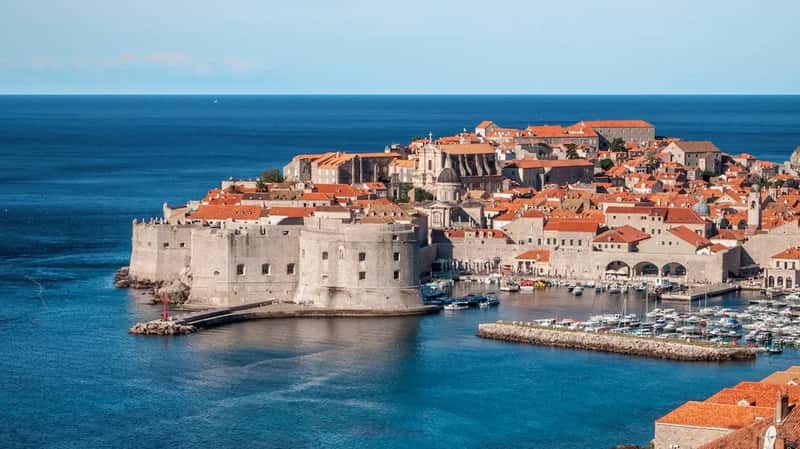
Croatia’s rise up the rankings has been one of the more notable stories in recent editions of the index. Croatia scored 617, landing it in second place globally and ahead of several countries with longer histories of English-language education investment. A booming tourism industry along the Adriatic coast has pushed generations of workers in hospitality, retail, and services to build practical English skills out of necessity.
Younger Croatians have also benefited from heavy exposure to English through streaming platforms, gaming, and social media, much like their peers elsewhere in the Balkans. The country’s proficiency gains reflect a broader regional pattern where post-secondary education and international job markets have made English fluency feel less optional and more like a basic professional requirement.
3. Austria

Austria continues to sit near the very top of the global rankings, reflecting a schooling system that treats English as a core subject rather than an elective. Austria placed third with a score of 616, just narrowly behind Croatia. Vienna’s status as a hub for international organizations, from the United Nations to OPEC, means English is a working language for a meaningful share of the local workforce.
Tourism plays a role here too, since Austria draws visitors from across the world to its ski resorts and historic cities, giving service workers regular practice with English speakers. Close cultural and economic ties with Germany also mean Austrians share in a broader German-speaking European trend toward strong English competence, even though the two countries take slightly different approaches to media dubbing.
4. Germany
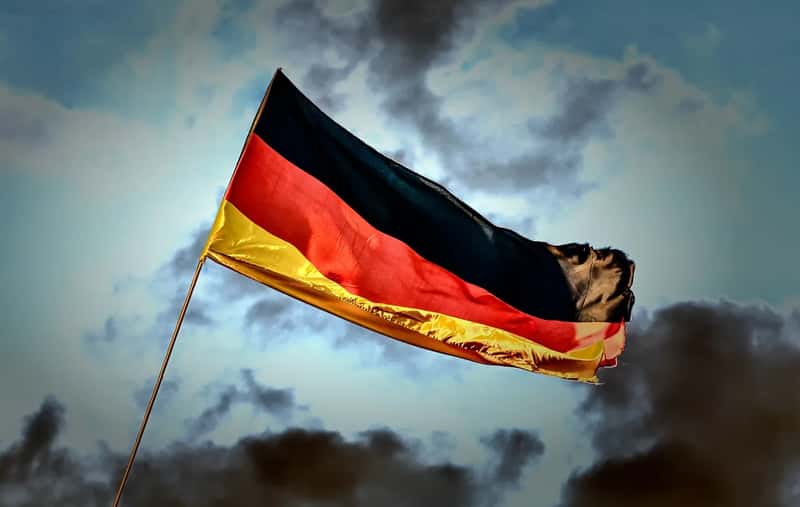
Germany posted one of the more striking improvements in the 2025 index, climbing into the top five. The Netherlands remains #1, followed by Croatia and Austria, while Germany climbed to #4 with one of the biggest gains in Europe. Germany’s official score came in at 615, putting it firmly in the very high proficiency band alongside its neighbors.
As Europe’s largest economy, Germany has strong incentives to keep pushing English competence among its workforce, particularly in engineering, technology, and finance, where international collaboration is routine. German schools generally introduce English as a mandatory subject from primary grades onward, and the country’s growing startup scene in cities like Berlin has created workplaces where English is spoken as often as German.
5. Norway
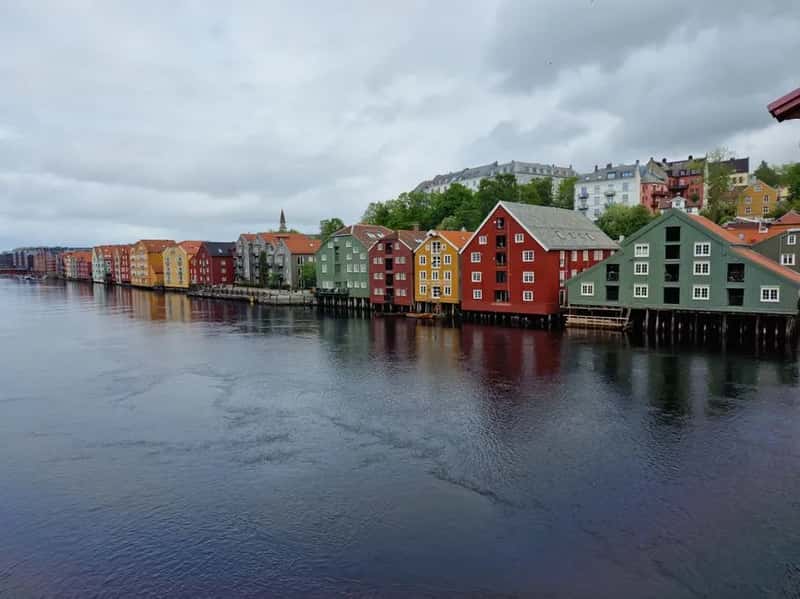
Norway rounds out the top five with a proficiency level that has remained consistently strong across multiple editions of the index. Norway scored 613, keeping it comfortably inside the very high band alongside its Nordic neighbors. Like Denmark and Sweden, Norway rarely dubs foreign television and film, opting instead for subtitles that expose viewers to spoken English from a young age.
Norway’s oil, shipping, and maritime industries also demand a workforce comfortable operating in English, since much of the technical and commercial documentation in these fields is written in the language. Combined with a national education system that treats English fluency as a practical life skill rather than an academic hurdle, these factors have kept Norway near the top of global rankings for well over a decade.
6. Portugal

Portugal has quietly become one of Europe’s strongest performers in English proficiency, and its 2025 score reflects years of steady progress. Portugal recorded a score of 612, placing it sixth globally and ahead of several countries often assumed to rank higher. A wave of foreign investment, remote workers, and digital nomads settling in cities like Lisbon and Porto has pushed English further into everyday commercial life.
Portugal’s growing tech and startup sector has also played a part, with many younger professionals conducting business and even socializing in English as international companies expand their presence in the country. Tourism remains a major driver as well, since Portugal welcomes millions of English-speaking visitors annually, keeping the language in constant circulation across hospitality and retail jobs.
7. Denmark
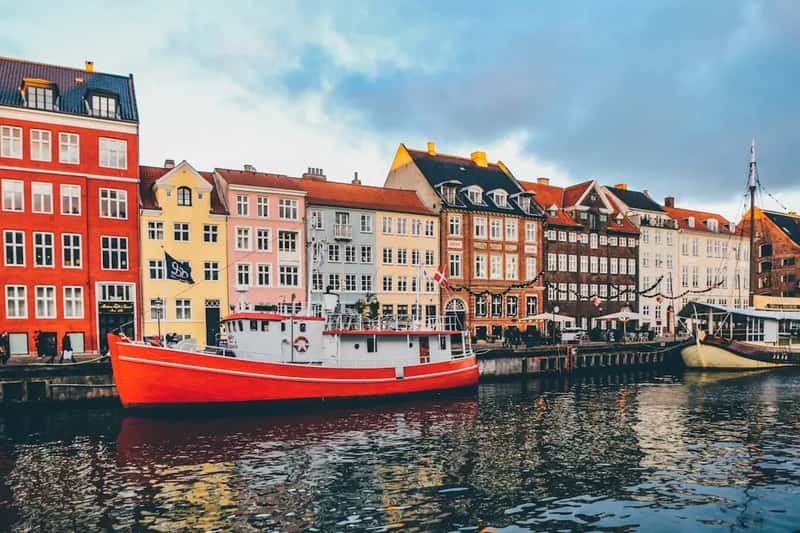
Denmark has long been recognized as one of the strongest English-speaking nations outside the native-speaking world, and it holds that reputation again this year. Denmark’s score reached 611, keeping it within the very high proficiency tier alongside its Nordic peers. Danish children typically begin learning English around age six or seven, and the language remains a compulsory subject throughout their schooling.
Danish media culture reinforces this early education, since subtitling rather than dubbing is the norm for foreign film and television. Add to that a highly international business environment, particularly in shipping, pharmaceuticals, and design, and it becomes clear why English fluency is treated almost as a given among working-age Danes rather than a specialized skill.
8. Sweden

Sweden’s tech-heavy economy and export-driven business culture have made English fluency a practical necessity for much of its workforce. Sweden posted a score of 609, landing it eighth globally in the 2025 edition. Companies with global footprints, from furniture retailers to telecom firms, conduct much of their internal and external communication in English, even for teams based entirely in Sweden.
Swedish schools introduce English early and treat it as a near-mandatory second language rather than a foreign one, a philosophy shared broadly across Scandinavia. Streaming services and gaming culture have added another layer of informal exposure, particularly among younger Swedes who often consume as much English-language content as content in their native tongue.
9. Belgium
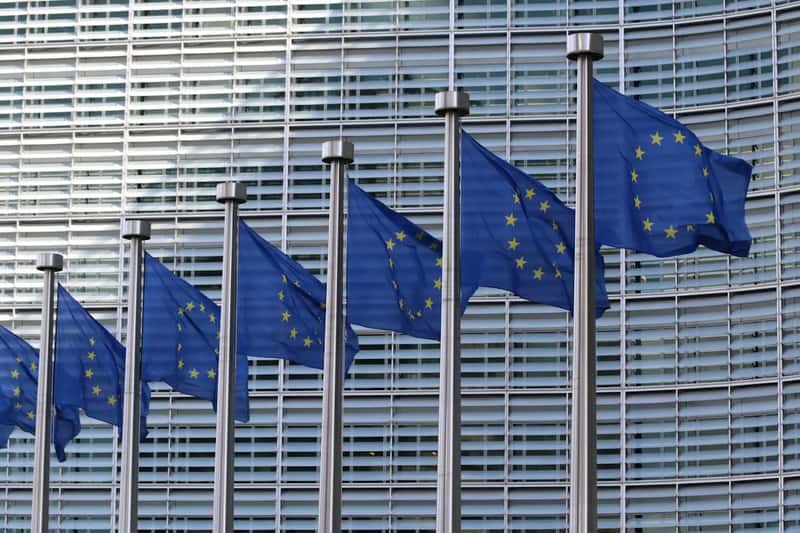
Belgium’s position in the rankings reflects its uniquely multilingual character, where English frequently serves as a practical bridge between the country’s Dutch-speaking, French-speaking, and German-speaking communities. Belgium scored 608, placing it ninth globally in the latest index. Brussels, as the de facto capital of the European Union, has also turned English into an everyday working language for tens of thousands of professionals employed by EU institutions and international organizations.
Belgian schools generally require students to learn at least one foreign language beyond their regional mother tongue, and English is almost always part of that requirement given its usefulness across the country’s linguistic divides. This has produced a population that treats English less as a specialized skill and more as a practical tool for navigating everyday professional and social life.
10. Slovakia

Slovakia rounds out the top ten, and its climb up the rankings mirrors a broader trend across Central and Eastern Europe where younger generations have embraced English far more thoroughly than their parents did. Slovakia recorded a score of 606, its highest position yet in the index. Growing foreign direct investment, particularly in automotive manufacturing and information technology, has pushed companies operating in Slovakia to prioritize English-speaking talent.
Slovak schools have steadily expanded English instruction over the past two decades, and integration into the European Union has only accelerated demand for the language among students entering university or the workforce. As with Croatia, exposure to English-language streaming content and international gaming communities has given younger Slovaks informal practice that complements their formal schooling.
Interestingly, Singapore does not appear on this particular list, despite years of ranking near the very top of the EF EPI in earlier editions. Singapore, which had long ranked highly and was frequently the top performer in Asia in earlier editions, was excluded from the index since 2025 after being re-classified as a native English-speaking country. That reclassification opened space for European nations, particularly those in Central and Eastern Europe, to climb further up the global standings.
Taken together, these ten countries tell a fairly consistent story. Early and sustained English education, a preference for subtitles over dubbing, deep integration into international business, and constant exposure through media and travel all combine to produce populations that speak English with remarkable ease, even though none of them count it as a native language. Whether that trend holds steady or shifts again as AI-powered translation tools become more common remains one of the more interesting questions the next edition of the index will have to answer.