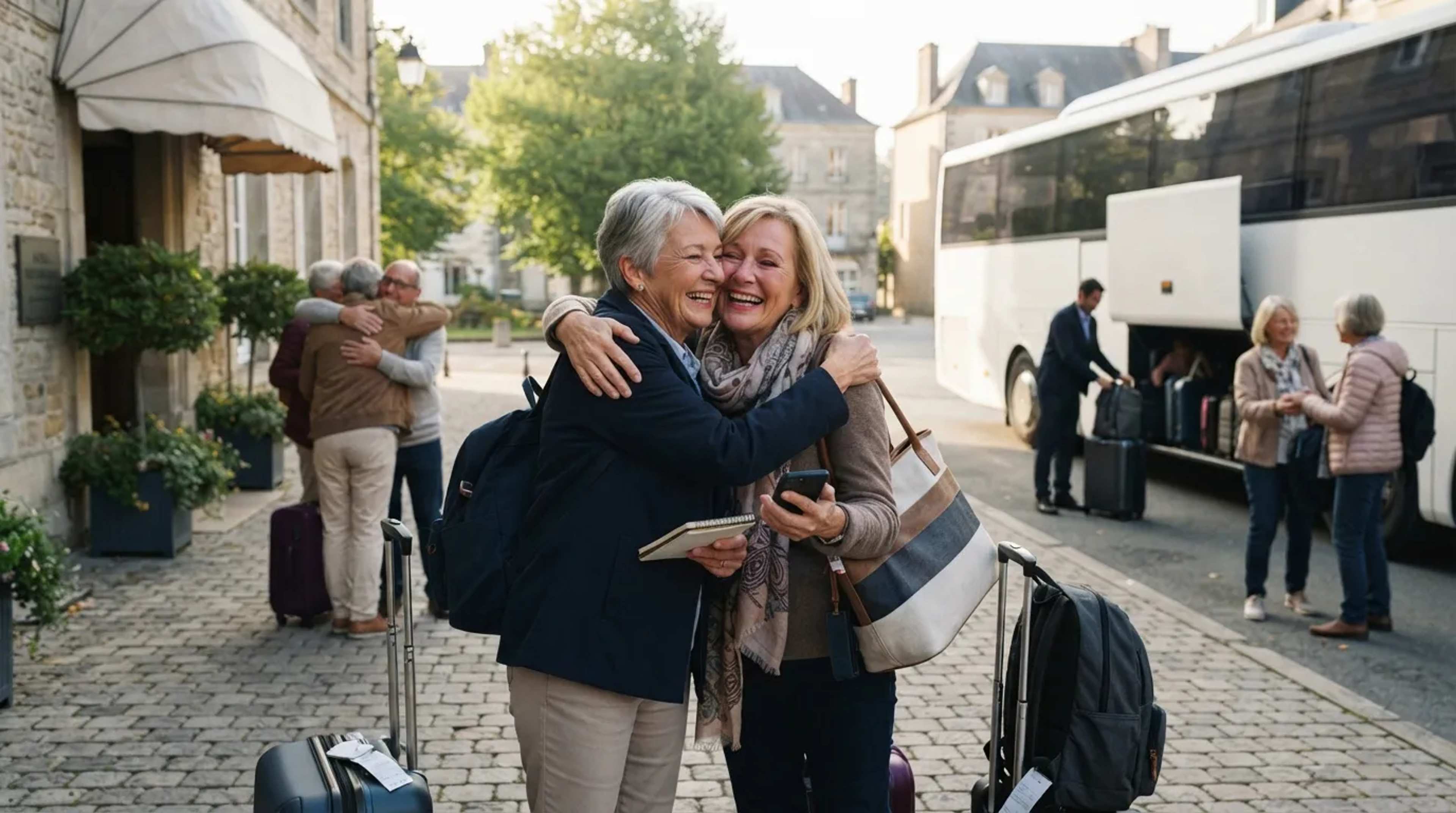
A significant portion of people worldwide reportedly said they felt loneliness “a lot of the day yesterday,” according to Gallup’s inaugural measure of global loneliness, making loneliness an increasingly pressing issue in our modern world. The emotional toll affects everything from physical health to workplace productivity, yet some nations have managed to foster environments where genuine connection thrives. Countries where feelings of loneliness are especially rare include Vietnam, Estonia, Kosovo, Kazakhstan, Poland, Slovenia, Taiwan, Finland, Iceland, and Denmark, offering valuable lessons about building more connected societies.
Vietnam: A Community-Centered Culture

Vietnam reportedly registered among the lowest scores on Gallup’s Negative Experience Index in 2023. This remarkable achievement reflects deep cultural values that prioritize collective well-being over individual pursuits. Vietnamese society traditionally emphasizes extended family networks and community bonds that provide natural support systems throughout life stages.
The country’s communal dining traditions, multi-generational households, and strong neighborhood connections create layers of social interaction that prevent isolation. Economic cooperation through local markets and shared agricultural practices further reinforces these social ties, making meaningful relationships an integral part of daily survival and prosperity.
Estonia: Digital Innovation Meets Social Connection
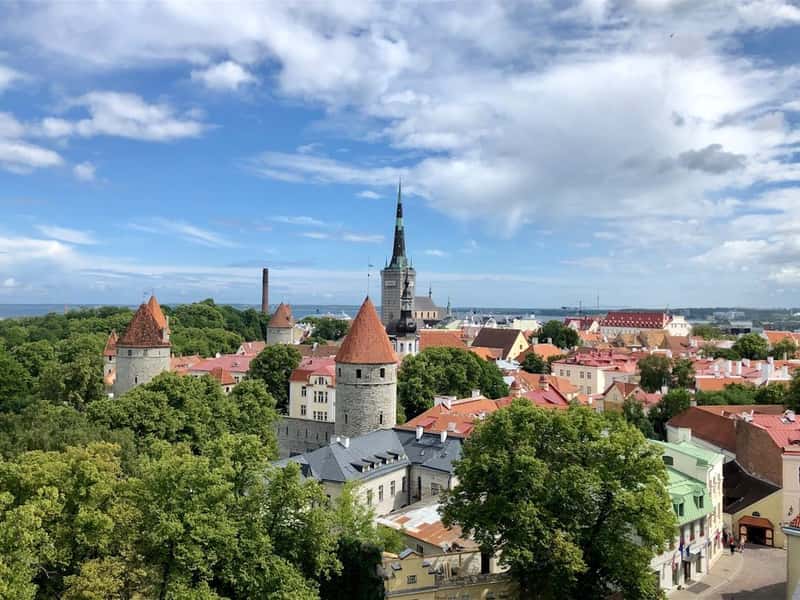
Estonia reportedly has low rates of people feeling lonely, making it one of the countries where feelings of loneliness are especially rare. The Baltic nation has successfully merged technological advancement with human connection, creating digital platforms that enhance rather than replace face-to-face interactions. In late 2023, Estonia introduced the “Settling in Estonia” life event service, a digital adaptation journey for newcomers available through the State Services Platform, providing a centralised platform for accessing information and support on residence registration, language learning, cultural integration, education, healthcare, driving, and social benefits.
Estonian social clubs and volunteer organizations maintain strong participation rates, while the country’s compact size allows people to maintain connections across different regions. The emphasis on work-life balance and outdoor activities creates natural opportunities for social bonding throughout the year.
Denmark: The Hygge Effect and Social Safety Nets
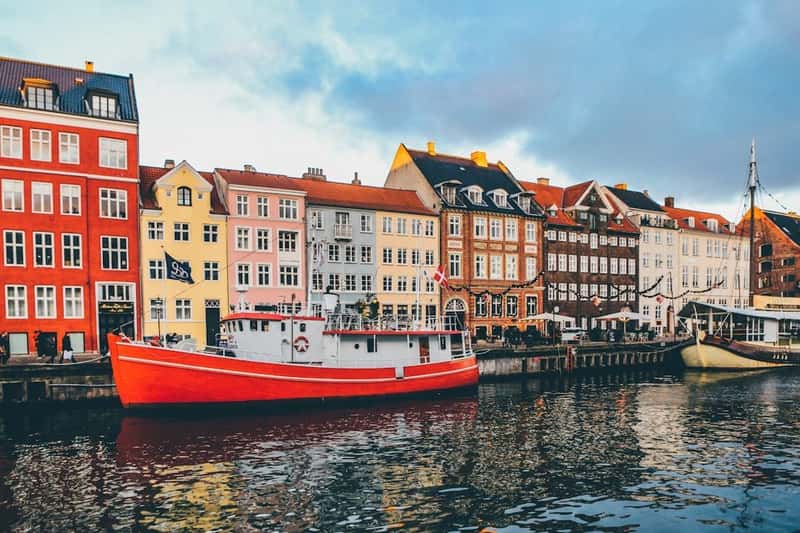
Denmark reportedly has low rates of people experiencing loneliness, placing it among countries where feelings of loneliness are especially rare. Danish culture champions “hygge,” a concept emphasizing cozy togetherness and contentment through simple pleasures shared with others. This philosophy translates into everyday practices like communal meals, evening gatherings, and seasonal celebrations that strengthen social bonds.
The Danish welfare system provides security that reduces stress-induced isolation, while urban planning prioritizes public spaces, cycling paths, and community centers that facilitate natural encounters between neighbors. The tradition of “folkhøjskoler” (folk high schools) for lifelong learning creates intergenerational connections that last decades.
Finland: Nature Connection and Mental Health Awareness
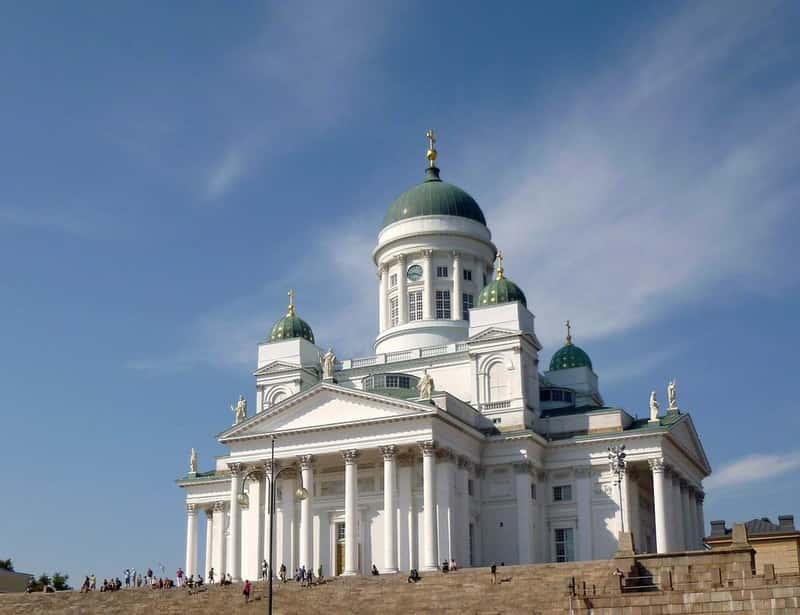
Finland reportedly shows low loneliness rates, demonstrating how feelings of loneliness can be kept especially rare. Despite stereotypes about reserved Nordic personalities, Finns have cultivated unique approaches to meaningful connection that work within their cultural framework. The sauna culture provides intimate spaces for authentic conversations, while forest therapy and outdoor activities create shared experiences that bond communities.
Finland’s progressive mental health initiatives normalize discussing emotional well-being, reducing stigma around seeking support. The education system emphasizes collaborative learning and social skills development, creating foundations for lifelong relationship building that extend well beyond school years.
Iceland: Intimate Communities in a Vast Landscape
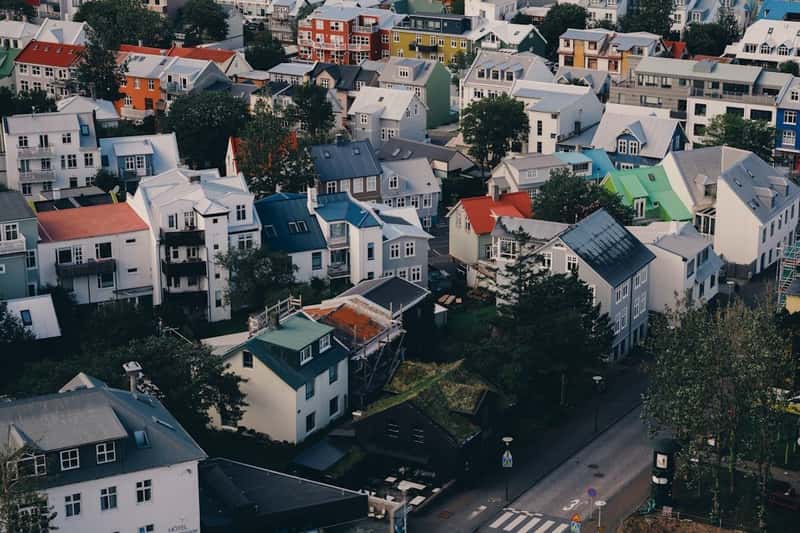
Iceland reportedly maintains low loneliness rates, joining the group of countries where feelings of loneliness are especially rare. The island nation’s small population creates an almost village-like atmosphere where people frequently encounter familiar faces and maintain loose connections across professional and social circles. Geographic isolation has paradoxically strengthened internal community bonds.
Icelandic cultural traditions like storytelling evenings, community pools, and shared seasonal celebrations provide regular opportunities for connection. The strong literary culture and book clubs create intellectual communities that span age groups and social classes, while the tradition of communal work projects brings neighbors together for shared goals.
Czech Republic: Central European Social Traditions
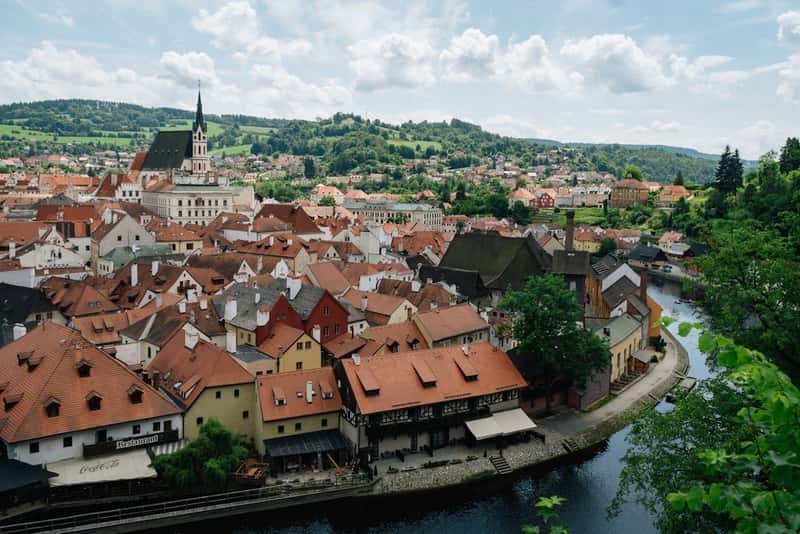
The lowest levels are observed in the Netherlands, the Czech Republic, Croatia, and Austria (all below 10%) according to the first EU-wide loneliness survey. The Czech Republic maintains strong beer hall and café cultures that serve as informal community centers where regular patrons develop lasting friendships. These establishments function as social anchors in neighborhoods across the country.
The Czech tradition of weekend cottage retreats brings urban families together in rural settings, creating opportunities for deeper connections away from daily distractions. Sports clubs, hiking groups, and cultural associations provide structured social activities that accommodate different personality types and interests, ensuring multiple pathways to meaningful connection.
Netherlands: Innovative Social Infrastructure

The lowest levels of loneliness were observed in the Netherlands, with less than 10 percent of the surveyed sample, making it a leader in combating social isolation. Dutch urban planning prioritizes walkable neighborhoods, public squares, and mixed-use developments that encourage spontaneous social interactions. The extensive cycling infrastructure creates daily opportunities for brief but positive human contact.
The Netherlands has pioneered innovative solutions like intergenerational housing projects, community gardens, and neighborhood apps that help residents connect with nearby neighbors. Favourable economic situations, as well as the quantity and quality of social interactions, are key when it comes to preventing loneliness, and Dutch social policies emphasize both economic security and community building as interconnected goals.
The Common Threads: What Makes These Countries Different
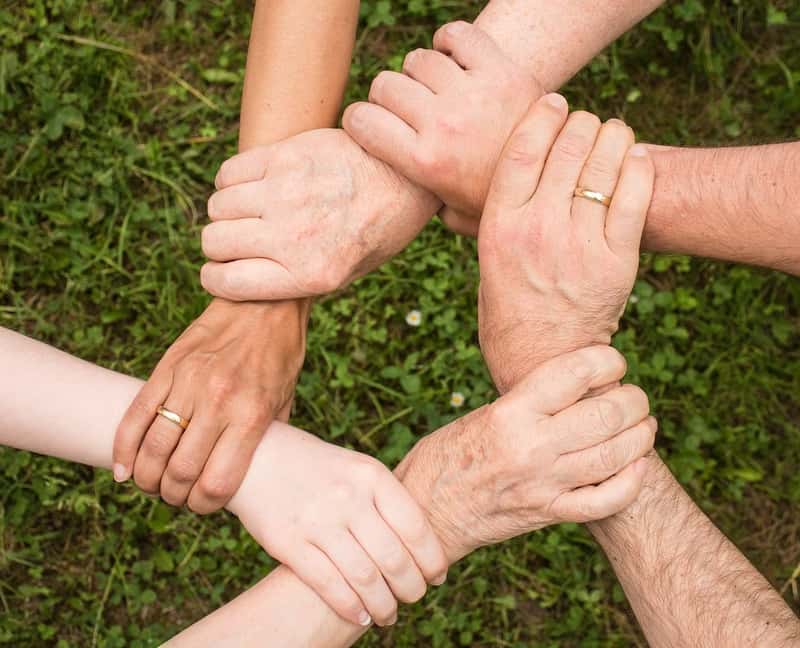
These seven nations share several key characteristics that contribute to their low loneliness rates. Strong social safety nets reduce the stress and competition that can drive people apart. Cultural values that prioritize community wellbeing over individual achievement create environments where helping others feels natural and rewarding.
Physical infrastructure designed for human connection rather than just efficiency makes social interaction convenient and pleasant. Whether through well-designed public spaces, accessible community centers, or transportation systems that bring people together, these countries have invested in the physical foundations of social life. High association participation and high internet access are necessary conditions for low loneliness, with internet access being by far the most common necessary condition, showing how technology can support rather than replace human connection when properly integrated.
These countries prove that loneliness isn’t an inevitable consequence of modern life. Through intentional cultural practices, supportive policies, and infrastructure designed for human connection, societies can create environments where people naturally find meaningful relationships and support systems. The lessons from these nations offer hope and practical guidance for addressing loneliness epidemics worldwide.