There’s something unsettling about watching a city fade. Not in a dramatic, overnight collapse kind of way, but slowly, almost invisibly. A shuttered storefront here. A “For Sale” sign that stays up way too long. Streets that used to bustle on a Tuesday evening now feel hollow and hushed. It’s happening across America right now, and honestly, more people should be paying attention.
Research from the University of Chicago, published in the journal Nature Cities, warned that close to half of the nearly 30,000 cities in the United States will face some form of population decline. That’s not a fringe prediction. It’s a peer-reviewed alarm bell. So which cities are feeling it most acutely right now, and why are people packing up and leaving? Let’s dive in.
1. Detroit, Michigan: The Slow Goodbye of a Fallen Giant
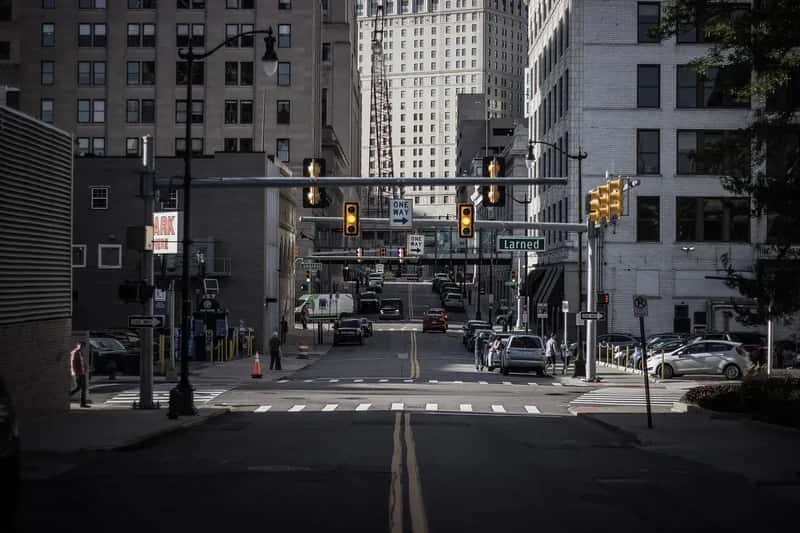
Detroit is the city that defined American industrial ambition. It built the cars that built the middle class. But that story has been unraveling for decades, and in 2026, the wounds are still very much open. Census QuickFacts estimated Detroit’s population at about 645,705 as of July 1, 2024, down from 713,777 in 2010. That’s a loss of roughly 68,000 people in just fourteen years.
Detroit has long struggled with population decline, and the trend continued into 2025. Previously having nearly 1.85 million residents in 1950, the city now has fewer than 650,000 residents. Think about that for a second. That’s less than a third of what it once was. The streets weren’t designed for this few people. The infrastructure wasn’t built for a city this empty.
Detroit filed for bankruptcy in 2013 after years of financial strain. Some areas are rebounding with new housing and small businesses, but the city remains far below its 1950 peak. The gap between Detroit’s potential and its current reality remains one of the most sobering stories in American urban history.
2. St. Louis, Missouri: The City With the Steepest Decline in America
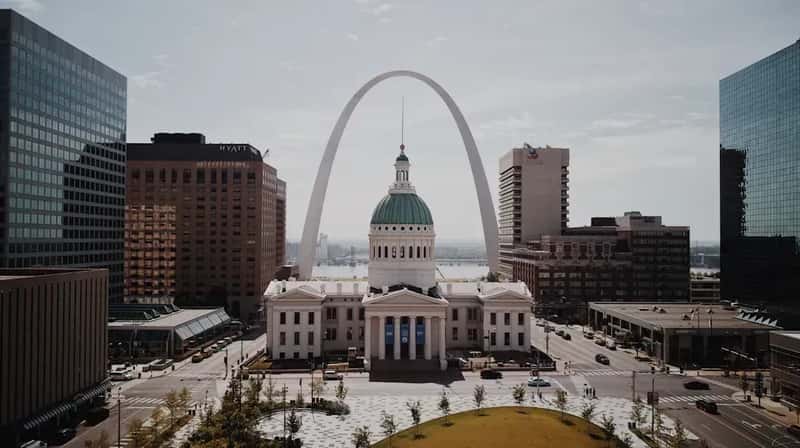
If you want to understand just how dramatic urban population loss can get, look at St. Louis. At its peak in the 1950s, St. Louis had nearly 900,000 people living in the city. Now, the population stands at just under 280,000. That’s a drop of about 65%. Imagine a city shrinking to roughly a third of what it used to be. That’s not decline. That’s near-collapse.
According to St. Louis Public Radio, 2024 U.S. Census data showed that St. Louis had the most severe population decline of any American city, losing more than 20,000 residents in just four years. That pace is alarming. Affordable housing isn’t the problem. It’s jobs, public safety, and disinvestment in too many communities. Younger residents are disproportionately more likely to relocate to larger metropolitan areas such as Nashville, Dallas, or Denver.
Families move to suburbs for schools, parks, and space. When residents leave, fewer customers support shops, fewer taxes fund services, and the hollowing-out speeds up. It becomes a self-reinforcing cycle. And breaking it is genuinely hard.
3. San Francisco, California: The City That Priced Itself Out
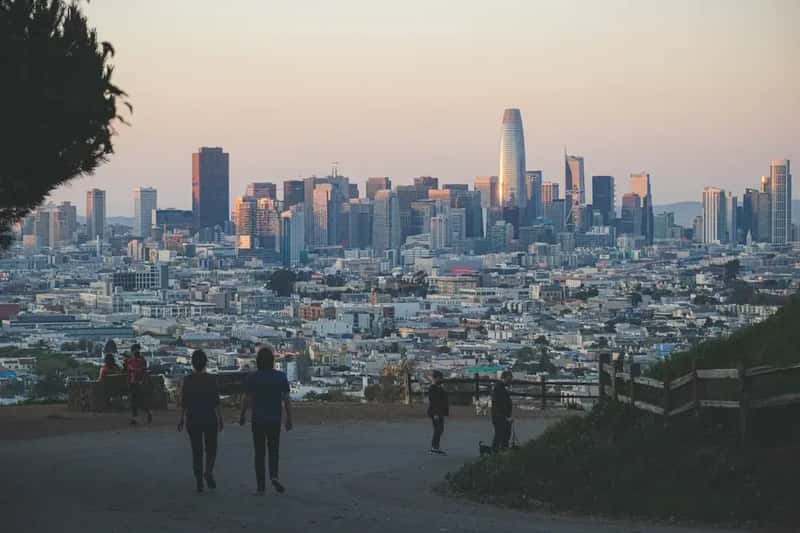
Here’s the thing about San Francisco. It didn’t lose its charm. It didn’t lose its geography or its world-class universities. What it lost was affordability, and that turned out to be everything. San Francisco has a 2024 population of 873,965, with population dropped by nearly 34,000 over the past five years, placing it among the top four counties in the nation with the largest declines, according to new U.S. Census Bureau estimates.
Domestic migration decreased the metro area’s population by about 326,600 people from April 1, 2020, to July 1, 2024, though the population grew by about 179,000 in international migrants over that same time period, amounting to a net loss of around 147,000 people. International arrivals are essentially plugging a massive hole left by departing residents.
The exodus of people from San Francisco and much of the surrounding region during the 2020 pandemic was driven by the rise in remote-work, mass layoffs, and high cost of living. San Francisco lost about 3,000 residents in 2024 alone, leaving the current SF population at 842,000 people, or about 30,000 fewer than pre-pandemic levels. That gap still hasn’t been closed.
4. Chicago, Illinois: Nine Straight Years of Losing People
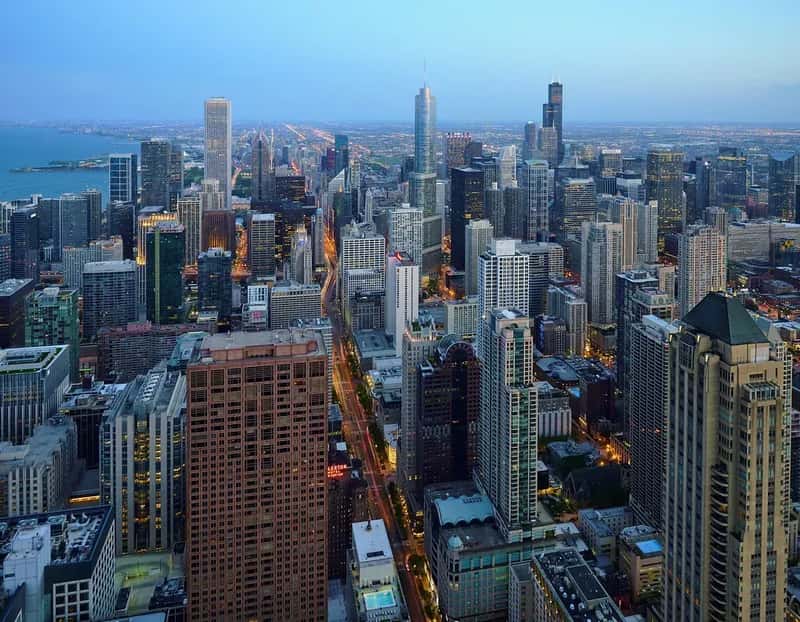
Chicago is America’s “Second City,” a title it has long worn with pride. But the numbers are now pointing to something sobering. In 1920, Chicago boasted a population of 2.7 million, an increase of more than 516,000 over the previous decade. A century later, the city’s population stands at 2.66 million, down by 128,034 after nine consecutive years of decline. Nine consecutive years. That’s not a blip. That’s a trend with real momentum.
Chicago lost 8,208 residents in 2023, the third-largest decline of any city in the nation. Residents often cite high taxes, crime issues, and a desire for more affordable housing in surrounding suburbs as their primary reasons for leaving. Honestly, you don’t have to look hard to find people who love Chicago deeply but still chose to leave it.
The primary drivers include high taxes, unaffordable housing costs, rising crime rates, traffic congestion, limited job growth, and declining quality of life. It’s a perfect storm, one that keeps feeding itself as the tax base shrinks and city budgets tighten further.
5. New York City, New York: Even the Biggest Can Bleed
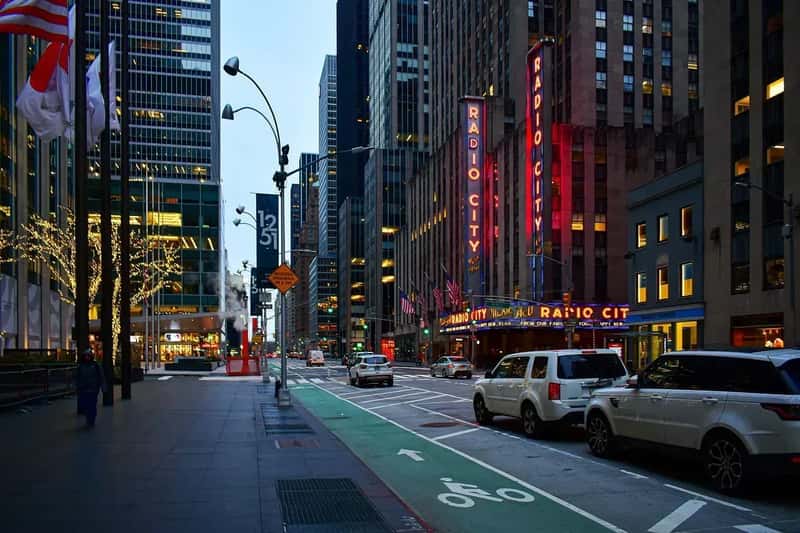
It sounds impossible for New York City to shrink, yet the 2020 pandemic years proved it can. When rents were high and offices went remote, many people tried life elsewhere. For a city that has always felt invincible, that was a rude awakening. New York’s famous density suddenly became a liability rather than an asset.
Data released from the U.S. Census Bureau showed that in 2024, about 415,449 people left New York and 285,304 moved in. In total, the Census reported a net loss of about 130,145 residents that year. Less official data suggested that the trend accelerated through 2025. That’s a staggering number to absorb.
United Van Lines, which tracks interstate moves handled by its network, also saw the outmigration trend accelerating through 2025. In late December, they reported that 58% of all New York moves last year were outbound, ranking it as the second-most-moved-away-from state that year. The Nassau-Suffolk metropolitan area alone had an outbound rate of 78% in 2025. That figure is shocking.
6. Cleveland, Ohio: A Rust Belt City Fighting for Relevance
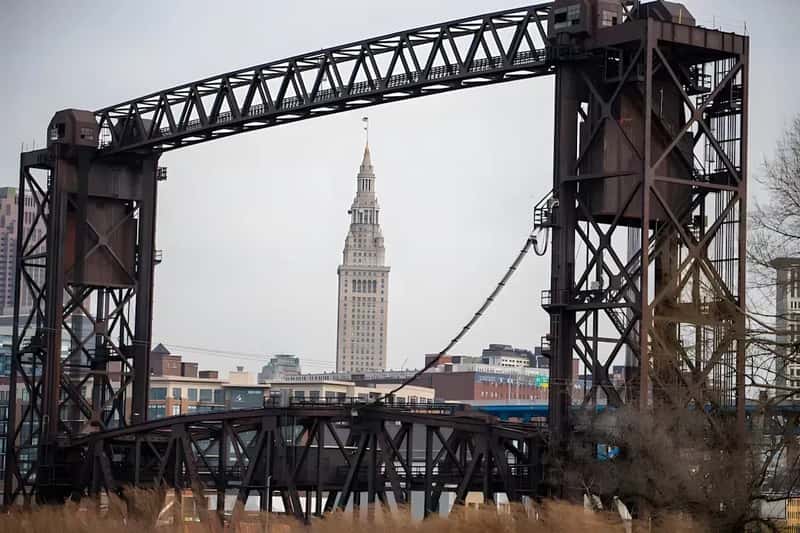
Cleveland’s story is the archetypal Rust Belt narrative. A proud, hardworking industrial city gutted by deindustrialization, left to figure out a future when the factories closed and never came back. Cleveland’s population, according to the World Population Review, stands at 356,556 as of 2025, a decline of about 4.1% from 371,806 in 2020. That might not sound catastrophic in raw percentage terms, but the cumulative effect of decades of such losses is devastating.
Factory job losses helped start the decline, and suburban growth kept it going. Fewer residents can mean fewer dollars for roads, parks, and maintenance, making neighborhoods harder to maintain. It’s the urban equivalent of a slow leak that nobody patches. In 2024, the city celebrated the fact that it had not lost more residents, with the population plateauing at about 360,000. It has recently emerged as a budget-friendly big city that’s an alternative to expensive coastal giants.
Cleveland could see depopulation of 12 to 23 percent by 2100, according to the University of Chicago research published in Nature Cities. That’s a projective gut-punch, though pockets of the city are genuinely starting to pull themselves back. Some neighborhoods, like the popular Tremont area, have managed to lure residents back with a mix of walkable streets, Victorian charm, and tasty food.
7. Jackson, Mississippi: A Crisis of Safety and Investment
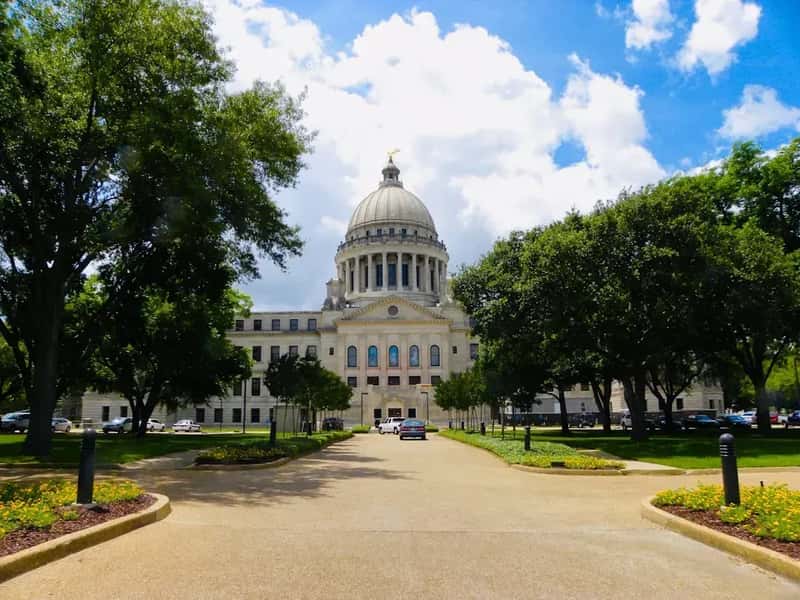
Jackson is a city that rarely makes it into polished travel guides, but it makes the hard lists regularly and for difficult reasons. Jackson’s population in 2024 stood at 141,449, representing a population change of negative 23.2% since 2000. Nearly a quarter of the city’s population has simply vanished over the past two decades. That’s a staggering collapse for a state capital.
Jackson maintained its position as the deadliest city in the nation per capita for the fifth year running, despite recording a more than 30 percent drop in killings in 2025 compared to the previous year. It’s progress, but five consecutive years at the top of that list tells a damaging story. With a crime rate of 36 per one thousand residents, Jackson has one of the highest crime rates in America compared to all communities of all sizes.
The percentage of residents living in poverty in Jackson in 2023 stands at 26.1%. That’s roughly one in four people. Depopulation in U.S. cities is shaped by a multitude of factors, including the decline of industry, lower birth rates, and the impacts of broader economic forces. In Jackson, those forces converge with brutal efficiency, creating a feedback loop where fewer residents mean less tax revenue, which means worse services, which drives even more people away.
8. Los Angeles, California: The City That Has Everything but Keeps Losing People

Los Angeles is glamour, sunshine, and the global entertainment capital. It’s also, increasingly, a city that millions of people are quietly deciding is simply not worth it anymore. Of the counties that declined the most numerically, the list includes many of the most populous. Los Angeles County, while still the largest in the country by more than 4.5 million, declined the most, by nearly 54,000. That is the largest numerical population loss of any county in the entire United States.
Los Angeles County recorded the most significant numerical drop in the state of California, losing nearly 250,000 residents, a 2.5% decrease over a five-year period. Think of 250,000 people as roughly the entire population of a mid-sized American city. Wiped from the LA rolls. The LA metro area saw an exodus of more than 500,000 people in recent years, making it one of the most dramatic urban outflows in modern American history.
California’s population dropped by more than 9,000 between 2024 and 2025, the largest drop of any state. Since 2020, estimates from the Census Bureau show California’s population has decreased by more than 170,000, the largest drop in the nation. The difference for California was immigration, since the number of net immigrants who moved into the state dropped from 361,000 people in 2024 to 109,000 in 2025. California has also lost the most residents to state-by-state migration, with the largest chunk, roughly 77,000, moving to Texas.
The Bigger Picture: What’s Really Driving the Exodus?
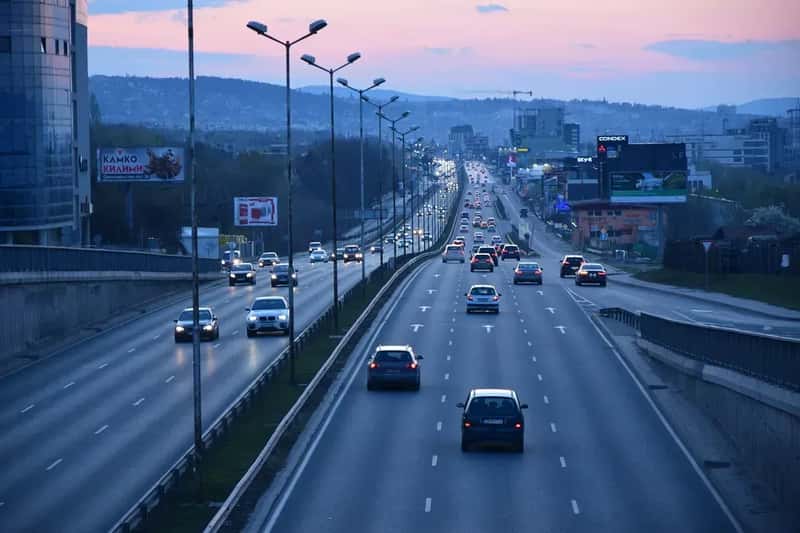
Stepping back from any single city, there’s a clear pattern here. The mass migration from major metropolitan areas represents one of the most significant demographic shifts in recent American history. Rising costs of living, remote work flexibility, and changing lifestyle priorities are driving millions of families to seek greener pastures. People aren’t abandoning cities on a whim. They’re making cold, rational calculations about where their money, safety, and quality of life go furthest.
Theories of what drove the urban family exodus are varied, including lockdowns, public safety, spiraling housing costs, and new opportunities offered by remote work. Each almost certainly contributed, even if the factors that mattered most are difficult to identify with precision. It’s rarely just one thing. It’s the accumulation of a dozen small frustrations finally tipping into a decision to leave.
Since the infrastructure of such cities was built to support a larger population, its maintenance can become a serious concern. Roads crumble, schools lose funding, emergency response times stretch. The city gets harder to live in, which drives out more residents, which makes it harder still. The basics of urban governance, including providing safe streets, quality schools, functional housing markets, and reliable transit, still matter.
And yet, not all hope is gone. Some of these cities are showing early signs of revival. Some neighborhoods are coming back. Buffalo, for instance, was surprisingly named by online real estate company Zillow as America’s hottest property market in 2025. Comebacks do happen. They just tend to start quietly, one open business at a time, one family moving back in at a time.
The real question isn’t just where Americans are going. It’s whether the cities they’re leaving have the will and the resources to give them a reason to stay. What do you think – can these cities turn it around, or has the exodus already gone too far to reverse? Drop your thoughts in the comments.