There is a quiet shift happening across the globe, and if you are an American planning your next international trip, you might want to pay close attention. The world’s relationship with U.S. tourists has never been simple, but between political tensions, trade wars, overtourism protests, and a wave of fresh survey data collected between 2024 and 2026, some destinations are sending a message that is impossible to ignore.
It is not just about a few cold stares at a Parisian café anymore. We are talking hard data, organized boycotts, government travel warnings, and in some cases, outright legal restrictions. So, be surprised by what the numbers actually reveal. Let’s dive in.
1. France: The Coldest Welcome in All of Europe
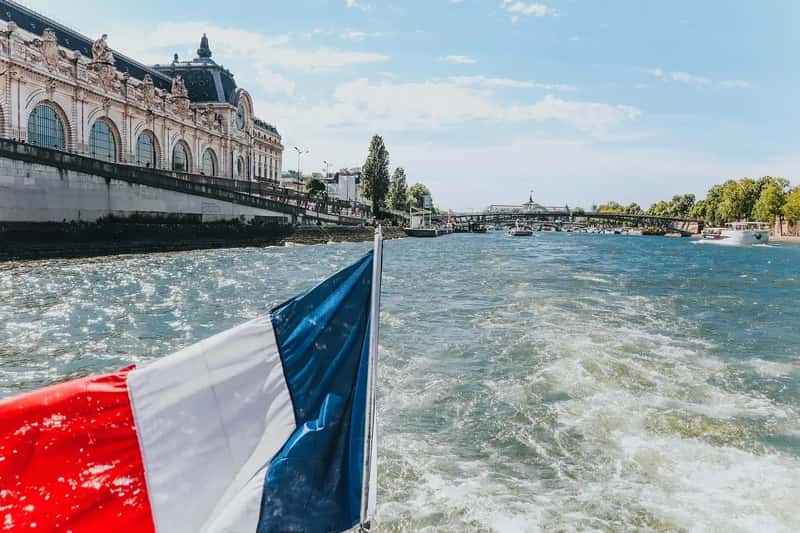
France has long carried a reputation for frostiness, but the numbers have now turned that stereotype into documented fact. France led the way in a major European survey at 15%, making it the country most likely to call itself unwelcoming to Americans. That is not a tight competition either. No other European country comes anywhere close to that level of self-declared coolness toward U.S. visitors.
U.S. favorability in France plunged 33 points by early 2025, tied directly to trade disputes and political tensions. France’s disapproval rating for the United States currently sits at 67%, and this level of animosity can make it hard for Americans to feel welcomed in the country, regardless of how hard they try. Think of showing up to a party where more than half the room already decided they don’t like you before you even walked in the door.
When it comes to the behaviors hurting U.S. travelers’ reputations overseas, noise is number one, with 64% of European respondents saying Americans are far too loud. France, where cultural pride runs especially deep, feels this friction more sharply than most. When asked which countries they thought viewed them least favorably, 47% of Americans picked France. Turns out, they were absolutely right.
2. Germany: Interest Has Collapsed on Both Sides
Germany’s relationship with the United States has always carried historical weight, and for decades that translated into real warmth between the two nations. Germany’s relationship with the United States has always carried historical weight. For decades, that translated into admiration and strong tourist ties. Now the data tells a very different story.
Statistics from 2025 tell a sobering story. Germany ranks number one with a steep 61% drop in interest in visiting America, followed by Canada with a staggering 40% drop since the previous year. That mutual coolness is spilling directly into how Germans treat American visitors on their own soil. German tourist visits to the United States declined around 20 to 30% in 2025 amid economic pressures, and roughly 45 to 55% of Germans hold an unfavorable view of the U.S. NATO disputes and trade tensions have fueled anti-American feeling among locals, and German travel agencies now warn U.S. visitors about potential public hostility, especially in eastern regions.
The World Travel and Tourism Council also reported that the U.S. was the only country expected to experience a decrease in international visitor spending in 2026 among the 184 nations analyzed. Think about that for a moment. Out of 184 countries, America is the only one losing international tourism dollars. Germany’s cooling attitude is a large part of that story.
3. Canada: The Neighbor That Slammed the Door
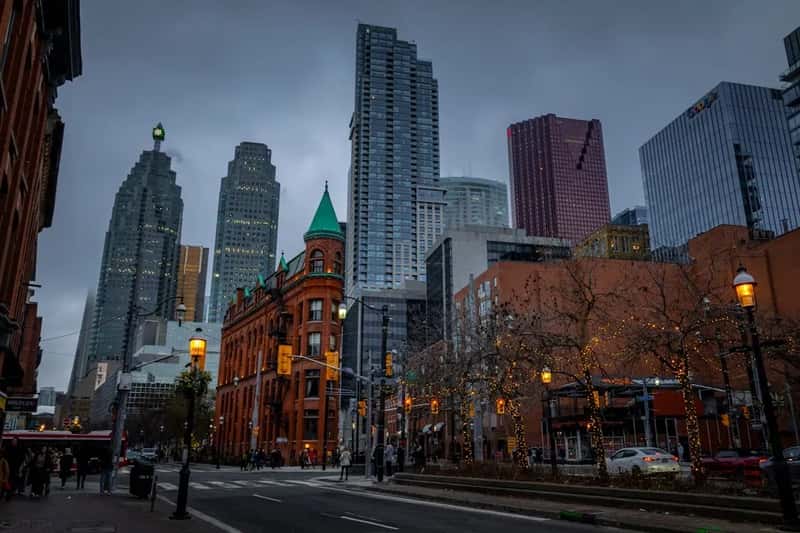
Honestly, this is the one that should shock most Americans the most. Canada. The hockey-loving, maple syrup country right next door. More Canadians visit the U.S. than visitors from any other country, according to the National Travel and Tourism Office, and Canadians made up roughly 28% of total international visitor arrivals in 2024. Then everything changed, fast.
The boycott began in early 2025, after President Trump’s remarks about Canada becoming a possible 51st U.S. state and the following trade war. A recent nationwide survey of consumer sentiment by the Bank of Canada found that 55% of respondents were altogether avoiding or spending less on vacations to U.S. destinations. The drop in cross-border travel has been described as unprecedented outside of the COVID-19 crisis.
The U.S. tourism industry is projecting a $5.7 billion loss in 2025 to 2026, driven by a sustained, politically motivated boycott by Canadian travelers following trade tensions and tariffs. Since the onset of the boycott in early 2025, Canada’s decision to restrict travel to the U.S. has led to an economic loss of over $4.5 billion for the U.S. economy, and the downturn has been felt most strongly in sectors like national parks, where Canadian bookings plummeted by a staggering 93%. That is not a dip. That is a total collapse of goodwill.
4. Norway: Silent Resentment, Loud Statistics
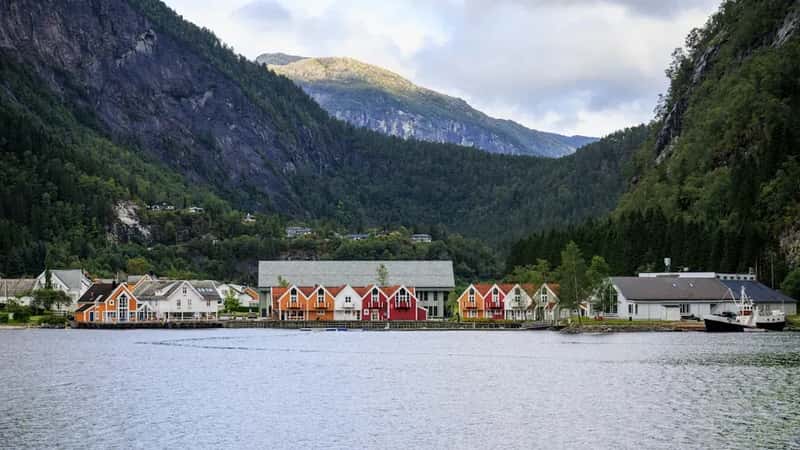
Norway doesn’t do dramatic outbursts. It’s reserved, civil, and measured. Which is exactly why the data coming out of this Scandinavian nation is so striking. Norwegians quietly resent American visitors, with 8% calling their fjords unwelcoming in recent polls, and the 2024 U.S. election swayed 44% of Norwegians to view American travelers more harshly, amid drops in European tourism to America.
Scandinavian countries stood out the most when looking at survey results: Norway topped the list at 44% saying the election has impacted how they view American travelers, followed by Estonia at 35%, Sweden at 31%, Denmark at 30%, and Finland at 29%. That is nearly half the country shifting its view of one tourist group based entirely on politics. No cultural exchange can easily undo that.
The friction is also cultural, not just political. Norway’s reserved nature clashes with boisterous styles. Imagine hiking through one of the most stunning silent landscapes on earth and having someone next to you delivering a play-by-play into their phone for their Instagram audience. Norwegians notice this. They just rarely say anything to your face. It’s hard to say for sure which irritant runs deeper, but clearly both are real.
5. Denmark: A Country Actively Pulling Away
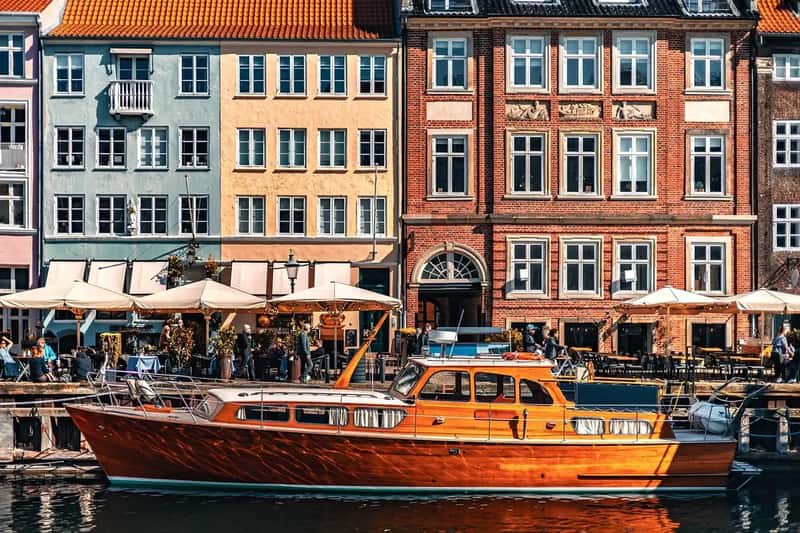
Denmark’s friction with American tourists is part political, part cultural, and by 2025 it had become impossible to ignore. Polling in 2025 shows sharp declines in Danish favorability toward the United States, with YouGov reporting roughly 74% of Danes viewing the U.S. unfavorably in March 2025. That is an extraordinary figure for a country that has historically been a stable Western ally of the United States.
Renewed interest in acquiring Greenland, an autonomous territory of the Kingdom of Denmark, angered Danish citizens and government officials. In Denmark, approximately half of consumers reported deliberately refraining from buying United States products since Trump’s inauguration, according to a Megafon survey for TV 2. That kind of cultural hostility simply does not stay confined to grocery store aisles.
In Denmark, approximately half of consumers reported deliberately refraining from buying United States products since Trump’s inauguration. That kind of cultural hostility does not stay confined to grocery stores. It follows American visitors into coffee shops, restaurants, and conversations on the street. The country still receives American visitors, but the underlying current has shifted noticeably.
6. The Netherlands: Blunt, Policy-Backed, and Over It
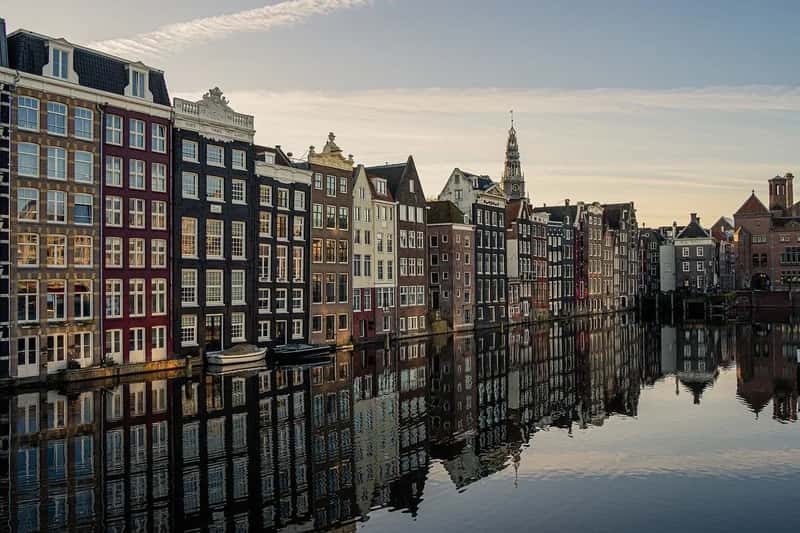
Here’s the thing about the Dutch: nearly everyone speaks fluent English, which means there is no language barrier softening the edge of their frustration. Nearly 40% in the Netherlands said they have a negative view of American tourists. That is one of the highest negative sentiment scores across all of Europe, and the Dutch are not known for keeping their feelings to themselves.
Amsterdam city councillors have explained that over the past years, more than 75 measures have been implemented to combat the negative effects of overtourism, from rules to regulate the capacity of vacation rentals to relocating and reducing sea and river cruises and banning coaches in the city centre. Amsterdam confirmed that in 2025 it would continue to ban the addition of beds in hotels in the city, as well as maintain the ban on the creation of new hotels.
The Dutch capital doubled down on its cheeky “Stay Away” ad blitz, targeting rowdy spring-break types with videos that pop up when anyone searches “cheap hotel Amsterdam party.” City hall is also slashing the number of cruise calls and raising its nightly tourist tax to a continental high of €16. It is a city that has essentially put up a velvet rope and is choosing its guests carefully. Americans partying in Amsterdam are very much on the wrong side of it.
7. Hungary: Political Layers and Cold Shoulders
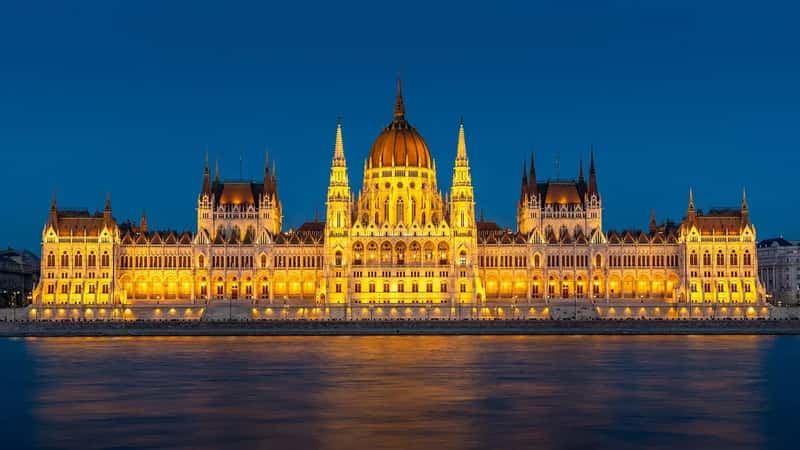
Hungary surprises a lot of people when it appears on lists like this. Budapest is genuinely stunning, the thermal baths are world-class, and the food is wildly underrated. Yet the tension is very real. Countries that view themselves as the least welcoming to Americans include Hungary at 8.7%, Norway at 8%, Denmark at 7.5%, and Spain at 6.9%. Hungary’s ranking places it second only to France in terms of self-declared unwelcomeness.
The tension in Hungary is partly political and partly rooted in a broader Eastern European skepticism of loud Western tourism. Budapest has become a popular party destination for international visitors, and that reputation generates real friction with locals who live in the historic neighborhoods being turned into nightlife corridors. It is like the Venice problem, only louder and with more late-night noise complaints.
Past U.S. policies during the pandemic and Trump era left unfavorable views lingering into 2026. Budapest’s political scene adds unease, making casual chats turn awkward fast. Travelers report cold shoulders in cafes, tied to broader anti-Western sentiments. Hungary has also navigated its own complex relationship with Western political values, and that adds yet another uncomfortable layer to every American-tourist interaction.
8. Spain: Water Pistols, Protest Banners, and No Apologies

Spain’s problem with tourists is not subtle. Spain welcomed close to 94 million international visitors in recent years, and the backlash from its own residents has been fierce, loud, and increasingly hard to ignore. Across 2024 and 2025, protests against overtourism drew international attention, especially in Barcelona and parts of the Balearics. Barcelona banners screamed “Tourists go home,” while locals blamed rising rents on outsiders, with data showing tourism doubles the population strain in some neighborhoods.
Locals in Barcelona took to the streets, spraying water pistols at innocent visitors, and protests gripped parts of Mallorca. That is not a metaphor. It literally happened. A Spanish mobility consulting firm reported that the availability of long-term rental property in the nation decreased by three percent in 2024, with rental prices reaching a new all-time high. Locals directly blame tourists for making their cities unaffordable to live in.
Americans, often perceived as the loudest and most entitled subset of the tourist crowd, found themselves grouped into that frustration by default. It is important to note the nuance here. Spain is not exclusively anti-American. It is anti-mass tourism in general, and Americans are simply caught up in a much larger and very angry wave of local exhaustion.
9. Iran: Restricted Entry and Zero Safety Net
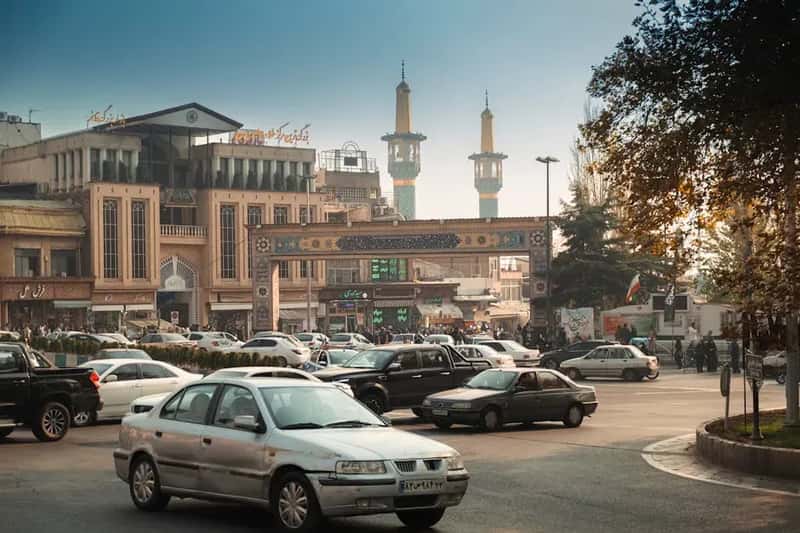
Iran occupies an entirely different category from the countries listed above. This is not about cultural annoyance or political sentiment expressed in surveys. Having a U.S. passport or connections to the United States can be reason enough for Iranian authorities to detain someone. Iranian authorities unjustly detain U.S. nationals without warning or evidence they committed a crime. The U.S. State Department has issued a Level 4 “Do Not Travel” advisory for Iran.
Citizens of the United States, the United Kingdom, and Canada must still book a pre-arranged guided tour through an authorized agency, in accordance with the Ministry of Foreign Affairs’ policies. Even once inside, American travelers cannot move freely. Tourists need to work with a government-approved guide at all times to acquire their visa number and spend any time within the country’s borders. That is less a travel experience and more a supervised visit.
There is no U.S. Embassy in Iran. The U.S. government cannot provide emergency or routine services to U.S. citizens on the ground there. Non-Iranian credit cards and bank cards cannot be used in Iran. There is no Western Union or similar institution. Bank transfers are not possible. Due to economic sanctions on Iran, U.S. financial institutions have been known to block or freeze accounts accessed via the internet from Iran. The bottom line here is simple: the barriers are not just cultural. They are structural, legal, and in some cases, potentially dangerous.
The Bigger Picture: A Measurable Global Shift
The data coming out of 2025 and into 2026 is hard to dismiss. According to a Global Rescue Snap Survey of more than 1,400 current and former members conducted in March 2025, the vast majority of the world’s most experienced travelers expect U.S. tourists will be less welcome and perceived more negatively while traveling internationally. Seven out of ten surveyed said Americans will be perceived more negative and feel less welcome abroad. That is not a minor blip in sentiment.
According to recent data from YouGov, European favorability of the USA across seven major European countries has experienced a notable drop since Trump took office again, falling between 6 and 28 percentage points. The report states that opinion toward the U.S. is lowest in Denmark. Political decisions are reshaping personal interactions in ways that no amount of charm or cultural sensitivity can fully overcome overnight.
The world is not uniformly hostile to Americans, and most countries still receive U.S. visitors cordially. Most Europeans aren’t put off by American travelers. In fact, 72% said they’re open to interacting with American tourists; conversely, just 8% would be reluctant to do so. Still, the pockets of real friction are growing larger, more documented, and more consequential than ever before. Would you have guessed that your passport could change the temperature of a room before you even opened your mouth?