The ocean’s beauty can hide some terrifying secrets. While millions of people enjoy beaches worldwide without incident, certain coastal stretches have earned notorious reputations for shark encounters that turn vacation dreams into nightmares. Understanding these dangerous waters might just save your life during your next beach getaway.
New Smyrna Beach, Florida – The Undisputed Shark Bite Capital
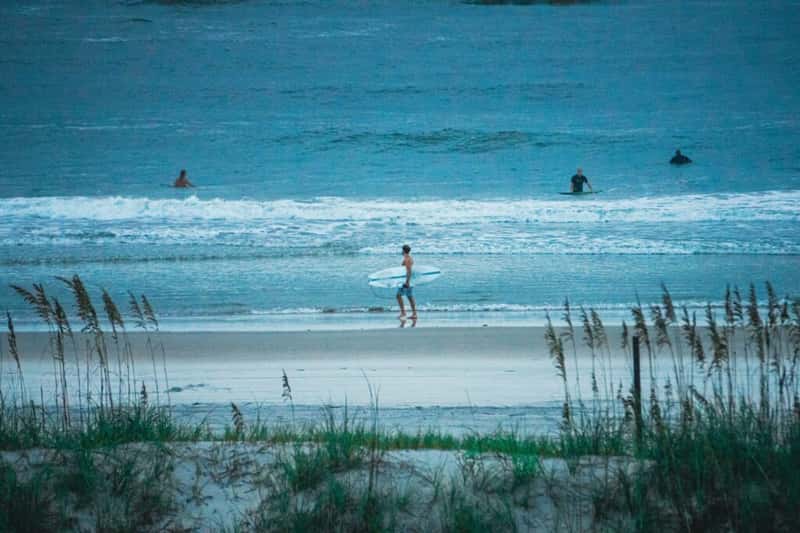
New Smyrna Beach takes the crown as the most dangerous beach on Earth for shark attacks. New Smyrna Beach, Florida, is widely reported to have the highest number of shark attacks on record, making it “the shark bite capital of the world.” There are nine unprovoked shark attacks per year in Volusia County, where New Smyrna Beach is located, according to the International Shark Attack File (ISAF). In fact, Volusia County recorded a surprising 17 shark bites out of Florida’s 28 unprovoked shark bites. The beach’s murky waters and abundance of baitfish create perfect conditions for mistaken identity attacks, with blacktip sharks frequently confusing swimmers and surfers for prey.
Cocoa Beach, Florida – Space Coast’s Deadly Waters
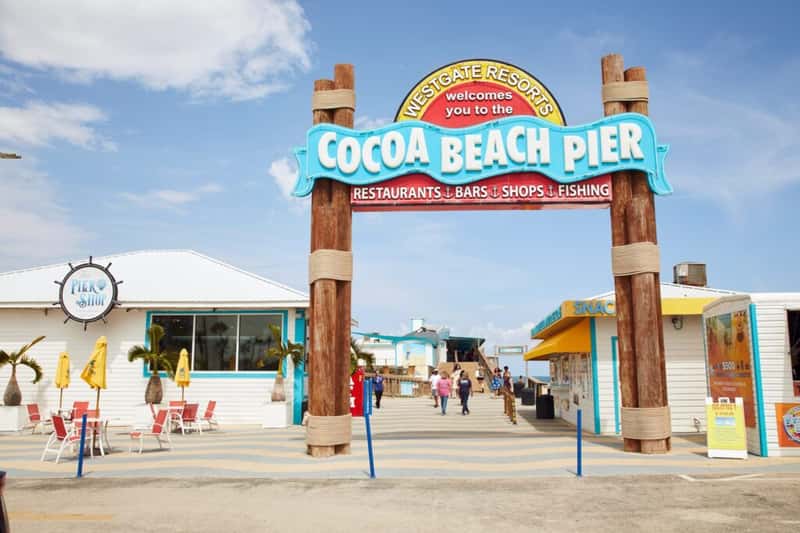
The beach has experienced several fatal shark attacks in recent years. Located on Florida’s eastern coast, where many shark-infested ocean sections meet, this popular surfing destination combines high human activity with significant shark populations. The warm waters and proximity to deep ocean channels make it a hunting ground for various dangerous species, including bull sharks and great whites.
Esperance, Western Australia – A Surfer’s Deadly Paradise

In recent years, the Esperance coastline has become Western Australia’s most lethal hotspot for shark attacks. Unfortunately, four of the five fatal great white attacks that occurred in WA this past decade happened near the waters of Esperance. Esperance had gone more than 100 years without such a death before four people were killed by sharks in just the last eight years. It means Esperance has had four of the last seven deadly shark attacks in Western Australia. This remote coastal town’s pristine beaches hide a deadly secret, with great white sharks patrolling waters that were once considered safe.
Daytona Beach, Florida – Where Speed Meets Teeth
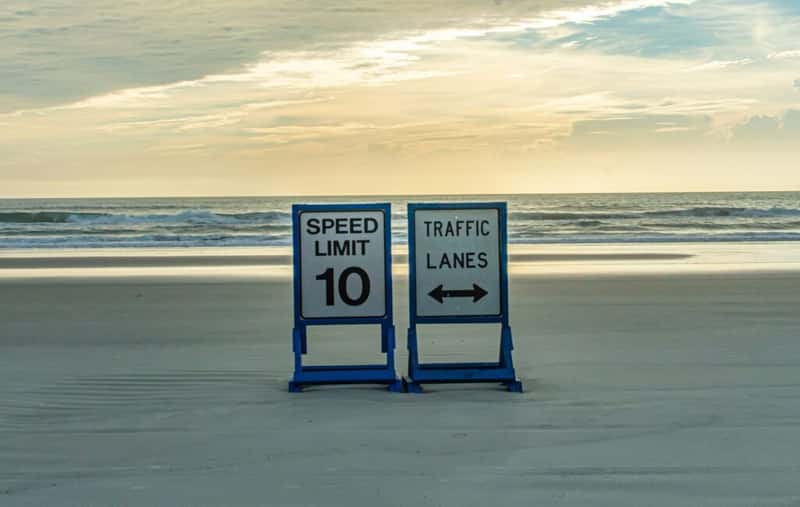
Its neighbor, Daytona Beach, has recorded numerous shark attacks in historical records. Famous for its car culture and the Daytona 500, this beach attracts millions of visitors annually who may be unaware of the lurking danger. Still, Daytona’s car culture isn’t the only draw; its beautiful beaches make it a popular spot for surfers and water lovers, which can attract sharks curious about their activity in the water. The hard-packed sand that once hosted car races now witnesses regular shark encounters, with the beach’s popularity ensuring frequent human-shark interactions.
Byron Bay, Australia – The Pacific’s Predator Hotspot
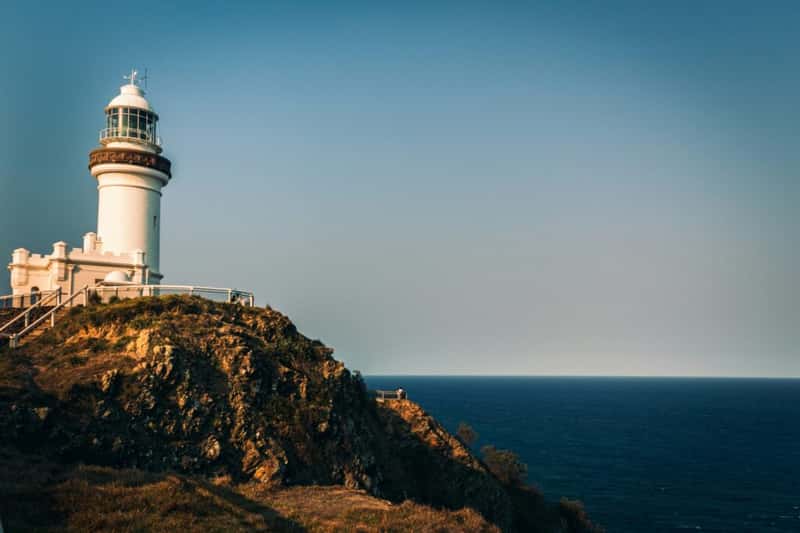
Byron Bay has a history of shark attacks, as the surrounding beaches are considered some of the most dangerous in the New South Wales area. The number of shark attacks in Byron Bay remains rare, but recent incidents have made this area notorious for shark activity. Shark attacks in this area are usually non-fatal, but over the past 30 years, Byron Bay has seen three fatal attacks. This laid-back surfing mecca’s crystal-clear waters hide great white, tiger, grey nurse, and wobbegong sharks that patrol the coastline year-round, with warming water temperatures increasing encounter frequency.
Melbourne Beach, Florida – Space Coast’s Hidden Danger

About 17 miles south of the well-known shark hotspot of Cocoa Beach on Florida’s Space Coast, Melbourne Beach is a pretty, laid-back community in Brevard County with a history of shark sightings, especially in the summer months when sharks migrate through the area. According to the International Shark Attack File (ISAF), the county has recorded around 160 unprovoked shark attacks since 1882, compared to around 350 recorded bites in Volusia County. Despite being less notorious than its neighbors, Melbourne Beach harbors 18 documented shark species, including dangerous great whites and spinner sharks that pose significant threats to unsuspecting beachgoers.
Palm Beach, Florida – Wealthy Waters, Deadly Residents

One of the top hotspots is Palm Beach in Palm Beach County, which has recorded 35 shark attacks since the beginning of historical tracking.
This upscale destination’s warm waters and abundant marine life create ideal conditions for shark activity. The Gulf Stream’s proximity brings nutrient-rich waters that attract baitfish, which in turn draw larger predators, including bull sharks, tiger sharks, and occasional great whites. Even the wealthy can’t buy protection from nature’s most efficient killers.
Myrtle Beach, South Carolina – The Grand Strand’s Grim Reality
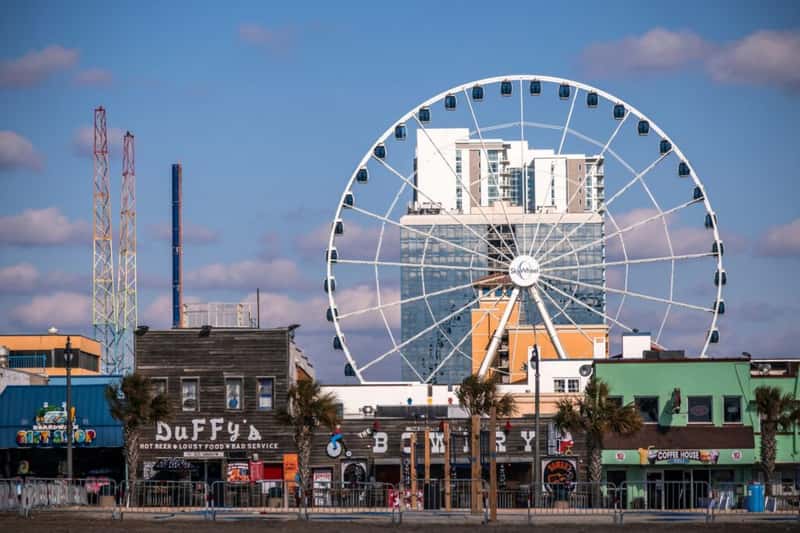
Known as the Grand Strand, this 60-mile stretch of coastline attracts millions of visitors annually to its warm Atlantic waters. The beach’s popularity during summer months coincides with increased shark activity, as warming waters bring various species closer to shore. Tiger sharks and sandbar sharks frequent these waters, with the continental shelf’s proximity creating perfect hunting conditions just beyond the surf zone.
The ocean demands respect, and these beaches serve as stark reminders that we’re visitors in the sharks’ domain. While attacks remain statistically rare, awareness of these dangerous waters can help you make informed decisions about where to swim, surf, or dive. What do you think about visiting these notorious beaches? Tell us in the comments.