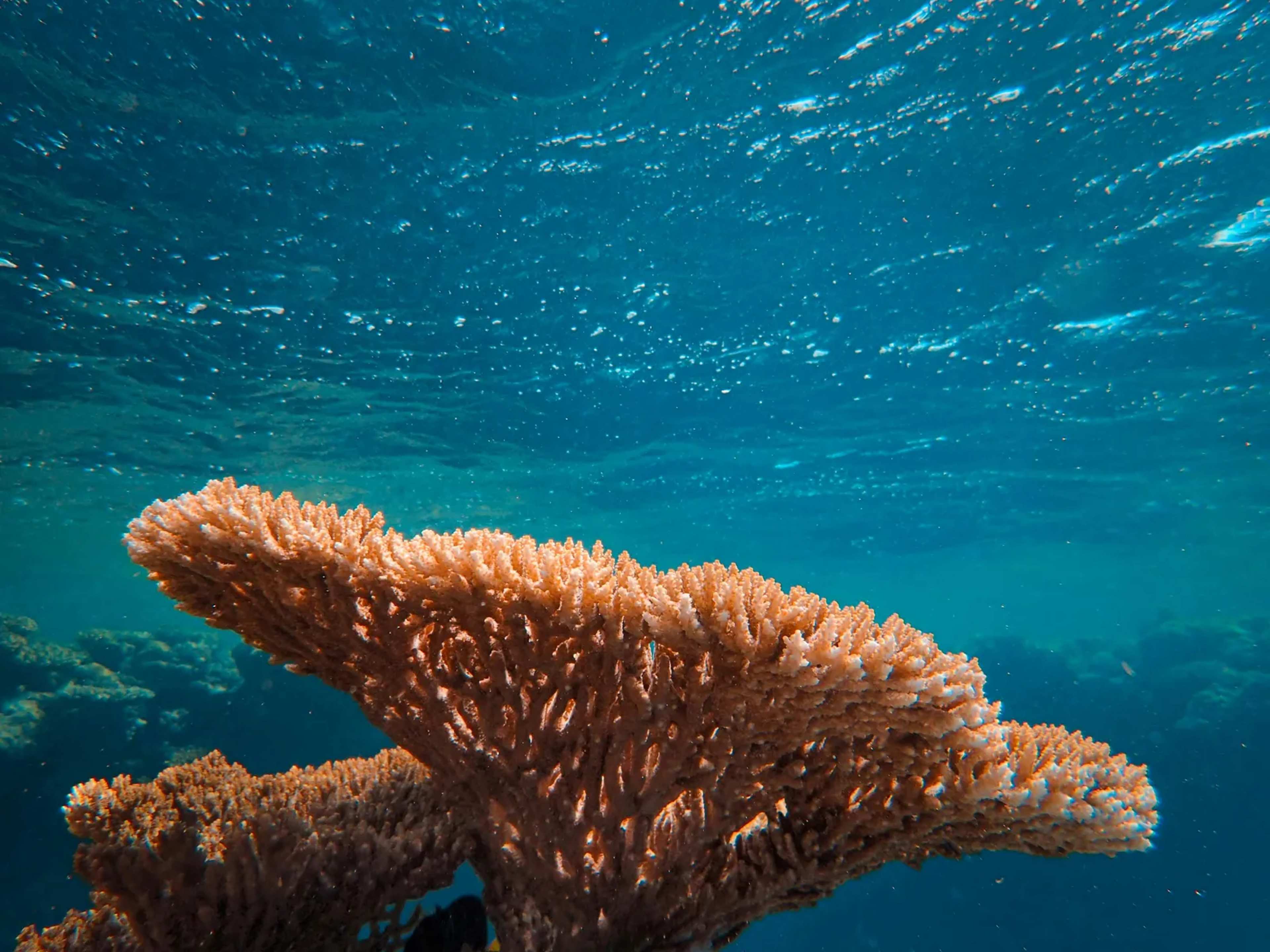
Sharks have an image problem that has little to do with reality. Decades of dramatic headlines and horror films turned an ancient, mostly cautious predator into a monster of the public imagination. Spend even one dive surrounded by reef sharks gliding past in formation, or watch a tiger shark cruise by without a hint of aggression, and that fear tends to melt into something closer to reverence.
The destinations below are not chosen for shock value. They are places where marine biologists, dive operators, and conservationists have spent years building relationships with local shark populations, turning tourism into a tool for protection rather than exploitation. Each one offers a different species, a different kind of encounter, and a different reason to reconsider what these animals actually are.
Beqa Lagoon, Fiji: Eight Species in a Single Dive
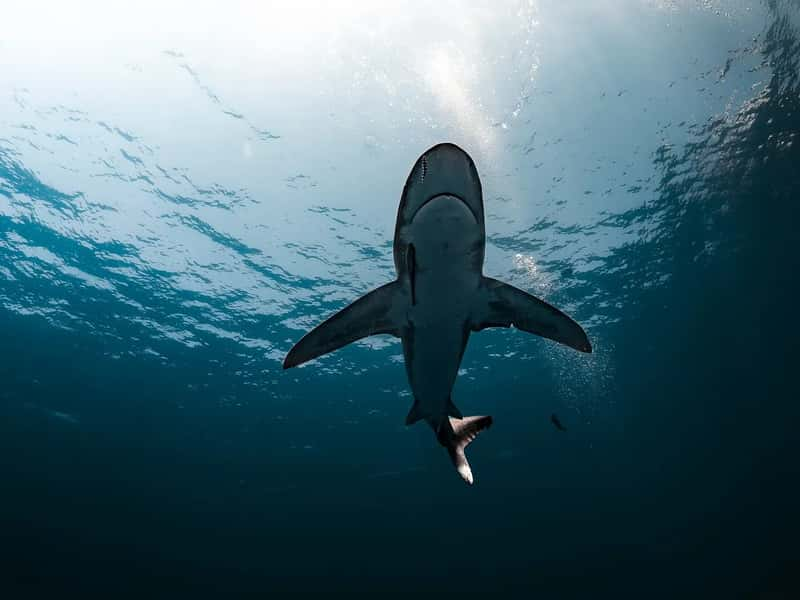
Few places on Earth pack this much shark diversity into one dive site. This lagoon off Fiji’s main island is considered the only place in the world where divers can see bull sharks and lemon sharks alongside six other species in such numbers. The lagoon sits within Fiji’s first national marine park, the Shark Reef Marine Reserve, where divers can encounter tawny nurse sharks, sicklefin lemon sharks, grey reef sharks, whitetip reef sharks, blacktip reef sharks, silvertip sharks, bull sharks, and tigers all in one outing.
What makes Beqa particularly compelling is the resort-level infrastructure built specifically around shark conservation. Operators here offer thrilling encounters with bull sharks, tiger sharks, and reef sharks, alongside colorful reef dives, at what has been recognized as a top dive destination in the world. Guides who grew up around the lagoon treat the sharks less like attractions and more like neighbors, a mindset that shapes the entire experience for visiting divers.
Tiger Beach, Bahamas: A Sanctuary Without Bars
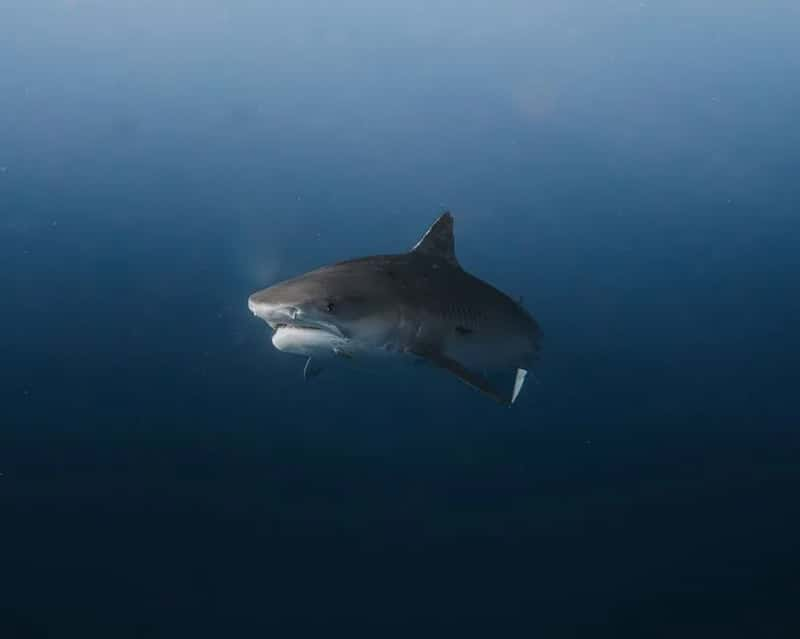
Tiger Beach earned its name from the shallow, sandy seafloor near Grand Bahama Island, but it is the sharks that made it famous among underwater photographers worldwide. Based on Grand Bahama Island from October through June, this site is home to some of the most reliable big shark encounters anywhere in the world. On a good day, divers might count five to seven tiger sharks, around fifteen lemon sharks, more than twenty reef sharks, a handful of nurse sharks, and the occasional bull shark.
Part of what makes this site so ecologically rich comes down to national policy rather than luck. Because the Bahamas declared all of its waters a shark sanctuary, Tiger Beach boasts a healthy, balanced marine ecosystem where coral reefs stay colorful and apex predators thrive undisturbed. Watching a sixteen-foot tiger shark drift calmly past a kneeling line of divers tends to dismantle whatever Hollywood version of the species a visitor arrived with.
The Galápagos Islands: A Hammerhead Highway
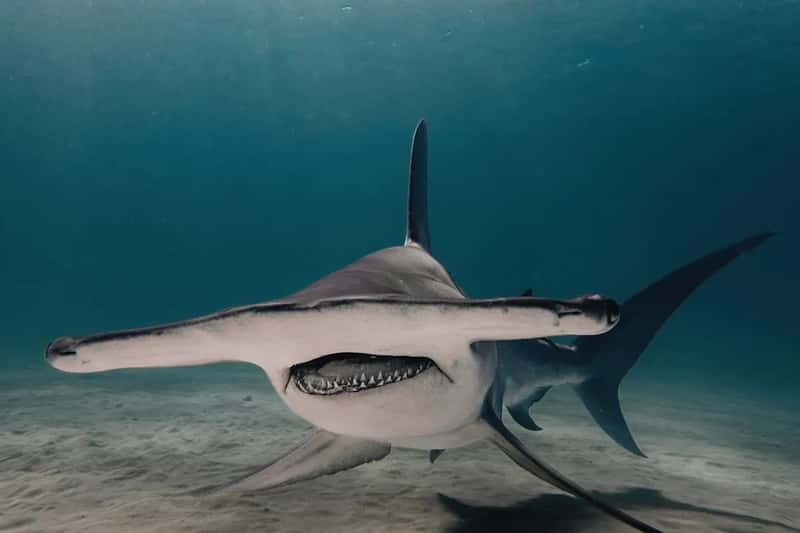
Roughly a thousand kilometers off Ecuador’s coast, the Galápagos Islands owe their shark abundance to a collision of ocean currents that keeps the water nutrient-rich year-round. Sitting where the warm currents of the Eastern Central Pacific converge, the islands make an ideal environment for sharks of many kinds. Along these coasts, divers regularly encounter scalloped hammerheads, Galapagos sharks, whitetip reef sharks, and blacktip and grey reef sharks moving through the same stretch of water.
The northern dive sites of Darwin and Wolf, both accessible mainly by liveaboard, are where the hammerhead schools become genuinely overwhelming. Divers hang in blue water as dozens of scalloped hammerheads pass in loose formation, a sight that has made this remote outpost one of the most requested liveaboard destinations for underwater photographers. It is a reminder that sharks, left largely undisturbed by industrial fishing pressure, gather in numbers that feel almost prehistoric.
Malapascua Island, Philippines: Daily Dates With Threshers
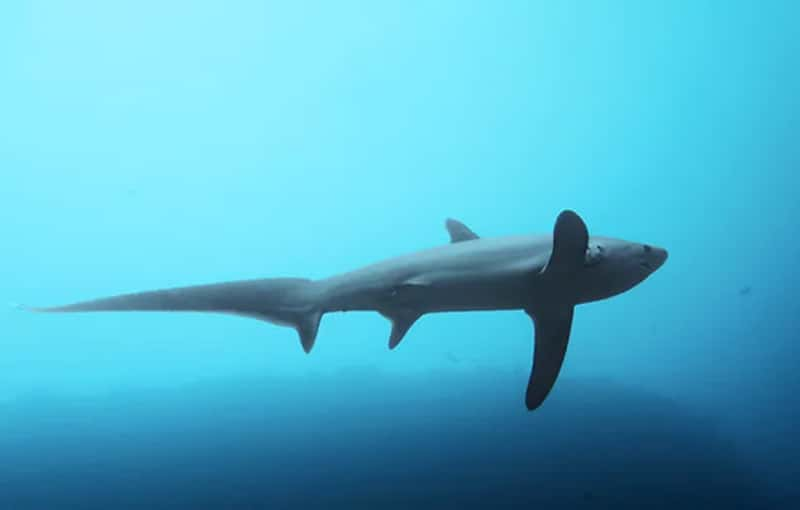
Most divers travel the world hoping for a lucky thresher shark sighting. In Malapascua, the odds are dramatically better than luck. Pelagic thresher sharks visit cleaning stations at Kimud Shoal, a sunken island sitting between twelve and twenty-five metres deep, virtually every morning between sunrise and nine o’clock, with sighting rates consistently running above ninety percent.
This reliability is precisely what sets the island apart from every other thresher shark location on the planet. Malapascua is widely regarded as the leader for thresher sharks, offering daily encounters at around twelve metres depth throughout the year. Watching a thresher’s elongated tail whip through the water as it stuns baitfish is a spectacle unlike anything else in shark diving, and the early wake-up call required to catch the morning cleaning window is a small price to pay for it.
South Africa’s Shark Coast: Gansbaai, False Bay, and Beyond
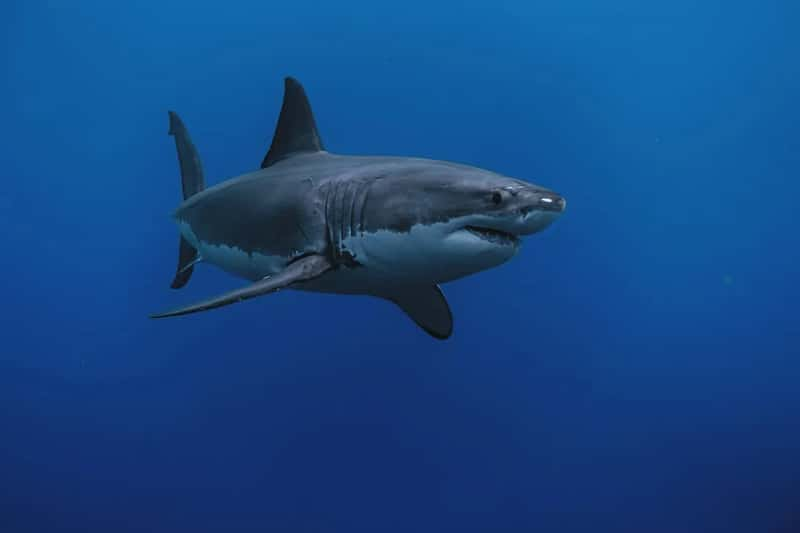
South Africa’s coastline has quietly become the world’s most important stage for great white shark encounters, especially since Mexico shut its own famous site. Guadalupe Island has been permanently closed to tourism since January 2023, after the Mexican government decided to halt all shark-related activities there to reduce human impact on great white sharks and their habitat. That closure pushed serious shark travelers toward the Western Cape, where the country’s roughly 111 shark species make destinations like Gansbaai and Seal Island a genuine hotspot for 2026 travelers.
The variety extends well beyond great whites. In Mossel Bay, sevengill and blue sharks thrive in temperate waters at depths of ten to twenty metres. Further along the coast, ragged-tooth sharks gather to mate in Algoa Bay’s Eastern Cape waters, generally between October and March. Meanwhile False Bay near Cape Town remains one of the country’s true shark hotspots, giving visitors the rare chance to see several distinct species without ever leaving one region.
Ningaloo Reef, Australia: Swimming With the Ocean’s Biggest Fish
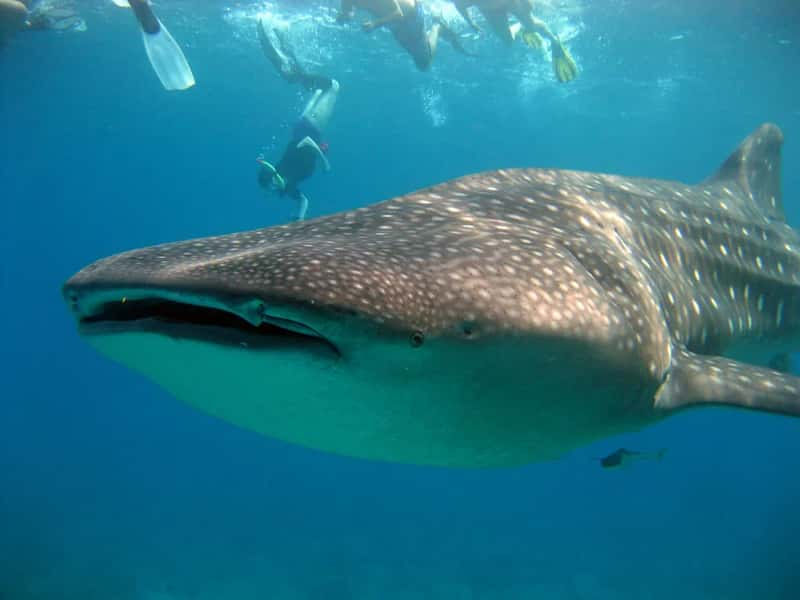
Not every unforgettable shark encounter involves teeth-first drama. Ningaloo Reef in Western Australia offers something gentler but no less awe-inspiring: whale sharks, harmless filter feeders that can grow up to eighteen metres long, migrate to Ningaloo Reef every year between March and August to feed on plankton and krill. The official 2026 season runs from March 1st through July 31st, giving travelers a fairly wide window to plan around.
The scale of interest in this experience has grown remarkably in recent years. In 2025 alone, a record-breaking 41,000 whale shark swims took place at Ningaloo, with even higher numbers expected in the following year. Floating beside a creature many times your size, moving with almost no effort while you kick furiously to keep pace, has a way of resetting any preconceived notion of sharks as something to fear rather than something to protect.
Fakarava, French Polynesia: The Wall of Sharks
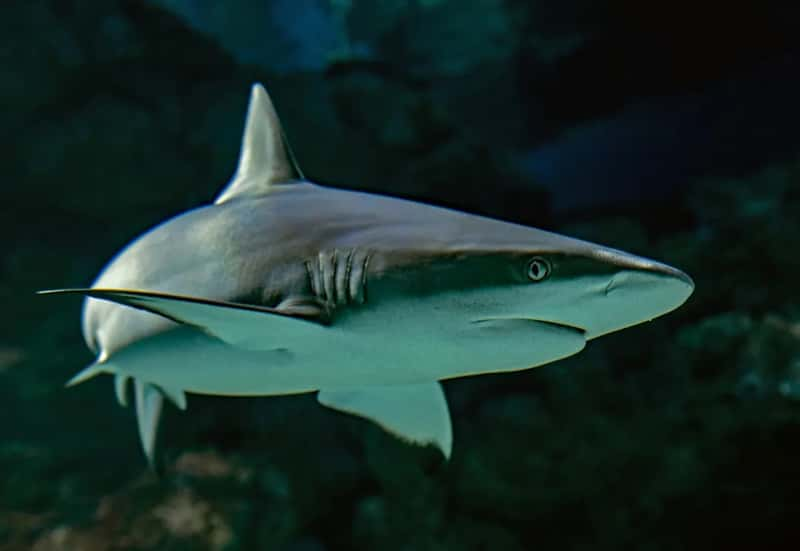
French Polynesia has long positioned itself as a shark stronghold, having declared its entire exclusive economic zone a shark sanctuary years ago. Fakarava’s South Pass, part of a UNESCO biosphere reserve, is famous among divers for its dense congregations of grey reef sharks that gather in the current-swept channel, especially around the grouper spawning season in the cooler months.
Drifting through the pass, divers often describe the sensation of hundreds of sharks moving in loose, layered formations along the reef wall, a scene that has become one of the most photographed shark spectacles in the diving world. Because fishing pressure in the surrounding waters has stayed low compared to much of the Pacific, the sharks here behave with a kind of unbothered confidence that is rare to witness elsewhere. It is one of the clearest examples of what a healthy shark population, left mostly alone, actually looks like.
Rethinking the Ocean’s Most Misunderstood Predator
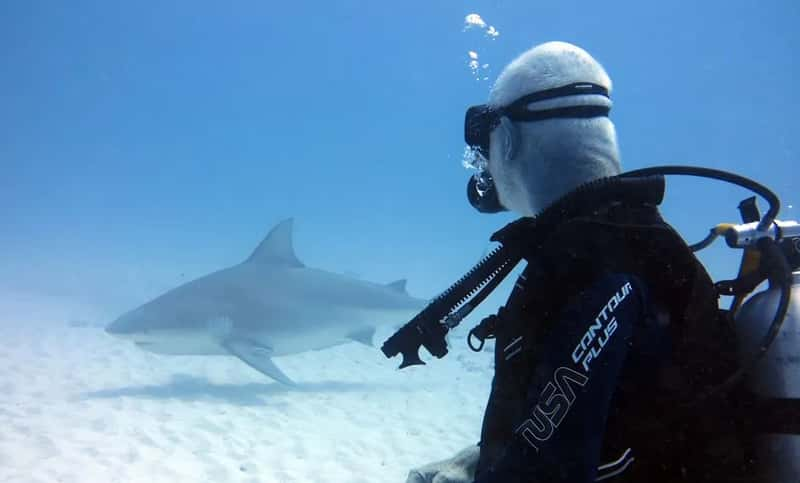
Taken together, these destinations tell a consistent story. Wherever sharks are protected rather than persecuted, whether through national sanctuary status in the Bahamas and French Polynesia, marine reserves in Fiji, or shifting conservation policy in Mexico and South Africa, their numbers and their behavior around humans tend to normalize. Divers who visit these places rarely come back with stories of aggression. They come back with stories of curiosity, indifference, and occasionally something close to wonder.
None of this erases the fact that sharks are wild predators deserving respect and caution. Still, spending time in the water with them, guided by people who understand these animals far better than any headline ever could, remains one of the most effective ways to trade fear for genuine appreciation. The ocean is better with them in it, and these waters prove exactly why.