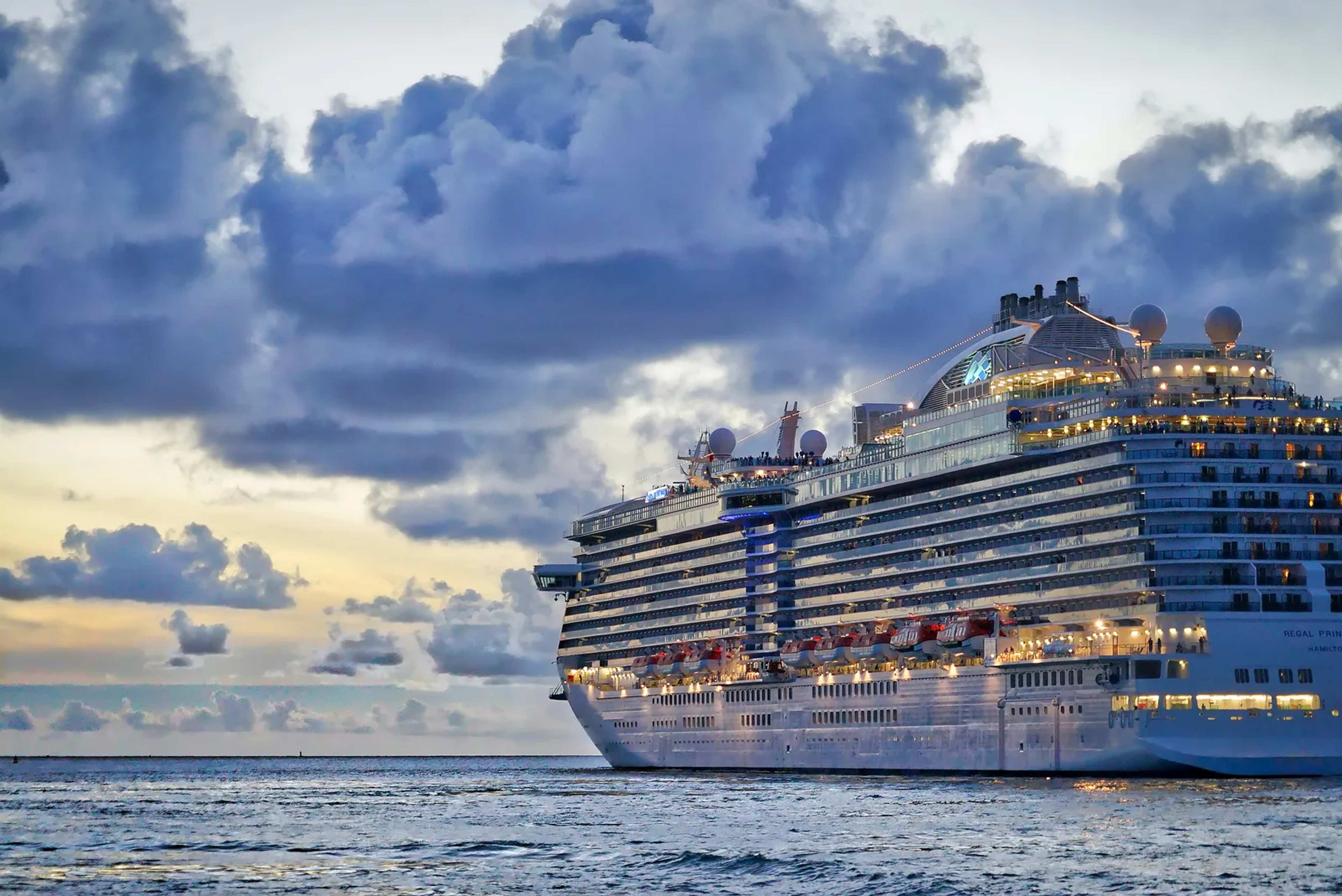
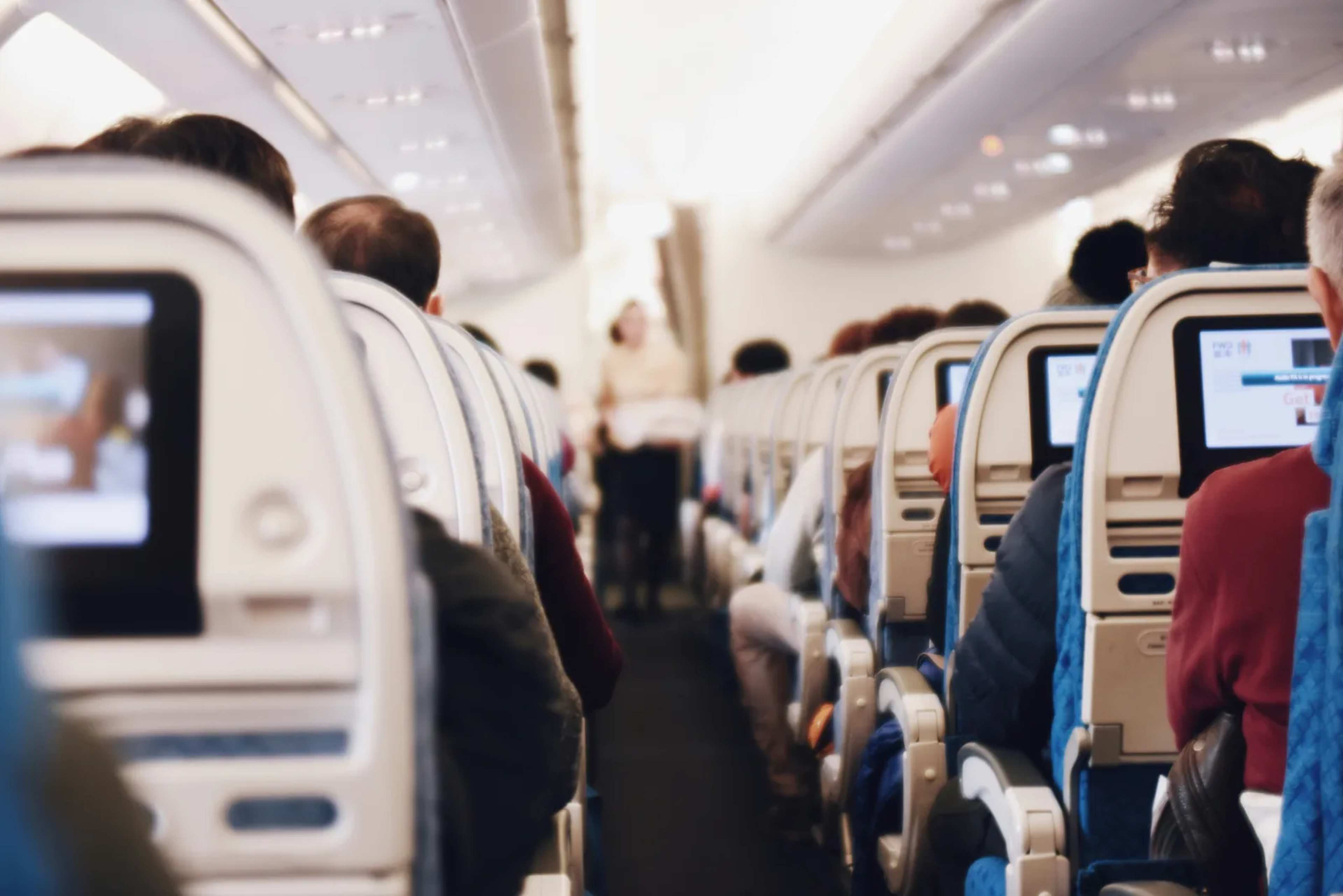
What does it actually cost to travel comfortably in 2026? Not extravagantly. Not in a penthouse suite with a butler. Just comfortably. A decent room, a few real meals out, maybe a flight that doesn’t leave you in a middle seat between two strangers for six hours. The answer, backed by real data from some of the most recent surveys and price indexes available, is significantly higher than most Americans expect. And for a lot of people, that number is quietly rewriting what a “normal” vacation even means anymore.
The gap between what people want from travel and what they can actually afford has never felt wider. Surveys from late 2024 through early 2026 paint a picture that is both fascinating and, honestly, a little alarming. So let’s get into it.
The New Benchmark: What “Comfortable” Actually Costs in 2026

Let’s start with the hard number, because it sets the tone for everything else. The average cost of a vacation is projected to be $7,249 in 2026, according to travel insurance provider SquareMouth – an 11% increase from 2024 and more than double the average vacation cost in 2022. That figure alone should make you pause. Think about that for a second: the cost of a standard vacation has more than doubled in just three years.
The average daily cost of a vacation in the United States sits at $325, based on a mid-range budget trip, according to BudgetYourTrip.com. A trip on a lower budget costs around $121 per day, while a luxury trip costs $925 per day. The mid-range tier, the one most people think of as “comfortable,” is increasingly out of reach for a huge portion of the American population.
For a one-week trip in the United States for two people, the average cost of a vacation comes in at $4,536, according to Budget Your Trip. Stretch that to an international trip, and the numbers get even harder to digest. The average cost of an international vacation in 2026 is estimated to be $9,922, up roughly $1,000 from 2024 and $4,000 from 2022.
Travel Costs Are Rising Faster Than You Think
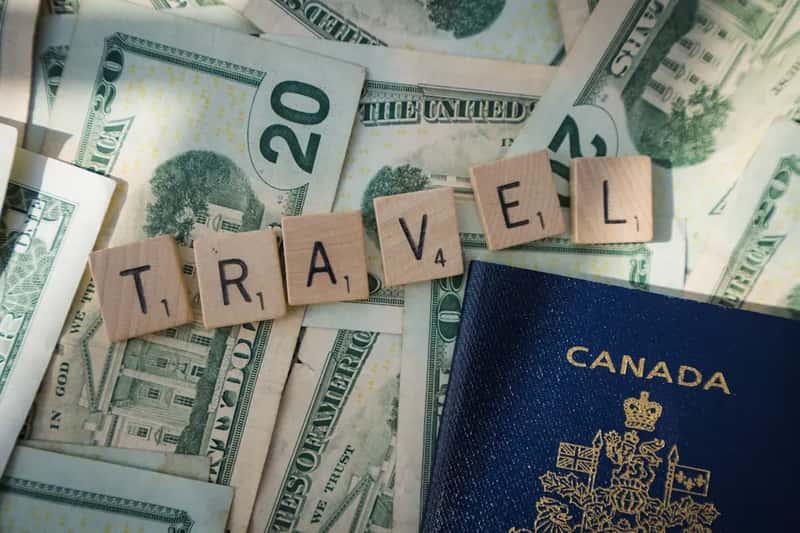
Here is the thing about travel inflation: it doesn’t hit you all at once. It creeps. Average U.S. travel costs are 3% higher compared to this time in 2025, according to NerdWallet’s Travel Price Index, which combines data from individual travel categories tracked by the Bureau of Labor Statistics. Airfare costs are up 7.1% over the past year, while the cost of eating out and entertainment are up 3.9% and 5.5%, respectively.
The cost of gas, lodging, and recreation have all risen sharply since the pandemic. Airfares climbed more slowly, but the cost of food and beverages in restaurants soared by over 30%. Travel experts say that is only part of the story, as rising costs for housing, groceries, and power leave less discretionary income.
Hotel pricing has been among the most pronounced shifts, with average U.S. daily hotel rates increasing from approximately $103 in 2020 to $162 in 2026, a rise of nearly 58% over five years. That is not a rounding error. That is a category that fundamentally reset itself at a higher price point, and most Americans have not mentally adjusted to that reality yet.
What Americans Are Actually Budgeting – And the Widening Gap

So what are Americans planning to spend? The numbers vary wildly depending on the survey, which tells its own story about financial fragmentation across the country. The average American plans to spend $5,915 on travel in 2026 – a 31% increase from the $4,532 the average American spent on travel in 2024. That sounds optimistic.
On average, Americans expect to spend approximately $10,600 on trips and vacations in 2026. Nearly half of Americans say the increased cost of living, the overall state of the economy, and tariffs are impacting their 2026 travel plans. There is a strange contradiction at play here: people are budgeting more, while also feeling more financially squeezed.
Among the generations, Boomers have the highest travel budgets at an average of $7,318, while Gen Z has the lowest at $3,734, followed by Millennials at $4,768 and Gen X at $5,892. The generational divide is striking. Younger Americans want to travel just as much, often more, but are doing so with significantly thinner wallets.
The Airfare Paradox: Cheaper Tickets, But Higher Total Bills
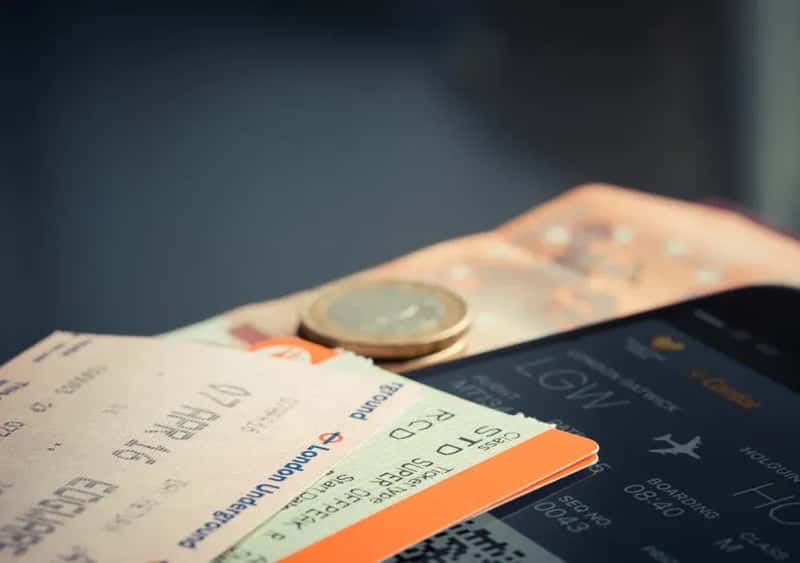
Here is one of the more surprising facts in all of travel economics right now, and it genuinely caught me off guard. Airfare today is dramatically cheaper than it was 10, 15, or 20 years ago. In fact, adjusted for inflation, June 2025 was the second-cheapest month for airfare on record. Yes, ever.
The average domestic flight cost $397 in 2025, up just $7 from 2024, according to the Bureau of Transportation Statistics. International airfare is much more expensive, with the average economy ticket costing $1,217. So flights, relatively speaking, are not the villain here.
In a sense, the lower prices for airfare and accommodations are mitigated by the rising cost of actually being somewhere. Dining, local transportation, entertainment, entry fees, and surprise surcharges once you land are what really blow up a travel budget. The plane ticket is just the beginning.
The Debt Spiral: How Americans Are Actually Paying for Vacation

This is the part of the story that should genuinely concern people. Only 46% of U.S. adults are planning to travel this summer, and many of those not planning to do so cite affordability as the factor keeping them at home (65%), according to Bankrate’s 2025 Summer Travel Survey. That is almost two in three non-travelers saying the same thing: they simply cannot afford it.
Some Americans, about one in four, have gone into debt to fund vacations or holiday travel, and others, roughly one in eight, have dipped into their retirement savings to pay for trips. Retirement savings. For a vacation. That is a number that deserves to sit with you for a moment.
Roughly 29% of Americans plan to borrow for travel, averaging $2,849 per household. More than a quarter of those who borrow need over a year to repay the vacation debt. The travel affordability crisis forces families to finance what was once a standard middle-class benefit. Travel used to be an expectation for the middle class. Now it is, for many, a debt-funded aspiration.
The High Earners Are Not Immune Either
You might think that Americans earning six figures are comfortably above all this. Honestly, the data says otherwise. One in five survey respondents earning over $100,000 say they are worse off financially than a year ago, a sharp increase from 13% in 2024. Among this group, 80% say they plan to make adjustments to travel more cheaply.
Despite their income levels, financial sentiment outweighs raw spending power, with high earners leading reductions in both trip length and budgets. That is a remarkable shift. High-income travelers, the ones the entire hospitality industry depends on for premium spending, are pulling back.
Underlying the tighter travel budgets is a more muted money mood: nearly one in three Americans say their financial situation is worse compared to a year ago, up from one in four in 2024. High-income Americans are leading that shift, with 19% of those earning $100,000 or more feeling worse off, compared to 13% in 2024. When even the high earners are cutting back, the ripple effects across the entire travel industry are real.
Generational Fault Lines in Travel Spending
The generational gap in travel spending is not just about money. It is about values, priorities, and what “a good trip” even means. Although every generation plans to spend more on vacations in 2026, the generational divide is striking. Gen Z expects to spend 23% more, or an average of $5,553, on travel this year, but Baby Boomers are going really big and plan to spend an eye-popping $12,462, a 52% increase over 2024.
For the first time, Gen Z and Millennials are expected to make up half of all U.S. holiday travelers, marking a generational turning point in travel demand. These generations are increasingly shaping not only how much Americans travel but also how they plan and book their trips. More than half of Gen Z respondents use short-form social video for travel inspiration, and AI adoption for trip planning has jumped significantly.
Of Americans who put 2024 summer travel expenses on a credit card, 30% still had not paid off their balances. This is especially high for the youngest adults, with nearly half of Gen Z summer travelers who paid with credit cards still carrying debt from last year’s trips. That pattern is not sustainable. Paying for last year’s vacation while planning this year’s trip is a cycle that leads somewhere difficult.
Hidden Costs That Silently Destroy Your Budget

Even the most carefully planned travel budget has a way of getting away from you. The hidden costs of travel have grown into a serious financial category of their own. Tourist fees are quietly becoming a real line item in travel budgets, and many travelers do not see them coming. Venice expanded its day-tripper access fee to between €5 and €10, and Rome began charging a €2 fee in February 2026 for close access to the Trevi Fountain area, while Bali introduced a tourism levy for international visitors.
From the start of 2026, non-European tourists must pay €30 to visit Paris’s Louvre Museum, with similar increases expected at the Palace of Versailles, the Arc de Triomphe, and the Opéra Garnier. If you are planning a classic European cultural itinerary, factor in a significant chunk of your activities budget just for entry fees alone.
Demand spikes, reduced airline capacity, dynamic pricing, ancillary fees, increased lodging tax, and local surcharges have caused an increase in the price of airfare, lodging, ground transportation, and guided tours. These are not one-time costs. They are structural. They are baked into the system now.
How Travelers Are Adapting – And What “Smart” Travel Looks Like Now

People are not simply giving up. They are getting creative, strategic, and sometimes a little scrappy about it. When Americans do travel, the vast majority, roughly 82%, make use of cost-saving strategies like picking budget-friendly destinations, opting for free activities and attractions, or staying in less expensive lodging like hostels or shared homes.
Inflation is forcing a lot of travelers to scale back their plans. People are traveling more by car and doing more road trips as an attempt to save costs on transportation. They are choosing nearby destinations, meaning they are not going overseas. They are more likely to travel domestically, and they will cut short the length of their trips.
Nearly two in three Americans plan to use travel reward points to help cover travel costs. Loyalty programs, credit card miles, and off-peak bookings have become less of a bonus strategy and more of a financial necessity. Roughly two-thirds of Americans say their travel budget for 2026 is greater than in 2025. So while people are spending more, they are also increasingly worried about it. As recession fears continue to loom entering 2026, cost is the top concern for most Americans, with nearly three-quarters listing it as their number one travel worry for the second year running.
Conclusion: The Real Price of a Comfortable Trip Has Changed Forever

Here is the honest takeaway: comfortable travel today is not what it was in 2019. It is not even what it was in 2022. The numbers have moved, the costs have reset, and the definition of “affordable” has been quietly rewritten without most people getting the memo.
What middle-class families once considered normal getaways now require upper-class incomes. That is a sobering sentence, and it is backed by the data. The threshold for comfortable travel in the United States today sits somewhere between $5,000 and $10,000 per person annually, depending on which study you read and what “comfortable” means to you specifically.
The gap between travel aspiration and travel reality is wider than it has ever been in recent memory. The question is not whether you want to travel, because almost everyone does. The real question is whether the current financial system, with stagnant wages, rising costs, and record credit card debt, will let you do it without paying for it long after you have returned home. What would you sacrifice to travel comfortably? Tell us in the comments.