Somewhere on the northern coast of the island of Borneo, wedged between two Malaysian states, sits a small sultanate where nobody has ever filed an income tax return. There’s no April deadline, no payroll withholding, no line on a receipt marked “VAT.” For a country of under half a million people, that alone would be a curiosity. What makes it genuinely rare is how the government still manages to pay for free universities, free hospitals, and subsidized housing without ever asking citizens for a cut of their paychecks.
That country is Brunei Darussalam, and the story of how it pulls this off says a lot about oil, timing, and the risks of building a nation’s future on a resource that eventually runs out.
A paycheck that stays whole
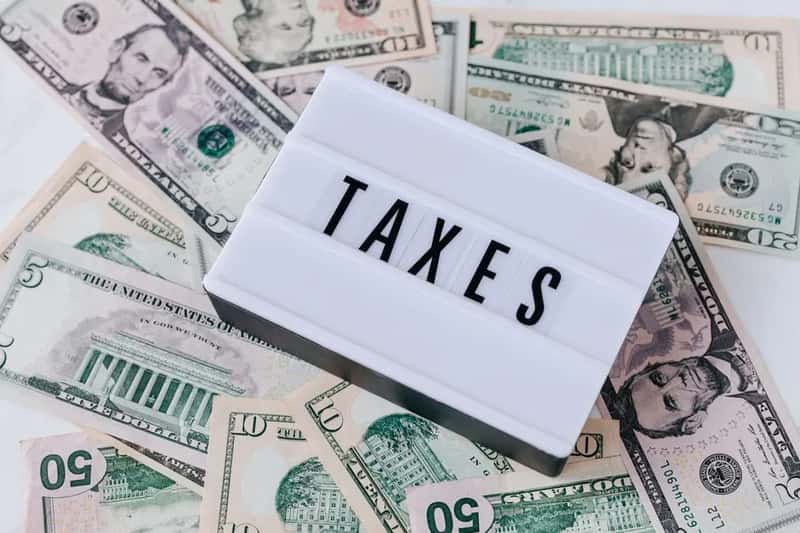
Bruneians take home their entire salary. There is no personal income tax on wages, investment income, or capital gains, and this applies to every resident regardless of nationality. The country imposes no personal income tax on residents or non-residents alike, no capital gains tax, no inheritance tax, and no wealth tax.[1]
It doesn’t stop there. Beyond the absence of personal income tax, Bruneian citizens are also exempt from sales tax, value-added tax, and capital gains tax.[2] Even the small print that trips up expats in other zero-tax countries, mandatory social security deductions, doesn’t apply here in the same way most systems expect.
Oil and gas built the whole system
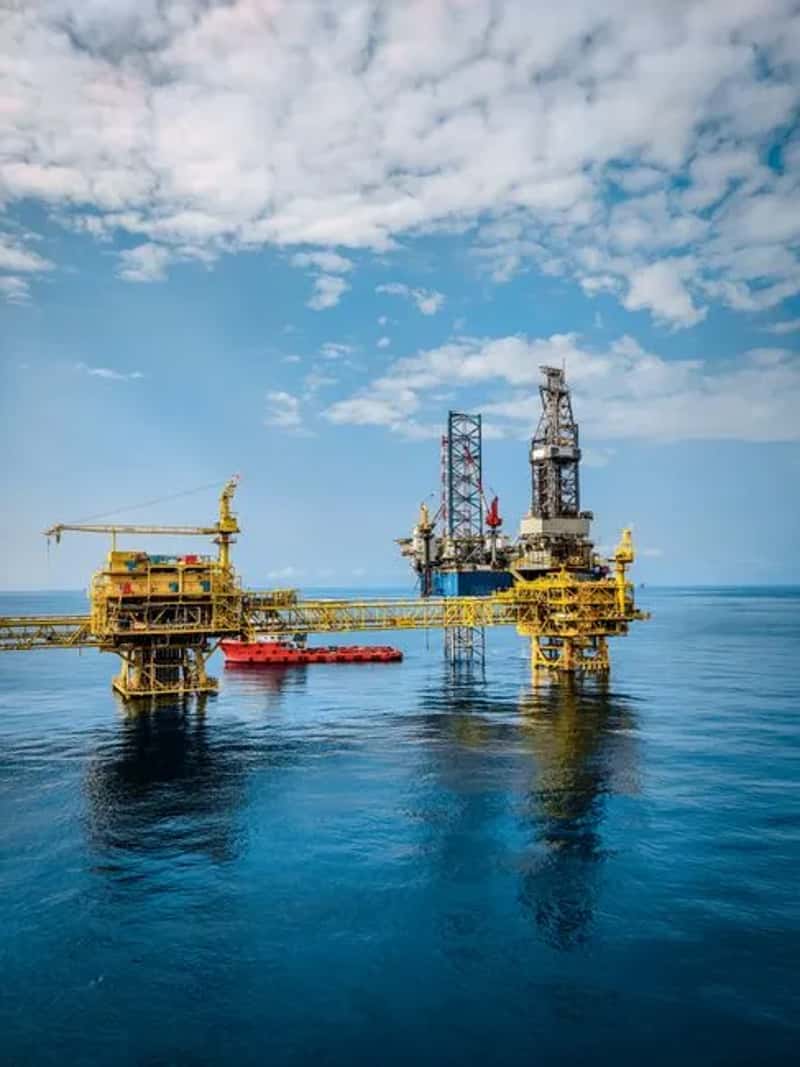
None of this happens by accident or generosity. Brunei can sustain this approach thanks to its substantial hydrocarbon wealth, which forms the foundation of the national economy and contributes approximately 60 percent of GDP.[1] The sultanate has been pumping crude and liquefied natural gas for close to a century, long enough for petroleum money to become the default answer to almost every fiscal question the government faces.
The scale of that dependence is hard to overstate. Brunei relies heavily on its oil and gas sector, which accounts for about 75% of government revenue and roughly half of GDP.[3] When crude prices are healthy, the treasury barely notices the absence of income tax. When they slip, the cracks start to show.
A sovereign wealth fund most people have never heard of
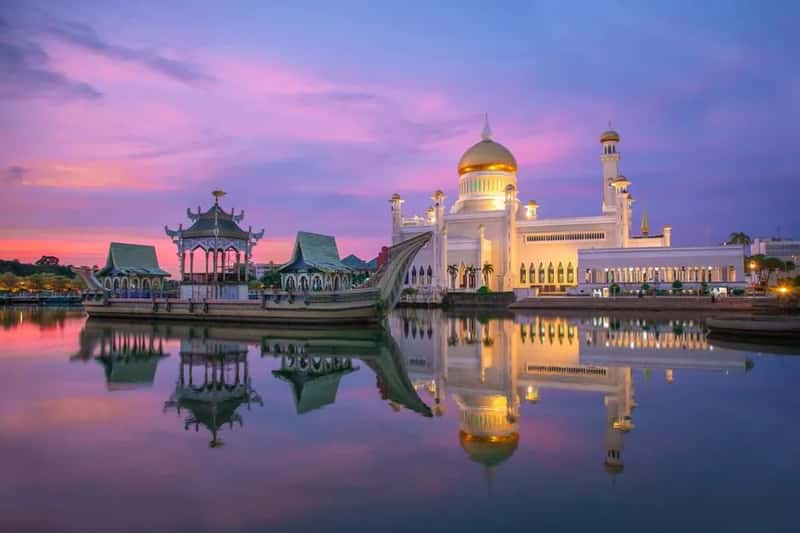
Behind the scenes sits the Brunei Investment Agency, a sovereign wealth fund created in 1983 to take the country’s oil windfall and turn it into something that outlasts the oil itself. The BIA is one of the most secretive investment entities globally, reporting directly to the Ministry of Finance and Economy.[4] Estimates put its holdings at an estimated US$78 billion in assets as of 2025/26[4], though nobody outside the agency knows the real figure with confidence.
Per person, that’s an extraordinary amount of national savings. With only about 450,000 citizens, Brunei’s per-capita sovereign wealth is among the highest on earth, a small fund by global league-table standards but an enormous one measured against the size of the economy it backs.[5] The fund invests globally in equities, real estate, and private markets, quietly generating returns that help cushion the budget when oil revenue dips.
What citizens get instead of a tax bill
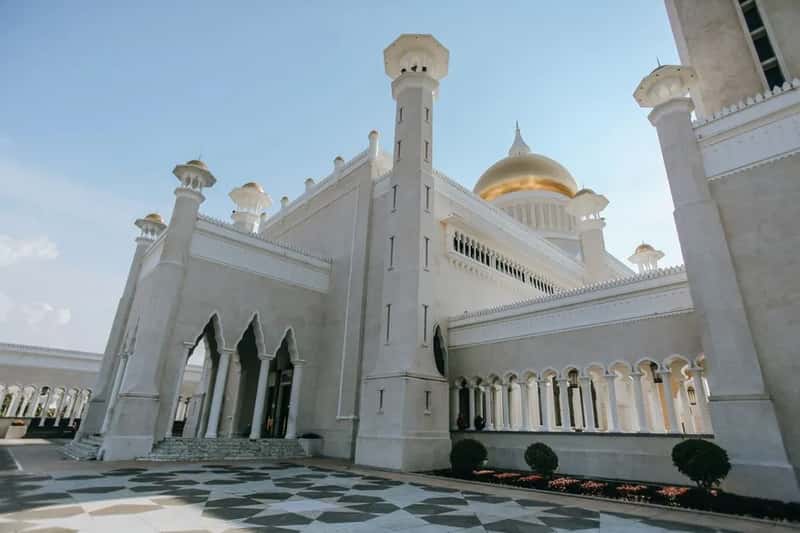
The absence of taxation isn’t just about keeping more of your salary. It comes bundled with a broad welfare package that would look unusual almost anywhere else. Citizens pay no taxes and receive free education through the university level, free medical care, and subsidized housing.[6]
Housing support runs through a formal national scheme rather than ad hoc handouts. Housing support is delivered through the National Housing Scheme, under which the government offers homes through highly affordable rent-to-own arrangements, often supported by state-subsidized payment schemes.[2] The logic is straightforward: instead of collecting revenue and redistributing it through public services funded by taxes, the state skips the collection step entirely and simply provides the services directly from oil income.
Businesses still pay, even if people don’t
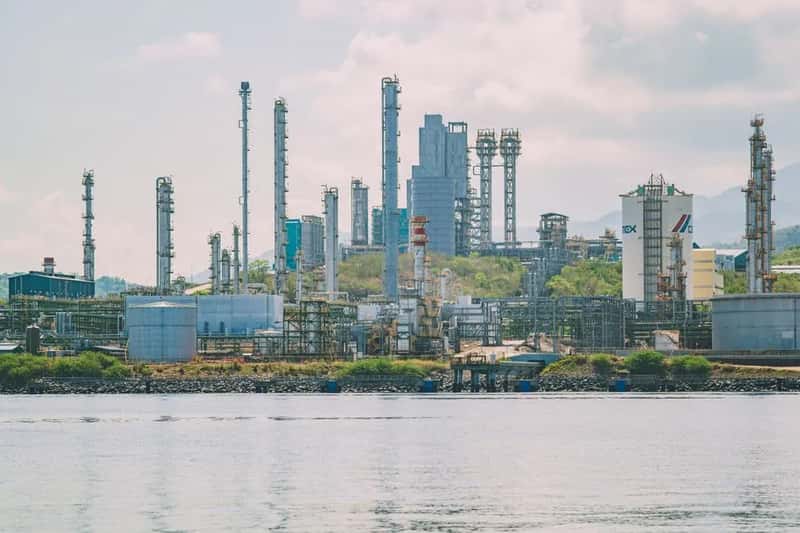
It would be inaccurate to say Brunei has zero taxation across the board. Companies operating there face a real, if modest, corporate tax bill. Brunei does not impose personal income tax, capital gains tax, or VAT, but corporate income tax is levied at 18.5%, primarily affecting oil and gas companies and larger businesses.[7]
Energy firms in particular carry a heavier load than everyone else. Petroleum income tax at 55% applies to petroleum operations of oil and gas companies.[8] That steep rate on the hydrocarbon sector, paired with a comparatively gentle 18.5 percent standard corporate rate, effectively means the oil industry subsidizes the tax-free life of ordinary residents rather than the other way around.
Small population, outsized advantage
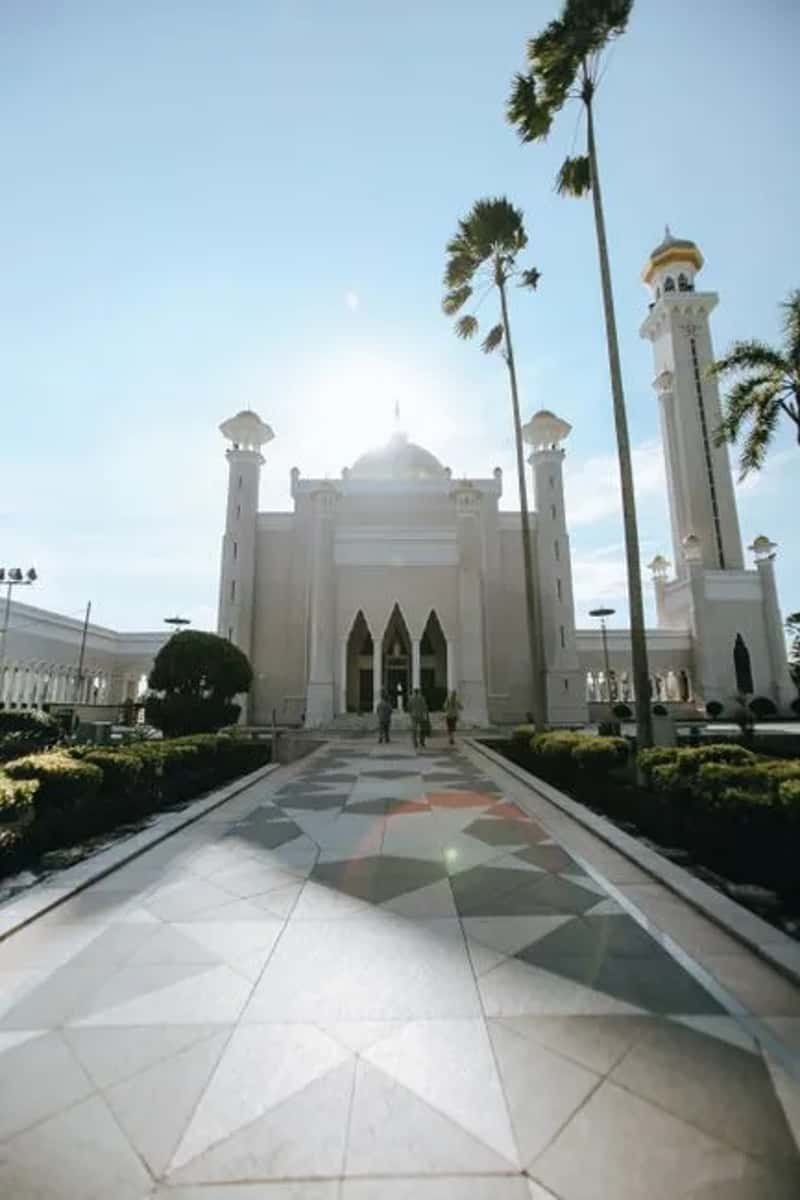
Brunei’s model only works at its current scale. With a population of 458,949 as of 2023[9], the country has roughly the same number of residents as a mid-sized city, yet it sits on hydrocarbon reserves that would need to stretch much further in a larger nation. Dividing oil wealth among so few people is precisely what makes the zero-tax, high-benefits arrangement mathematically possible.
Compare that to a country of tens of millions trying the same trick, and the numbers collapse almost immediately. Brunei’s economic model is less a universal blueprint and more a demonstration of what happens when a resource-rich country stays small on purpose, limiting who benefits so the benefits can stay generous.
The budget deficit nobody talks about
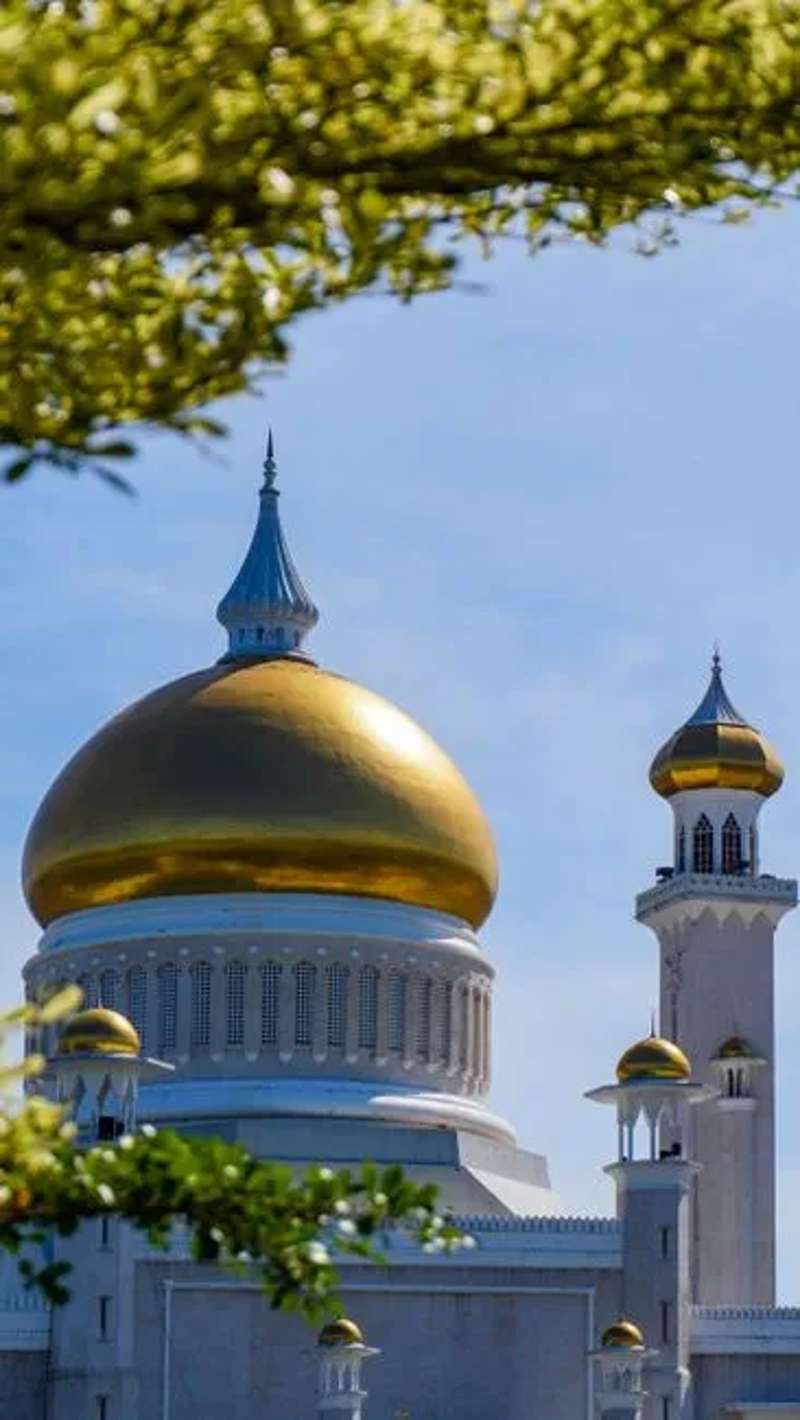
For all the talk of oil wealth, Brunei’s public finances have not been comfortably in the black for decades. Since 1986 petroleum revenues have decreased while government spending has increased, and the government has been running a budget deficit since 1988.[9] That’s a deficit stretching back nearly forty years, patched over by savings rather than eliminated.
Recent years have not reversed the trend. Brunei faces growing challenges in economic diversification amid the global energy transition, and the IMF and international credit rating agencies have begun advising the country to broaden its tax base to reduce dependence on volatile commodity prices.[2] In practice, the sovereign wealth fund has been quietly absorbing the shortfall for years, a strategy that works only as long as the fund keeps growing faster than the gap it’s covering.
Vision 2035 and the search for a plan B
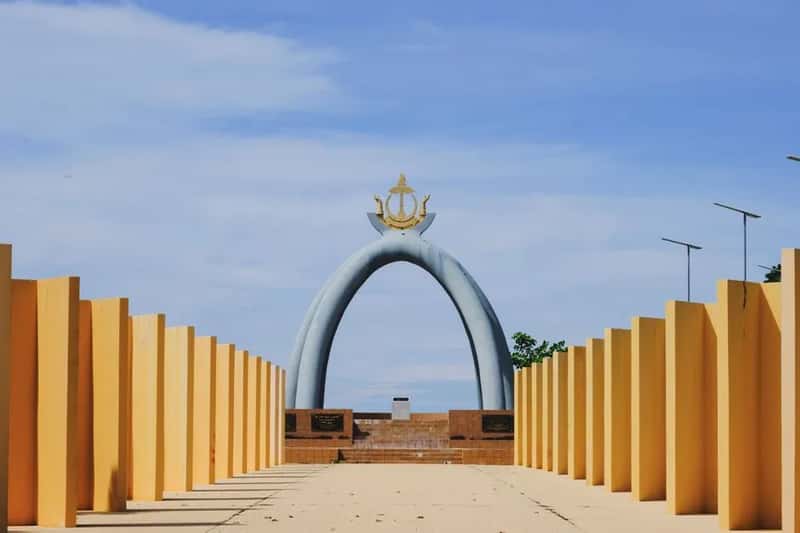
Brunei’s leadership is not oblivious to the risk of leaning on a single resource forever. Budget deficits recorded in recent years have accelerated the implementation of Brunei Vision 2035, a long-term national strategy aimed at building a more self-reliant private sector and developing non-oil and gas industries such as tourism, Islamic finance, and halal food manufacturing.[2] It’s an ambitious pivot for an economy that has spent generations organized almost entirely around hydrocarbons.
Officials have also been courting outside capital more actively than before. The government has focused on five priority sectors for growth, downstream oil and gas, food, tourism, and information and communications technology services, while wanting the private sector to be more ambitious and take on the role of exploring new market opportunities.[10] Whether that ambition materializes fast enough to matter is still an open question, and one the government itself seems to be taking seriously rather than dismissing.
How Brunei compares to other tax havens
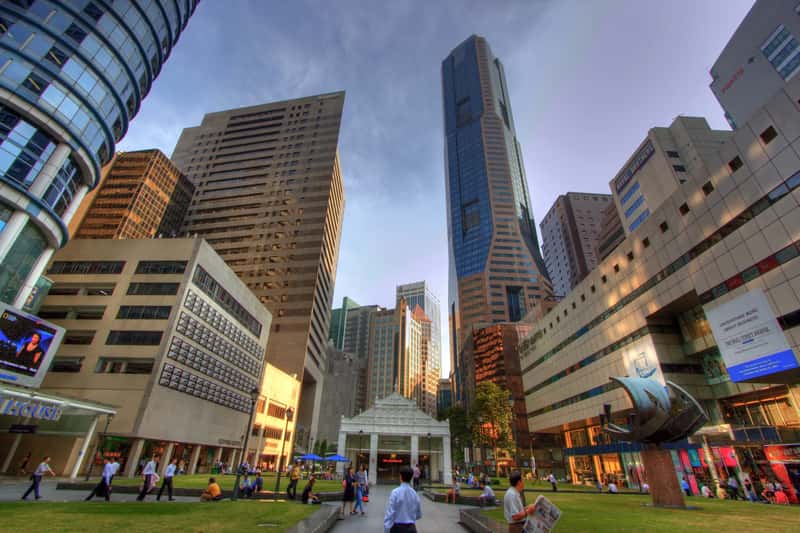
Plenty of countries market themselves as tax-free, but few match Brunei’s completeness. The United Arab Emirates, often cited in the same breath, has moved away from a pure zero-tax model in recent years. The UAE does not tax personal income, capital gains, inheritance, gifts, or properties, but a corporate tax of 9% now applies to companies generating a profit of more than AED 375,000.[11] It also charges a 5 percent VAT on most purchases, something Brunei still avoids entirely.
The Bahamas and Bahrain tell a similar story of partial exemptions rather than total ones. Bahrain levies no personal income tax but does require Social Insurance and Unemployment contributions.[12] Brunei’s combination of no income tax, no VAT, no capital gains tax, and no general sales tax puts it in a narrower category than most of the countries usually grouped alongside it.
What happens when the oil eventually slows down
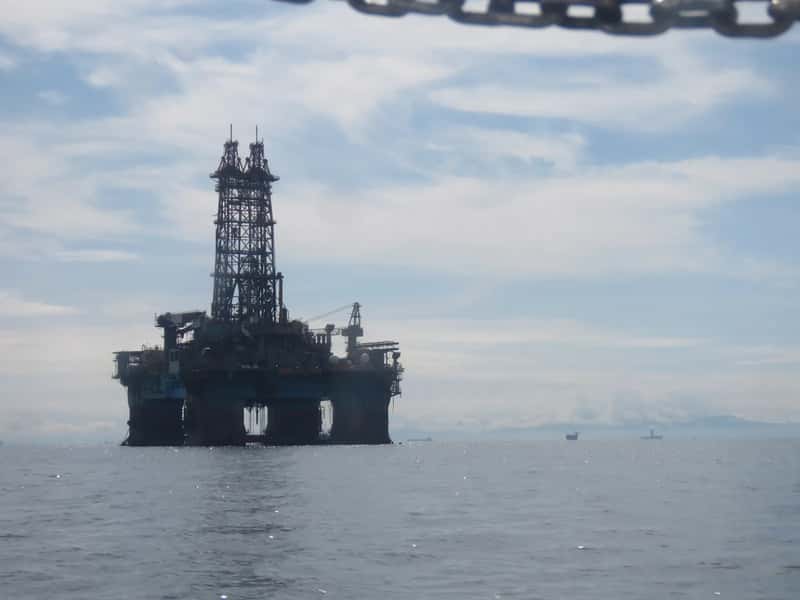
The uncomfortable truth sitting underneath Brunei’s tax-free lifestyle is that it depends on a finite resource and a fund built to outlast it. This luxury depends heavily on the stability of global energy prices, and if oil and gas prices drop significantly, the nation must find creative ways to sustain its high standard of living.[13] That’s not a hypothetical worry so much as a slow-moving deadline the government is already trying to plan around.
Still, few countries have the cushion Brunei does to manage that transition gradually rather than abruptly. This model has made the Sultanate one of the most prosperous and stable countries in Asia[13], and decades of disciplined saving through the sovereign wealth fund mean the sultanate isn’t starting the diversification process from zero. The question is whether that head start is large enough to outrun the clock on its oil fields.
The bigger picture
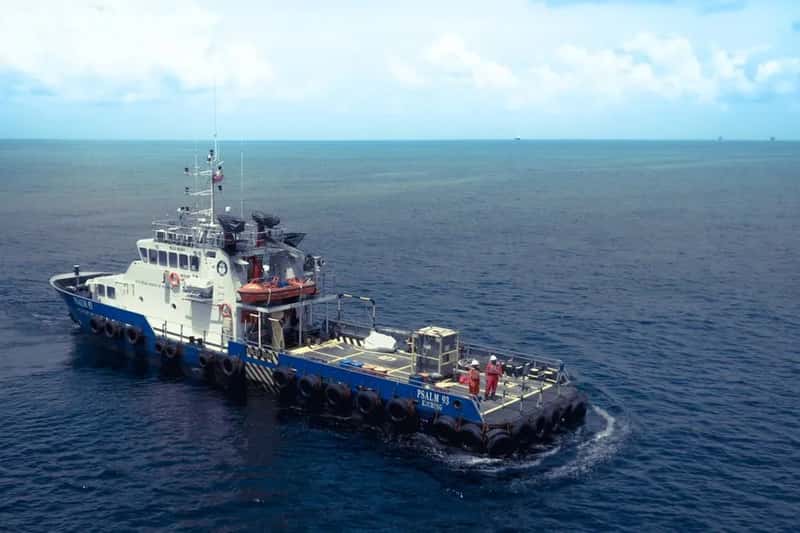
Brunei’s zero-tax system isn’t a trick or a loophole. It’s the product of a specific combination of factors that few other countries share: enormous per-capita oil wealth, a small population, decades of accumulated savings, and a government willing to run deficits rather than introduce new taxes.
Whether that combination holds up over the next generation depends less on policy choices and more on something nobody in Bandar Seri Begawan fully controls, the future price of oil and gas on world markets. For now, the sultanate remains one of the very few places on earth where a payslip really does mean the whole amount, no asterisks attached.