There’s a quiet kind of confidence that comes from not needing to prove anything with force. Somewhere in Central America, a small nation has spent generations building schools instead of barracks, and the arrangement has held up far longer than most people would guess. It’s the kind of story that sounds almost too tidy to be true, until you look at the paperwork.
The country in question is Costa Rica
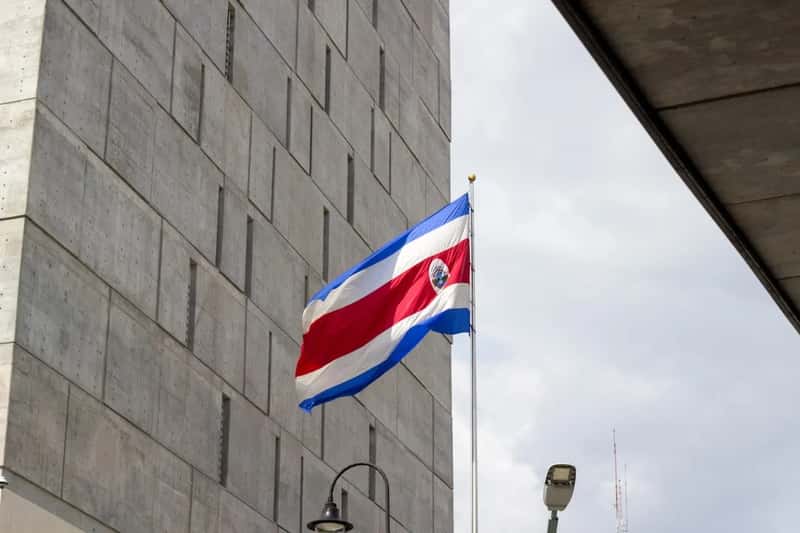
Costa Rica is the nation without a standing army, and it has held that status since the final days of 1948. In a world where military strength often defines a nation’s power, Costa Rica stands out as a remarkable exception, existing without a standing army since 1948.[1] The decision wasn’t a passing political gesture either, it became a defining feature of how the country sees itself.
Visitors sometimes assume this is a minor footnote in the country’s history. It isn’t. Costa Rica stands as one of the few nations in the world without a standing military, a remarkable political and social decision that has shaped its identity for over seven decades.[2] That framing, identity rather than policy, is the key to understanding everything else that follows.
A brief, brutal civil war set the stage
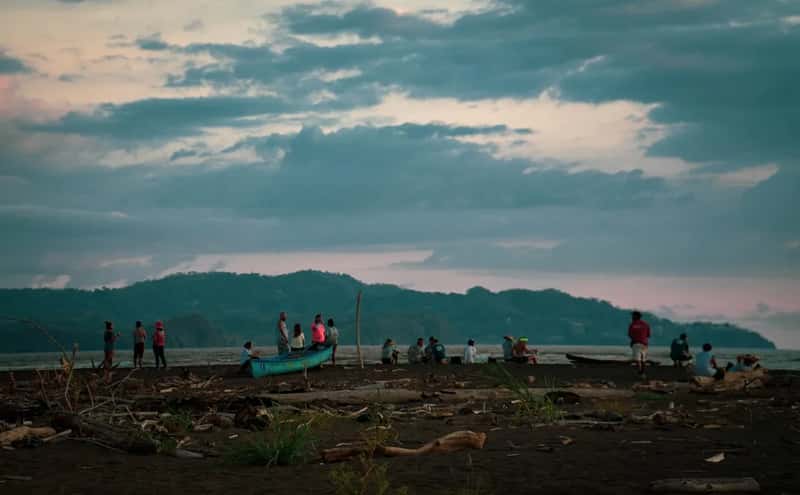
To understand why Costa Rica walked away from having a military, you have to start with 1948. Following a disputed presidential election in February of that year, political tensions exploded into a 44-day armed conflict.[1] It was short by the standards of civil wars elsewhere in the region, but it left a mark.
The human cost was significant for a country of its size. The 1948 civil war, though brief, was the most violent conflict in Costa Rica’s history, resulting in the deaths of approximately 2,000 people.[3] That toll shaped what came next in a very direct way, because the man who won the war became the man who decided the country no longer needed one.
The sledgehammer moment at Bellavista
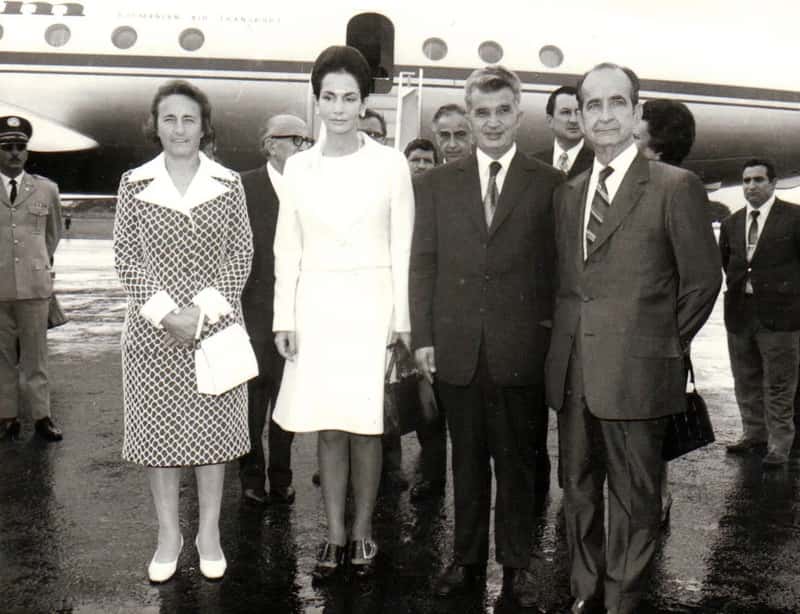
On December 1, 1948, José Figueres Ferrer walked into the Bellavista Barracks in San José and made a decision that would outlast him by decades. He stood in the barracks, then the headquarters of the Costa Rican military, and in a symbolic gesture smashed one of the walls with a sledgehammer.[1] It was theater, in the best sense, a physical act meant to make an abstract policy feel permanent.
Figueres didn’t stop at symbolism. He confirmed that the Regular Army of Costa Rica gave the key to its military base to the schools, declaring the National Army officially abolished.[4] The barracks he stood in that day is now a museum, which is a fairly on the nose way to close the loop between soldiers and schoolteachers.
Article 12 made it permanent
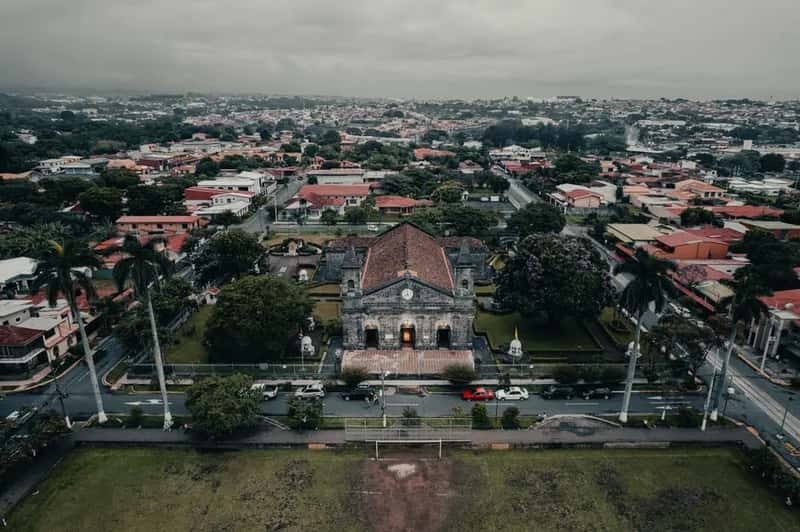
Symbolic gestures fade unless someone writes them into law, and Costa Rica did exactly that a year later. The 1949 Constitution formally enshrined the decision, with Article 12 stating that the Army as a permanent institution is abolished.[1] That single sentence has held for more than seventy five years now, surviving changes in government, economic swings, and regional turmoil.
The constitution didn’t leave a security vacuum, though. The same article specified that for the surveillance and preservation of public order, there would be the necessary police forces.[1] That distinction between an army and a police force turns out to matter a great deal in how Costa Rica actually operates today.
Where the military budget actually went
Abolishing an army sounds like a moral statement, but it was also a budgeting decision. The policy involved redirecting military spending into social programmes and investment in education, health, and the environment, helping Costa Rica achieve some of the highest living standards in the region.[4] This wasn’t a one time transfer either, it became the default way the national budget was structured going forward.
The idea of favoring teachers over soldiers actually predates 1948. President Ricardo Jimenez Oreamuno had already declared back in 1922 that Costa Rica was a country with more teachers than soldiers, one that turns military headquarters into schools.[4] Figueres essentially finished a sentence that had been started decades earlier.
Keeping order without soldiers

No army doesn’t mean no security apparatus. Costa Rica’s day to day law enforcement runs through the Fuerza Pública and the judicial investigation agency known as the OIJ, backed by specialized coast guard and border units. The country’s security is maintained by the Ministry of Public Security, with operational enforcement carried out by the Fuerza Pública, along with specialized units for border surveillance, anti-narcotics operations, disaster response, and maritime enforcement.[5]
This civilian model has been formally recognized by outside observers too. The country has no military forces, and civilian authorities maintain effective control over the various agencies that have law enforcement components.[6] That’s a notable line for a security report to include, since it confirms the arrangement isn’t just a national talking point but an observable fact.
The decision has been tested more than once
Living without an army sounds simpler in theory than in practice, especially for a country bordering Nicaragua. Costa Rica faced armed incursions in the years after abolition, including a 1955 invasion attempt, and the people who lived through those events still carry the memory. One man who fought in both the 1948 civil war and the 1955 invasion recalled how manipulative the elections of that era had been.[7]
The personal toll of those early conflicts is part of why the no army stance has held so firmly. Those who call for an army don’t know about death in battle, one veteran said, recalling losing friends and family to bullets and describing how everyone suffers when there is war.[7] That kind of firsthand memory carries more weight domestically than any policy paper could.
Modern security challenges look different now
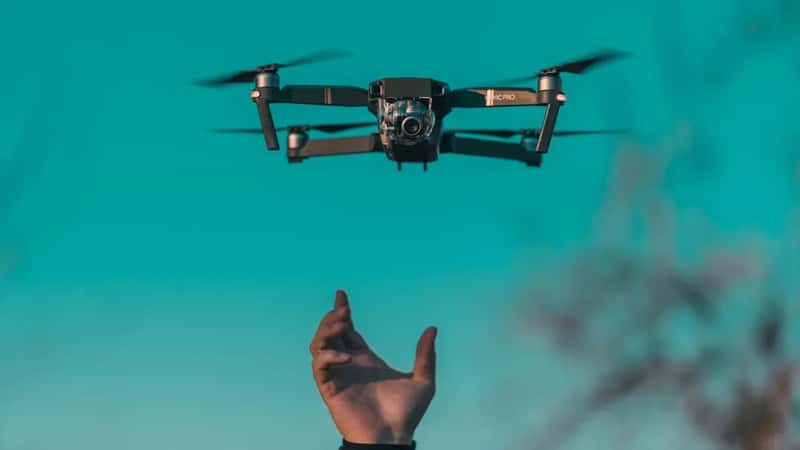
The threats Costa Rica faces in 2026 have shifted from armed neighbors to organized crime. The security budget for 2026 is approximately 630 million dollars, reflecting an increase in spending intended to address elevated homicide rates and the expansion of transnational criminal networks.[8] None of that spending goes toward tanks or fighter jets, it goes toward police recruitment, radar systems, and drone surveillance along the coasts and northern border.
The government has authorized the recruitment of 1,130 new police officers to be integrated by 2026, with procurement priorities centered on radar systems and drone technology to improve monitoring of coastal waters and the northern border.[8]
Some newer threats don’t involve weapons at all. In June 2025, Costa Rica’s primary law enforcement agency warned of a drastic increase in virtual kidnappings, with cases rising from 8 in the first months of 2025 to 58 in the same period of 2026, a roughly 625 percent increase.[6] These are scams rather than physical abductions, but they show how the country’s security concerns have evolved into something a traditional army was never designed to handle anyway.