
Are you planning a trip and searching for practical tips for travelling in Vietnam, but feeling unsure about what really awaits you?
From chaotic traffic and culture shock to scams, street food fears, and confusing visa rules, Vietnam can feel overwhelming before you even arrive, especially for first-time visitors.
While I’ve lived in Vietnam for years and made just about every mistake possible along the way, I’ve also learned what actually makes travelling here easier, safer, and far more enjoyable. Vietnam is one of the most rewarding countries in Southeast Asia, but only if you understand how it really works on the ground.
In this guide, I’ll share my most important real-world tips for travelling in Vietnam, covering everything from getting around and handling money to avoiding common tourist traps and adapting to local life, so you can skip the stress and experience Vietnam at its best.
1. The Big Apps
Before setting foot in Vietnam, you’re going to need at minimum three essential apps for getting around.
Grab
The Grab app is the Uber app of Southeast Asia. You can use it for both cars and motorcycles to get around. Just turn on your location, type of vehicle and enter your destination, and a driver should be there with you shortly.
Grab also has Grab Food, so if you’re ever feeling peckish and don’t want to leave the comfort of your hotel/hostel, there is what feels like a limitless selection of foods to choose from.
Google Translate
A lifesaver for not just when things go wrong, but also during those awkward interactions, make sure you save Vietnam Translation to your offline mode in case you need it in any desperate situations, such as your motorbike breaking down in the middle of nowhere, and you need the locals’ help to find the nearest guy who can help you like happened to me.
Google Maps
If you’ve been inspired to travel to Vietnam thanks to the Top Gear Vietnam special, then you’re one of tens of thousands.
Some hotels specifically reference the episode in their advertisements, knowing full well how that episode had a huge impact on their tourism industry. So if you were inspired by the episode, there is a huge chance you’re going to travel by motorcycle/scooter. It can’t be overstated enough: GET GOOGLE MAPS!!!
And just like Google Translate, make sure to save an offline map just in case, but keep in mind, offline maps only save routes for cars and not motorcycles or walking.
A lot of roads on an offline map only accept cars, so if you do have 4/5g, make sure your map is set to Motorcycle before heading out, or you risk driving towards a highway that you’ll be sent packing from and need to find an alternative route.
2. Always Have Cash In Hand

While Vietnam has a ton of places that can pay via bank card or QR codes, that’s usually saved for the bigger towns and cities. But even in the city, some places won’t accept it.
For example, I recently needed to send Christmas cards to my friends back home at the famous Saigon Central Post Office, waited in line for an hour, only to reach the front to be told I needed cash that I didn’t have…….. Great!
Also, when looking for an ATM, also check for banks such as TPBank or VPBank as they are usually the most friendly to international cards with the lowest rates.
3. Remember The Weather
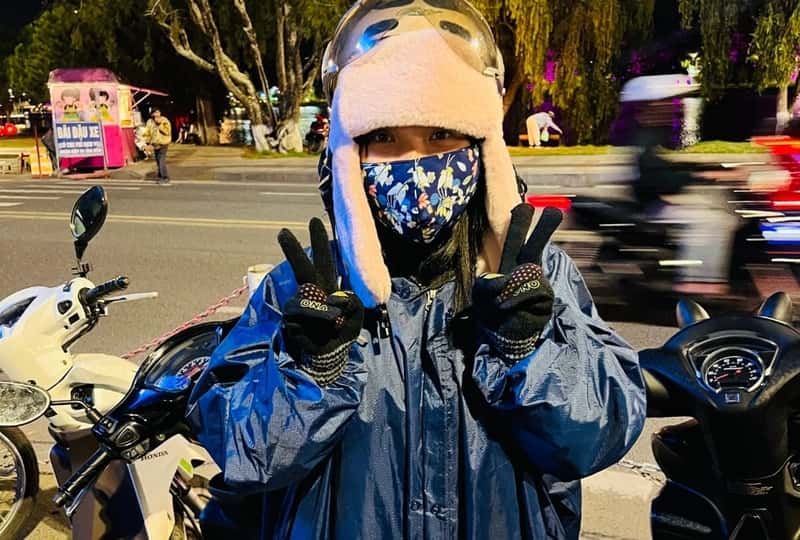
You’re going to Vietnam, that means Sun, beaches, and cocktails, right?…..RIGHT!?!?!?…. Not exactly, while South to Mid Vietnam is almost always warm (my wife would disagree), depending on the city, with the lowest temperatures going to around 19 degrees, which is still hot for my Irish blood, remember that cities like Da Lat are at much higher altitudes with temperatures going as low as 10 degrees.
The North of Vietnam, in particular in places such as Hanoi, Sa Pa, or Ha Giang, can also be as low as 0 degrees if you time it correctly.
Vietnamese social media often has pictures and videos of ignorant tourists arriving into freezing temperatures with nothing more than their vest, shorts, and flip-flops, so make sure you have an outfit for all seasons if you plan to travel each section of the country.
4. Rent Don’t Buy
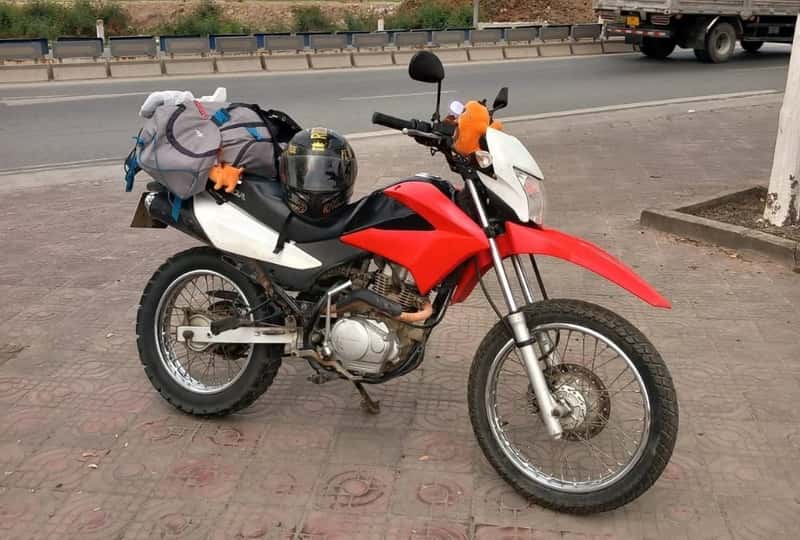
If you’re thinking about travelling through Vietnam by motorbike, it can be tempting to not only mimic the Top Gear journey, but also save cash by buying a used bike from vendors who resell the very same bikes tourists have used to get up and down the country before.
However, while you do meet some travellers who swear that they’ve never had any problems with their 50+ year old Chinese motorcycle with a Honda sticker slapped on to trick you, it was far from my experience.
While renting is often more expensive in the long run for an entire drive through Vietnam, you often get perks you wouldn’t get by owning.
Renters often have a network throughout Vietnam who support each other through the most touristic paths. If you break down or slip in the cold Sa Pa mud and break your clutch as I had, my renter called his contact in Sa Pa and got it fixed immediately.
This saves so much stress and heartache and makes you feel more at ease on your journey.
5. Haggle For A Better Price
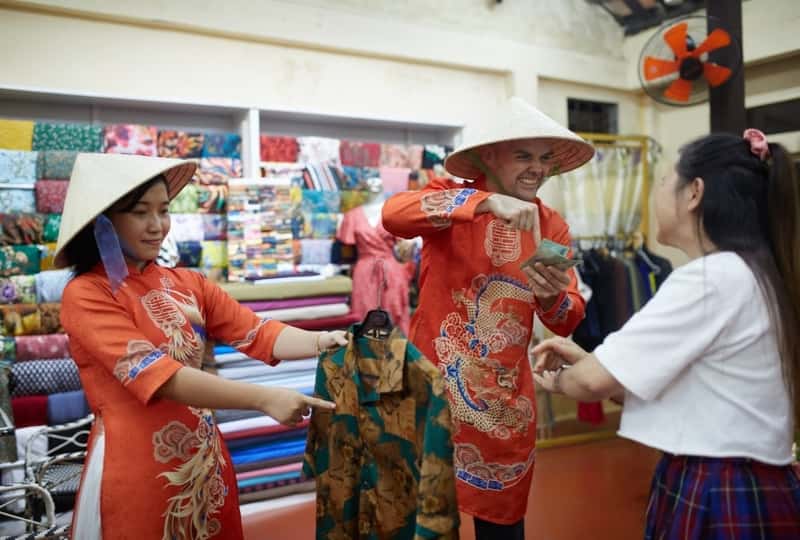
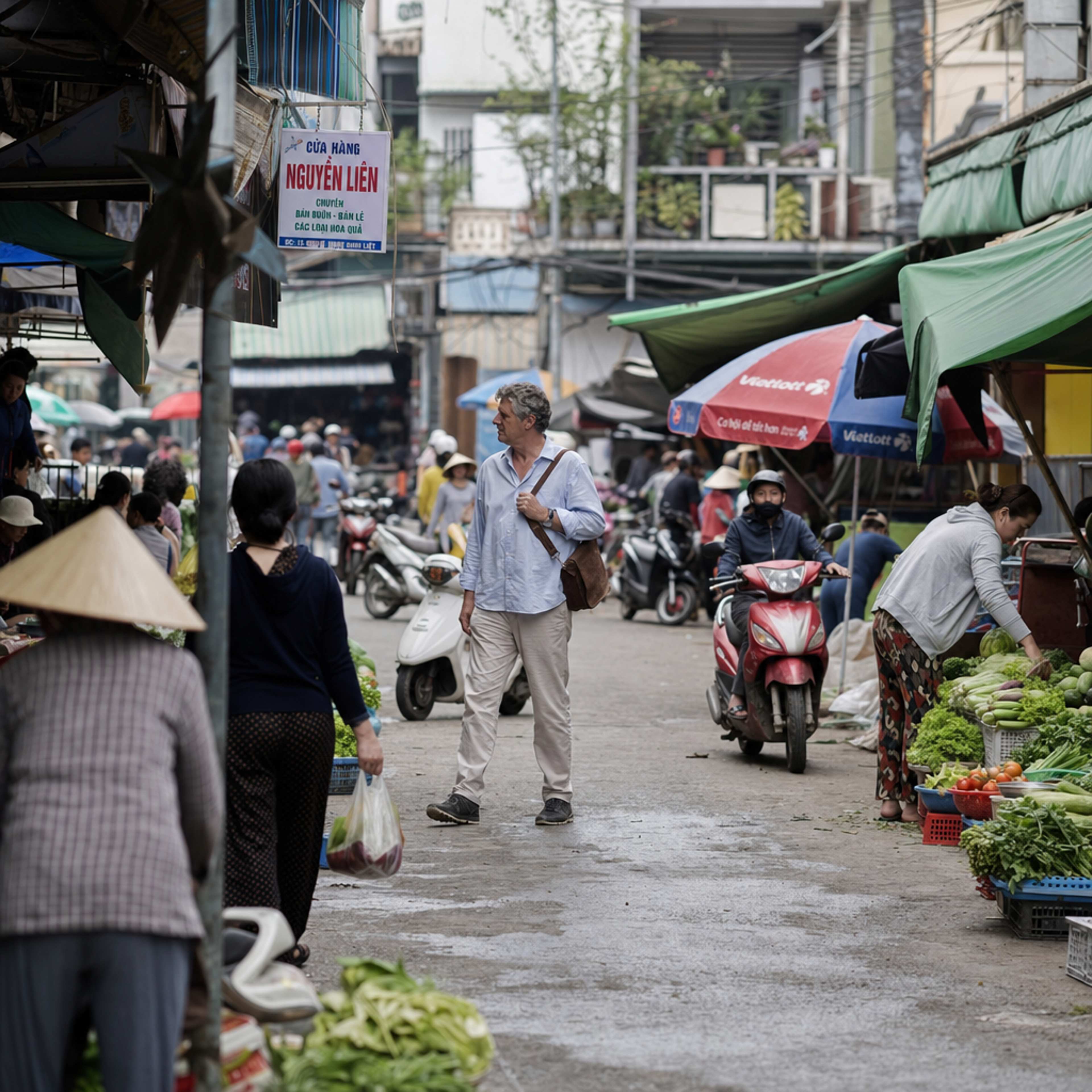
If you’re anything like me… you just can’t haggle. But Vietnam is the country of haggling. Yesterday I paid 40,000 dong for what should have been a 20,000 dong Coke Zero from a street vendor, but here we are.
Not everywhere haggles obviously, you can’t go to a restaurant and bargain, but the outdoor markets are prime haggle territory, and to be quite honest, having lived in Vietnam for over 3 years… almost everything they sell is on the Shopee app coming from China, and their first asking price is often 3 to 4x the cost they bought it for.
Is Vietnam Safe to Travel?
This is one of the biggest concerns I hear from first-time visitors, and the answer surprises most people: Vietnam is extremely safe compared to many Western countries. Violent crime against tourists is rare, even late at night in major cities.
The real risks are not muggings or assaults; they are traffic accidents and petty theft. Scooters are everywhere, and crossing the road can feel like a life-or-death experience at first.
Meanwhile, pickpocketing and bag snatching do happen in busy areas, especially in Ho Chi Minh City and Hanoi, but they are usually opportunistic rather than aggressive.
In everyday life, Vietnam feels safer than many cities in Europe or the US. You can walk around late at night, use your phone in public, and talk to strangers without fear, as long as you use basic street smarts and respect the traffic.
Common Mistakes Travellers Make in Vietnam
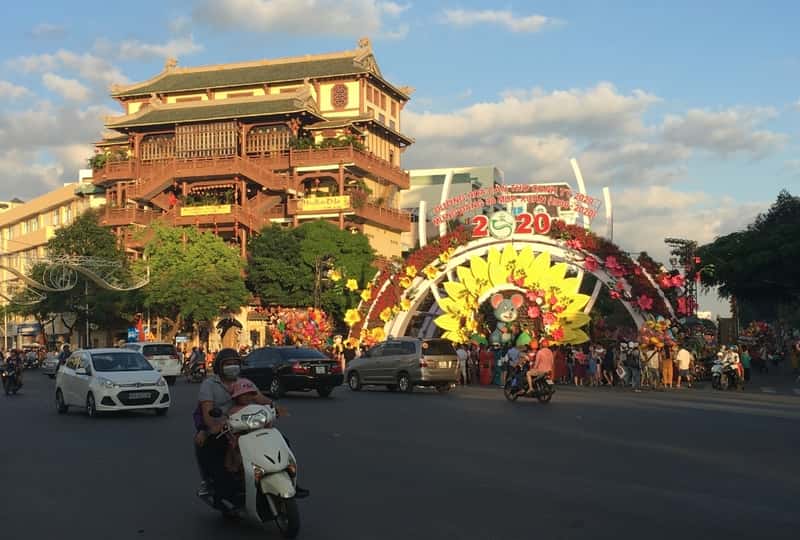
Many first-time visitors struggle in Vietnam not because the country is difficult, but because they arrive unprepared for how different it really is. One of the biggest errors is trying to see too much in too little time.
Vietnam may look small on a map, but distances are deceptive, and rushing from city to city quickly turns an exciting trip into an exhausting one.
Another frequent problem is ignoring regional differences. The climate in Hanoi, Da Lat, and Ho Chi Minh City can be completely opposite at the same time of year, yet travellers often pack for beaches and end up freezing in the mountains, a mistake I see repeated constantly.
Visitors also tend to underestimate how unique Vietnam’s systems are. Expecting transport, bureaucracy, and daily life to function like Europe or North America leads to frustration.
Vietnam operates on flexibility, not rigid structure, and travellers who resist this often struggle the most.
If you want a deeper breakdown of the most common errors first-time visitors make, and how to avoid them, I’ve covered them in detail in my full guide to common mistakes when travelling in Vietnam, which can save you a huge amount of stress on your trip.
Final Thoughts on Tips for Travelling in Vietnam
Vietnam is not a country you simply visit; it’s a country you learn to navigate. The traffic, noise, language barriers, and cultural differences can feel overwhelming at first, but once you understand how Vietnam works, it becomes one of the most rewarding places in the world to travel.
The most important lesson I’ve learned after years here is that flexibility matters more than perfection. Plans will change, things will go wrong, and that’s part of the experience. With the right mindset and the right tips for travelling in Vietnam, what first feels chaotic quickly becomes exciting.
If you arrive prepared, patient, and open-minded, Vietnam will repay you with unforgettable food, incredible landscapes, and some of the warmest people you’ll ever meet.
FAQs About Tips for Travelling in Vietnam
Is Vietnam cheap or expensive to travel?
Vietnam is one of the best-value travel destinations in the world. For most visitors, it is very affordable compared to Europe, North America, and Australia. Budget travellers can live comfortably on a low daily budget, while mid-range travellers enjoy excellent hotels, food, and transport for a fraction of Western prices.
However, Vietnam is not “free.” Tours, flights, and Western-style hotels can still add up, especially in popular destinations. With the right tips for travelling in Vietnam, you can easily control your costs and enjoy a high-quality trip without overspending.
Do tourists need cash in Vietnam?
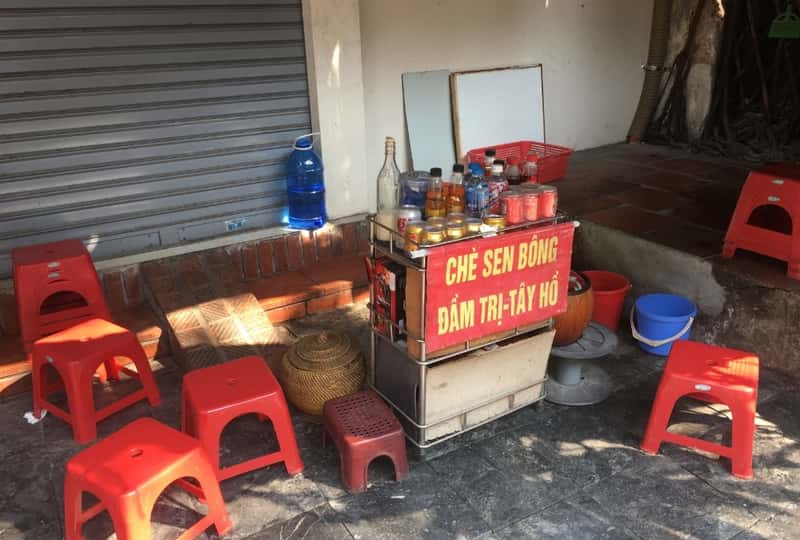
Yes, tourists absolutely need cash in Vietnam. While major cities increasingly use cards and QR payments, many restaurants, taxis, markets, and small hotels still operate on a cash-only basis.
Outside large cities, cash becomes even more important. ATMs are widely available, but not all banks offer good international rates. Carrying a mix of cash and cards is one of the most practical tips for travelling in Vietnam to avoid awkward and stressful situations.
Is Vietnam safe for solo travellers?
Vietnam is very safe for solo travellers, including women travelling alone. Violent crime against tourists is rare, and most visitors feel comfortable walking around cities even at night.
The main risks are traffic accidents and petty theft in busy tourist areas rather than serious crime. By staying aware of your surroundings and following basic safety habits, solo travellers can explore Vietnam confidently. With sensible tips for travelling in Vietnam, it is an excellent destination for independent travel.