There’s something magical about discovering a place that leaves you absolutely speechless. You know the feeling when you round a corner and suddenly you’re facing a landscape so stunning you forget to take the photo? Those moments are getting harder to find lately. Some destinations have managed to preserve their soul while others, well, they’ve buckled under the weight of their own popularity.
New Zealand: The Crown Jewel of Natural Beauty
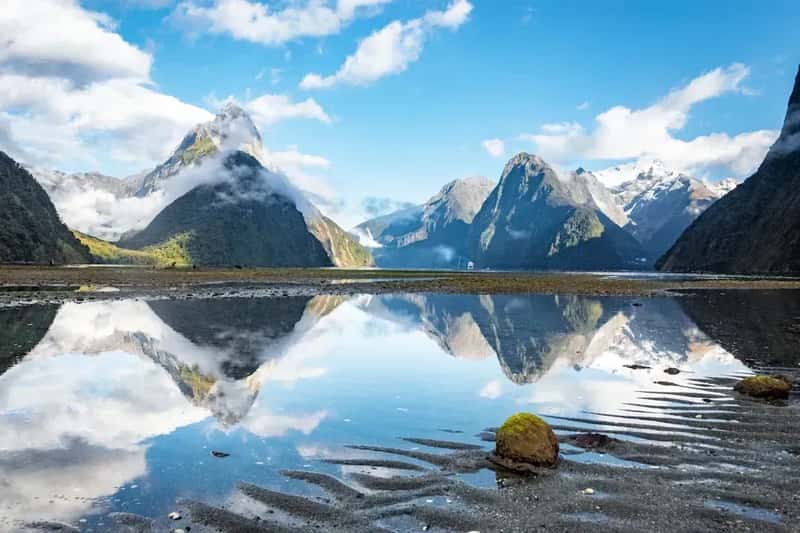
New Zealand claimed the top spot as the most beautiful country in 2025 according to Rough Guide’s poll based on readers’ votes. Honestly, it’s hard to argue with that choice. Picture this: nearly 9,000 kilometers of coastline, glacial lakes shimmering in impossible shades of turquoise, and meadows bursting with pink and purple lupins. Lake Tekapo alone could be one of the most colorful locations on Earth with its beautiful blue glacial waters and never-ending meadows.
What sets this island nation apart isn’t just scenery. New Zealand bursts with museums and galleries adding to its artistic character, while the Museum of New Zealand Te Papa Tongarewa highlights the rich Māori history. The country strikes this rare balance between adventure tourism and cultural preservation that few destinations manage to pull off successfully.
Switzerland: Alpine Perfection Preserved
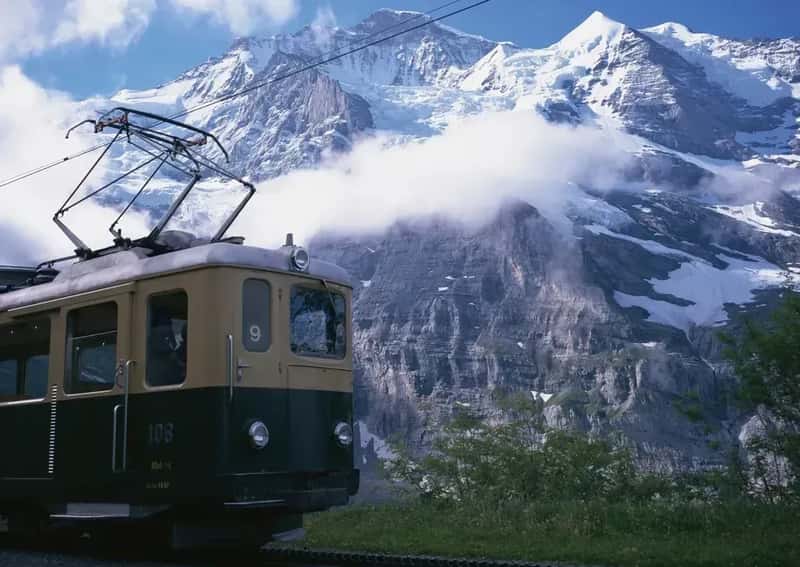
Switzerland tops the list for its unmatched natural landscapes, environmental quality, and timeless charm. Think crystalline lakes mirroring snow-capped peaks, villages that blend modern serenity with old-world architecture. Often considered a winter paradise, Switzerland’s snowy Alps draw tourists for millennia, but in warmer months it’s equally beautiful with emerald lakes and rich valley forges.
The Swiss have mastered something crucial: managing tourism without sacrificing quality. Whether you’re riding the Glacier Express through mountain passes or exploring medieval specimens in Bern’s ancient city, everything feels intentional. Pristine. Switzerland doesn’t just rely on its natural beauty; it actively protects it, ensuring future generations will experience the same awe.
Japan: Where Tradition Meets Innovation
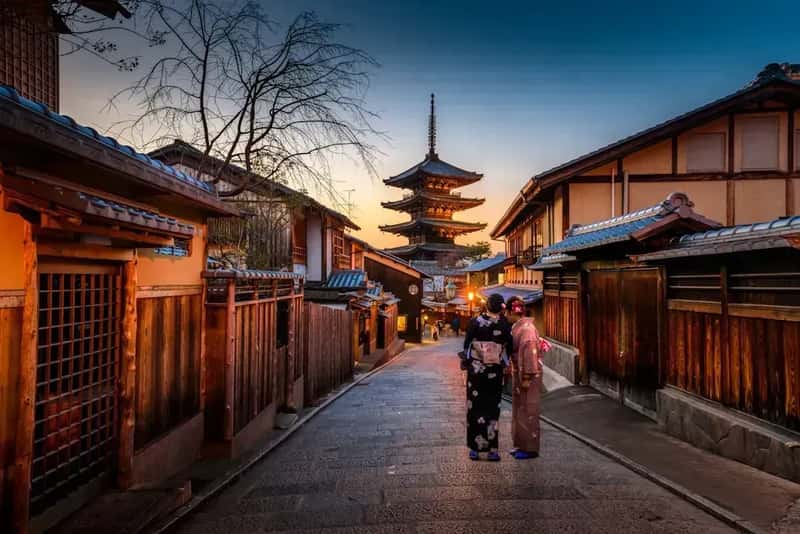
Japan has been named the world’s top travel destination for 2024, voted number one in the Condé Nast Traveler Readers’ Choice Awards for its cultural depth, scenic beauty, clean cities, and exceptional hospitality. Here’s the thing about Japan: it doesn’t make you choose between ancient and modern. No nation combines the thrill of the metropolis with the peace of nature like Japan, from Kyoto’s fragrant cherry blossoms and Arashiyama bamboo forest to bustling restaurants at night.
Japan has been ranked as the second most beautiful country in the world by Titan Travel for 2023, from the tranquillity of shrines in Tokyo to mountain ranges in Kamikochi and bamboo forests near Kyoto. The country welcomed a staggering 36.9 million visitors in 2024, yet somehow maintains its identity. Perhaps it’s their commitment to sustainable tourism and cultural preservation that keeps things balanced.
Norway: Fjords and Northern Lights
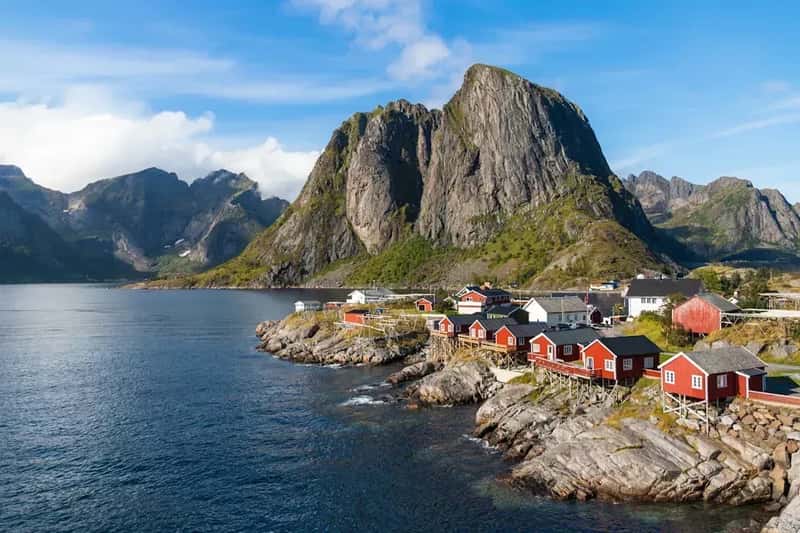
Norway was named Europe’s Leading Destination 2024 and awarded World’s Leading Green Destination 2024 and World’s Leading Nature Destination 2024. The Scandinavian gem offers something truly unique. People visit Norway primarily for its spectacular natural landscapes and unique light phenomena, from deep glacially carved fjords like Geirangerfjord to the Northern Lights in Tromsø and Midnight Sun above the Arctic Circle.
In 2024, Norway welcomed 6.20 million international visitors, marking nearly a 10 percent increase from 2023 and surpassing 2019 levels. What’s impressive? They’re growing tourism responsibly. The focus remains on nature-based experiences rather than mass tourist infrastructure. That careful approach shows.
Greece: Ancient Wonders and Island Dreams
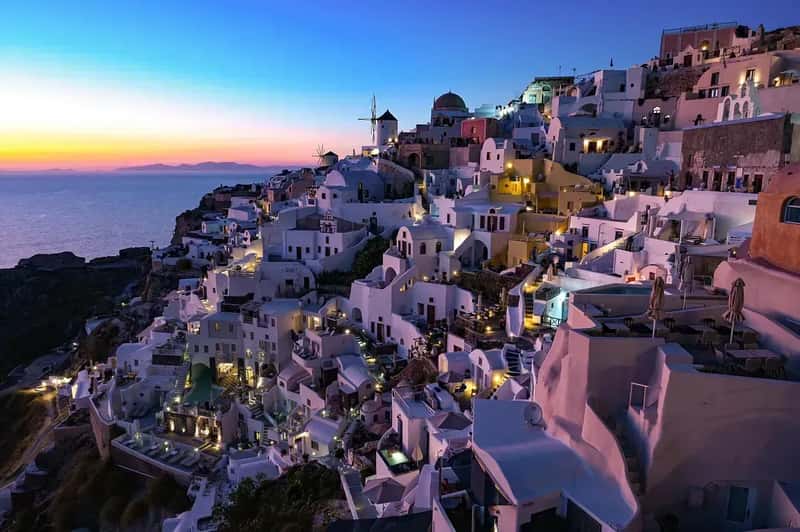
Greece consistently ranks among the most beautiful countries according to various travel surveys, with rugged mountains, serene lakes, and winding rivers, plus Mediterranean climate including very little rain and abundant yearly sunshine. The Greek islands alone offer enough diversity for a lifetime of exploration. Beaches feature sand in a wide range of colors – white, black, pink, or red – surrounded by jewel blue Mediterranean waters, while Santorini’s sun-golden hues spread upon traditional white-blue buildings.
Greece walks this tightrope between preserving millennia-old history and accommodating modern travelers. The iconic blue domes, ancient temples, and Athens’ ruins draw millions, yet the country maintains pockets of authenticity. Head beyond Santorini and Mykonos and you’ll find islands where locals still outnumber tourists.
Venice: Drowning in Its Own Success
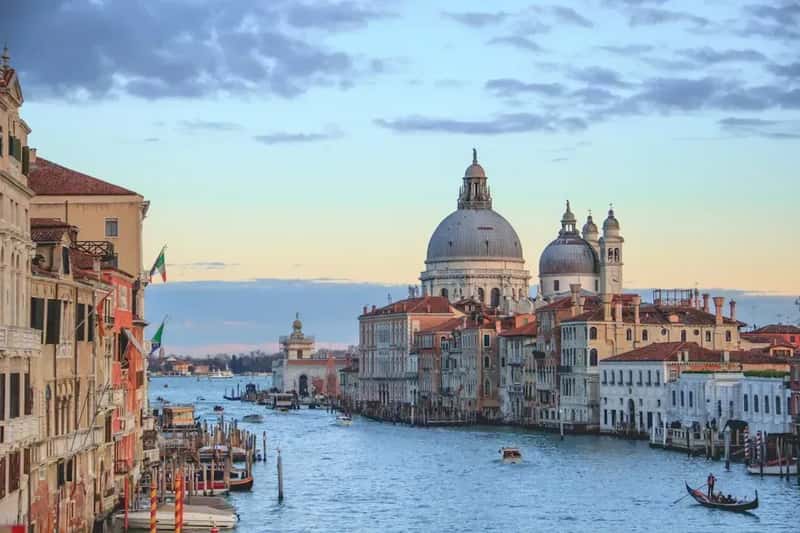
Venice, perhaps the most iconic victim of overtourism, with a population of around 260,000, welcomed over 30 million visitors in recent years before the 2020 pandemic. The math simply doesn’t work. In 2024, an average of 80,000 visitors arrived daily, with more tourists than residents overwhelming the city.
Venice’s canals, historic architecture, and cultural heritage are under constant threat from the environmental toll of tourism, with rising sea levels and pollution exacerbated by massive visitor numbers, and despite measures like limiting tourists and introducing entry fees, the city continues to face an uphill battle. The five-euro entry fee? During the 29 dates when the initial €5 access fee was in force in 2024, Venice received on average 7,000 more visitors, with the ticket having no impact on lowering tourist flow. Residents are fleeing to the mainland, and honestly, can you blame them?
Barcelona: A City in Revolt
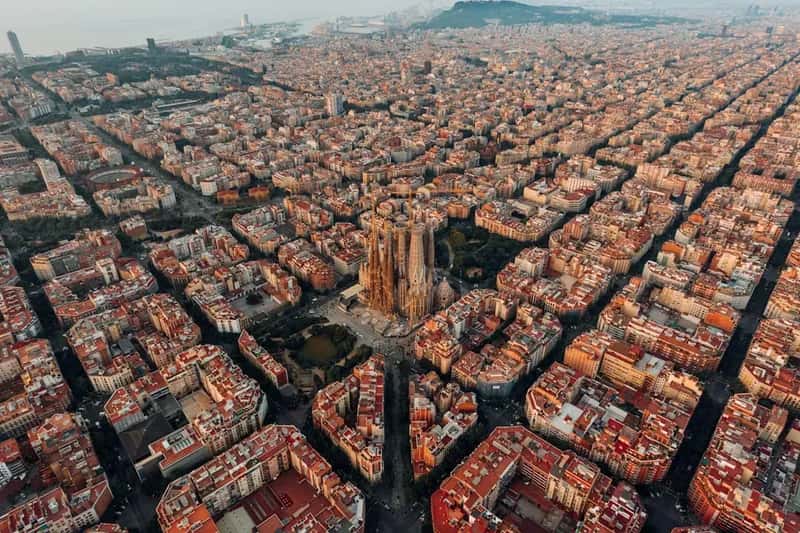
Barcelona, a city that saw more than 15 million international visitors in 2024, has become overwhelmed with a population of just 5 million in its greater metropolitan area. The tension reached a boiling point. In 2024, thousands of residents protested against tourism in the streets, with overtourism causing overcrowding and increased costs of living.
Short-term rental properties like Airbnb have become the biggest problem, with 10,000 apartments catering to tourists while local residents struggle to secure affordable housing. The charm that made Barcelona special – the local markets, neighborhood culture, authentic tapas bars – is disappearing beneath a wave of tourist-oriented businesses. Mayor Jaume Collboni announced plans to end short-term rentals by 2028 and raise the tourist tax on cruise ship visitors, but will it be enough?
Bali: Paradise Under Pressure
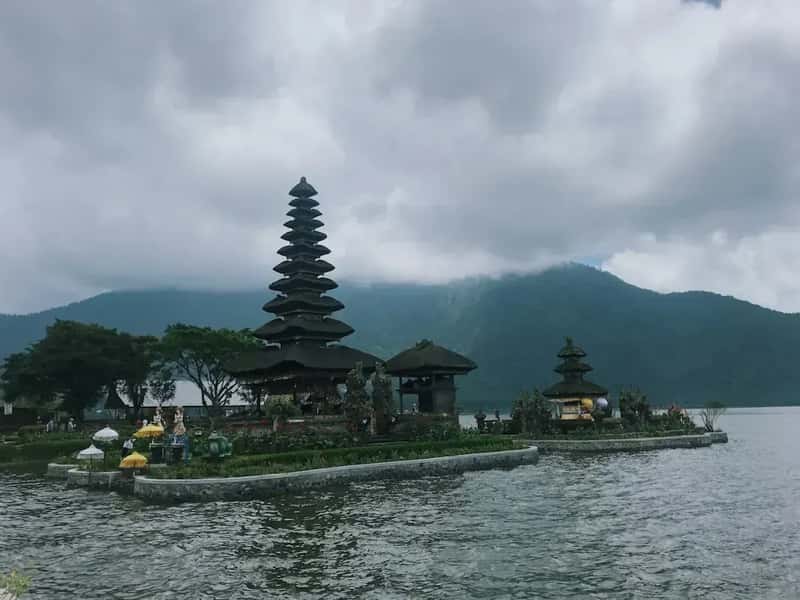
In 2024, Bali welcomed 6.33 million international visitors, slightly surpassing the previous peak of 6.28 million in 2019. Add to that 22.64 million domestic trips to Bali, a huge jump of 25 percent from 2019. The numbers are staggering for an island of roughly 4.4 million residents. Once-pristine beaches like Kuta and Seminyak are now buried under piles of trash, with the island generating 1.6 million tons of waste annually and only 7 percent of plastic waste being recycled.
The Indonesian province has become synonymous with overtourism challenges. Tourists from digital nomads to badly behaving visitors have overwhelmed the province over the past decade, with provincial governor Wayan Koster requiring a do’s and don’ts list attached to tourist passports in spring 2023. Sacred rice paddies are disappearing to make room for resorts. Water, a precious resource, is diverted from local communities to tourist areas. The cultural identity that made Bali magical is slipping away.
What strikes me most about this whole situation is how quickly things can shift. A destination can go from bucket-list dream to cautionary tale in just a few years. The countries that maintain their beauty understand something fundamental: tourism should enhance a place, not devour it. New Zealand, Switzerland, Norway, Japan, and Greece seem to grasp this balance, implementing sustainable practices and protecting what makes them special. Venice, Barcelona, and Bali? They’re learning the hard way that unlimited growth isn’t actually growth at all – it’s self-destruction.
The travel industry stands at this crossroads right now. We can continue flooding the same handful of destinations until they collapse under the weight, or we can spread out, explore lesser-known gems, travel during off-seasons, and respect the communities hosting us. The choice seems pretty obvious when you think about it. Which side of history do you want to be on?