Risk has always had a strange pull on travelers. Some people book the trip because the place has a reputation, and others simply don’t look closely at what they’re signing up for. Either way, millions of visitors keep heading to spots where the terrain, the heat, the altitude or the politics can turn serious quickly.
This list sticks to places where the danger is documented, and where tourists keep arriving anyway. Conditions change, so treat it as a starting point and check current advisories before you book anything.
Mount Everest, Nepal and Tibet
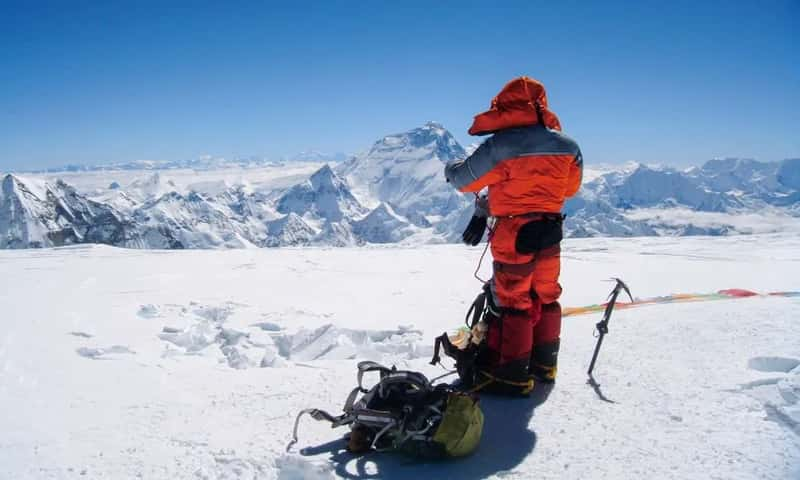
Everest is no longer the exclusive territory of a few elite mountaineers. Nepal’s Department of Tourism said 722 people reached the summit from the Nepal side in spring 2025[1], and another 100 or so climbed from the Tibet side, bringing the total to nearly 850.[1] That’s a lot of traffic on a mountain where the air holds roughly one third of the oxygen found at sea level.
The 2025 season was calmer than most. Five deaths were recorded, fewer than the year before,[2] and 2023 still stands as the deadliest season, with 18 deaths.[3] Experts credit steadier weather for the improvement, and avalanches, icefalls and extreme weather drive the number of fatal accidents, often unpredictably.[3] Recovering a body is difficult too, because it takes multiple people and costs a lot.[4]
Danakil Depression, Ethiopia
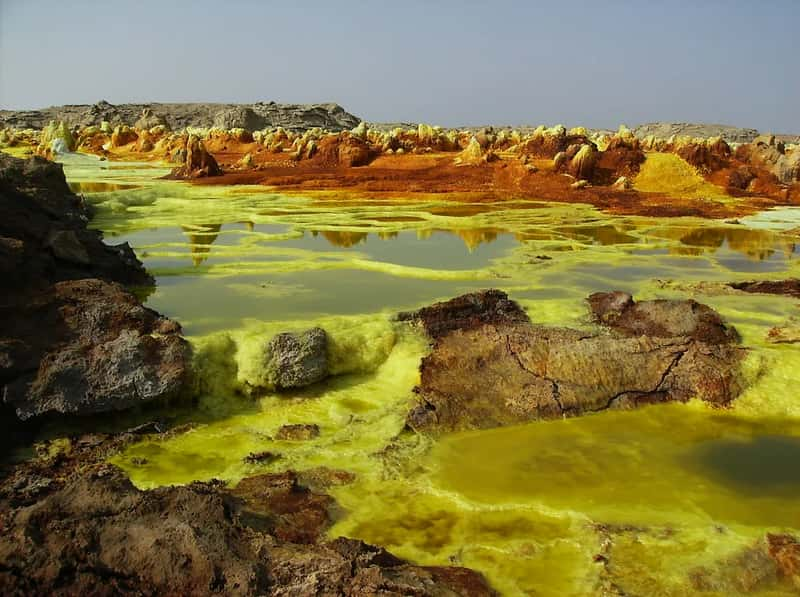
The Danakil sits in Ethiopia’s Afar region and is regularly described as one of the hottest places on Earth. Temperatures often exceed 45 degrees Celsius, and the landscape includes active volcanoes and acid springs.[5] Near Dallol, volcanic activity and sulfur emissions can make the air hazardous.[6] The salt crust can also be thin, and a wrong step can mean contact with boiling acid water.[5]
Security is the bigger question right now. As of early October 2026, the UK Foreign Office advises against all travel within 20 km of the Eritrean border and within 50 km of Tigray, and against all but essential travel to the rest of Afar.[7] Foreign nationals also can’t currently use airports in Afar.[7] Even where operators still assemble trips, standard insurance will usually not cover travel in those conditions.[7]
Death Valley National Park, California
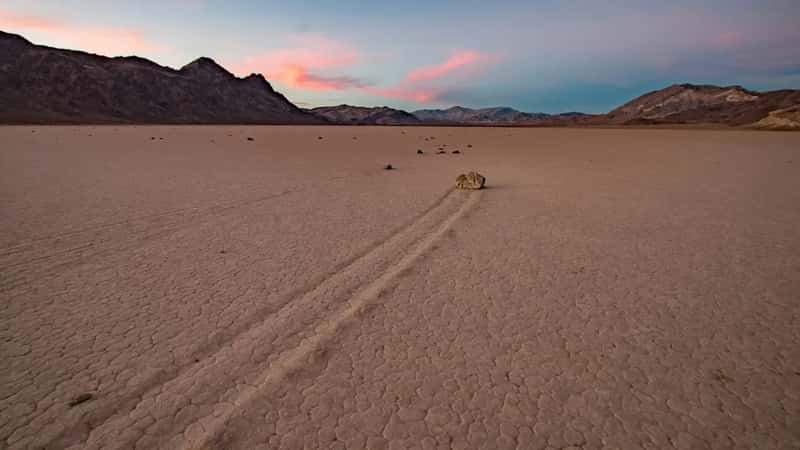
Death Valley’s reputation is earned by its numbers. On July 6, 2024, preliminary data recorded 128 degrees Fahrenheit, passing the official daily record of 127 set in 2007.[8] That day a visitor died of heat exposure near Badwater Basin,[8] and emergency medical helicopters could not respond because they generally can’t fly safely above 120 degrees.[8]
The danger hasn’t gone away. On August 17, 2026, a 68 year old visitor from France died after his vehicle got stuck in mud on a remote road, on a day when temperatures hit 116 degrees.[9] He and his companion walked across the salt flats for help, and he couldn’t continue after about 1.3 miles.[9] Park officials said the heat, distances and remoteness can be dangerous regardless of experience.[10]
North Yungas Road, Bolivia
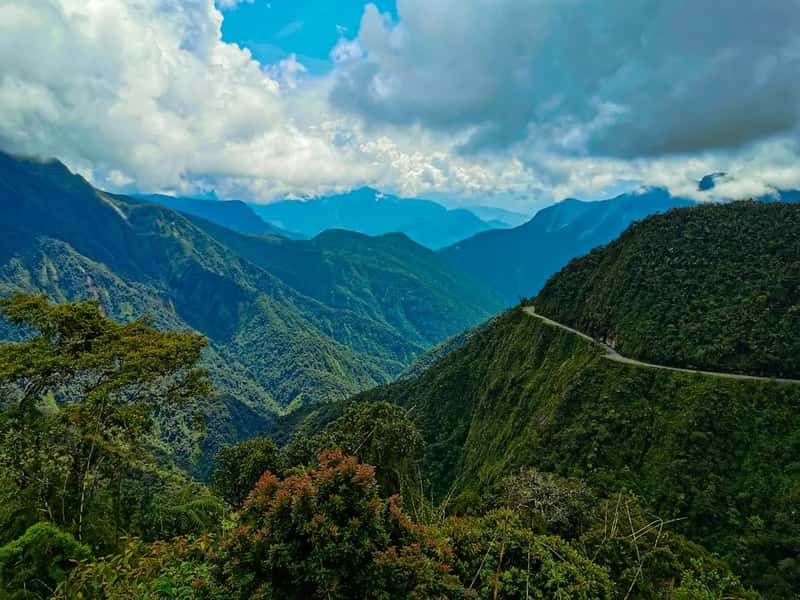
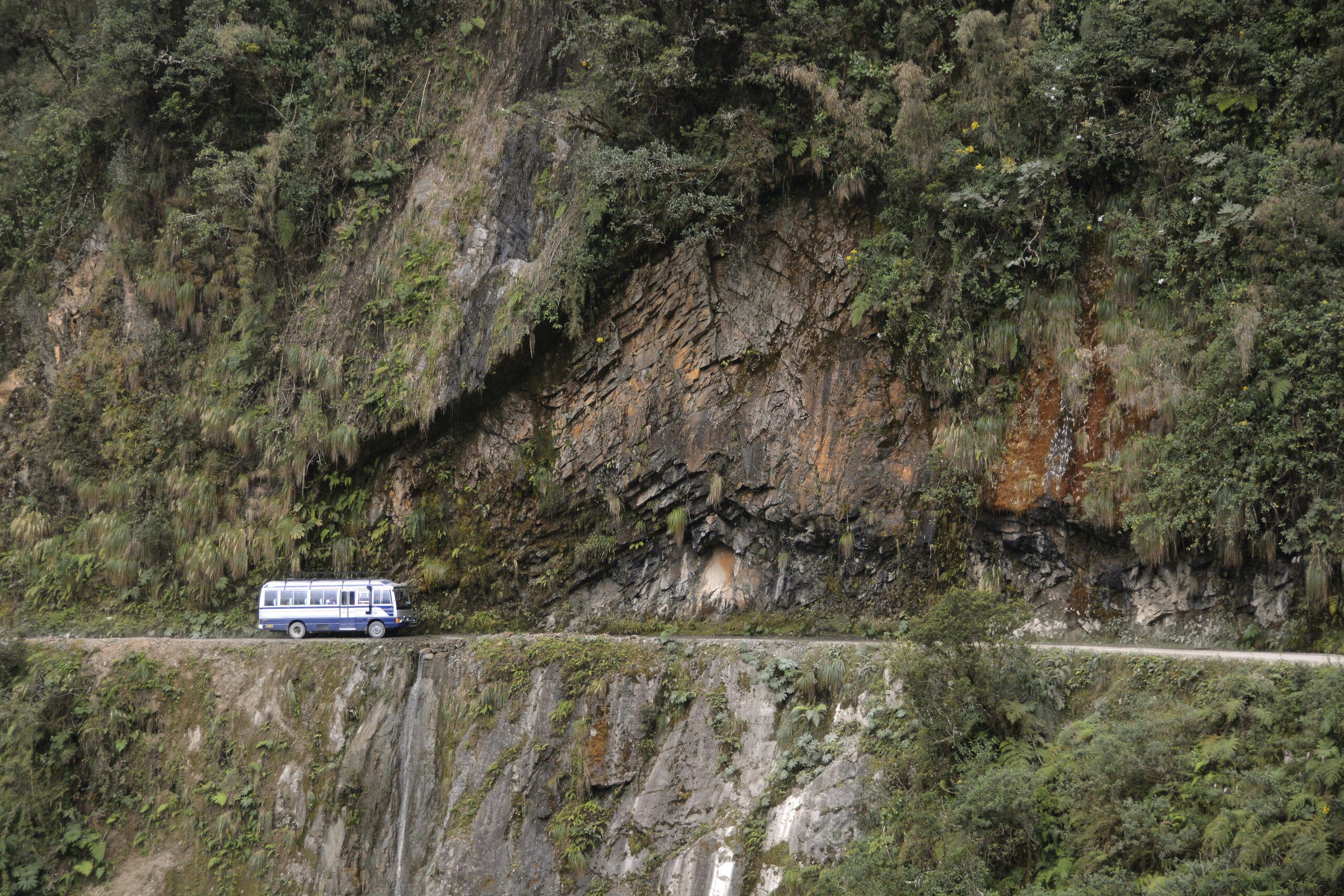
Locals call it the Death Road, and the name had a grim basis. A major development bank declared it the world’s most dangerous road in 1995, when an estimated 200 to 300 people died on it every year,[11] mostly after vehicles lost traction and fell into ravines. The route is as narrow as about three meters in places, with steep slopes and no guardrails.[12]
These days the traffic is different. Since the bypass opened, the road is used almost exclusively by cyclists and jeep tours rather than heavy trucks,[11] and it draws more than 25,000 visitors a year, mostly for mountain biking.[11] The risk is lower but not gone, since the lower road becomes genuinely hazardous in heavy rain, with waterfalls crossing the track.[11] The wet season runs from December to March, when biking isn’t recommended.[11]
Mount Huashan, China
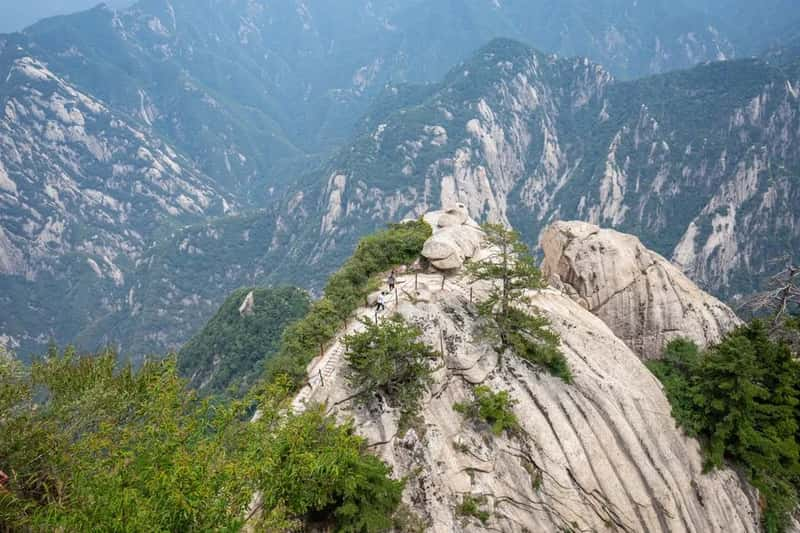
Huashan is one of China’s five sacred Taoist mountains, in Shaanxi province, and its peaks rise to roughly 2,150 meters. Its famous plank walk is a path of narrow wooden boards fixed to a sheer cliff face. Visitors clip a safety harness to a chain, and the whole thing hangs over a long drop.
The fear is part of the appeal, and the mountain handles huge crowds, so you may wait in line on the narrow stretches. Cable cars carry many visitors most of the way up, which means the plank walk is a choice rather than a requirement. Weather can shut sections of the route, and wet boards and a nervous crowd are a poor combination, so heights and patience both matter here.
Kilauea, Hawaii
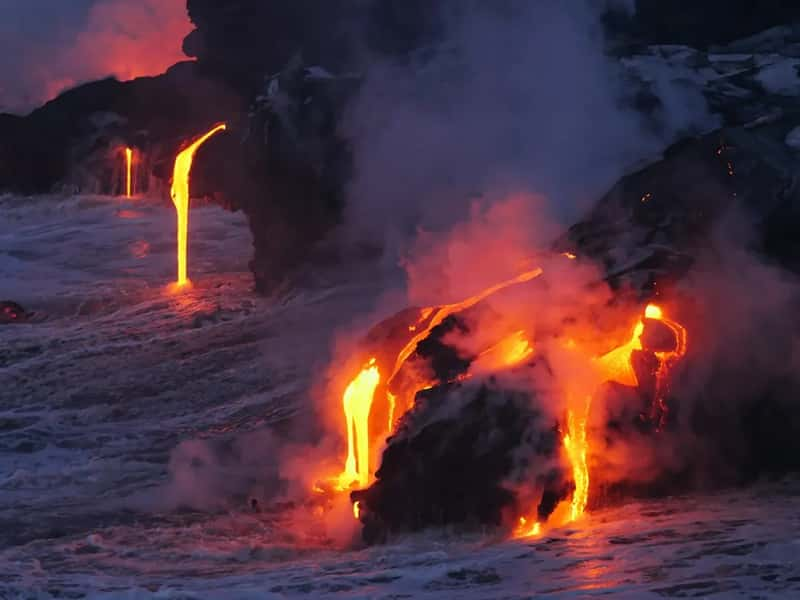
Kilauea, on the Big Island, is one of the most active volcanoes in the world and sits inside Hawaii Volcanoes National Park. It began a new eruption in December 2024 and has produced repeated episodes of lava fountaining since. For visitors, that means a rare chance to see a live volcano from a viewing area.
The hazards go beyond lava. Volcanic gas, including sulfur dioxide, can irritate the lungs, and people with asthma or heart conditions are especially vulnerable. Areas open and close as conditions shift, so the US Geological Survey and the National Park Service are the sources to check on the day, because I can’t confirm what’s happening this week.
Devil’s Pool, Victoria Falls, Zambia
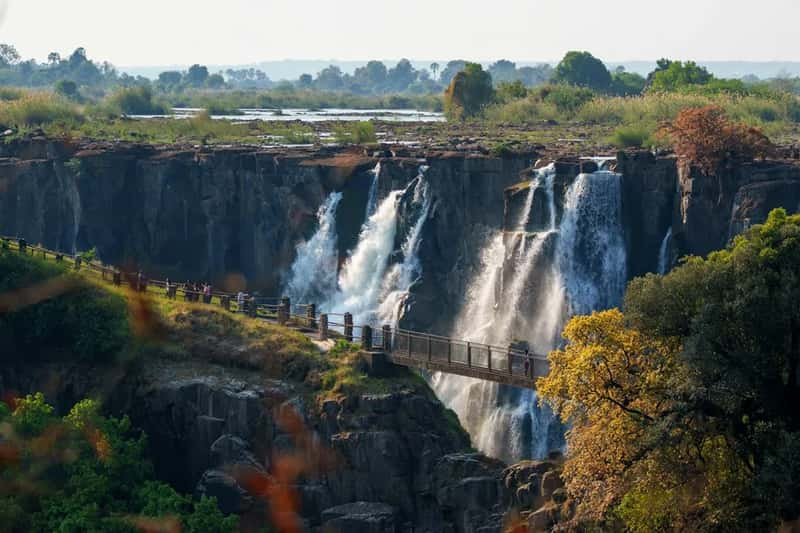
On the Zambian side of Victoria Falls, a natural rock pool sits right at the lip of the falls, which drop roughly 108 meters into the gorge below. Tour guides take swimmers there from Livingstone Island, and the pool is usually offered only when the Zambezi runs low, typically late in the year. A rock edge is all that separates a swimmer from the drop.
The setup looks safer than it is. The Zambezi is a powerful river, and water levels can change what’s possible on a given day. Guides know the current and the safe spots, so going with a licensed operator and following instructions exactly is the whole safety plan.
Mount Kilimanjaro, Tanzania
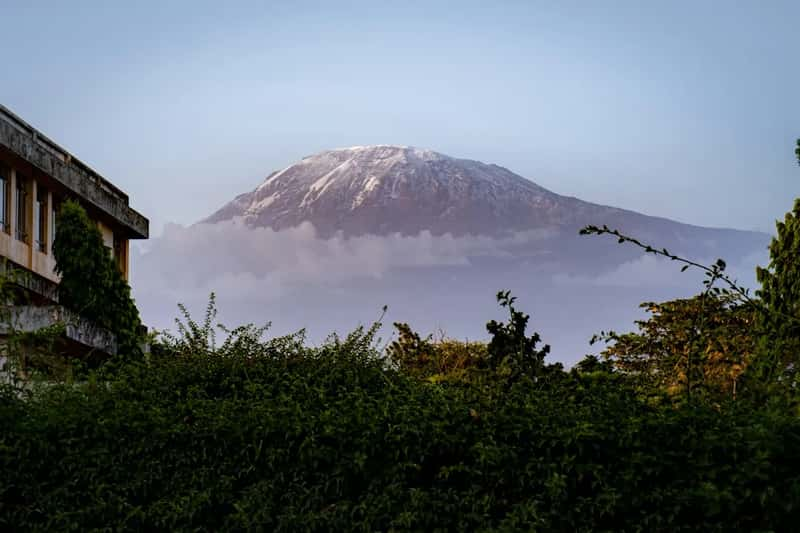
Kilimanjaro’s summit, Uhuru Peak, stands at 5,895 meters, making it Africa’s highest point. It requires no technical climbing skills, and that’s exactly why people underestimate it. Many routes gain altitude quickly, and altitude sickness doesn’t care how fit you are.
Mild symptoms such as headache and nausea are common, and severe cases can progress to fluid on the brain or lungs, which are medical emergencies. The standard advice is to climb slowly, drink plenty of water and descend immediately if symptoms worsen. Tanzania requires climbers to go with licensed guides, and a longer route with extra days for acclimatization gives your body a better chance.