For years, travelers dreamed of being welcomed with open arms – but in some places, that warmth is fading. This report looks at the top 9 countries where tourists feel they’re no longer welcomed warmly, drawing on surveys, local reactions, and the growing backlash against overtourism. From anti-tourism protests and “go home” graffiti to stricter rules, fines and campaigns that quietly discourage visitors, these destinations are sending a clear message: enough is enough.
If you’re planning a trip and don’t want to feel like an unwelcome guest, understanding where and why travelers now feel pushed out is crucial. This breakdown explores the countries where locals are most frustrated with crowds, bad behavior, and rising prices – and what that means for respectful visitors who still want to experience these places without adding to the problem.
Spain’s Anti-Tourism Uprising
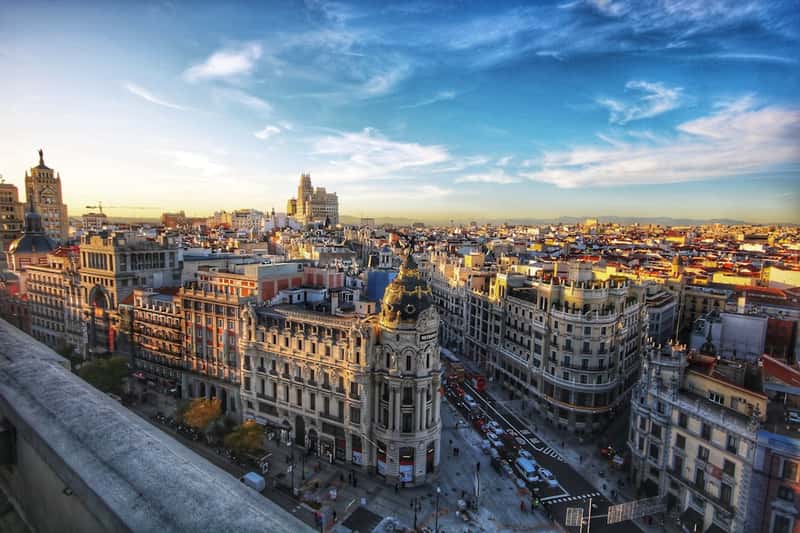
In July 2024, thousands marched down Barcelona’s La Rambla carrying signs reading “Tourism kills the city” and “Tourists go home, you are not welcome,” with some demonstrators using water pistols to spray tourists dining at restaurants, forcing them to leave their tables.
Spain received 42.5 million tourists in the first six months of 2024, reflecting increases of 11.5 and 13.3 percent from 2019 and 2023 respectively. The massive influx has overwhelmed infrastructure and driven up housing costs for locals. Protests erupted across Europe, most notably in Spain, with Cadiz and Lanzarote joining the demonstrations alongside many other Spanish territories and regions.
Amsterdam’s Government-Led Deterrent Campaign
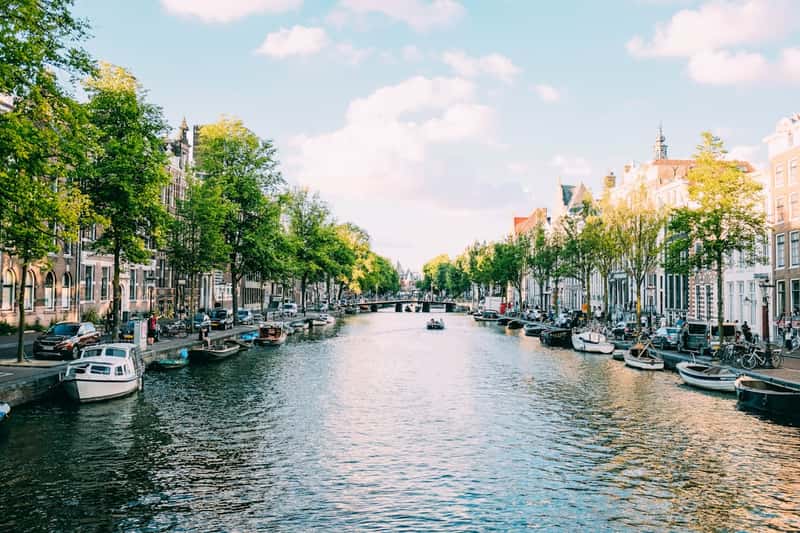
In Amsterdam, anti-tourism sentiment is not limited to fringe groups; the city government is urging British holidaymakers to stay away through a “Stay Away” online campaign targeting British people searching for stag parties or party weekends.
The videos showed young, drunken men being arrested or fined for bad behavior, and despite evidence that the campaign did not deter British tourists, Amsterdam intensified its efforts in March 2024 with an online survey called Amsterdam Rules.
Japan’s Overwhelming Overtourism Challenge
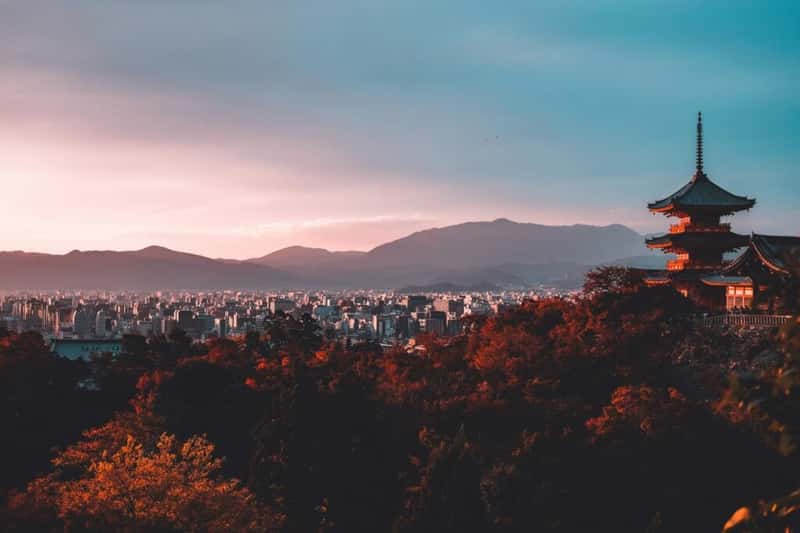
In 2024, the number of international visitors to Japan reached approximately 36.87 million, marking a record high and a 47.1% increase compared to the previous year. According to JNTO data for October 2024, South Korea, China, Taiwan, and Hong Kong together accounted for 1.99 million of the 3.3 million tourists for that month, representing 60% of all visitors.
Koji Muramasa was elected as Kyoto’s new mayor after campaigning against overtourism, in a city with a resident population of about 1.5 million that saw more than 20 times that number – about 32 million – of tourists arriving last year. Kyoto last month banned tourists from entering private alleys in Gion after locals complained that the neighborhood was “not a theme park.”
Venice Introduces Tourist Fees and Restrictions
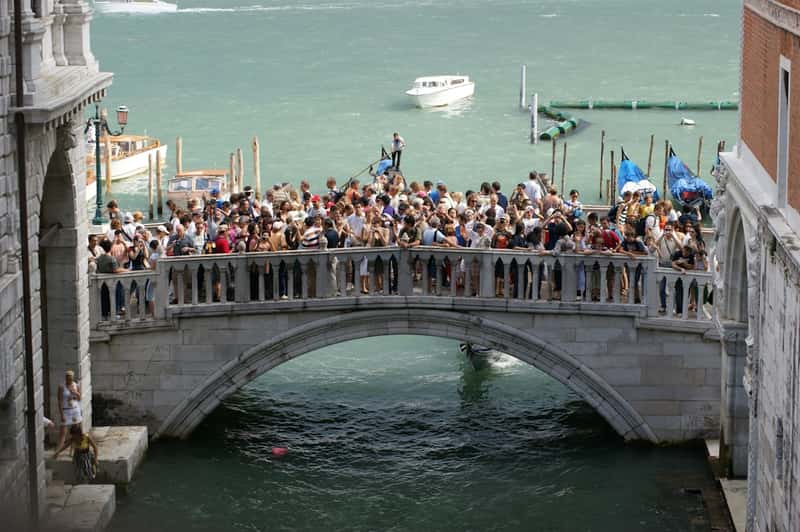
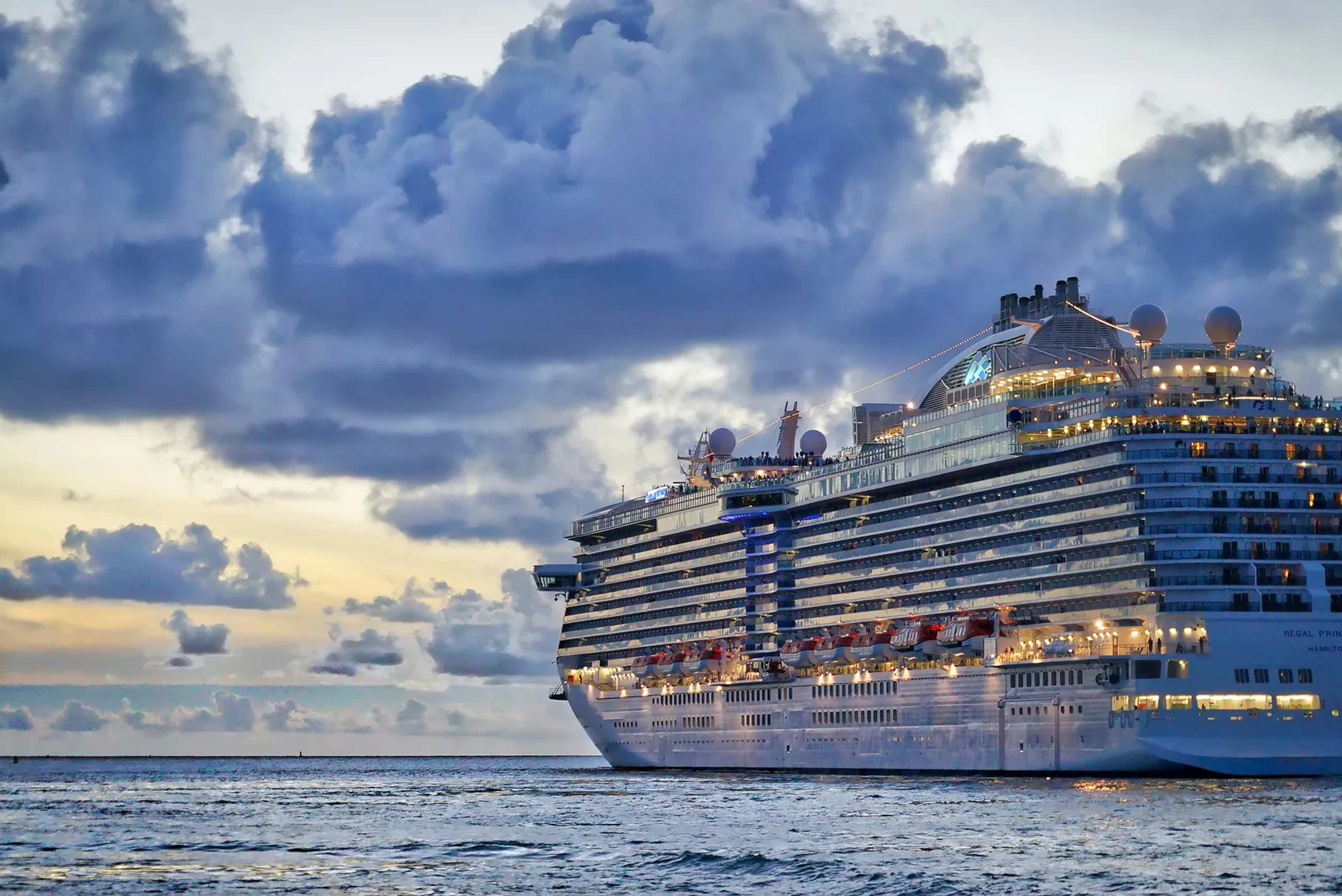
In April 2024, Venice introduced a €5 fee for day-trippers, with protest groups marching through the narrow streets holding banners like “Welcome to Veniceland” and “No to the ticket.” In 2021, cruise ships were banned from docking in the city center after years of protests. The historic city has become a symbol of Europe’s overtourism problems, with locals increasingly frustrated by the impact on their daily lives.
Turkey’s Political Unrest and Travel Disruptions
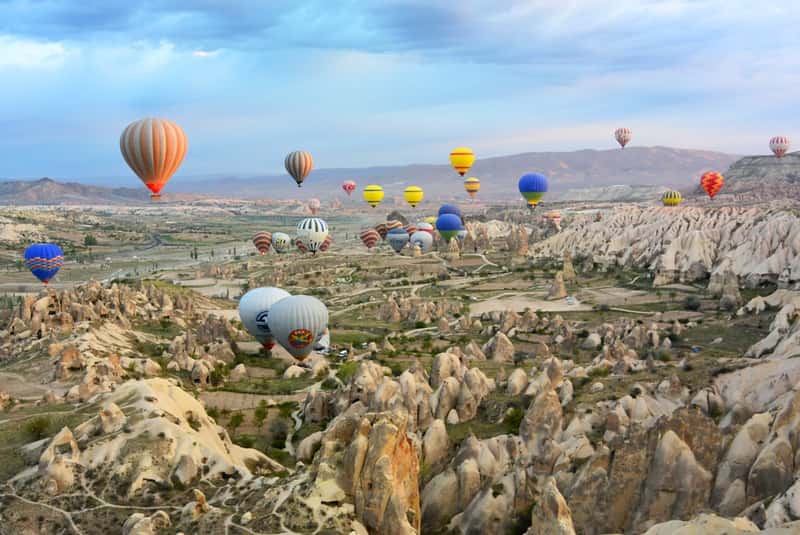
Political tensions and concerns about regional stability have created potential travel disruptions, with protests spreading throughout the country and Istanbul becoming the epicenter of unrest with travel restrictions now in place.
Regular demonstrations and protests are currently taking place in Istanbul and other cities across Turkey, which may become violent, with police response including the use of tear gas and water cannons. A 2024 UNHCR survey found that 77% of respondents in Turkey supported closing the border to refugees, the highest in the world.
Croatia’s Rising Tourist Fines and Restrictions
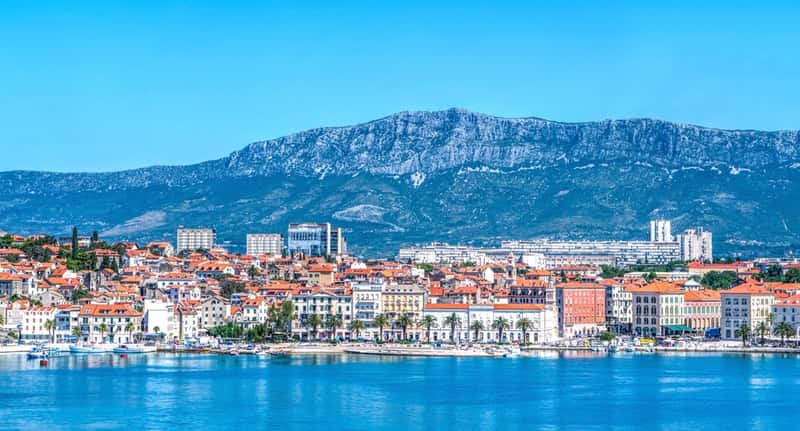
The historic coastal city of Split, Croatia, has taken steps to combat antisocial tourist behavior after a surge in rowdiness, with visitors seeing signs warning of €300 fines for public urination, climbing on monuments, jumping in fountains, or sleeping in public areas. While not as severe as other destinations, the increasing need for such measures signals growing frustration with tourist behavior that locals find disrespectful to their heritage sites.
Iran: Political Tensions Overshadow Cultural Hospitality
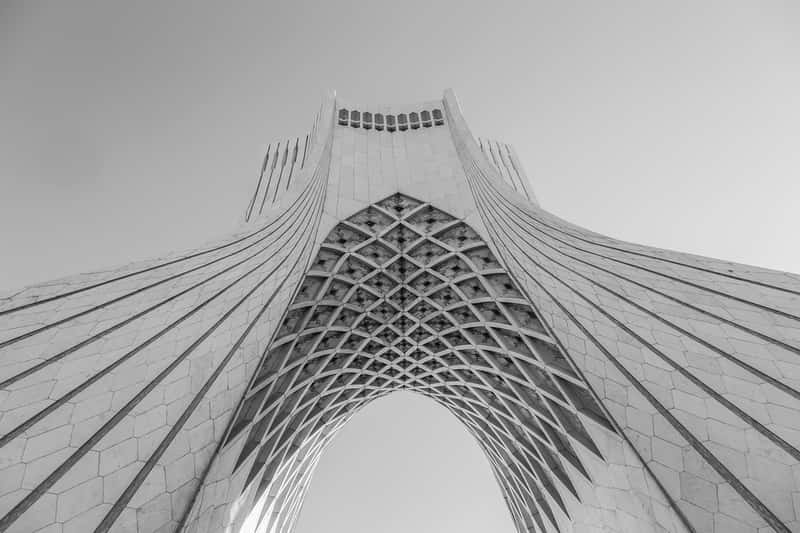
Iran offers rich cultural heritage and stunning landscapes, yet its political climate can make visitors wary, with the country’s strained relations with many Western nations contributing to the perception of an unwelcoming environment, while government policies and the potential for sudden political unrest can deter tourists. Despite the famous warmth of the Iranian people individually, the broader political atmosphere creates complex challenges for international visitors.
North Korea’s Strict Control and Surveillance
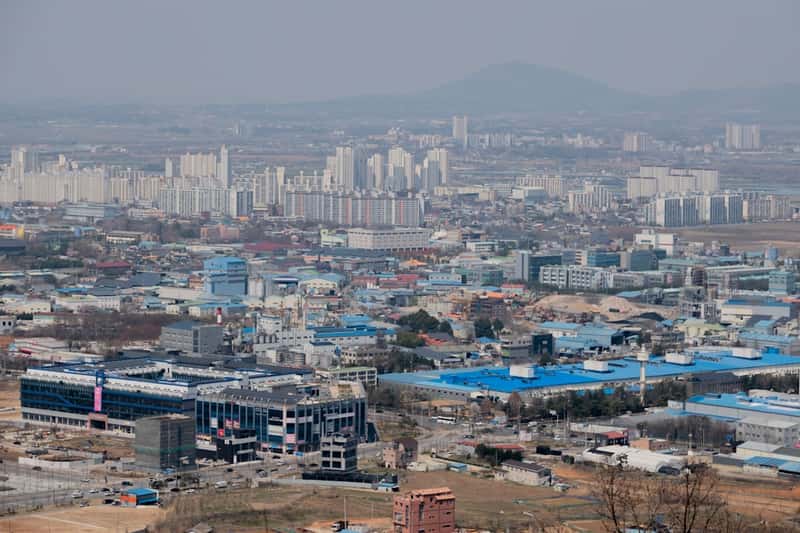
The lives of people in North Korea are very tightly controlled and policed, with no guarantee that tourists will be allowed to leave again once they enter the country, and US citizens are currently banned from traveling to North Korea after the Otto Warmbier incident.
Stepping into North Korea feels like entering a parallel universe, with the Hermit Kingdom’s strict regulations on where visitors can go and what they can photograph contributing to a sense of unease.
Russia: Bureaucratic Barriers and Geopolitical Tensions
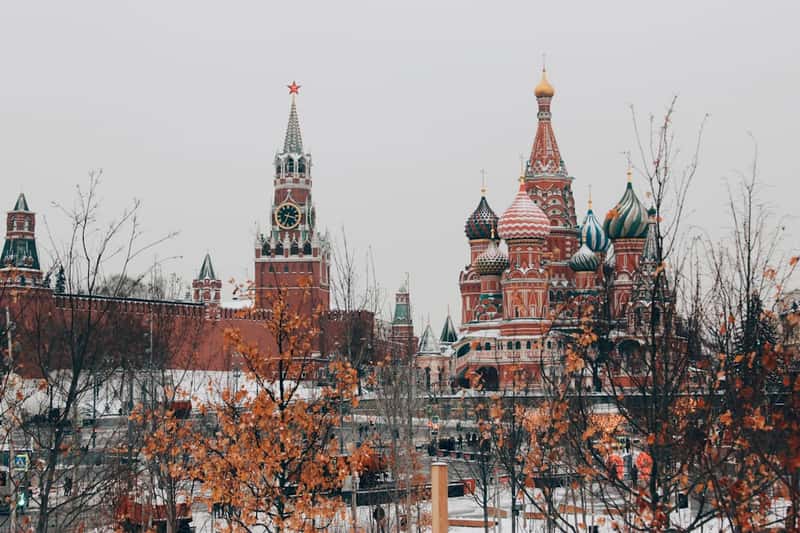
Russia, with its grand history and cultural richness, presents a paradoxical allure, with vast landscapes and historical cities that captivate the imagination, yet bureaucratic hurdles and geopolitical tensions can make the visitor experience daunting, stemming from stringent visa requirements and a political climate often at odds with Western nations. The ongoing geopolitical situation has made travel increasingly complicated for many international visitors.
The global tourism landscape has fundamentally changed in recent years. What once were automatic warm welcomes have been replaced by growing tensions between economic necessity and local quality of life. These ten countries represent a broader shift in how destinations balance their need for tourism revenue with the real concerns of their residents.