
Most people picture a travel agent as someone who hunts down the cheapest fare and clicks “book.” The good ones, it turns out, spend a surprising chunk of their time talking older clients out of bookings that look like bargains on screen. Tight layovers, hilltop rentals, cabins reserved too late, insurance bought a few days too slowly.
None of it sounds dramatic until something goes wrong a long way from home. Some of these warnings are obvious. A few quietly cost people thousands, and the one waiting at #1 is the sneakiest of all.
#24 – The “Great Deal” Nonrefundable Fare That Becomes a Trap

Travel + Leisure’s A-List advisors list booking nonrefundable airfare or hotels among the most common traveler mistakes. One advisor says she’s often called to help after a direct booking was made with the wrong dates or the wrong destination. A mistake like that stings at any age.
For clients planning around doctor visits or a spouse’s health, a locked-in date is a locked-in risk. That’s why flexible rates often get pushed first, even when they cost more upfront. The cheapest ticket is only a deal if you actually use it.
#23 – The Last Flight of the Day Nobody Warns You About

It’s often the cheapest seat on the board, and agents tend to be wary of it. Earlier flights typically run into fewer chain delays because problems haven’t had time to pile up from previous flights. A late-night departure inherits a whole day of other planes’ trouble.
One senior-travel guide notes that the evidence on mid-day turbulence and delays varies by route and season. But the advice on the last flight is blunter. Book morning departures when you can, and skip the final flight of the day unless you enjoy sleeping in airport chairs. A missed last flight can mean a night in the terminal.
Wait until you hear what agents say about connections in #22.
#22 – The 45-Minute Connection That Looks Fine on Paper

On a booking screen, a short layover looks efficient. In a huge airport, it’s a sprint. One senior-travel writer lists tight flight connections as a classic planning mistake, and admits that today he would likely miss flights he once made easily.
The fix is simple: add buffer time. Rick Steves suggests slow walkers request a wheelchair or electric cart when booking their seat, so connecting flights stay manageable. If you’re not flying direct, he also suggests checking your bag so you aren’t lugging it between gates. Agents would rather you wait two hours than run for ten minutes.
Fast Facts
- A short layover that looks efficient online can turn into a sprint in a large airport.
- Rick Steves suggests requesting a wheelchair or electric cart when you book your seat.
- Checking your bag on a non-direct trip means nothing to haul between gates.
- A direct flight removes the connection problem altogether.
And the next entry involves a seat that looks harmless.
#21 – The Random Seat Assignment Gamble

Skipping seat selection feels like saving money. But random assignment can land you in a middle seat or right beside the bathroom. On a long flight, that’s a real cost.
The advice is to research aircraft layouts with tools like SeatGuru or the airline’s own seat maps. Rick Steves recommends booking early to reserve an aisle seat, or paying for roomier economy plus. One guide goes further and says comfort matters more on long flights than saving about $30. A $30 savings can cost you eight hours of misery.
Hotels are where things get truly frustrating, starting with #20.
#20 – The Hotel That Looks Perfect Until You See the Stairs

Booking a hotel that looks perfect online, then discovering three flights of stairs and no elevator, is described as one of the most common and preventable senior-travel disasters. Photos rarely show the staircase.
Older, off-the-beaten-path or historic properties often haven’t been updated, which can mean uneven floors and steps you never saw online. One list of agent tips says calling the hotel directly is the fastest way to confirm the elevators actually work. A five-minute phone call beats a five-flight climb.
Next is a rental mistake that has nothing to do with the building itself.
#19 – The Charming Hilltop Rental With a Hidden Workout

Hilltop villages look storybook-perfect in listings. But a rental that sits a 20-minute walk from any restaurant, or perches atop a hilly village with no elevator, can be exhausting rather than relaxing. The view is real. So is the climb home.
The same guide argues the best rental supports your real pace, not the pace you had at 45. Be honest about how much walking is realistic, then pick a property that makes each day easy rather than heroic. Some trips are ruined by geography, not weather.
But the next rental mistake carries far higher stakes than sore legs.
#18 – The Rental With a Mini-Fridge and a Medication Problem

This is the booking mistake agents take most seriously. One guide calls it the highest-stakes mistake of all, and one that experienced over-60 travelers wish they’d been warned about sooner. Nobody lists “fridge size” as a deal-breaker until they need one.
If you take insulin, certain heart medications or biologics that need refrigeration, a rental with only a mini-bar fridge may not be enough. The fix is to ask before you pay. The smallest listing detail can be the most important one.
The next one involves a season most travelers romanticize.
#17 – The Peak-Summer European Trip Everyone Dreams About

Here’s an opinion that gets people arguing: for many older travelers, July in Europe is a mistake. Rick Steves suggests shoulder season, April and October, to dodge the crowds and summer heat that make European travel so draining. Agents who agree will often steer clients toward spring or fall.
Health is part of the logic. People aged 65 or older are more prone to heat-related health problems. A sun-baked cobblestone plaza isn’t relaxing at 95 degrees. Plenty of travelers still insist on summer, and that’s their call.
Now here’s one that only looks easy on the booking page.
#16 – The Shore Excursion Nobody Checked for Cobblestones

Cruise ports love a scenic hill. Cruise Critic’s community advises checking excursions for accessibility, terrain, age limits and transport, especially on cobblestones or hilly routes. The brochure says “easy walk,” but that phrase isn’t standardized.
Agents often steer clients toward excursions with a vehicle, flat paths or a seated option. The mistake isn’t booking an adventure. It’s booking blind. “Moderate activity” can mean very different things to different tour operators.
The ship itself matters even more, which brings us to #15.
#15 – The Cruise Line Chosen Purely on Price
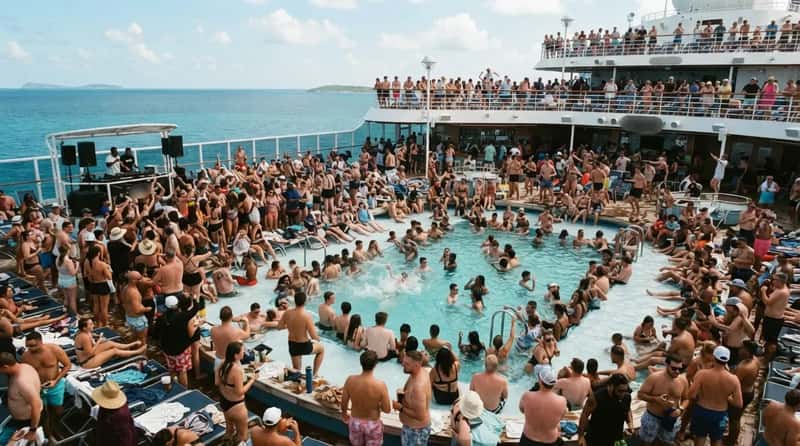
A cheap fare can put you on the wrong ship for you. Cruise Critic’s members say onboard activities, atmosphere and passenger mix vary widely by operator, so research the line and ship first. A party-forward ship and a quiet one can carry the very same price tag.
That’s why agents ask about your personality before your budget. The same guide suggests river cruises for travelers who want slower itineraries and smaller crowds. The wrong ship can be an expensive way to feel out of place. Price is a starting point. Fit is the actual deal.
Quick Compare
- Party-forward ship: lively, busy and built around nonstop activity.
- Quieter ship: the same price tag can buy a calmer atmosphere and a different passenger mix.
- River cruise: slower itineraries and smaller crowds, per the Cruise Critic guide.
The next surprise is a fee that quietly doubles some bills.
#14 – The Single Supplement That Doubles the Price

Widows, widowers and solo travelers are often blindsided here. One senior-travel writer says many single seniors either didn’t know about the single supplement or forgot how much it adds, and on cruises it can be as much as 100 percent. That means paying double for the same cabin.
Agents often steer solo clients toward operators who handle this differently. It’s a real budget trap that never shows up in the “from” price. Ask for the total per-person cost before falling in love with a trip.
Accessibility is the next landmine, and it expires fast.
#13 – The Accessible Cabin You Waited Too Long to Book

Accessible cabins are limited, and agents push clients to claim them early. Cruise Critic’s members advise booking accessible cabins long in advance. Waiting for a sale is exactly how people lose them.
The mistake is assuming a standard cabin will “work out.” Mobility needs are easier to plan for than to fix mid-voyage. The same guide warns that people underestimate the challenges travelers with limited mobility may face. A cabin you can’t comfortably move around in can overshadow the entire trip. Book the right room first, then chase the discount.
And the next one has nothing to do with money.
#12 – The Itinerary Built for Who You Were at 40

Here’s the friction point agents say they run into constantly. Clients over 60 often request the packed, high-energy itinerary they booked at 40, then privately admit halfway through that they wanted something calmer. Agents wish that preference surfaced during planning, not on day three.
Yes, some travelers do love a packed schedule. But one guide says the trips that disappoint older travelers most are built around rigid itineraries that treat rest as wasted time. The most expensive part of an itinerary may be the day you spend exhausted.
Next, the discount everyone chases and rarely finds.
#11 – Hunting for the “Senior Discount” Sticker

It’s the most common money question, and the answer is complicated. Most travelers think a deal means hunting for a senior discount, but one guide says that’s actually the last place to look. Real savings usually come from flexibility.
That doesn’t mean discounts don’t exist. Cruise Critic’s members advise comparing senior rates, special offers and group discounts, and asking agents or vendors about savings. The trick is asking, not assuming. A good agent will check what’s on offer without promising a magic fare.
The next one explains why the airlines went quiet on this.
#10 – The Airline “Senior Fare” That Mostly Stopped Existing

Decades ago, several major airlines offered straightforward senior fares for reaching a certain age. That era has largely ended, and most carriers now price seats through dynamic algorithms that treat every passenger the same.
The cost of searching for one can be real. Assuming a discount will show up at checkout wastes time and can lead to unofficial third-party sites promising savings that don’t actually exist. Some “senior fare” sites sell a discount that was never there.
But a bigger booking problem is who’s actually doing the booking.
#9 – The Trip Booked on a Number That Wasn’t Real

Agents say budgets cause quiet chaos. Clients over 60 often lowball their budget out of habit, then get sticker shock when the “reasonable” version of the trip doesn’t match what they pictured. Agents say this mismatch causes more disappointment than almost any other planning mistake they see.
Then there’s the decision-maker. A surprising number of trips get booked and then unbooked because the person on the phone wasn’t the one controlling the calendar or the credit card. Wasted hours and awkward renegotiations can often be avoided with one honest sentence. Agents prefer the real number upfront.
The next mistake is about timing, and it costs people their first choice.
#8 – Waiting Until the Dream Hotel Is Gone

Procrastination is the quiet budget-killer. One advisor says destinations are filling up a year or more in advance, and as hotels, guides and transport services get booked, prices go up. By the time you’re sure, the best option may not exist.
Agents hear this from clients of every age. For travelers who need specific accessible rooms or quiet itineraries, the pool is even smaller. The advisor recommends contacting a travel advisor once you’ve decided on a destination. Waiting for a perfect moment can cost you the perfect room.
But the next mistake only hurts when something goes wrong.
#7 – The Trip Where Nobody Back Home Has Your Itinerary

Agents say this one is simple and still skipped. Senior-travel specialists suggest choosing one friend or family contact and handing them a detailed itinerary with dates, times and booking numbers for every flight and hotel. It takes minutes.
The payoff is real. A five-minute update before departure can be the difference between a fast rescue and a frantic scramble. Nobody wants to be the missing traveler with no paper trail. It’s less about worry and more about speed.
Worth Knowing
- Pick one contact, not five, so there’s a single person who has everything.
- Include dates, times and booking numbers for every flight and hotel.
- Update them if anything changes before you leave.
- The goal is speed if something goes wrong, not constant check-ins.
Next, a request that should be made at booking, not at the gate.
#6 – Skipping the Assistance Request When You Book

Many travelers wait until they’re exhausted at the gate. Rick Steves advises slow walkers to request a wheelchair or electric cart when booking their seat, so they can easily make connecting flights. The request is much easier before the day of travel.
He also suggests keeping medications and other important items in a smaller carry-on. That way they stay with you on the plane and during layovers. Asking for help early isn’t giving up. It’s how you make the connection.
Now the final five, where the real money is at stake.
#5 – The Overseas Trip With No Medical Insurance

One senior-travel writer recommends that U.S. seniors traveling internationally buy travel medical insurance. Many people assume Medicare follows them abroad. Generally, it doesn’t.
Medicare usually does not cover medical care received outside the U.S. and its territories. An ER bill abroad can arrive in a currency you didn’t budget for. Agents tend to bring this up before the flights get booked.
But even people with extra coverage often misread it, as #4 shows.
#4 – Assuming Your Medigap Plan Covers Everything Abroad

A supplement plan can help, but it has limits. Some Medigap policies provide coverage for travel abroad. Those plans pay 80 percent of billed charges for medically necessary emergency care outside the U.S., after an annual $250 deductible.
Notice the words “emergency” and “80 percent.” Foreign travel emergency coverage under Medigap also carries a $50,000 lifetime limit. Routine care and large bills can still land on you. That’s why agents often suggest a separate travel policy anyway.
Next comes a mistake that can void a claim entirely.
#3 – Glossing Over Your Health History on the Application

It’s tempting to skip a detail to keep a premium low. But hiding medical conditions from an insurer is a common and costly mistake, since it can void a claim entirely if something goes wrong during the trip. Agents tend to say it plainly.
Pre-existing conditions are far more common among older travelers than most people assume, and insurers ask about them for a reason. A skipped line on a form can undo a policy. Honesty at purchase is cheaper than a denied claim.
But the cruise detail in #2 surprises almost everyone.
#2 – The Cruise Where Medicare Stops at the Six-Hour Mark

Many people assume the ship’s doctor falls under their Medicare. Not exactly. Medicare will pay for care on a cruise ship only when the ship is in U.S. territorial waters, meaning in a U.S. port or within six hours of arrival or departure.
Past that mark, you’re on your own. Once the ship is more than six hours from a U.S. port, you pay out of pocket unless a Medigap or Medicare Advantage plan has foreign travel benefits. Out at sea, your coverage can quietly vanish. Agents often raise this before they raise the cabin category.
And the number one booking mistake comes down to a countdown you can’t see.
#1 – The Insurance Clock That Starts Before You Even Know It

This is the one agents say is easiest to miss. Many policies need to be bought soon after your first reservation, or coverage is limited and likely won’t include pre-existing conditions. Many require purchase within 14 to 21 days of your initial deposit to qualify for a pre-existing condition waiver.
The clock starts earlier than people think. It starts with your first trip payment, on any component of the trip. Waiting until everything is booked can quietly forfeit the waiver. Check your exact plan’s days.
At a Glance
- When the clock starts: your first trip payment, on any part of the trip.
- How long you have: many policies require purchase within 14 to 21 days of the initial deposit for the waiver.
- What’s at stake: pre-existing condition coverage may be limited if you wait.
- Smart move: write down the date of your first deposit, then count forward.
The bottom line: Most of these mistakes aren’t about age. They’re about booking on autopilot. Tight connections, no-elevator hotels, a missing itinerary and an expired insurance window all look harmless on the screen. Agents steer clients away because they’ve watched the fallout.
The fixes are small: a phone call, a buffer, an honest budget, a policy bought within two weeks. Which of these would you have booked without a second thought?