Wandering through cobblestone streets or hiking mountain trails, the last thing most travelers expect is to face genuine danger from a four-legged local. Though street dogs can be found in cities across the globe, certain destinations have earned particularly troubling reputations for canine encounters that quickly escalate from curious to catastrophic.
Most of these situations stem from complex social and health issues rather than simple aggression. The World Health Organization estimates that there are more than 200 million stray dogs worldwide and that every year, approximately 59,000 people die from rabies, while another 15 million receive post-exposure treatment to avert the deadly disease. Understanding which countries present the highest risks can help travelers prepare appropriately and stay safe during their adventures.
India: The World’s Stray Dog Capital

India has the highest number of attacks by stray dogs in the world. Up to 30 million stray dogs roam the planet, with about 30 million in India alone. India has more than 30 million stray dogs with more than 20,000 people dying of rabies every year. The sheer scale creates daily encounters between locals and visitors alike with potentially aggressive animals.
Recent incidents paint a stark picture of the dangers. On February 19, 2023, a 4-year-old boy was fatally attacked by three stray dogs on a deserted street in Hyderabad, with graphic footage circulating on social media. Even more concerning, in 2018, stray dogs killed 14 children in Khairabad, Sitapur, Uttar Pradesh. The dogs were called man-eaters as some of the children’s body parts were chewed off.
Uttar Pradesh, Odisha, Maharashtra has the highest number of stray dogs. Tamil Nadu, Maharashtra, and West Bengal have the highest number of dog bites. The Bihar government found that stray dog bites are the third largest cause of disease in the state.
Turkey: A Cultural Crossroads Under Pressure

Turkey presents a fascinating contradiction regarding street dogs. With an estimated 4 million stray dogs scattered across the country, the issue of stray canines has become a defining feature of Turkey’s landscape. However, the situation has grown increasingly complex and dangerous in recent years.
One association campaigning for the legislation said at least 75 people, including 44 children, had been killed as a result of dog attacks or traffic accidents caused by dogs since 2022 – including the head of the association’s nine-year-old daughter. Mahra Pinar was run over after fleeing from two dogs in 2022.
Though more than 80 percent of people say they love stray animals, only around 30 percent of Turks find stray dogs to be dangerous, and less than 40 percent of participants have ever been attacked by a street animal. The growing pack behavior is concerning. Although most are harmless, a growing number are congregating in packs. They can be aggressive, particularly unsterilised males.
Bulgaria: Eastern Europe’s Deadly Problem

Bulgaria’s street dog crisis reached international headlines in shocking ways. A pack of more than two dozen dogs mauled an 87-year-old retired professor in the capital of Sofia, home to an estimated 10,000 stray dogs. The man, his face and limbs shredded, died after ten days in intensive care. Bulgaria, indeed, is swarming with strays, and a progressive government-funded sterilization program seems to be unable to curb the animals’ population.
The situation demonstrates how quickly encounters can turn deadly. Most of the country’s street dogs seem gentle enough, sleeping away the days in the streets and plazas, many sporting the yellow ear tag signifying that they’ve been sterilized. But with dangerous regularity, the dogs turn mean.
European statistics highlight the broader regional problem. Countries with the highest number of dog bite fatalities between 1995 and 2016 include: Hungary (94), France (79), Romania (67), the United Kingdom (56), and Poland (49).
Romania: Pack Hunting in Urban Areas
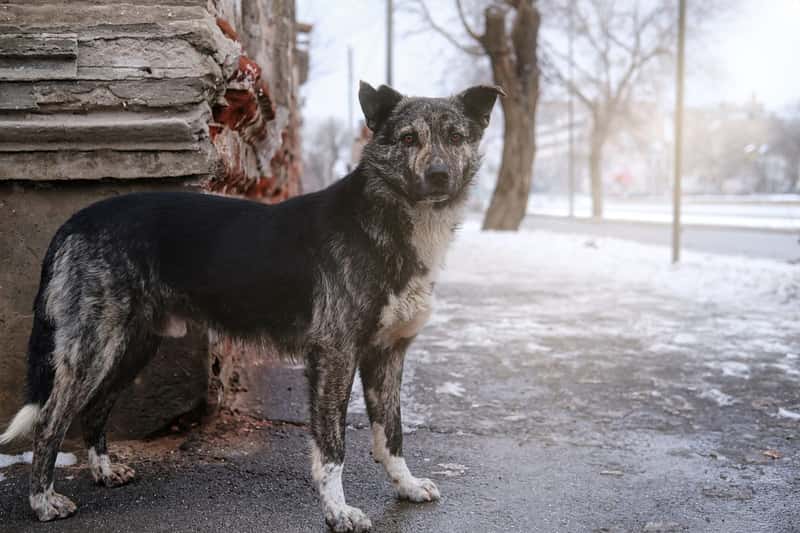
Romania faces severe challenges with roaming dog populations in both rural and urban environments. A pack of street dogs naps on a traffic island in Bucharest, Romania. In spite of a culling program, the animals swarm the streets – and occasionally maul residents and tourists.
The problem extends beyond major cities into smaller communities where resources for population control remain limited. Local authorities struggle to balance public safety concerns with animal welfare considerations, often leading to inconsistent policies that allow dangerous situations to persist.
Travelers report frequent encounters with aggressive packs, particularly in areas where tourists might venture off main thoroughfares or visit historical sites in less developed regions.
Morocco: Desert Dogs with Survival Instincts

Morocco presents unique challenges for travelers encountering street dogs. More than 99 percent of Morocco’s population is Muslim, and Kadaoui says many of them believe dogs are impure. This cultural context creates situations where dogs receive little human care and develop survival behaviors that can appear threatening to visitors.
One of the biggest issues is that Moroccans are taught to fear dogs, and that dogs think they are in danger when they sense fear. For instance, a dog barking and running toward someone may seem aggressive, when really it’s merely curious. Unfortunately, this misunderstanding frequently escalates encounters unnecessarily.
Taoujini, who posts graphic photos of injuries he says were caused by Beldis on his Facebook page, says the dogs are often dangerous. He notes that people in cities across Morocco have begun carrying small rocks to throw in case they need to protect themselves, their children, or their pets.
Thailand: Tropical Paradise with Hidden Dangers

Thailand’s reputation as a tourist paradise doesn’t extend to its street dog population. An estimated 200 dogs per square kilometer occupy Bangkok, fouling sidewalks and streets, causing traffic accidents and serving as vectors for rabies and other diseases. A nip on the ankle by a stray dog in any of these developing countries quickly jolts Western tourists into the life-and-death reality of the situation.
The concentration of dogs in tourist areas creates frequent encounters between unsuspecting visitors and potentially dangerous animals. Many travelers report being followed or surrounded by packs while walking between temples or exploring markets.
The rabies risk remains particularly concerning, as since then a number of rabid dogs have been imported, nearly all rescue dogs from countries with ongoing rabies epidemics. These dogs have come from a variety of locales including Puerto Rico, Thailand, India, and others described in official CDC publications.
Greece: Ancient Streets, Modern Problems
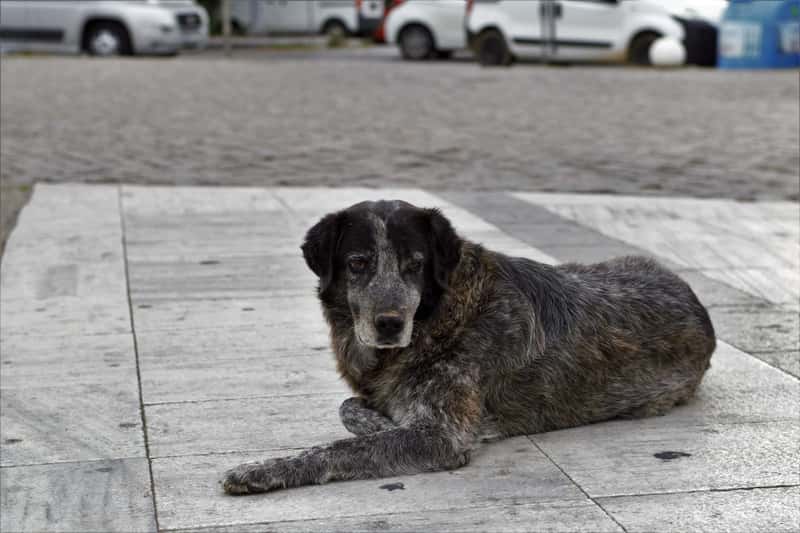
Greece’s street dog population creates ongoing safety concerns for both residents and tourists visiting archaeological sites and traditional villages. The historical significance of locations often means that dogs have established territories around popular tourist destinations without adequate population control measures.
Travelers frequently encounter dogs while hiking between ancient ruins or exploring island communities where veterinary services remain limited. The combination of territorial behavior and limited human intervention creates situations where dogs may perceive tourists as threats to their established areas.
Urban areas face similar challenges, with packs forming in parks and public spaces where tourists gather. The lack of consistent feeding schedules can make dogs more aggressive when approaching humans they associate with food sources.
Mexico: Border Towns and Tourist Zones
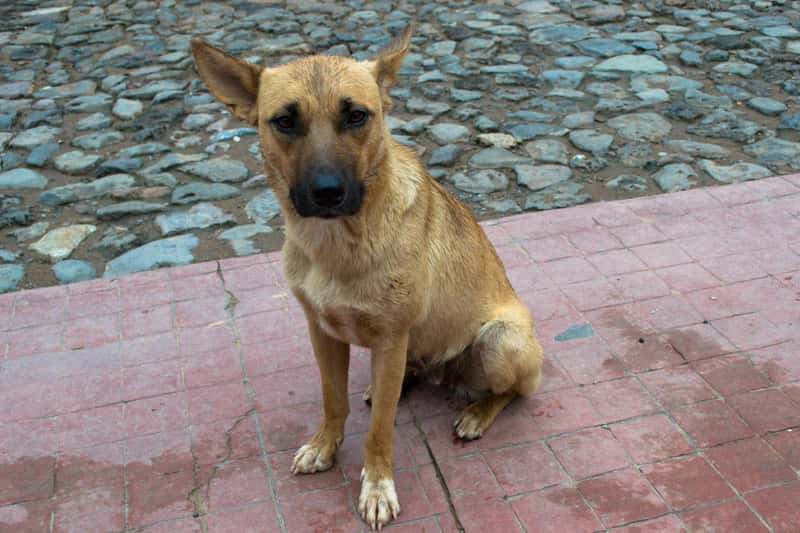
Mexico’s diverse geography creates varying levels of street dog encounters depending on the region. Border towns and popular tourist destinations often struggle with large populations of uncared-for animals that have learned to associate humans with food opportunities.
Beach resorts and colonial cities present particular challenges where dogs have adapted to tourist patterns, often becoming more aggressive during busy seasons when competition for scraps increases. Rural areas pose different risks, with dogs serving as property guards that may not distinguish between intruders and lost tourists.
The warm climate allows year-round breeding, making population control efforts difficult to maintain effectively. Many travelers report encounters with sick or injured animals that display unpredictable behavior due to pain or illness.
Brazil: Urban Sprawl Meets Canine Chaos

Brazil’s massive urban centers create complex environments where street dogs interact with millions of residents and tourists daily. Favelas and tourist areas often overlap, creating situations where dogs accustomed to protecting territory encounter unsuspecting visitors.
The country’s economic disparities mean that animal control resources vary dramatically between neighborhoods, often leaving tourist areas inadequately protected. Beach communities face particular challenges during carnival season and major events when increased foot traffic agitates established dog territories.
Climate conditions support rapid reproduction, while limited spay and neuter programs allow populations to grow unchecked. Reports of pack behavior increase during dry seasons when food sources become more scarce and competition intensifies.
The reality of street dog encounters abroad requires travelers to understand both immediate safety concerns and broader public health implications. Rabies causes an estimated 59,000 deaths in people every year across more than 150 countries. About 95% of these cases happen in Africa and Asia, according to the World Health Organization. While most street dogs pose no direct threat, the combination of unpredictable behavior, pack dynamics, and disease transmission creates genuine risks that informed travelers can learn to navigate safely.
What strategies do you use when encountering street dogs during your travels? Share your experiences in the comments.