Air travel in 2026 has become a strange mix of record bookings and record frustration. Fares are climbing, fuel costs are unpredictable, and yet passengers keep flying in huge numbers, even as complaint counts pile up at the Department of Transportation. Somewhere between full planes and empty patience, a handful of carriers have started showing up again and again in the same unflattering column of government reports, satisfaction surveys, and traveler forums.
What follows isn’t a hunch or a vibe check pulled from social media outrage. It’s based on data from the DOT’s Air Travel Consumer Report, J.D. Power’s 2026 satisfaction study, and independent tracking of cancellations, delays, and baggage mishandling. Some of these airlines are massive legacy carriers. Others are budget operators that trade comfort for a lower price tag. All eight have given travelers reasons to think twice before clicking “book.”
American Airlines
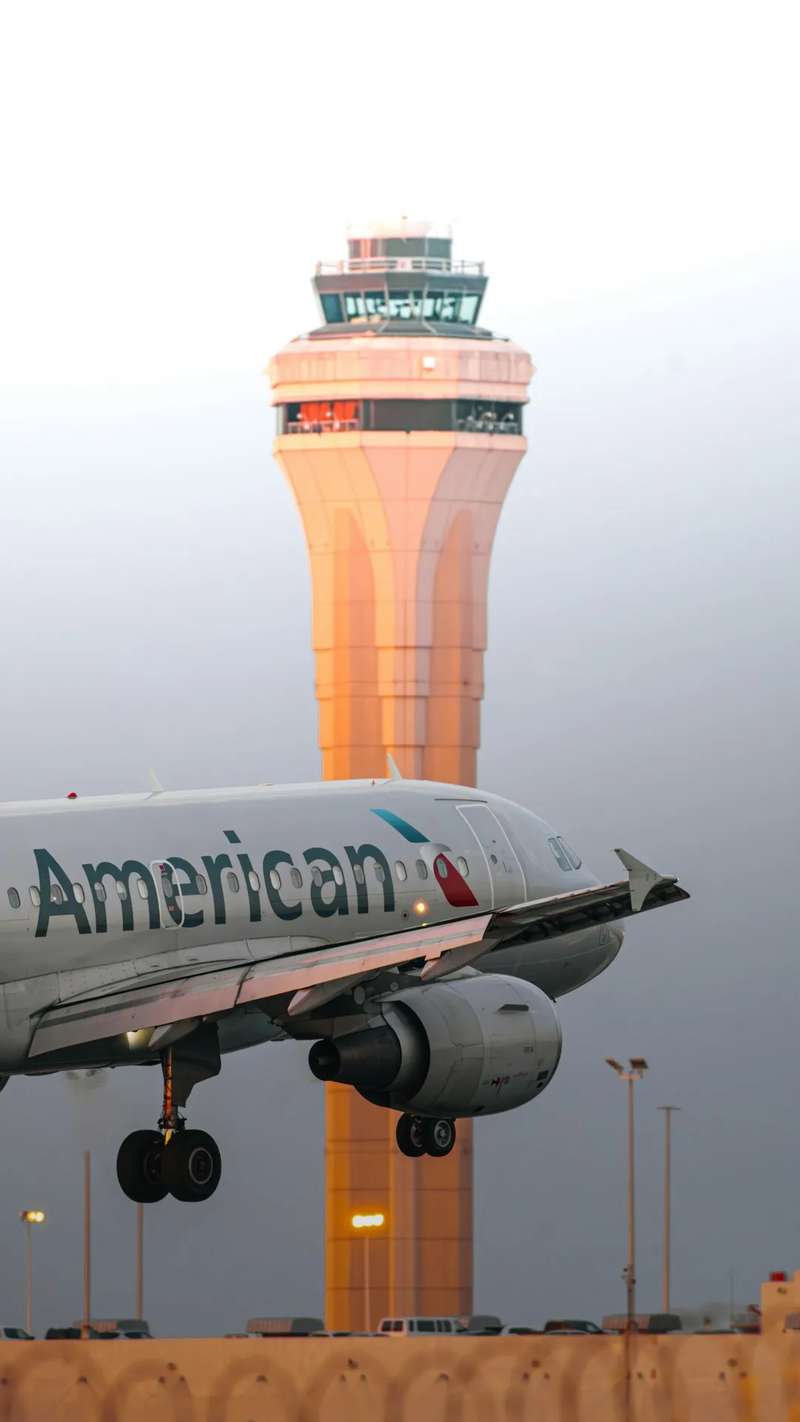
American has spent much of 2025 and 2026 at or near the top of the wrong list. It ranks worst overall because it struggled across the widest range of major categories, including the highest network cancellation rate in 2025, below average punctuality, poor baggage performance, the highest raw complaint total in May 2026, and a below average economy satisfaction score. In May 2026 alone, the carrier received more DOT consumer complaints than any other airline, with 1,181 cases, including 302 complaints about flight problems, 288 involving refunds, and 149 related to baggage.
Size is part of the story, but not the whole excuse. American carries far more passengers than many of the airlines on this list, and the complaint totals are not adjusted for airline size, but even so, its total was considerably higher than United’s 744 complaints and Delta’s 705. On the baggage front, the airline mishandled 0.66 bags for every 100 checked in 2025, the second worst result among the major airline networks and well above the industry average of 0.52, with only United performing worse. Passenger satisfaction hasn’t kept pace with the airline’s reach either, since it scored 624 out of 1,000 in J.D. Power’s 2026 economy and basic economy category, compared with a segment average of 627.
Frontier Airlines
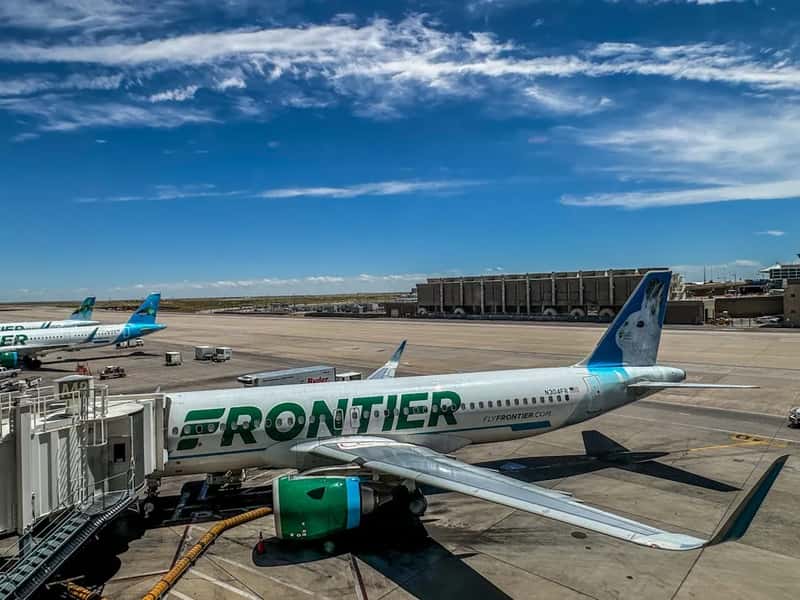
Frontier’s reputation for rock bottom fares comes with a well documented downside. The airline had the worst ratio of complaints to boarded passengers again in 2024, with a complaint ratio of 23.3 per 100,000 passengers, more than 10 points higher than the next worst airline, Spirit, at 12.8. That gap is not a rounding error. It’s the kind of number that shows up when a business model leans hard on fees and thin margins at the expense of service recovery.
Punctuality has not been Frontier’s strong suit either. In 2025, the carrier had the lowest on-time arrival rate at 70.7%, and passenger satisfaction followed the same downward path, since Frontier finished last in J.D. Power’s 2026 economy and basic economy category, scoring 533 out of 1,000 against a segment average of 627. Even the industry’s own satisfaction study confirmed the trend, with Frontier ranking last in the 2026 North America Airline Satisfaction Study.
JetBlue Airways
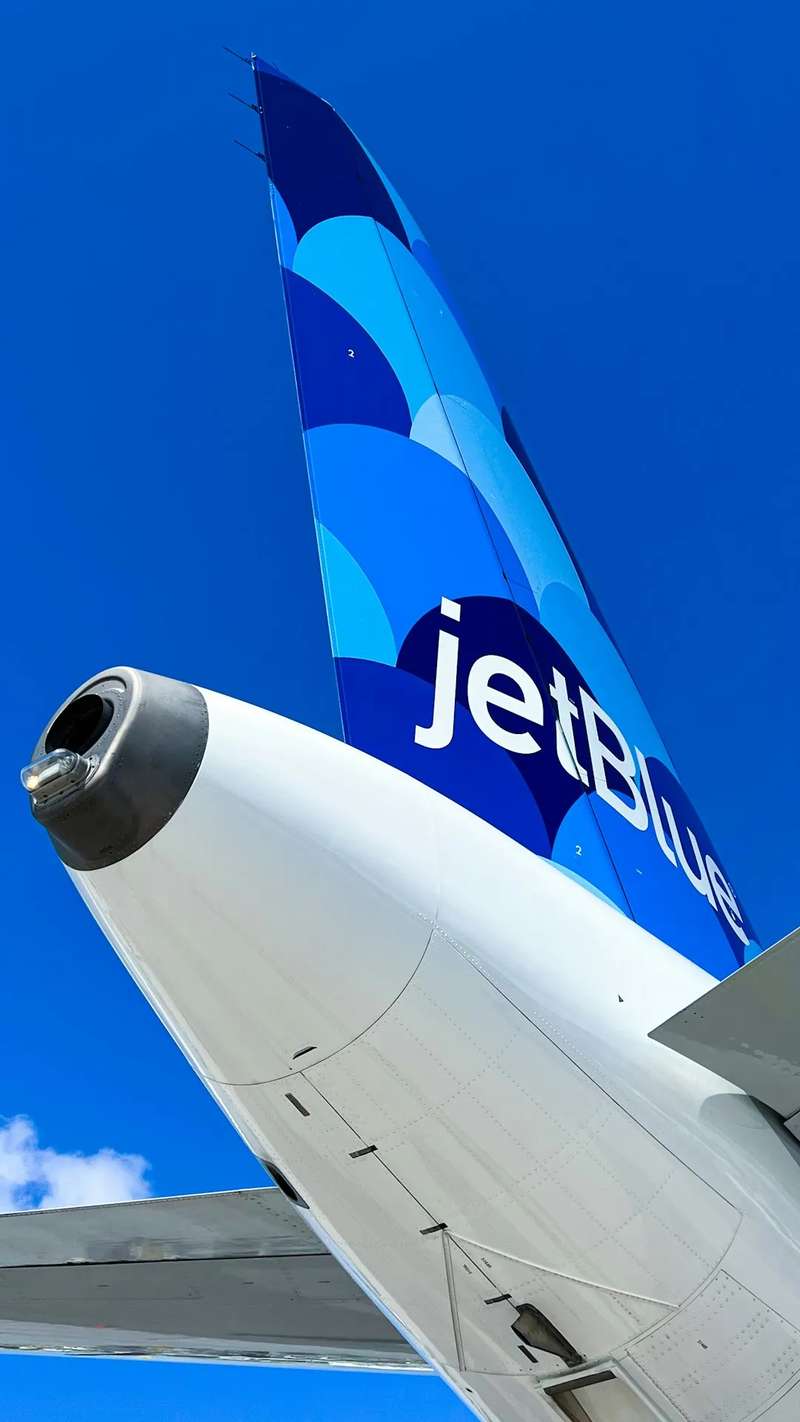
JetBlue built its brand on being the friendlier alternative to legacy carriers, but that reputation has taken a hit lately. The airline posted the third worst complaint ratio among the ten largest airlines, at 10.4 complaints per 100,000 passengers in 2024. More recently, its on-time record slipped even further behind the pack.
Through the first five months of 2026, JetBlue had the lowest on-time arrival rate among active reporting airlines, landing at just 70.5% for on-time arrivals during that stretch. Reviewers echo the data, describing an airline caught between its low-cost roots and a customer base that expected something closer to full service. One independent review site noted that JetBlue reviews often praise the company for its competitive prices and fast issue resolution, but the cracks emerge with delays, missing luggage, and a strained support system during disruptions.
United Airlines
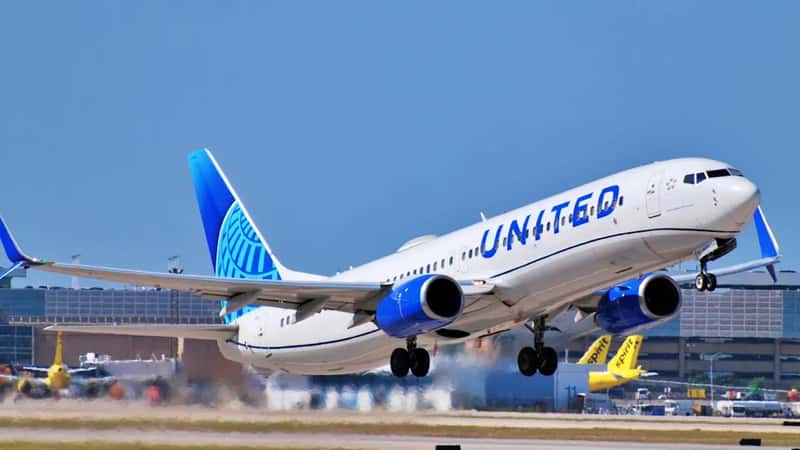
United’s operational numbers actually look decent on paper. In 2025, 76.9% of United flights arrived on time, slightly better than the industry average of 76.4%, and its cancellation rate was also fairly low at 1.36%. The problem shows up after the plane lands.
United had the highest mishandled baggage rate among the airline networks included in the 2025 report, losing, damaging, or delaying 0.72 bags for every 100 checked. That single weak point has been enough to drag the airline’s overall reputation down, with one dissatisfaction study finding United’s size amplifies every problem, with a high number of customer complaint searches and average review ratings of 3.3 out of 10 placing it near the top of the dissatisfaction chart despite fleet and operational improvements.
Allegiant Air
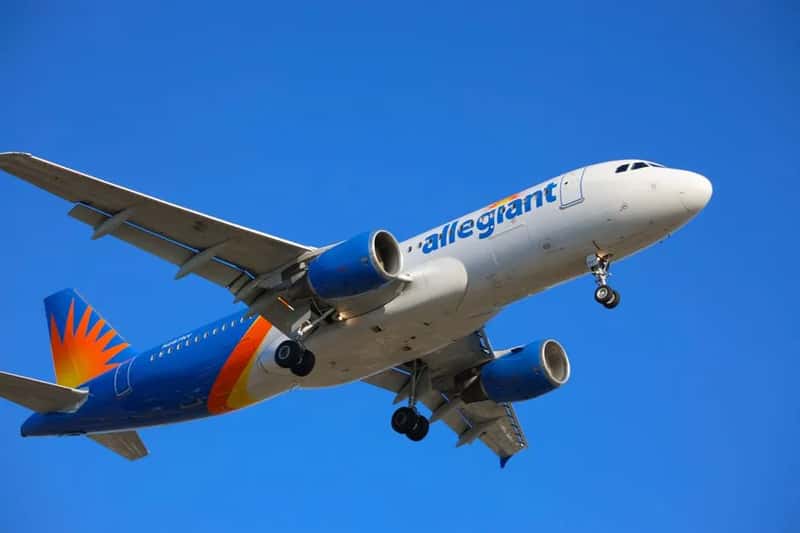
Allegiant rarely makes headlines the way the bigger carriers do, but its pattern of complaints has been consistent enough to land it on multiple worst-airline lists. The carrier’s older aircraft fleet and limited flight frequency leave passengers stranded when mechanical issues arise on a route served only twice weekly. That combination of infrequent schedules and aging planes turns small mechanical hiccups into multi-day headaches for travelers who have no easy backup option.
Recent survey data backs up the frustration. Allegiant has joined the list of the worst airlines in 2026, with a customer satisfaction score of 54.2% that is unremarkable and suggests complaint handling may be behind its low recommendation rate of 30%. As with several budget carriers on this list, the core issue isn’t necessarily the flying experience itself but what happens when something goes wrong and there’s limited staff or flexibility to fix it quickly.
Delta Air Lines
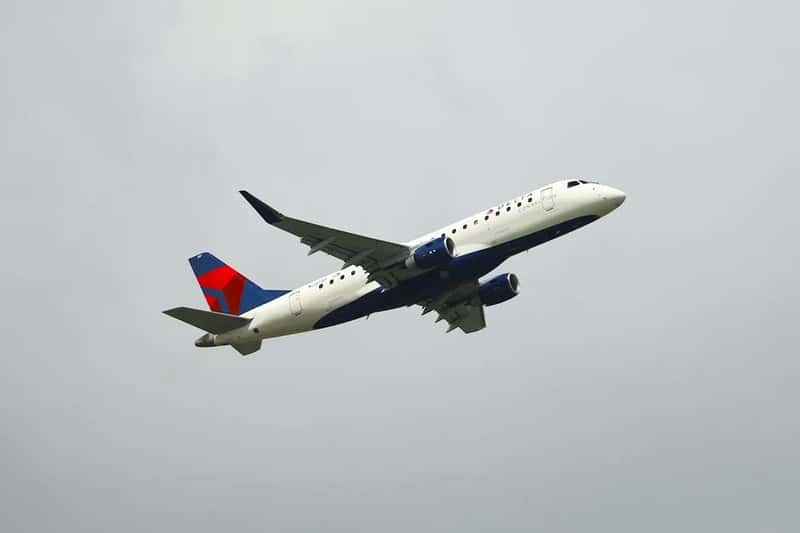
Delta’s inclusion here might surprise some travelers, since the airline has spent years as the industry’s gold standard. That streak came to an end in the 2025 rankings, when Southwest Airlines topped the rankings and Delta came in third, slipping from its No. 1 position over the past four years. The slide wasn’t cosmetic.
A major factor was operational. Delta’s 2024 summer system outage that caused widespread flight disruptions weighed heavily on its 2025 performance, and the airline also saw increases in delays, cancellations, and complaints filed with the U.S. Department of Transportation. Delta says it intends to reclaim the top spot, but for now the airline that once set the industry benchmark is dealing with the same kind of complaint growth that used to be someone else’s problem.
Ryanair
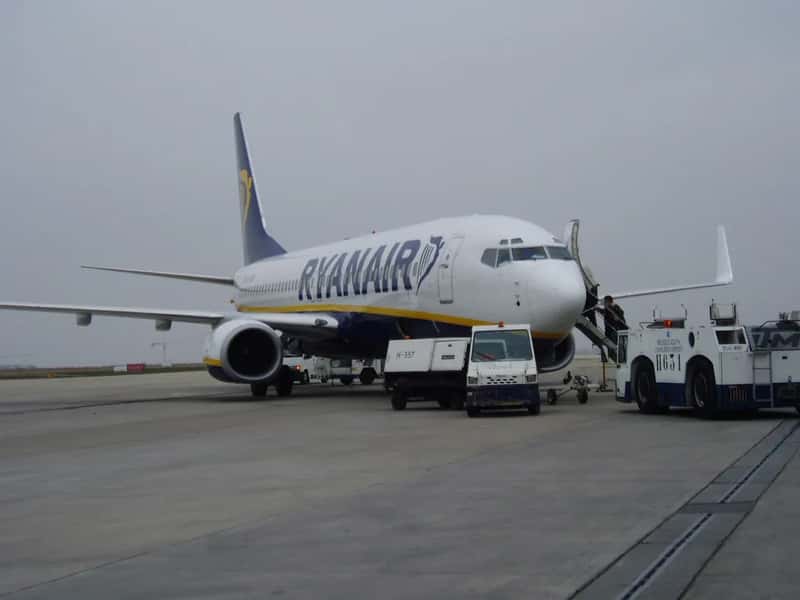
Across the Atlantic, Ryanair occupies a similar spot to America’s ultra-low-cost carriers, drawing enormous passenger volumes alongside a steady stream of frustration. As Europe’s largest low-cost airline, carrying nearly 182 million passengers in 2023, cheap fares come with rigid policies, limited customer service, and frequent complaints, and many travelers tolerate the experience for short flights but avoid it for anything longer. That trade-off, cheap tickets in exchange for strict rules, has defined the airline for years.
Industry surveys have picked up on the pattern too. One ranking of airlines with the worst customer service placed Ryanair, a low-cost carrier known for using sneaky tactics to get passengers to make more in-flight purchases, among the top ten worst performers globally. It’s not that Ryanair hides its model. It’s that the fee structure and limited flexibility catch enough travelers off guard to keep complaint volume elevated year after year.
Wizz Air
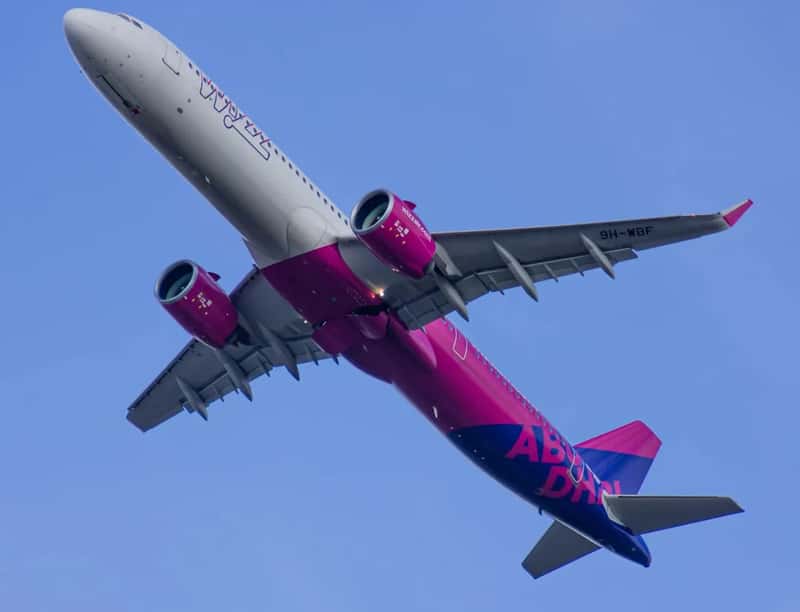
Wizz Air rounds out the European contingent of carriers under scrutiny, and its issues echo a familiar refrain among ultra-budget operators. The Hungarian low-cost airline ranks ninth on one dissatisfaction index, operating on a strict budget model that offers cheap fares across Europe but faces frequent complaints about punctuality and extra fees. Punctuality, in particular, keeps surfacing as a sore point among reviewers.
Other rankings place Wizz Air similarly low. A separate list of airlines with poor customer service ranked Wizz Air at No. 9 globally, joining a cluster of budget carriers whose low fares don’t always translate into forgiving customer support when flights run late or plans change. For travelers connecting through multiple European cities, that combination of tight schedules and thin service buffers can turn a minor delay into a missed connection with little recourse.
What Travelers Should Actually Watch For
None of these airlines are grounded or unsafe. Safety and complaint volume are separate metrics, and every carrier here still operates thousands of flights safely every week. What the data actually points to is a pattern of friction: delayed refunds, long hold times, mishandled bags, and cancellations that leave passengers scrambling without much support.
The DOT itself has been trying to catch up with the volume of complaints. The agency’s overhaul launched a modernized Aviation Complaint, Enforcement, and Reporting System on August 1, 2025, to replace an outdated 1990s-era application, and now provides a more granular view by distinguishing between complaints, compliments, and comments. For travelers, the practical takeaway is simple: checking recent complaint ratios and on-time performance before booking, especially on the carriers above, takes a few extra minutes and can save a lot of frustration later.