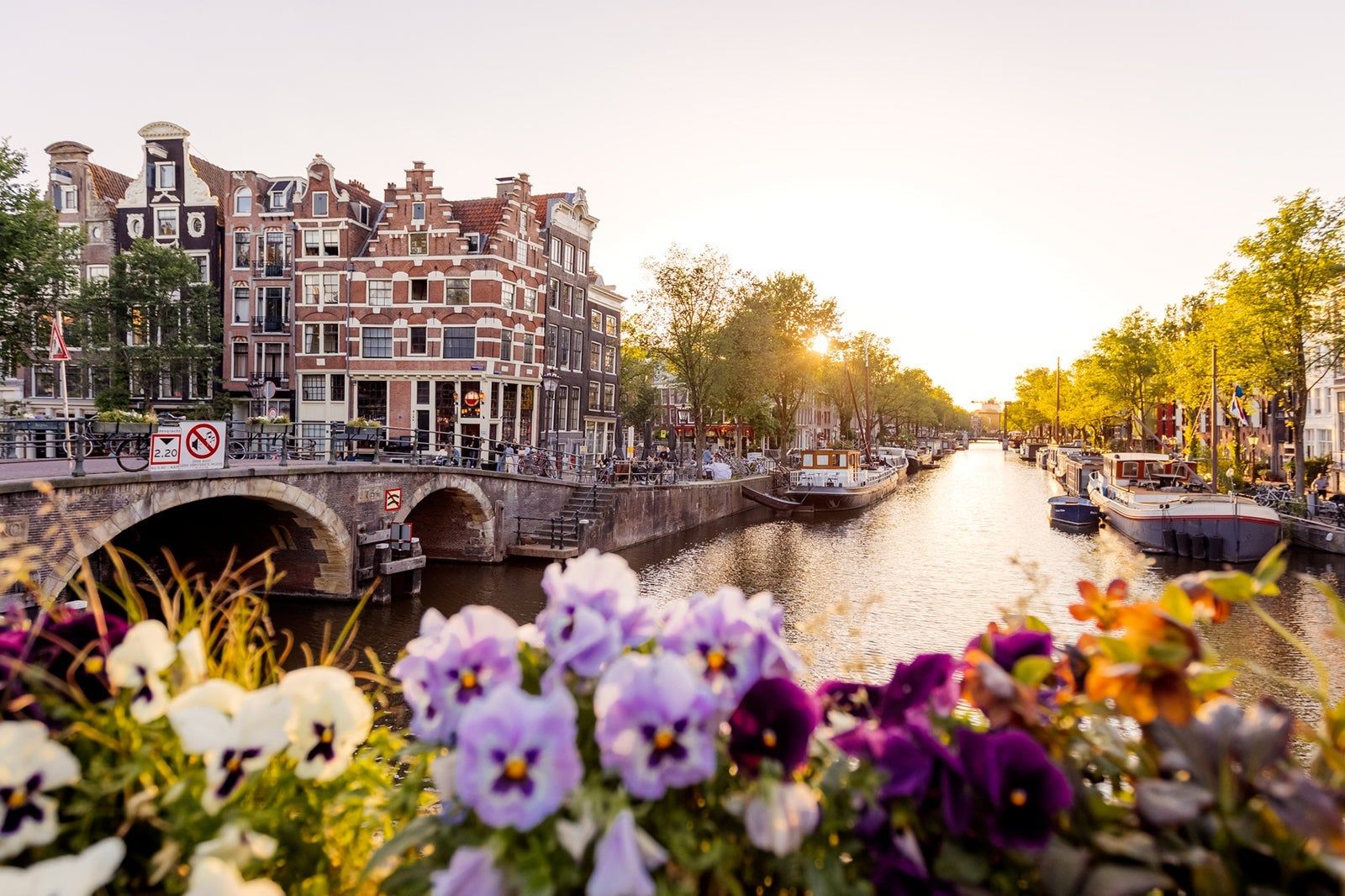

Packing for a trip abroad often comes with a nagging worry: will you be able to communicate once you land? In a handful of countries, that worry barely needs to exist. Locals in these places grow up learning English so early and so thoroughly that ordering coffee, asking for directions, or chatting with a hotel receptionist feels almost identical to doing it back home.
The data behind this comes from the EF English Proficiency Index, the largest global survey of adult English skills, which in its 2025 edition drew on test results from 2.2 million EF Skills Evaluation Technology test takers worldwide. Here are the ten non-native English-speaking countries currently sitting at the very top of that list, and why travelers keep finding English waiting for them at every turn.
1. The Netherlands: The Perennial Number One
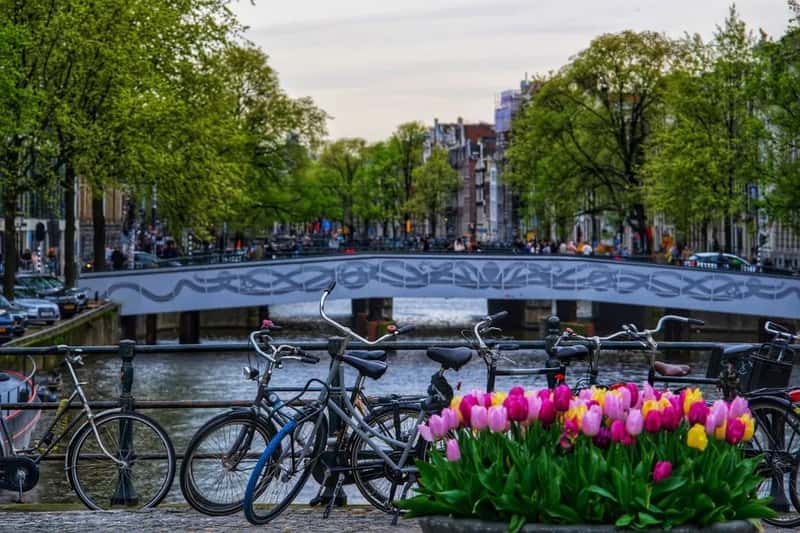
The Netherlands has topped this ranking for so long that its position feels almost permanent. In the 2025 index, the Netherlands remains number one, scoring 624 points and holding the “Very High Proficiency” band with room to spare. Dutch schools introduce English early, and the country’s culture treats it less like a foreign subject and more like a second mother tongue.
Part of the reason English feels so natural there comes down to media habits. Dutch television rarely dubs English-language content, meaning decades of English-heavy schooling combined with subtitled rather than dubbed television have shaped generations of fluent speakers. Amsterdam in particular functions as an international hub where business meetings, university lectures, and casual chats often slip into English without anyone thinking twice.
2. Croatia: The Fastest Climber in Europe
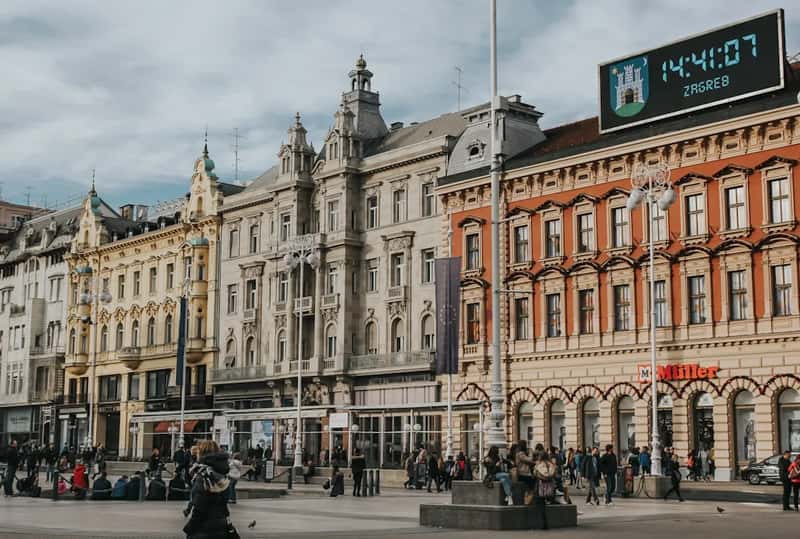
Few countries have surprised the ranking world quite like Croatia. It jumped from eleventh place all the way to second in the 2025 edition, rising from 11th place to 2nd and establishing itself as one of the strongest non-native English-speaking countries in the world, according to Croatia Week’s coverage of the report. That kind of leap in a single year is almost unheard of in an index this large.
The explanation seems to trace back to Croatia’s tourism-driven economy and its young population. Croatia has surged up the rankings driven by a young, tourism-focused population and strong school-level English teaching. Zagreb also punched above its weight, and the capital’s performance helped cement the country’s new status among Europe’s English-fluency leaders.
3. Austria: Where German Rules but English Thrives

Austria rounds out the global top three with a score of 616, and Vienna has become something of an unofficial international capital in its own right. Vienna has developed into an international hub, home to numerous global organizations and a large expatriate community that reinforces English usage outside the classroom. That mix of diplomats, students, and international staff keeps English audible on nearly every street corner.
Schools deserve credit too. Austrian schools introduce English early, and the country’s close economic ties with Germany and the broader European Union have made bilingualism a practical necessity rather than an academic luxury. Travelers to Vienna or Salzburg will find hotel staff, shopkeepers, and even museum guides switching to English with barely a pause.
4. Germany: Europe’s Economic Engine Speaks English Too
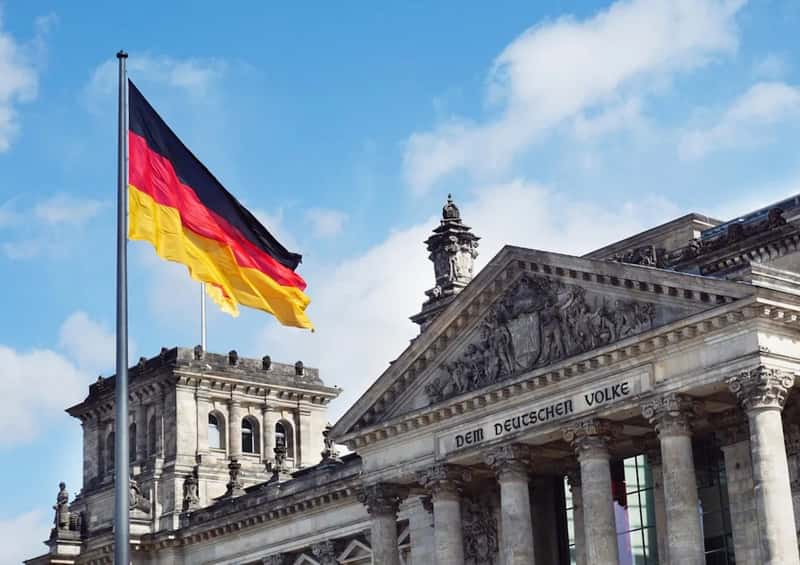
Germany posted one of the more notable moves in the latest index, climbing into fourth place with a score of 615. According to EF’s official announcement, Germany climbed to number four with one of the biggest gains in Europe. For a country of over 80 million people with its own dominant language, that kind of proficiency across such a large population is genuinely striking.
English functions as the default language of German international business, and it’s a mandatory subject in nearly every school system across the country. Visitors to Berlin, Munich, or Hamburg rarely struggle to find English speakers, especially among younger professionals working in tech, finance, or academia, where English-taught university programs have become increasingly common.
5. Norway: Fluency Built Into Everyday Life

Norway holds fifth place with a score of 613, continuing a long tradition of near-universal English competence. Like its Nordic neighbors, Norway benefits from a media culture that leans heavily on subtitles rather than dubbing, exposing children to spoken English from a young age, well before formal classroom instruction even begins.
Linguistic closeness helps too. Norwegian and English share Germanic roots, which makes grammar and vocabulary transitions smoother for Norwegian learners than for speakers of more distantly related languages. Combine that with an education system that treats English as essential rather than optional, and it’s easy to see why locals often sound remarkably natural when switching languages mid-conversation.
6. Portugal: A Rising Star for Digital Nomads

Portugal has climbed steadily and now sits in sixth place with a score of 612. Portugal has climbed steadily in recent years and now holds sixth place, scoring 612 in the 2025 EF EPI, describing it as a very high English-proficient country in line with other European nations. That trajectory has made it one of the index’s standout success stories over the past several years.
Tourism plays an outsized role here. Tourism plays an outsized role in Portugal’s English fluency, particularly in Lisbon and the Algarve, where hospitality workers routinely juggle multiple languages daily, and the country has become a popular destination for remote workers and digital nomads. That influx of English-speaking newcomers has, in turn, normalized English in cafés, coworking spaces, and small businesses across the country’s biggest cities.
7. Denmark: Copenhagen Leads the World’s Cities
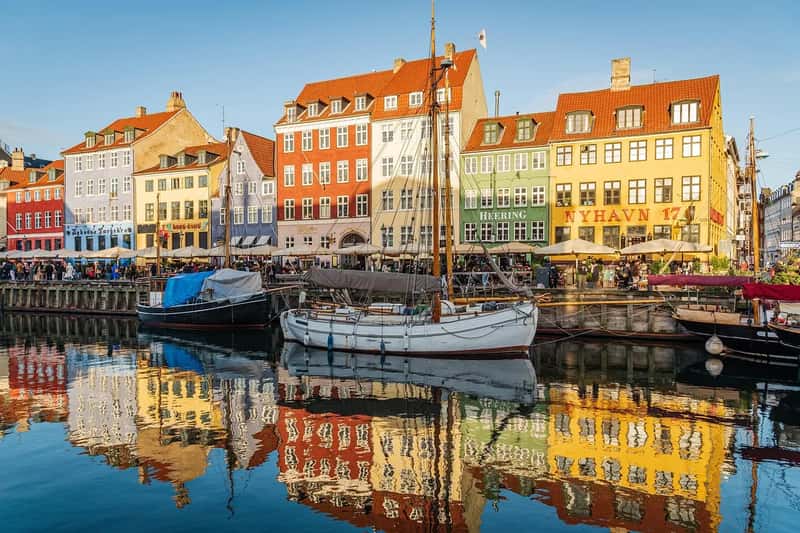
Denmark holds seventh place nationally with a score of 611, but its capital deserves special mention. When EF ranked cities rather than countries, Copenhagen was the top city, followed by Vienna, Stockholm, Amsterdam, Helsinki and Berlin. That makes Copenhagen the single most English-proficient urban center measured anywhere in the 2025 report.
The reasons echo the rest of Scandinavia. Danish television rarely dubs foreign content, which means children grow up hearing English regularly outside the classroom, and Copenhagen functions as an international business center where English is often the default language in meetings, university courses, and even government communications aimed at foreign residents. Visitors quickly notice that even casual small talk with strangers tends to flow effortlessly in English.
8. Sweden: Stockholm’s Impressive Showing
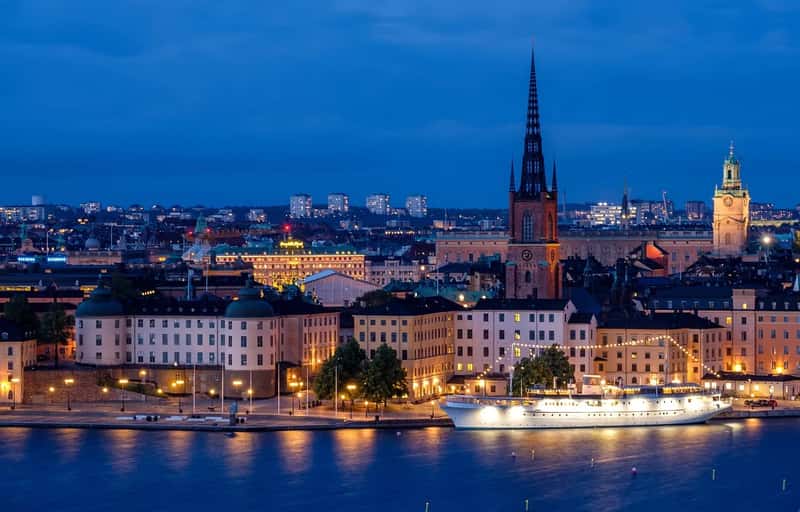
Sweden lands in eighth place nationally with a score of 609, but Stockholm’s individual performance stands out even more. Sweden lands in eighth place with a score of 609, maintaining its long-standing reputation as one of Europe’s most English-fluent societies, and Stockholm ranked among the top five cities worldwide for English proficiency, with a score of 637. That city-level score would rival the Netherlands’ national average.
Media habits again play a starring role. Swedish media, much like Denmark and Norway, favors subtitles over dubbing, which continually exposes viewers to authentic spoken English. Add a school system that starts English instruction in the early primary grades, and it’s little wonder Swedes are often mistaken for native speakers when traveling.
9. Belgium: English as a Neutral Common Tongue

Belgium sits in ninth place with a score of 608, and its multilingual identity adds an interesting twist to its English fluency story. In the Old Town of Brussels, Belgium scores 608, and in a country already split between Dutch and French, English often serves as a neutral common tongue, especially in Brussels. That neutrality makes English almost a diplomatic necessity in a nation with two major linguistic communities.
Brussels’ role as the de facto capital of the European Union only reinforces this. With EU institutions, international lobbyists, and multinational corporations all operating out of the city, English has become the practical working language for business and politics, even though it isn’t one of Belgium’s three official languages. Travelers visiting Brussels, Antwerp, or Ghent will typically find English a reliable fallback in restaurants, shops, and transit hubs.
10. Slovakia: Central Europe’s Quiet Success Story
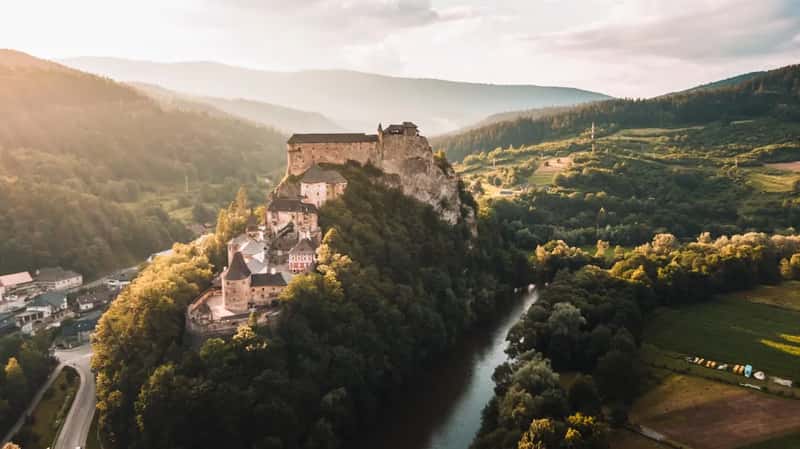
Rounding out the top ten is Slovakia, which achieved its best result yet in 2025. According to the Slovak Spectator, the latest EF English Proficiency Index 2025 places the country in tenth position worldwide, its best result yet, earning a “very high proficiency” rating and improving its score to 606, a tidy 22-point rise on last year. That jump is one of the more remarkable improvements in this year’s entire report.
EF’s own country manager attributes the gains to real-world exposure rather than classroom drilling alone. Monika Barboráková, EF’s country manager, attributes Slovakia’s progress to greater exposure through travel, study abroad, employment in multinational firms, and a steady diet of English-language media, combined with access to quality courses and online learning. Within its own region, Slovakia now leads decisively within the Visegrád Group, putting it ahead of neighbors like Poland, Czechia, and Hungary.
Why These Rankings Matter for Travelers

It’s worth understanding what this index actually measures before packing your bags based on it alone. The EF EPI draws its data from test takers who were self-selected, meaning it reflects people motivated enough to take a free online English test rather than an entire national population. Still, the pattern holds up consistently year after year, and it lines up with what most travelers experience on the ground in these countries.
One notable methodology shift happened this year too. Singapore, which had long ranked highly and was frequently the top performer in Asia in earlier editions, was excluded from the index since 2025 after being re-classified as a native English-speaking country. That reclassification is actually a compliment of sorts, suggesting Singapore’s English usage has become so widespread and deeply embedded that it no longer fits the “second language” category at all.
A Word of Caution: Speaking Still Lags Behind

Even in these high-scoring countries, the picture isn’t uniformly perfect. EF’s 2025 report, which for the first time evaluated speaking and writing using AI alongside traditional reading and listening tests, found a consistent weak spot. In over half of the countries measured, speaking is the weakest English skill, meaning locals may read and understand English brilliantly but hesitate more when it comes to producing fluent spoken responses.
There’s also a generational wrinkle worth knowing about. Contrary to expectations, adults under 25 are not rebounding post-pandemic, and in many countries they score lower than older age groups. So don’t be surprised if a middle-aged shopkeeper actually communicates more smoothly in English than a twenty-year-old barista in the same city.
Making the Most of English-Friendly Destinations

Traveling to any of these ten countries means you can realistically get by without ever opening a phrasebook, though a few polite phrases in the local language always earn goodwill. Business travelers, remote workers, and students will find these destinations particularly forgiving, since university courses, professional meetings, and even government services often operate smoothly in English alongside the local tongue.
That said, treating high English proficiency as a substitute for cultural curiosity would be a missed opportunity. Locals in the Netherlands, Croatia, or Slovakia didn’t reach these proficiency levels by accident. It reflects decades of educational investment and genuine openness to the wider world, and travelers who show a little linguistic effort in return tend to get an even warmer welcome.
The Bigger Picture Behind the Numbers

Zooming out, these rankings tell a broader story about modern Europe. Nine of the ten spots on this list belong to European nations, reinforcing a long-standing trend where the continent consistently outperforms every other region in the world on this particular measure. Factors like Europe having the highest proficiency in English, while the Middle East averages the lowest, show just how uneven global English adoption remains outside this concentrated cluster.
Economic incentives clearly play a role in sustaining this pattern. Research tied to the index has repeatedly found that exports per capita, gross national income per capita and innovation all correlate positively with English proficiency. Whether English fluency drives that prosperity or simply travels alongside it remains debatable, but the correlation itself has held steady across more than a decade of annual reports.
Final Thoughts Before You Book That Flight
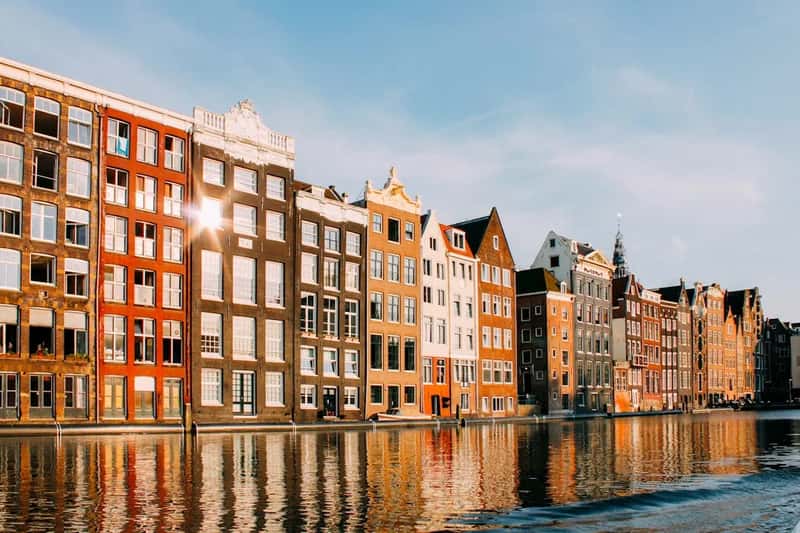
Choosing a destination where English fluency rivals home doesn’t mean sacrificing an authentic travel experience. Countries like the Netherlands, Croatia, and Denmark manage to combine deep cultural identity with exceptional English accessibility, proving the two aren’t mutually exclusive. You can wander through centuries-old streets in Zagreb or negotiate a boat rental in Amsterdam without ever feeling linguistically stranded.
What stands out most, looking across all ten countries, is how deliberate this fluency really is. It comes from early classroom exposure, media habits that favor subtitles over dubbing, and economies deeply woven into international trade and tourism. For travelers weighing where to go next, that combination of ease and authenticity might just be the most compelling reason yet to add one of these ten countries to the itinerary.