The Maldives just got more complicated. A luxury resort destination known for pristine beaches and overwater bungalows has now entered the world of cryptocurrency and blockchain technology. The Trump International Hotel brand has announced plans for a tokenized property in this tropical paradise, mixing high-end hospitality with digital assets in ways that might leave regular travelers scratching their heads.
This isn’t just another hotel opening. It represents a fascinating collision between traditional luxury travel and the emerging world of tokenized real estate. For most people planning their next vacation, the question isn’t whether blockchain technology will revolutionize hospitality, but rather what this actually means for booking a room or enjoying a holiday.
What Happened?
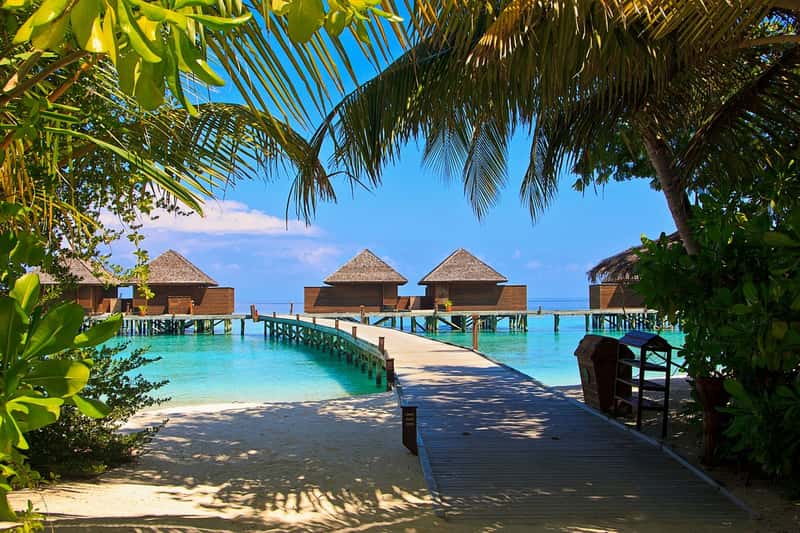
Reports suggest the Trump Organization may be considering plans to develop a luxury resort in the Maldives using a tokenized ownership model, though no official announcement has been confirmed. This would potentially mark one of the first major hotel brands to embrace blockchain-based ownership structures for a hospitality project, if confirmed.
The property will operate as both a traditional luxury hotel and a tokenized asset. Investors can purchase digital tokens representing ownership stakes in the resort, while regular guests can still book rooms through conventional methods.
The project represents a significant shift in how luxury hospitality properties might be financed and operated. Rather than relying solely on traditional hotel ownership models, the resort will blend conventional hospitality with digital asset investment opportunities.
The reported plans have generated considerable attention within both the travel industry and cryptocurrency communities. Many view it as a potential blueprint for future luxury hotel developments.
What Does a “Tokenized Hotel” Actually Mean?

Think of tokenization like dividing a pizza into slices, except the pizza is a luxury resort and the slices are digital tokens. Each token represents a fractional ownership stake in the property, stored on a blockchain network.
Token holders essentially become partial owners of the resort. They may receive benefits like revenue sharing from hotel operations, priority booking privileges, or discounted room rates. The tokens can potentially be bought, sold, or traded like other digital assets.
For the resort operators, tokenization provides an alternative funding mechanism. Instead of securing traditional bank loans or private investors, they can raise capital by selling these digital ownership stakes to multiple smaller investors.
The blockchain technology ensures transparency in ownership records and transactions. Every token purchase, sale, or transfer gets recorded on a public ledger that anyone can verify.
What Could This Change for Regular Travelers?

Most vacation planners won’t need to understand blockchain technology to book a room. The hotel will likely operate like any other luxury resort from a guest perspective, with standard reservation systems and customer service.
However, travelers might notice some differences in amenities or services. Token holders could receive priority access to restaurants, spas, or premium room categories during peak seasons.
Pricing structures might become more dynamic based on token holder demand and occupancy patterns. Regular guests could face higher rates during periods when token holders exercise their booking privileges most frequently.
The property might also offer guests opportunities to purchase tokens during their stay. This could create an entirely new category of vacation souvenirs, where visitors take home digital ownership stakes instead of just memories and photographs.
Customer service experiences could vary depending on whether someone booked as a regular guest or holds ownership tokens. Token holders might receive expedited check-in, dedicated concierge services, or exclusive access to certain facilities.
Politics, Ethics and the Maldives Backdrop

The Maldives presents a complex political landscape for any international hotel development. The island nation has experienced political instability and questions about democratic governance that some travelers consider when choosing destinations.
The Trump brand brings additional political considerations that extend beyond typical hospitality business concerns. Some travelers actively seek or avoid Trump-branded properties based on personal political preferences.
Environmental concerns also loom large in the Maldives, where rising sea levels threaten the nation’s very existence. Luxury resort development often faces scrutiny regarding environmental impact and sustainability practices.
The tokenized ownership model raises questions about foreign investment in Maldivian real estate. Local regulations governing cryptocurrency and digital assets may create legal complexities for both the resort operators and token holders.
The Bigger Trend: Tokenized Travel Real Estate

This Maldives project represents just one example of a broader movement toward tokenizing travel and hospitality assets. Several other companies have launched similar initiatives for vacation rentals, ski resorts, and urban hotels.
The appeal for developers is clear: tokenization can democratize real estate investment and provide access to capital from global markets. Instead of finding one wealthy investor, properties can attract hundreds or thousands of smaller stakeholders.
For investors, tokenized travel real estate offers exposure to hospitality markets without the complexities of direct property ownership. They can potentially earn returns from successful resort operations while avoiding responsibilities like property management or maintenance.
The travel industry sees tokenization as a way to build customer loyalty and recurring revenue. Token holders have financial incentives to return to properties they partially own and to recommend them to friends and family.
However, regulatory uncertainty remains a significant challenge. Different countries have varying approaches to cryptocurrency and tokenized assets, creating potential complications for international hospitality projects.
Would You Just Book – or Also Buy a Piece of Paradise?

The decision between booking a room and buying tokens depends largely on individual financial goals and risk tolerance. Token ownership involves investment risks that don’t exist with traditional hotel bookings.
Some travelers might find the concept appealing as a way to combine vacation experiences with potential financial returns. Others may prefer the simplicity of booking a room without any additional financial commitments or complications.
Token ownership could provide ongoing connections to favorite destinations through revenue sharing and ownership privileges. This might appeal particularly to travelers who return regularly to the same locations or properties.
However, tokenized ownership also introduces complexities around taxes, regulations, and digital asset management that many vacation planners would prefer to avoid entirely.
The success of this model will likely depend on how seamlessly the resort can serve both regular guests and token holders without creating a two-tiered experience that feels exclusionary to traditional travelers.
Conclusion
The Trump International Hotel Maldives represents an intriguing experiment at the intersection of luxury travel and digital finance. Whether this tokenized approach becomes a hospitality industry standard or remains a niche curiosity will depend largely on execution and guest satisfaction.
For most travelers, the primary concerns remain unchanged: quality accommodations, excellent service, and memorable experiences. The underlying ownership structure matters less than whether the resort delivers on these fundamental hospitality promises.
What do you think about mixing vacation planning with cryptocurrency investments? Tell us in the comments.