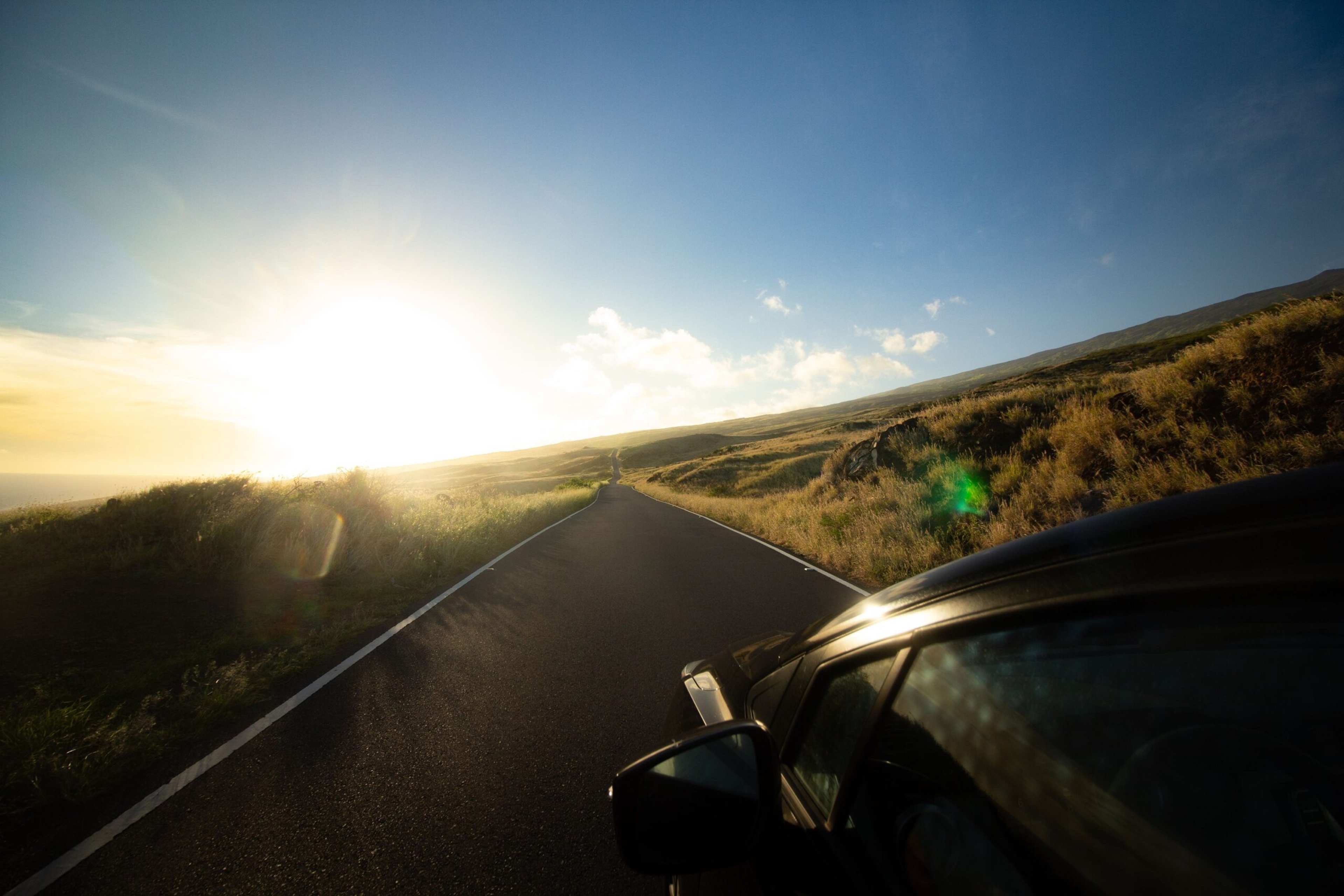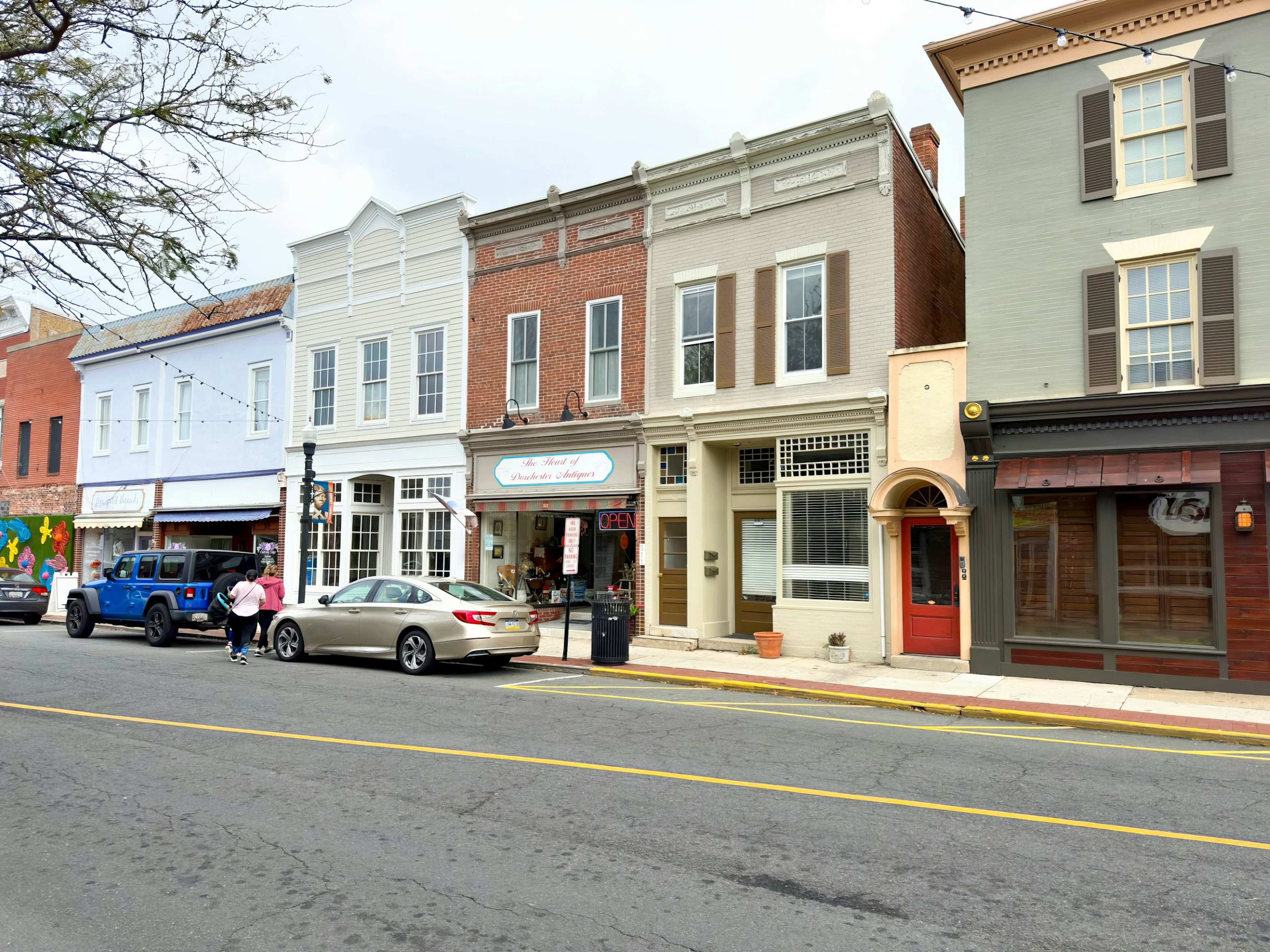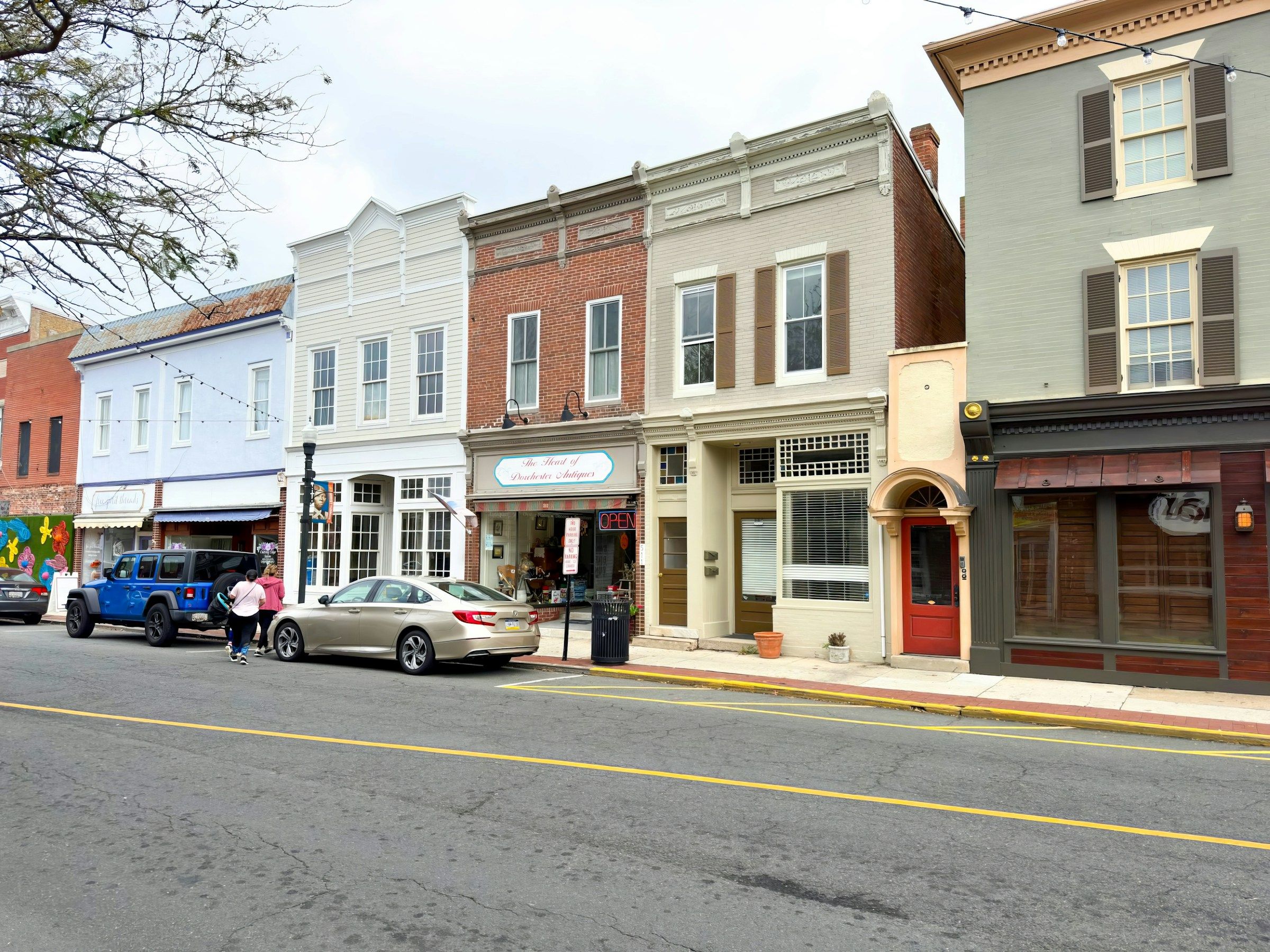
Most of us know the feeling. You turn off the highway, pass a brick storefront or a harbor full of old boats, and the pace of everything shifts. Phones still work, but they seem a little less urgent.
Plenty of American towns have this quality, and it rarely happens by accident. Sometimes a rule keeps the buildings intact. Sometimes the economy simply moved elsewhere and left the main street alone. Here are eight places where the past is still easy to see, along with a few notes on why they look the way they do.
Mackinac Island, Michigan
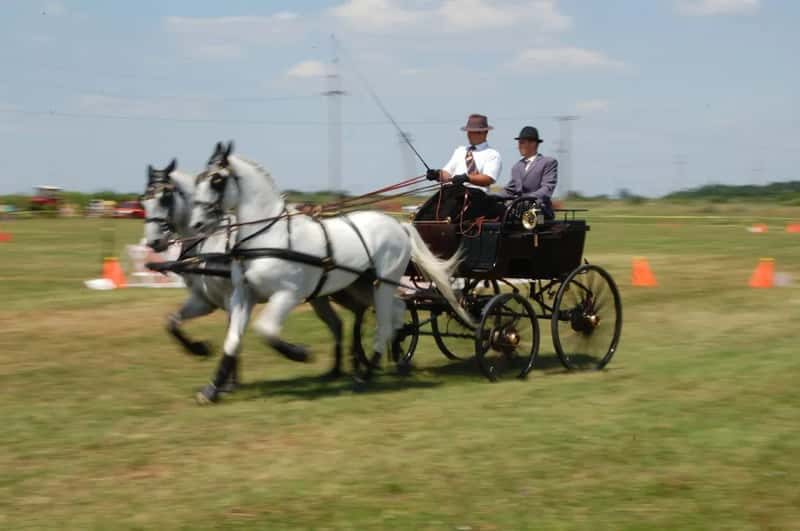
Cars are banned on Mackinac Island, and that one rule shapes everything. Horse drawn carriages are the main form of transportation.[1] The sound of hooves on pavement does more to set the mood than any museum exhibit could.
The island is also known for Victorian architecture, historic forts, and preserved nineteenth century homes.[1] Visitors arrive by ferry, so the trip itself feels like a small transition between eras. Summer is busy, so if you want the quieter version of the place, shoulder seasons are worth considering.
Deadwood, South Dakota
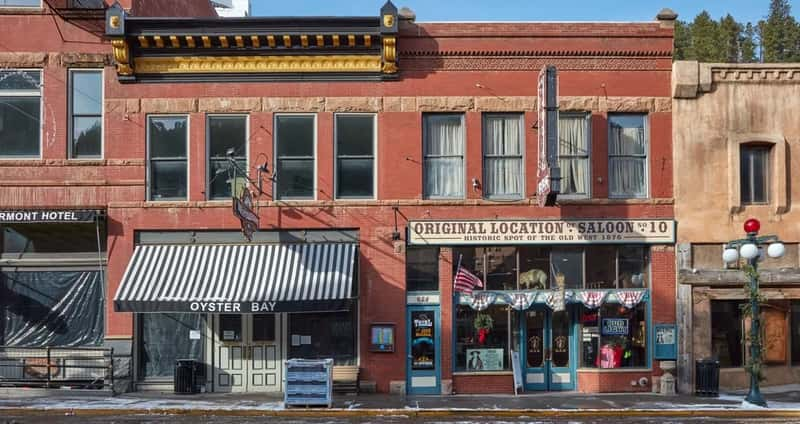
Deadwood doesn’t need much introduction, thanks to decades of books, films, and television. What’s less known is that the town is the real thing. The entire community was designated a National Historic Landmark in 1961, and its identity has been tied to the Wild West since its founding in 1876.[2]
You’ll find saloons, brick storefronts, and historic hotels along the main drag. One writer described the effect as looking like a set, except that it isn’t one. That’s fair, though keep in mind that modern gaming and tourism now fill many of those old buildings.
Ferndale, California
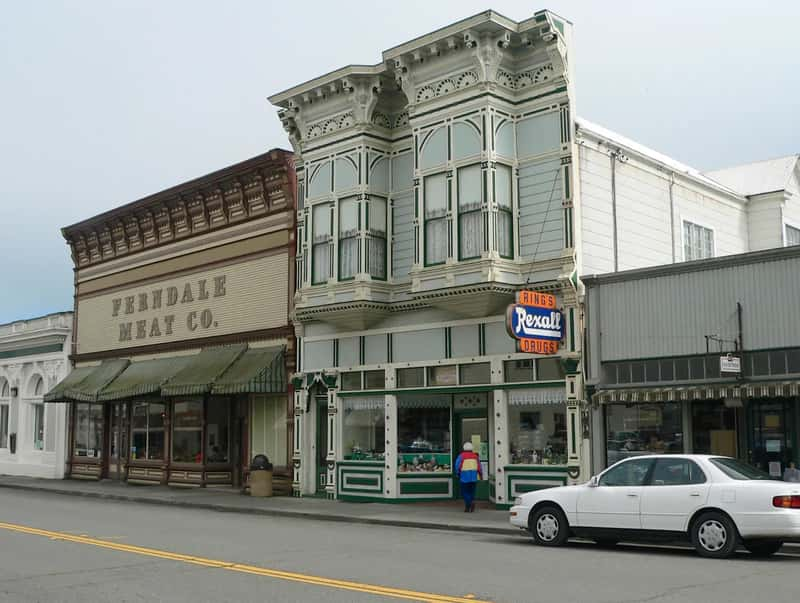
Ferndale sits near the Northern California coast, tucked away from the main highway corridors. It’s known for perfectly preserved Victorian storefronts, often called Butterfat Palaces.[3] The nickname comes from the dairy wealth that paid for the ornate buildings in the first place.
Walk Main Street and you’ll notice how the buildings line up in a cheerful, slightly over decorated row. It’s compact enough to cover on foot in an afternoon. Pair it with a drive through the surrounding farmland, and the town makes even more sense.
Bardstown, Kentucky
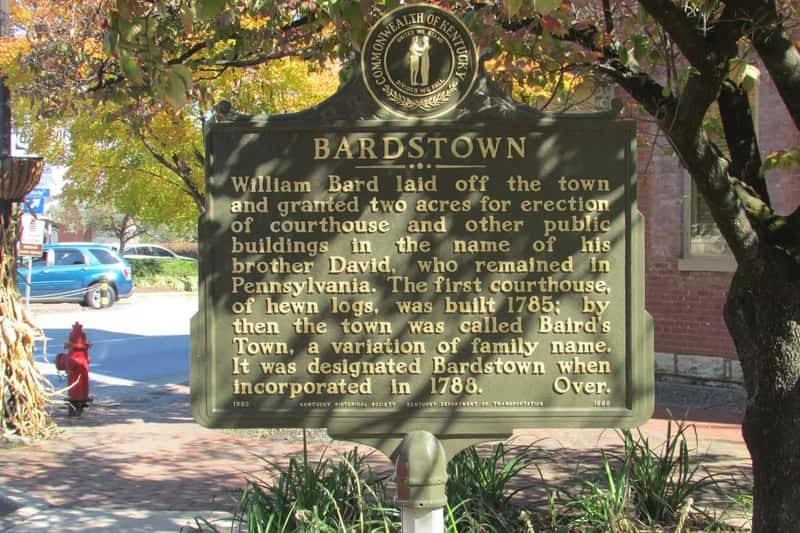
Bardstown has a reputation as one of the prettiest small towns in the country, and the title has stuck for a reason. It pairs Federal style buildings with Southern charm.[3] The courthouse square anchors everything, and the side streets reward slow wandering.
Bourbon is the other big draw. Historic distilleries, a classic town square, and family run restaurants give it a timeless, unpolished authenticity.[3] You can tour a distillery in the morning and eat a long lunch before the afternoon even starts.
Cape May, New Jersey
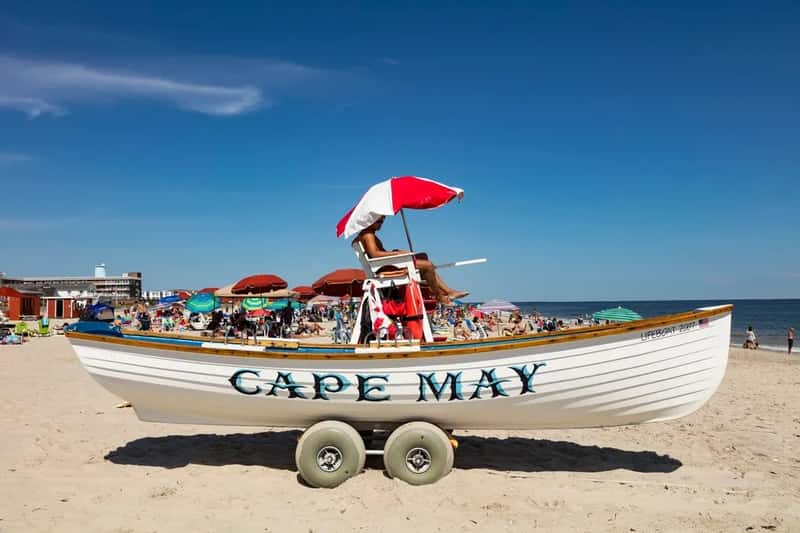
Cape May sits at the southern tip of New Jersey, where the land runs out and the Atlantic takes over. The town is known for its Victorian architecture, with hundreds of buildings showing off late nineteenth century style.[4] Painted trim, deep porches, and gingerbread details are everywhere you look.
Its pedestrian shopping area, the Washington Street Mall, is lined with boutiques and ice cream shops housed in colorful brick and wood buildings. It’s a seaside resort in the old tradition, more porch rocker than boardwalk arcade. Many of the grand houses now operate as inns, so you can sleep inside the history instead of just photographing it.
Micanopy, Florida

Florida isn’t usually associated with antique charm, which makes Micanopy a pleasant surprise. It sits just south of Gainesville and is recognized as Florida’s oldest inland town.[5] The population is tiny, well under a thousand people.
The town earned a spot on the National Register of Historic Places in 1983. Locals have long joked that time forgot the place, and the town has leaned into that gently. Oak trees draped in Spanish moss, antique shops, and a quiet main street do most of the work.
Seligman, Arizona
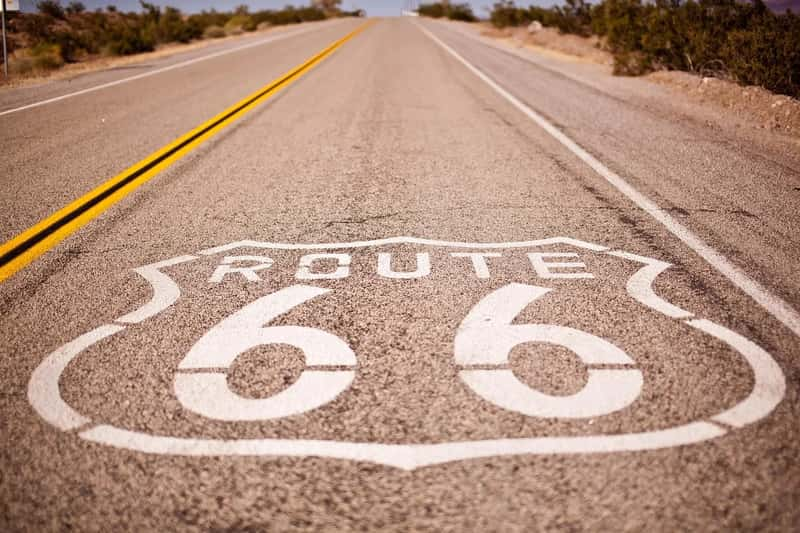
Not every time capsule is a Victorian village. Seligman is a vintage Route 66 stop frozen in mid twentieth century Americana.[2] Neon signs, diners, and kitschy roadside shops give it a mood closer to the 1950s than the 1890s.
The story behind that look is practical. Route 66 lost its federal designation in 1985, and most of the towns along it spent the following decade watching traffic disappear.[2] Seligman held on to its old character, and today the road’s nostalgia is a big part of what brings visitors through.
Wallace, Idaho
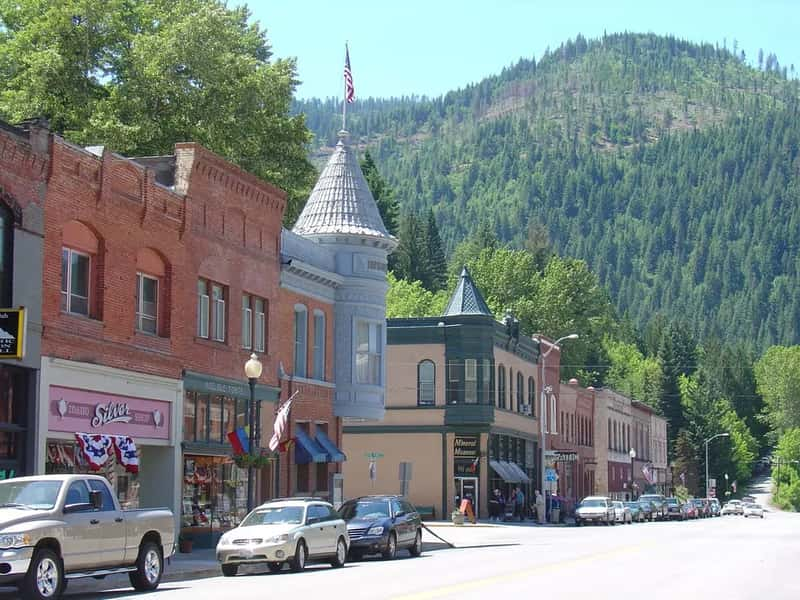
Wallace is a mountain town founded in 1884 during the silver boom in northern Idaho. Unlike many mining towns that became ghosts, Wallace kept its purpose.[6] That continuity is part of why the downtown still feels lived in rather than staged.
Its compact center has brick buildings from the boom years, and walking it feels a bit like wandering through a time capsule frozen at the height of the silver boom.[6] Bring a camera, though also plan to step into a few of the local shops and cafes. The details inside are often as interesting as the facades.
Final Thoughts
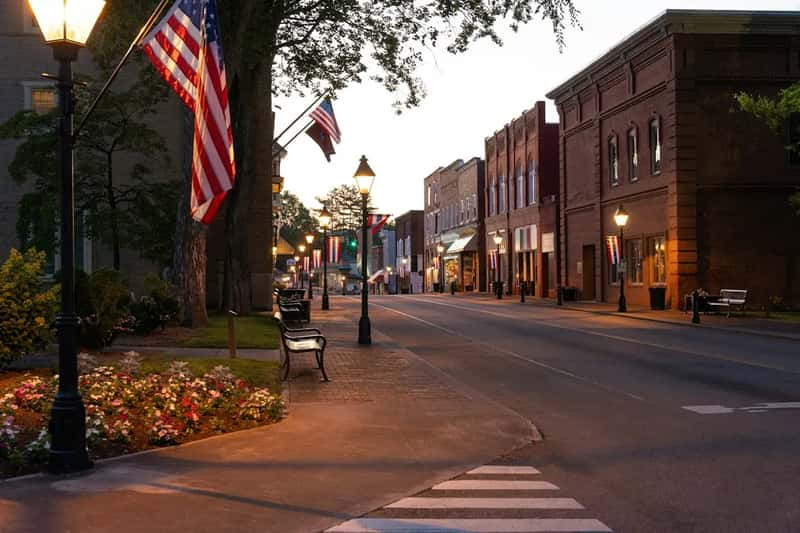
The towns that feel oldest tend to share a few things. Some were protected by rules or landmark status, some were bypassed by progress, and some simply decided their past was worth keeping. Whatever the reason, they offer something modern travel rarely does, which is a place that moves at a human pace.
If you’re planning a visit, check seasonal hours and local events ahead of time, since small towns often keep small schedules. Then go slowly. These places reward the traveler who stays for dinner.