If you’ve got a United Airlines flight coming up and you’re planning to check a bag, brace yourself. The carrier just made an announcement that’s going to hit your wallet harder than expected, and it happened with very little warning. Travelers who booked after a specific date are now looking at noticeably higher fees, whether they’re packing one bag or three.
This is not an isolated move. It’s part of a fast-moving trend sweeping through the airline industry right now, driven by geopolitical forces that most passengers never imagined would affect the cost of their vacation luggage. Let’s break down exactly what changed, why it happened, and what you can actually do about it.
The New Fee Structure: What United Is Charging Now
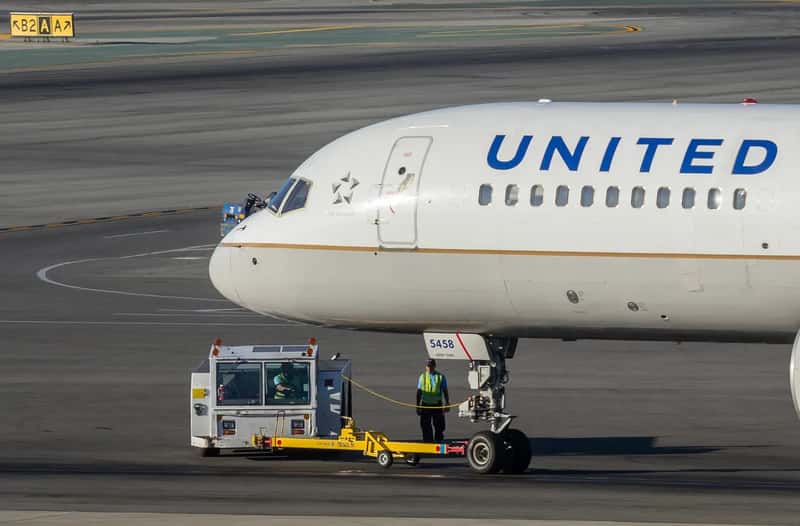
United’s new fee is $45 to check a first bag on most domestic itineraries if the traveler pays ahead of time, and $50 if they pay within 24 hours of their flight. That’s a jump that adds up fast, especially for families traveling with multiple bags. Honestly, $50 at the gate for a single bag is getting close to the cost of a budget airline ticket itself.
A second bag will cost $55 paid ahead of time, or $60 within 24 hours of takeoff. For the third checked bag, the fee jumps by an additional $50 in most markets. Think of it this way: check three bags on a round trip without pre-paying, and you’re looking at a staggering extra expense before you even get to the gate.
When Did This Take Effect?

For United flights purchased on or after April 3, 2026, travelers will pay more to check a bag on flights within the U.S., Mexico, Canada, and Latin America – and critically, this new policy applies to the date the ticket was booked, not when the traveler actually flies. That distinction matters enormously. Someone who bought a ticket in March but hasn’t flown yet? They’re still on the old pricing.
This is the first increase in checked bag fees for United in more than two years. The airline last raised prices in February 2024. Two years might sound like a reasonable interval, but a $10 increase per bag still stings. It’s like a restaurant raising the price of every side dish by two dollars – it adds up fast once you’re ordering for the whole table.
The Fuel Crisis Driving the Change
Fuel costs have surged to multi-year highs after the U.S.–Israel conflict with Iran erupted on February 28, disrupting roughly a fifth of the global oil supply that normally flows through the Strait of Hormuz. That’s a massive shock to an industry where fuel is the single largest cost after labor. Airlines didn’t cause this, but they’re certainly passing it on.
Fuel prices for Chicago, Houston, Los Angeles, and New York averaged $4.56 a gallon as of early April, up more than 82% since the conflict began, according to data from Argus published by industry group Airlines for America. United forecasts sustained high oil prices and anticipates raising airfares by up to 20% to offset the additional $11 billion in fuel expenses. That number is hard to wrap your head around. Eleven billion dollars. That’s not a rounding error – that’s an existential financial pressure.
Which Routes Are Affected?
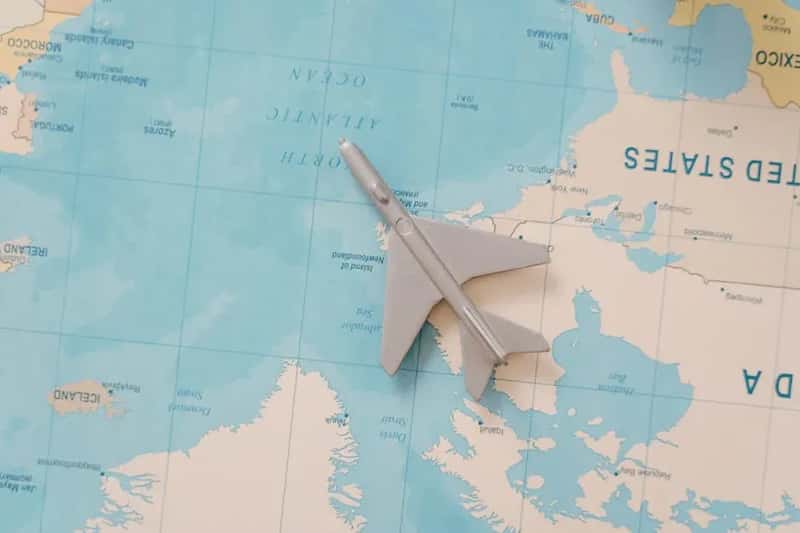
Customers flying within the U.S., Mexico, Canada, and Latin America can expect a $10 increase on first and second checked bags. So if you’re headed to Cancun, Toronto, or Miami from anywhere in the continental United States, you’re in this group. The new pricing is already reflected on United’s website when you go to book.
For those on long-haul trips, such as flights to Europe or Asia, checked bag fees are not going up – at least not yet. That “not yet” is doing a lot of heavy lifting in that sentence. With fuel prices still climbing, it would be surprising if international routes stayed untouched for long. Travelers with overseas trips planned should keep a close eye on updates from United in the weeks ahead.
How Does This Compare to United’s Previous Pricing?
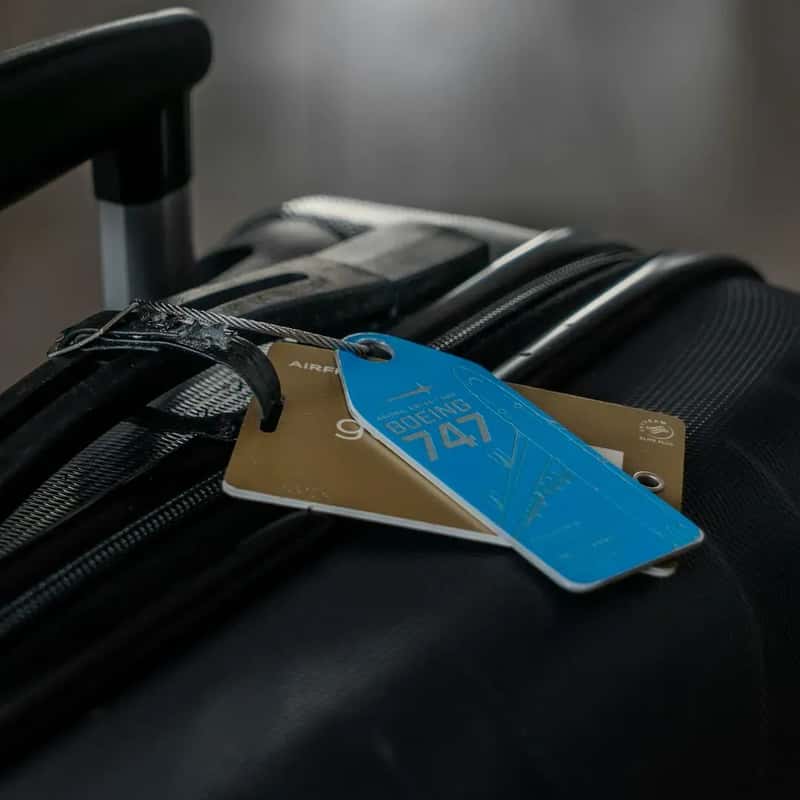
Fees for a first checked bag increased by $10, up from $35 in the U.S. and $40 on flights to Canada. Back in February 2024, United had already raised its checked bag fees for the first and second bags by $5 each in most markets. So in just two years, the cost of checking one bag has gone up by $15 total. That’s a 43% increase since early 2024 for many domestic travelers. It may not sound explosive in a single announcement, but cumulatively it adds up in a real way.
Here’s the thing – baggage fees have always felt like a hidden toll on travel. In the early days of checked bag fees, the idea was sold as keeping base ticket prices lower. But as fees quietly climb year after year, that original promise starts to feel increasingly hollow. It’s worth remembering this pattern next time you’re comparison shopping for tickets based on headline price alone.
United Isn’t Alone: JetBlue and Others Have Also Moved
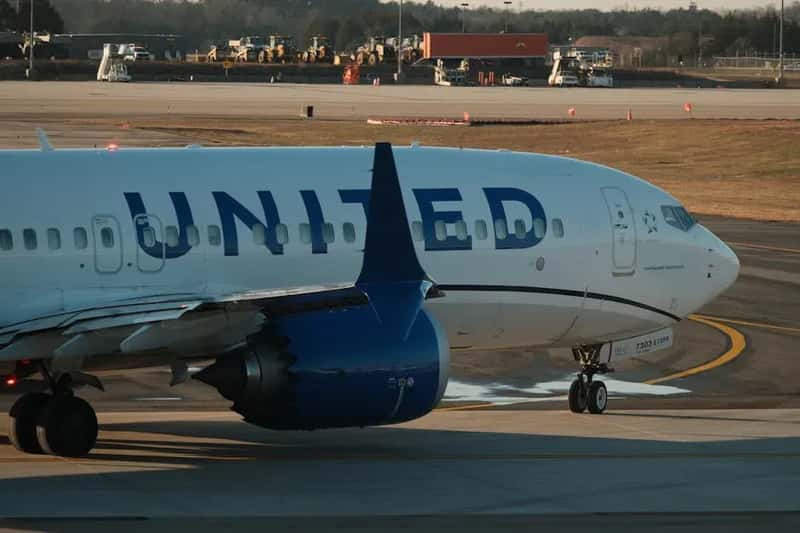
United announced its $10 increase on Thursday, making it the second airline in a single week to do so, after JetBlue raised its fees by $4 or $9, depending on whether travelers fly on a peak or off-peak date. JetBlue increased the charge to check a second bag from $50 to $59 for off-peak periods, and from $60 to $69 for periods of peak demand. The speed with which these two carriers moved in lockstep is notable.
Earlier this year, American Airlines raised its price for a second checked bag by $5, and Southwest Airlines last year started charging for checked bags for the first time in its 50-year history. Let that sink in. Southwest, the airline that built its entire brand identity around “bags fly free,” now charges for luggage. The era of complimentary checked bags at mass-market U.S. airlines is effectively over.
Will Delta and American Follow United?
With one of the three largest U.S. legacy airlines now raising baggage fees, it’s very possible other carriers could follow suit, since historically airlines have often followed one another in hiking checked bag fees. This is a well-established pattern in the industry. One carrier tests the waters, travelers grumble but still fly, and the rest of the pack quietly falls in line within days or weeks.
As of early April, there had been no additional indications yet from American Airlines, Delta Air Lines, Southwest Airlines, or Frontier Airlines that they plan to take similar measures. That could change fast. Passengers booking flights with Delta, American, or Southwest should monitor their baggage policies, as these carriers frequently mirror each other’s pricing structures within 48 to 72 hours. Consider yourself warned.
Who Gets to Skip the New Fees?
United Chase credit card holders, MileagePlus Premier members, active military members, and customers traveling in premium cabins can still check a bag for free. That’s a fairly significant group of travelers who are completely shielded from this increase, at least for now. If you happen to be a Premier Gold member with a United card, this whole story barely affects you.
United says that customers in most markets will still enjoy a $5 discount if they prepay for their bags online 24 hours before their flight. So if you do have to pay, pre-paying online is still meaningfully cheaper than handling it at the airport. A $45 bag fee is already painful; a $50 last-minute fee at the gate feels downright punishing. Pre-pay whenever you can – it’s one of those rare travel tips that actually saves real money.
The Tax Angle Nobody Talks About
The 7.5% federal excise tax on domestic airfares does not apply to bag fees, making this a form of tax arbitrage as well as an attempted fare hike. This is one of the quieter reasons airlines prefer to raise fees rather than base ticket prices. Shifting revenue into ancillary fees lets carriers sidestep the tax, which ultimately means government collects less, and airlines pocket more per traveler.
Congress effectively encourages ever-increasing checked bag fees because of the disparate tax treatment these fees receive. It’s a structural incentive buried in the tax code that most travelers never think about, but it’s a real force shaping how airlines design their pricing. The next time an airline says it’s “lowering base fares” while raising fees, this is part of what’s driving that calculation.
What You Can Do to Avoid Paying More
For those without elite status and who aren’t in the military, the easiest way to avoid United’s checked bag fees is to hold a United Airlines credit card, which can provide a free first checked bag and protection from the fee increase. Getting a co-branded airline credit card just to dodge baggage fees sounds extreme, but if you fly United even a few times a year, the math often works out in your favor – especially now that fees are climbing.
United offers customizable bundle packages during the booking process that could save money if you’re paying multiple fees, such as bundling checked bag fees with priority boarding. However, these bundles are typically nonrefundable, so travelers should be sure their travel plans are firm before booking. Beyond credit cards and bundles, packing smart remains the most underrated strategy. A carry-on and a personal item still fly free for most United tickets – and that hasn’t changed yet.
What This Means for the Future of Flying
Both United and JetBlue cite inflation and higher operating costs, with United projecting long-term elevated oil prices and forecasting airfare increases of up to 20% to cover rising expenses. Let that sink in: baggage fees going up right now may only be the beginning. If oil prices stay elevated and geopolitical tensions in the Middle East remain unresolved, higher base fares could follow fee hikes, squeezing travelers on both fronts simultaneously.
Airlines operate on razor-thin profit margins, typically between two and four percent, making fuel cost volatility an existential concern. Baggage fees represent one of the few discretionary revenue streams airlines can adjust without regulatory approval, unlike ticket prices or route changes which require more extensive planning. In other words, when fuel spikes, bags are almost always the first thing to get more expensive – and that’s unlikely to change anytime soon. What do you think about it? Tell us in the comments.