If you’ve ever been trapped next to someone blasting a TikTok video or watching a movie without headphones on a crowded flight, United Airlines just gave you a reason to celebrate. The carrier quietly rewrote its passenger rulebook this year to make headphone use mandatory, and passengers who ignore the request can now be pulled from a flight or even banned from flying United again.
The change might sound minor at first glance, but it marks a real shift in how airlines treat cabin noise. What used to be a polite suggestion is now written into a legally binding contract, and that distinction matters more than it might seem.
What Actually Changed in United’s Contract of Carriage
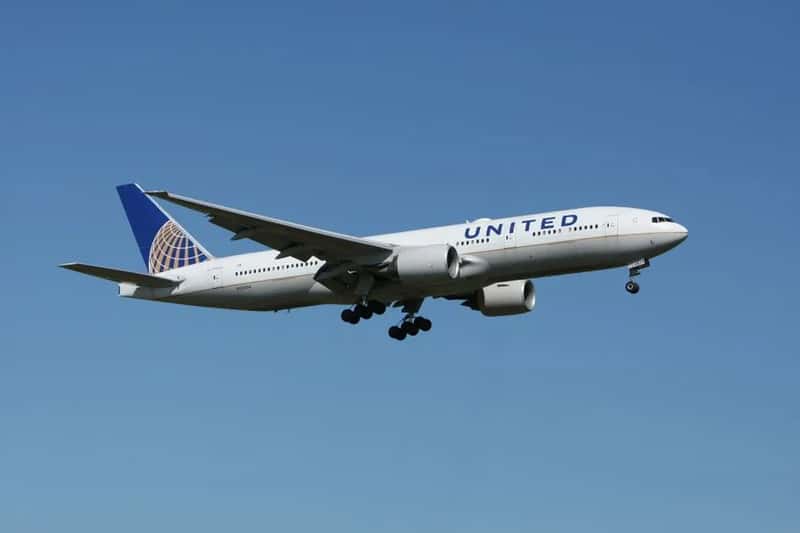
United amended its so-called contract of carriage, which outlines the carrier’s rules and policies, to require that all passengers wear headphones when listening to a device. Any passenger listening to music, watching a video or scrolling a social media feed that emits sound must wear headphones, according to the revised contract of carriage. This isn’t a small tweak buried in fine print either. It’s now an explicit, enforceable condition of flying with the airline.
United also said it reserves the right to remove anyone who doesn’t comply with the new rules and potentially ban them from flying on United in the future. The airline revised its contract of carriage on February 27 to include the new provision, which sits under the “refusal of transport” section, and United reserves the right to refuse transport, on a permanent basis, to any passenger who listens to their entertainment on speaker. That’s a fairly aggressive stance for something that used to just be common courtesy.
Where the Rule Lives: Inside Rule 21

In Rule 21, Refusal of Transport, United states it may refuse transport or remove a passenger for safety reasons, and under that section, number 22 now specifically includes passengers who fail to use headphones while listening to audio or video content. Putting the rule inside Rule 21 is significant because that section already covers serious behavior, not just etiquette violations.
The violation falls under a rule that allows the airline to remove a passenger if doing so may be necessary for the safety of the individual or others, and the document states infractions under this section, which also includes disorderly conduct, improper clothing and other behaviors, can result in temporary or permanent bans from the airline. In other words, playing a video on speaker now technically sits in the same category as unruly conduct, at least on paper.
Why United Made the Move Now

The timing isn’t random. The timing coincides with the airline’s rollout of Starlink satellite internet service, which is expected to increase device use during flights. United announced last month that it had installed Starlink satellite internet service on more than 300 planes in its regional fleet to provide free in-flight Wi-Fi, and it expected to have it on board 500 additional aircraft by the end of the year.
Faster, free Wi-Fi means more people streaming shows, scrolling social feeds, and taking video calls mid-flight. United told Fox News Digital, “We’ve always encouraged customers to use headphones when listening to audio content, and our Wi-Fi rules already remind customers to use headphones,” adding, “With the expansion of Starlink, it seemed like a good time to make that even clearer by adding it to the contract of carriage.” Basically, more connectivity meant more potential for noise, so the airline decided to formalize what had long been an unwritten expectation.
What Counts as a Violation Under the New Rule
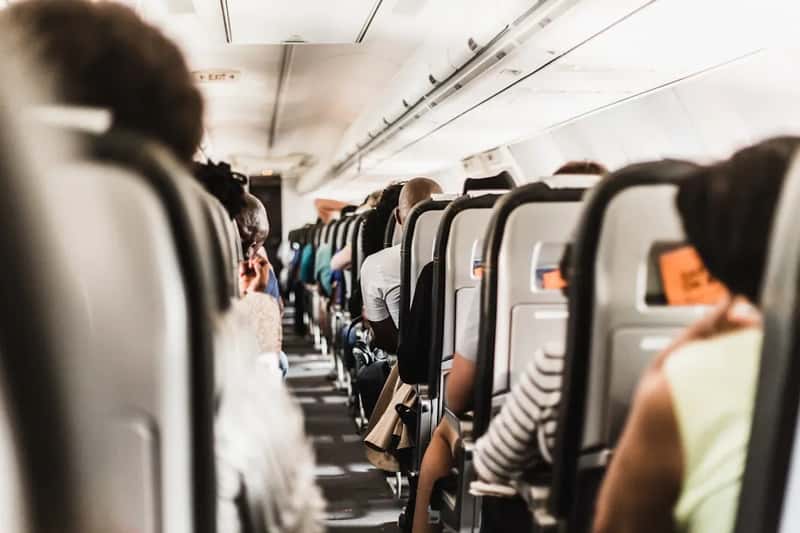
The policy is broader than just movies or music. The new rule means passengers must use headphones for any device audio, including music, videos and social media. Other violations that can lead to removal include wearing offensive clothing, ignoring the airline’s non-smoking policy, making voice or video calls after the aircraft doors close, and refusing to follow crew instructions, and now blasting videos or music through a phone’s speakers joins that list.
Notably, the rule appears limited to onboard behavior rather than airport spaces. For now, the airline has indicated the policy is aimed squarely at behavior on board aircraft where the Contract of Carriage governs passenger conduct, and United has not suggested the rule will extend to its airport lounges, which operate under separate guest policies and etiquette guidelines, or at its gate areas. So a loud phone call at the gate probably won’t get you banned, but the same call after boarding might.
What Happens if You Forget Your Headphones

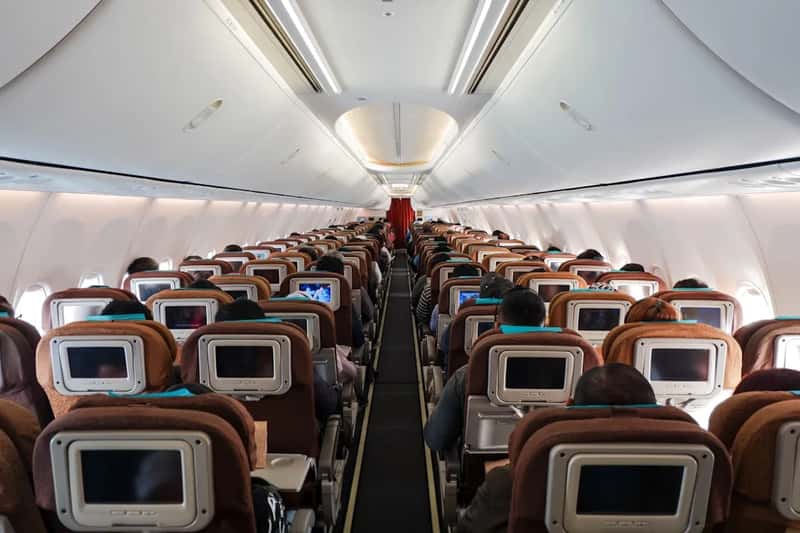
The good news is that United isn’t leaving forgetful travelers stranded. Those who forget headphones can request free pairs on the plane, United said. Many seatback screens are also equipped with Bluetooth so passengers are able to use wireless headphones.
The airline has also been quietly upgrading its in-flight entertainment hardware to make compliance easier. The document clarifies that “A Passenger who is removed or refused transportation in accordance with this Rule may be eligible for a refund upon request.” That detail matters, since it suggests the policy is meant as a deterrent and a last resort rather than a way to strand paying customers without recourse.
How This Compares to Other Major Airlines
United appears to be breaking new ground here, at least in terms of formal policy language. Travel expert Scott Keyes told CBS News he’s unaware of any other major U.S. airline that has adopted such a rule, noting that carriers encourage passengers to wear headphones, but none explicitly states that failure to comply with that request could result in removal from an aircraft.
Other airlines do address headphone etiquette, just not with the same legal teeth. Delta Air Lines tells passengers on its website, “For the comfort of everyone around you, please use earbuds or headphones with any personal electronic device during your flight,” and Southwest Airlines states that “Headphones are required whenever a passenger is listening to any audio,” though neither carrier publicly frames the rule within refusal-of-transport language. United is the first major U.S. airline to formally include headphone use in its legally binding passenger agreement, though other carriers encourage similar etiquette onboard.
Etiquette Experts and Public Reaction

Reaction from etiquette professionals has been largely positive, if a little cheeky. Florida-based etiquette expert Jacqueline Whitmore said of United’s new headphone policy, “It’s about time,” adding, “I think we need to pack our manners whenever we go on an airplane, whenever we travel,” and noting that ironically, parents who don’t put earbuds on their children are often among the violators.
Travel industry voices have echoed that sentiment. “This might be one of the better passenger-friendly policies we’ve seen from airlines in a while, even though it comes with a threat,” Katy Nastro, a travel expert at Going, told Forbes. She added, “The last thing anyone wants to hear is someone else’s phone call, movie, podcast, etc.,” noting that “We tend to forget that the minute we step onto a plane, we forfeit our personal space, which includes not just our physical space, but our auditory space.” The sentiment captures why so many flyers seem to be cheering the policy on despite its blunt enforcement language.
Part of a Bigger Pattern of Cabin Frustration
This policy doesn’t exist in a vacuum. It arrives amid a broader, ongoing conversation about disruptive passenger behavior across the industry. There were more than 1,600 incidents of unruly passenger behavior on US flights last year, according to the Federal Aviation Administration, and while that’s down from a record high of 5,973 in 2021, it’s still a lot more disorderly conduct than pre-pandemic levels.
Speakerphone videos and loud media playback rarely rise to the level of a federal incident, yet they’ve become one of the most common flashpoints in the cabin. Public noise nuisance caused by people not bothering to use headphones might not rise to the level of a federal offense, but it’s something nearly all of us have encountered more often in recent years. A viral moment underscored just how tired travelers have grown of the habit, when an American Airlines pilot told passengers over the intercom, “The social experiment on listening to videos on speaker mode and talking on a cellphone on speaker mode, that is over – over and done in this country,” adding, “Nobody wants to hear your video… Use your AirPods, use your headphones, whatever it is. That’s your business.”
What This Means for Travelers Going Forward
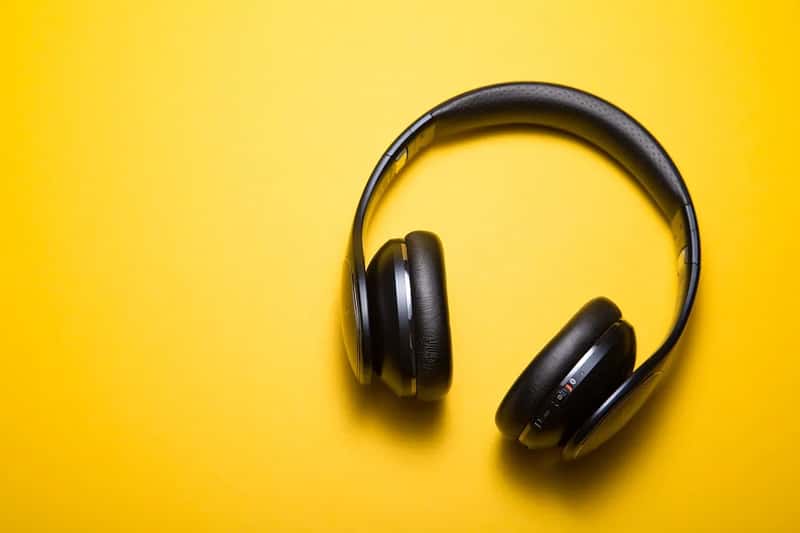
For most passengers, the practical impact will be small. United hasn’t said how aggressively it plans to enforce the rule, but the policy essentially gives flight attendants clearer authority to intervene if a passenger refuses to lower the volume or use headphones, and headphones are already widely available on board, especially on flights with a seatback entertainment system. Bringing a cheap pair of earbuds or borrowing one from the crew should be enough to avoid any issue entirely.
Still, the symbolic weight of the change is hard to ignore. United Airlines is now the first carrier to make clear that cabin courtesy is no longer just being polite, but a condition of carriage. Whether other airlines follow suit remains to be seen, but United has effectively drawn a line in the sand: your entertainment is your business, as long as it stays in your ears.