Vacation rental preferences are shifting fast. What used to be hot-ticket amenities are now losing their appeal as travelers evolve. Let’s be real, the vacation rental market is more competitive than ever. Knowing which features guests are quietly avoiding can save you thousands in upgrades that won’t pay off.
Formal Dining Rooms That Feel Cold and Unused
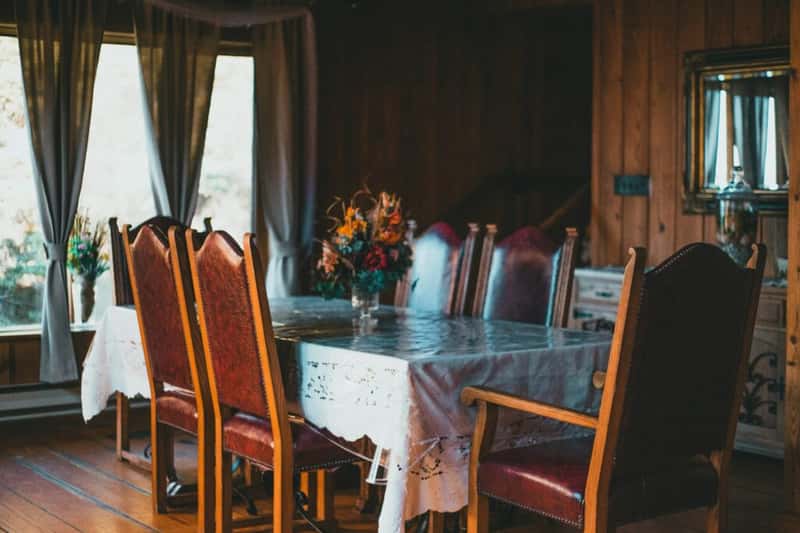
Formal dining rooms are having an identity crisis in vacation rentals. In vacation homes, there is often less emphasis on a formal dining space and more emphasis on gathering spaces where everyone can be together in one large area – dining, watching TV, reading, and chatting. Travelers today want flexibility, not formality.
There’s been a shift away from traditional dining rooms in recent months, as they can have a cold formality that homeowners have started to lose appreciation for, with living room-meet-dining room combos becoming more and more popular. Think about it from a guest’s perspective: when you’re on vacation with friends or family, do you really want to be separated into a stuffy room away from the action? Probably not.
Open-concept layouts now dominate guest wish lists. Travelers prefer spaces where cooking, eating, and socializing happen in one continuous flow. The formal dining room, with its six matching chairs and chandelier, often sits empty while everyone crowds around the kitchen island instead. Unless you’re marketing to a very specific luxury demographic that still values traditional entertaining, that formal dining room might be costing you square footage that could be better used elsewhere.
Overabundance of Bedrooms Without Quality
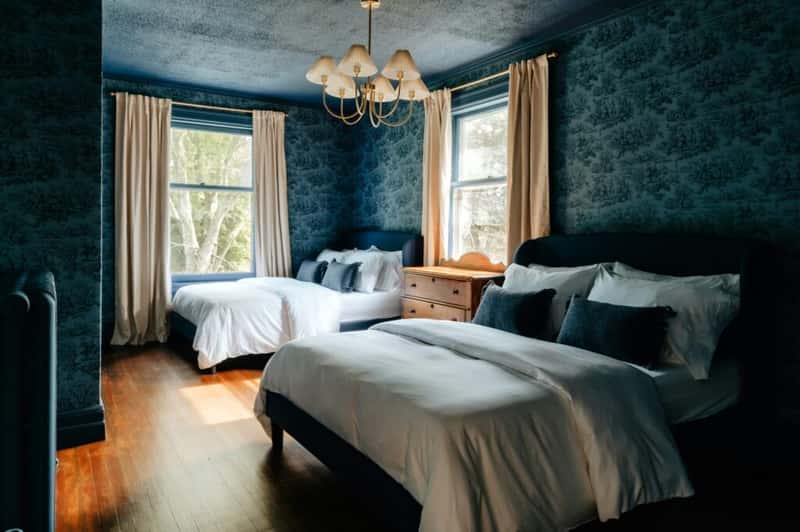
This one might surprise you. More bedrooms don’t always equal more bookings. Smaller units with one to two bedrooms are seeing the highest booking volumes in 2025, as these properties are preferred by solo travelers, couples, and remote workers, offering better occupancy rates.
Sure, large properties with six bedrooms saw some booking growth recently. Six-bedroom properties experienced 12.61% booking growth, while five-bedroom properties grew 10.65%. That sounds great until you realize the target market is extremely narrow. Most travelers aren’t organizing family reunions or group retreats. They’re couples looking for a romantic getaway, digital nomads seeking a quiet workspace, or small families wanting privacy.
Guests would much rather have two beautifully appointed bedrooms with comfortable mattresses, quality linens, and thoughtful design than five mediocre rooms that feel like an afterthought. The maintenance, cleaning costs, and utility expenses for larger properties often don’t justify the returns, especially when those extra rooms sit empty most of the time.
Generic Cookie-Cutter Decor and Lack of Personality
Honestly, beige walls and mass-produced artwork aren’t cutting it anymore. In 2024, homeowners are moving away from cookie-cutter designs and embracing bold, personalized aesthetics in their formal dining rooms, with vibrant colors, eclectic furniture combinations, and unique art pieces reflecting individual tastes and stories.
Holiday goers are looking to connect with local communities and the environment and moving away from generic vacation models, as the typical all-inclusive beach holiday seems to be going out of style, with travelers wanting accommodation with cultural experiences. Guests want to feel like they’re staying somewhere special, not another interchangeable unit that could be anywhere.
Properties that stand out in 2025 feature local artwork, regionally inspired color palettes, and design elements that tell a story about the destination. According to AirDNA, professionally designed properties can see up to a 40% increase in revenue. The investment in thoughtful, authentic design pays off because guests remember experiences, not beige sameness. They’ll book the rental that makes them feel something, even if it costs slightly more.
Complicated Check-In Processes and Lack of Self-Service
Technology has made self-check-in incredibly simple, yet some properties still cling to outdated processes. Guests want to arrive on their own schedule, enter with a code or digital key, and find clear instructions waiting inside. The era of coordinating with hosts for specific check-in windows is fading fast.
Two-thirds of guests receive little to no communication from their host during their stay, and more than one-fifth were missing information from their host, with less than half feeling well looked after. What guests really want is seamless, tech-enabled entry combined with excellent information provided upfront – not forced interactions that feel like obligations. Properties that haven’t embraced keyless entry and self-service are quietly losing bookings to competitors who have.
The vacation rental landscape is evolving rapidly, and properties that adapt to these shifting preferences will thrive. Features that once seemed essential – like hot tubs, formal dining rooms, and excessive bedroom counts – are losing ground to what travelers actually value: flexibility, authenticity, convenience, and quality over quantity. What surprises you most about these changes? The market speaks clearly when you know how to listen.