Most first-time cruisers think a “repositioning cruise” is just a cheaper version of a normal vacation. It isn’t. It’s a completely different animal, and the people who’ve done a dozen of them play by a set of unwritten rules nobody explains until you’ve already made the mistake.
Veteran cruisers don’t stumble into these sailings by accident. They’ve learned, sometimes the hard way, exactly what separates a dream crossing from a $2,000 regret. Here’s what the most experienced repositioning cruisers actually do differently, and a few of these rules might change how you book your next trip entirely.
#21 – They Budget the Flight Home Before They Even Look at the Fare

The sticker price on a repositioning cruise is almost always the smallest part of the real cost. These are one-way voyages by design, meaning the ship never brings you back to where you started. Because of that, travelers often need open-jaw or one-way flights, and deals that bundle in airfare can end up being the smarter buy.
Veterans price out the return flight, the pre-cruise hotel, and any visa fees before they let themselves get excited about a discount. They tally the solo supplement, gratuities, and flight cost first, so the tempting base fare never gets to masquerade as the final number. Skip this step and that “steal” of a fare can quietly balloon into something painful.
#20 – They Refuse to Book a Transatlantic Without Checking the WiFi Tech First
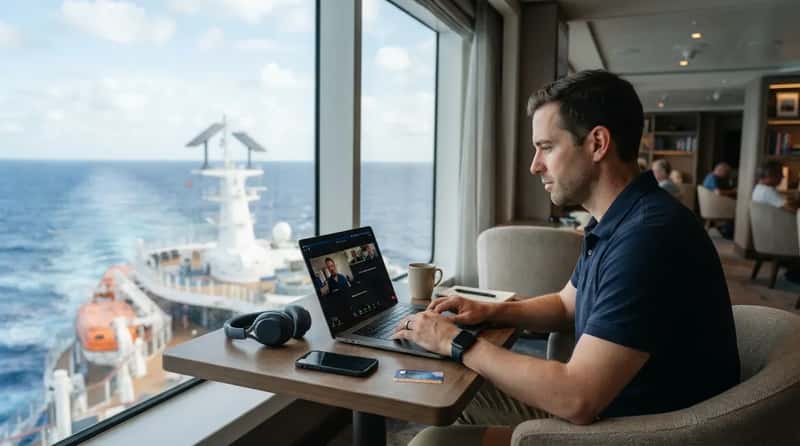
Here’s a rule that separates rookies from veterans instantly: never book a long crossing without confirming the ship’s internet technology. Veterans specifically hunt for Starlink-equipped ships, because eight consecutive sea days on a legacy geostationary satellite connection – with 400-600ms latency and 3-8 Mbps shared across thousands of passengers – is a professional disaster waiting to happen.
This isn’t just about streaming Netflix anymore. Remote workers now plan entire quarters around these sailings. One traveler ran a 16-day Royal Caribbean transatlantic that came out to roughly $74 a day for an interior cabin with Starlink WiFi, three meals, and a full crossing from Southampton to Fort Lauderdale. Book on the wrong ship, though, and those nine sea days can turn into a communication nightmare.
Quick Compare
- Starlink-equipped ships: low latency, solid enough for video calls and remote work
- Legacy satellite ships: 400-600ms latency, just 3-8 Mbps shared among thousands
- Real example: 16-day Starlink transatlantic came out to about $74/day, meals included
- Rule of thumb: confirm the tech before booking any week-plus crossing
#19 – They Chase East-to-West Routes for the Extra Sleep

Most people don’t realize the direction of your repositioning cruise actually changes how rested you feel by the end of it. Veterans specifically hunt for westbound crossings for one simple reason: the clock is on their side.
You know that feeling in the fall when you set your clocks back and get an extra hour of sleep? A westbound crossing hands you that same gift almost every single night. Over a nine or ten-day sailing, that adds up to real, noticeable recovery time – a detail most brochures never mention but seasoned cruisers check first.
#18 – They Know a “Transatlantic” Isn’t Always a Repositioning Cruise
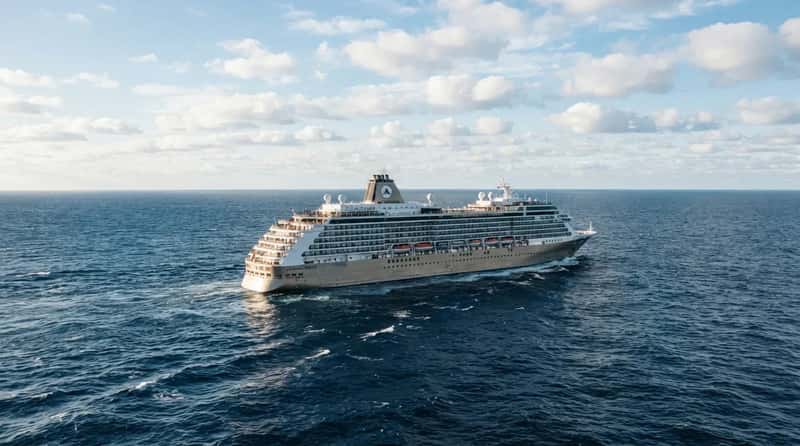
Here’s a distinction that trips up a lot of people: not every crossing of the Atlantic counts as a true repositioning cruise, even though the two terms get thrown around interchangeably. A voyage may cross the Atlantic and still not be “repositioning” if the ship runs that same route every single season.
A ship doing its regular scheduled crossing isn’t relocating anywhere – it’s just doing its normal job. Veterans pay attention to this because true repositioning sailings tend to have the deepest discounts, since the cruise line genuinely needs to fill an empty relocation voyage rather than sell a routine seasonal trip.
#17 – They Treat the Onboard Future Cruise Desk Like a Secret Hotline
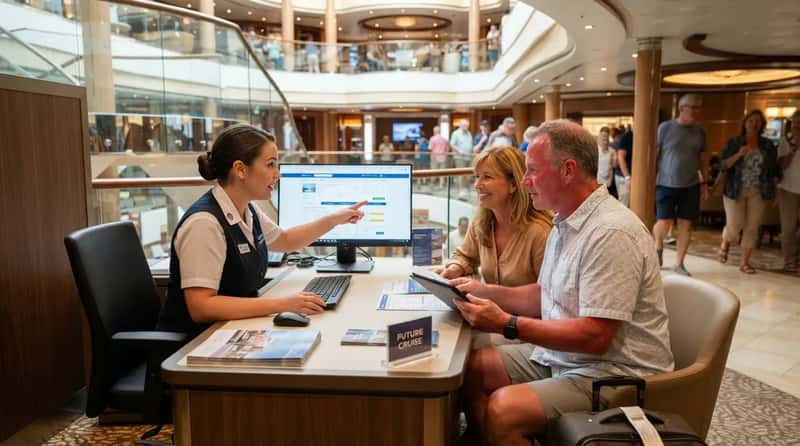
Nobody advertises this, but the best repositioning deals sometimes never make it to a public website at all. Experienced cruisers book their next crossing while they’re still standing on the ship, sunburned and half-packed.
Visiting the onboard Future Cruise desk can unlock extra discounts, cabin upgrades, and even pre-cruise hotel stays that never show up online later. It’s a loyalty play the cruise lines are happy to reward, since it locks in future revenue before passengers even disembark. Skip the desk, and you’re gambling on catching the same fare again down the road.
#16 – They See Five to Ten Sea Days as the Whole Point, Not a Downside
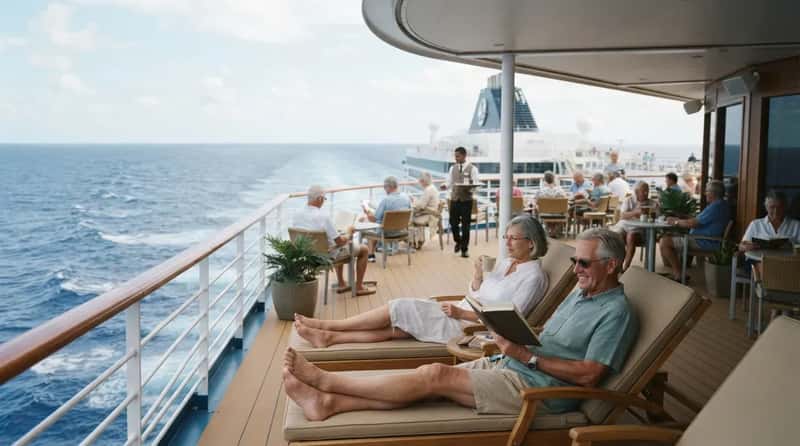
This is where repositioning cruises separate the true believers from the disappointed first-timers. The itinerary isn’t broken – it’s built this way on purpose, and veterans wouldn’t have it any other way.
Standard cruise itineraries average one or two sea days per sailing, while a repositioning crossing can stack up five to ten in a row. Veterans plan their whole trip around that rhythm – spa mornings, lecture series, long lazy breakfasts – instead of scrambling off the ship at 7 a.m. for another port. What frustrates one traveler is exactly what another books the cruise for.
At a Glance
- Standard cruise: 1-2 sea days total per sailing
- Repositioning crossing: 5-10 consecutive sea days
- How veterans fill them: spa mornings, onboard lectures, unhurried breakfasts
- Typical length: often 9-16 nights depending on the route
#15 – They Never Assume a Big Ship Means Smooth Water
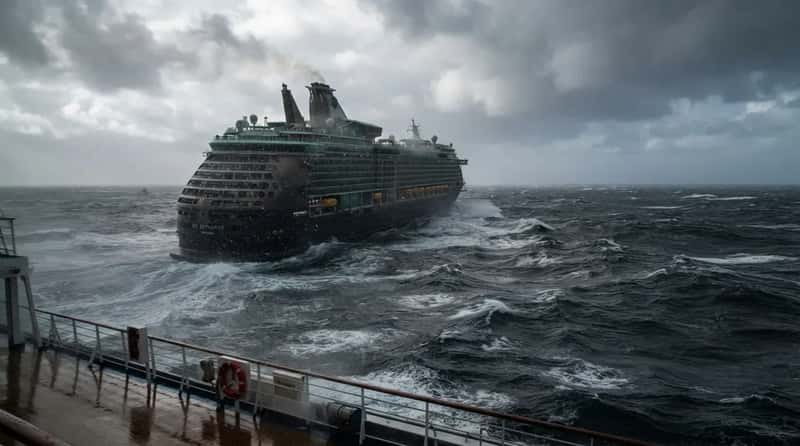
Even veteran cruisers who’ve never gotten seasick in their lives pack medication before an ocean crossing. It’s not paranoia – it’s math, and the North Atlantic doesn’t care how big your ship is.
Long ocean crossings can be exhausting and can worsen motion sickness, so smart passengers pack a remedy and expect some rough patches. Open ocean, especially on transpacific and North Atlantic routes, behaves nothing like a calm island-hopping itinerary. And unlike a Caribbean cruise, you can’t simply duck into a sheltered bay for a day – motion patches, wristbands, and a mid-ship stateroom become non-negotiable packing items.
#14 – They Know the Crowd Is Almost Completely Different
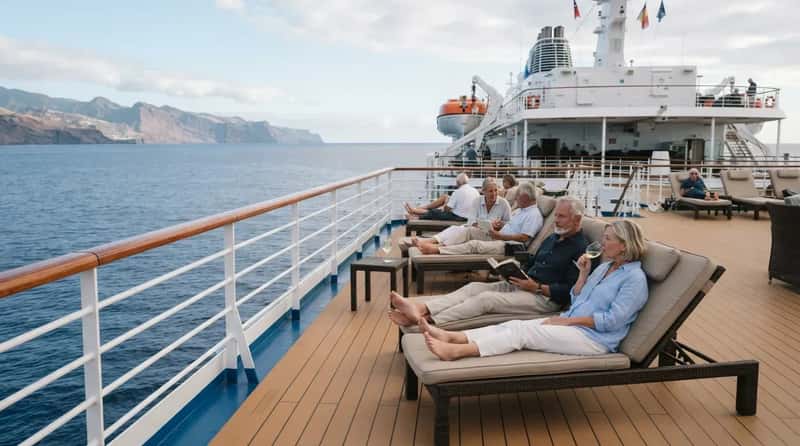
If you’re expecting the same energy as a spring break sailing, you’re going to be surprised – and most veterans consider that a huge upgrade, not a letdown.
Because these sailings happen in the shoulder season and run longer, they attract a different kind of passenger entirely: fewer families, more seasoned travelers, and a noticeably calmer vibe onboard. With school in session and vacation days limited, the crowd skews older, quieter, and more experienced. Some veterans actually rank this as the single biggest reason to book, calling it more floating retreat than party boat.
#13 – They Use Repositioning Sailings to Try Ships They’ve Never Sailed
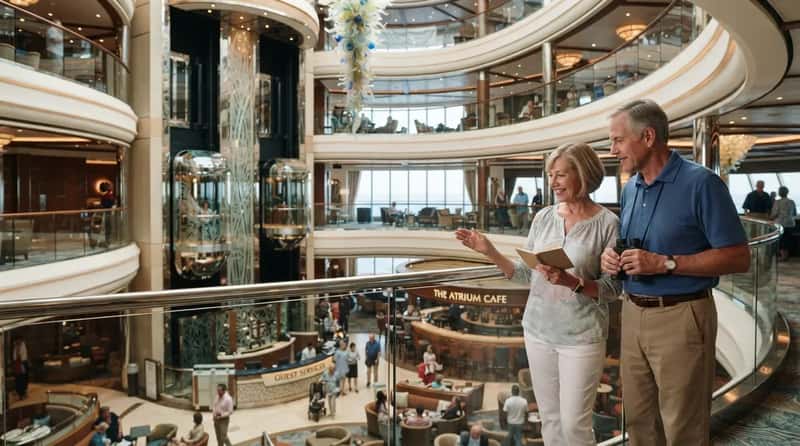
Veteran cruisers rarely book a repositioning cruise for the destination alone. Often, the real motivation is testing out a new vessel at a fraction of the normal cost.
By “new ship,” they don’t necessarily mean freshly built – they mean one they simply haven’t sailed yet, and that’s exactly the appeal of their first few repositioning bookings. With fewer port distractions eating into the schedule, these sailings become the ultimate test drive: days and days to explore every deck, dining venue, and lounge before deciding if that ship class earns a permanent spot on the bucket list.
#12 – They Search Specialty Sites, Not Regular Search Engines
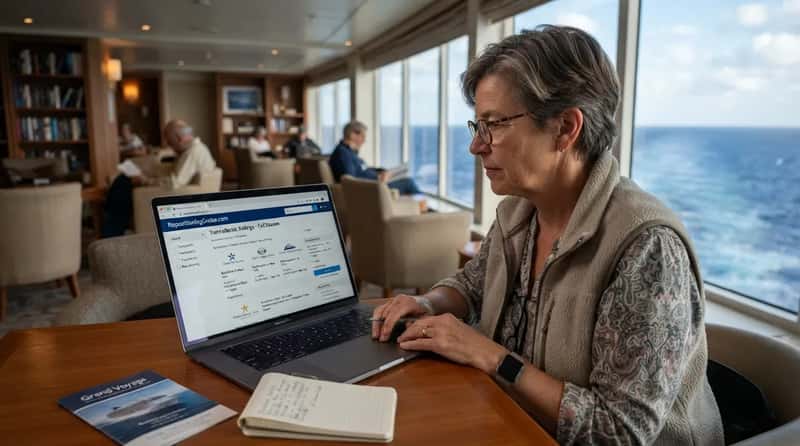
Typing “cheap cruise deals” into Google almost never surfaces the best repositioning fares. Veterans go straight to the source instead of wading through generic results.
They check dedicated hubs like RepositioningCruise.com, which aggregates every line and itinerary in one place, and they use cruise line filters specifically labeled “transatlantic,” “transpacific,” or “repositioning.” Layer in a few cruise deal newsletters for alerts, and this targeted approach routinely surfaces fares that never show up in a lazy search.
#11 – They Don’t Assume Every Long Day Includes a Port Stop
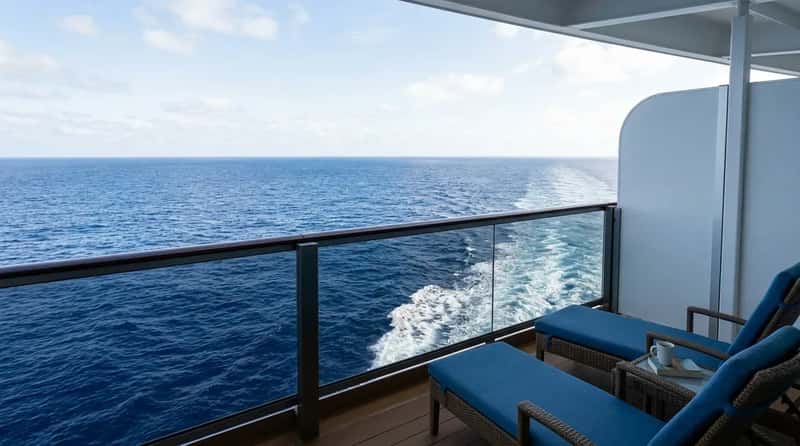
Here’s something that catches new cruisers off guard: some repositioning itineraries have zero port calls between departure and arrival, and that’s not a typo on the booking page.
Some routes are genuinely portless from start to finish – pure sea, no stops, by design. Veterans read the fine print before assuming a 14-night sailing automatically includes a handful of exotic port days. The longest, cheapest fares are often uninterrupted sea-day marathons, which is exactly what draws travelers who want relaxation over sightseeing.
#10 – They Never Forget Gratuities and Single Supplements Aren’t Included
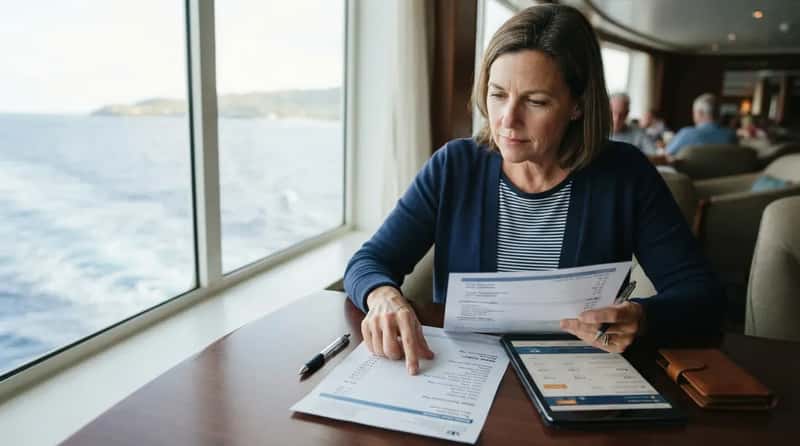
The advertised per-night price on a repositioning cruise looks incredible right up until the extras get tacked on. This is one of the most common regrets first-timers report after the fact.
Veterans always run the math on the solo supplement, the gratuities, and the flights before letting the discounted base fare fool them. Solo travelers in particular get blindsided by supplement fees that can nearly double a “budget” fare overnight. Reading every line item before booking is the difference between an actual bargain and a fare that just looks like one on paper.
#9 – They Count Panama and Suez Canal Transits as Repositioning Too
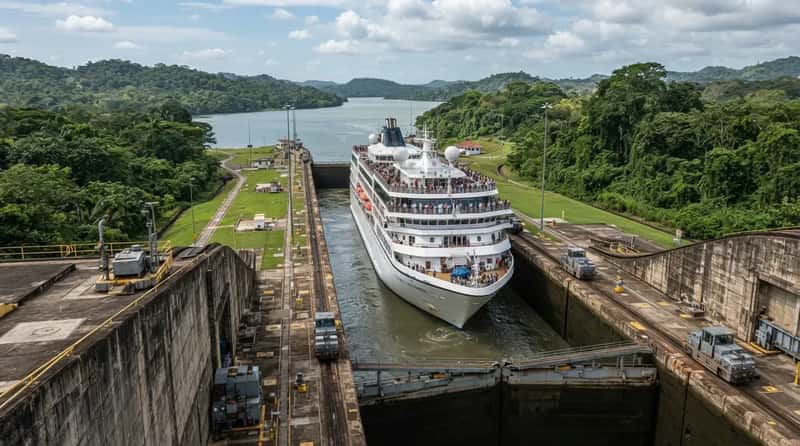
Most people picture only ocean crossings when they hear “repositioning cruise.” Veterans know the category is much wider than that, and it works in their favor.
Seasonal Panama Canal transits between Alaska and the Caribbean, Suez Canal crossings between Europe and Asia, and full ocean crossings all fall under the same umbrella. That means a shorter, canal-based repositioning sailing can deliver the same discounted fare and shoulder-season calm as a transatlantic – without committing to nine days with zero land in sight. It’s a favorite loophole for cruisers who want the value without the long haul.
Worth Knowing
- Transatlantic crossings connect Europe with the Caribbean or North America
- Transpacific crossings link Asia and North America
- Panama Canal transits move ships between Alaska and the Caribbean seasonally
- Suez Canal transits shift ships between Europe and Asia
#8 – They Rank the Azores as One of the Best Hidden Ports in Cruising
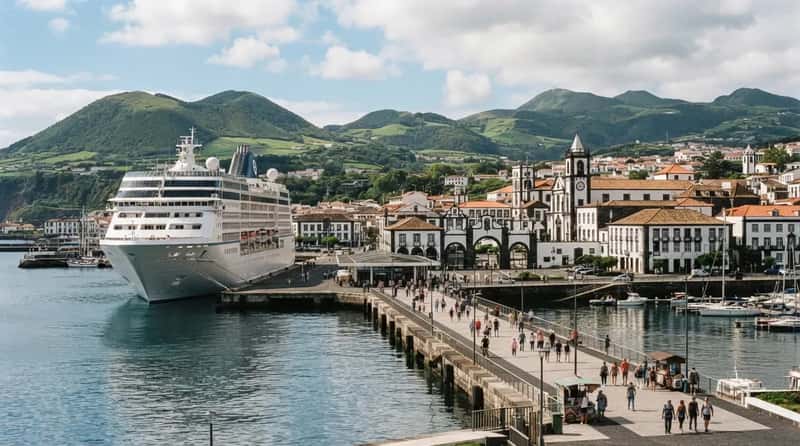
While most travelers fixate on the big-name European ports, seasoned repositioning cruisers quietly consider a mid-Atlantic stop the real highlight of the entire trip.
The Azores stop on transatlantic sailings is widely considered one of the most underappreciated port experiences in ocean cruising, and independent exploration right from the Ponta Delgada pier is easy and walkable. It’s an opinion that sparks real debate – some cruisers insist Lisbon or Barcelona steal the show, while veterans argue the volcanic scenery makes the Azores the sleeper hit nobody talks about enough.
#7 – They Track Every Clock Change Like It’s a Full-Time Job
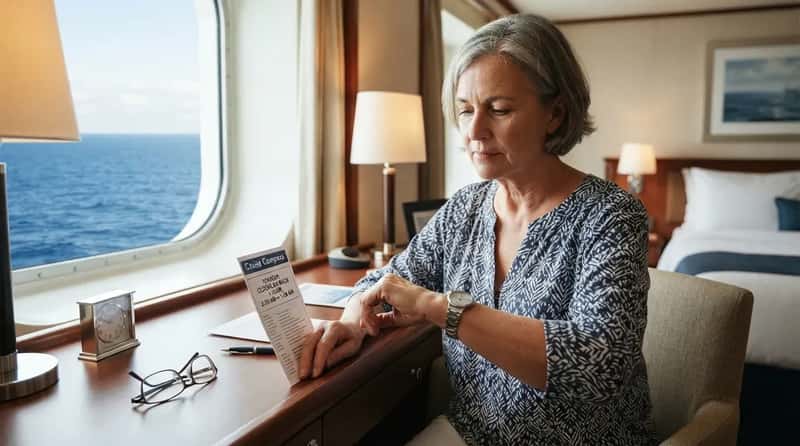
A single transatlantic crossing can quietly rearrange your entire sense of time, and veterans treat this as something to plan around, not just tolerate and complain about later.
Long sailings across the Atlantic or Pacific adjust the ship’s clock at a pace of roughly one hour per day as it crosses each time zone. That means a single crossing can involve five, six, or more time changes before you even reach the destination. Veterans keep a mental note of the schedule posted in their cabin every evening so they’re never the confused one wandering into breakfast an hour early – or late.
#6 – They Double-Check Visa Rules Before Booking a European Repositioning Route

This is a genuinely new wrinkle that catches even veteran cruisers off guard, and it’s specific to the current travel climate. US citizens currently don’t need a visa for most Western European ports on a repositioning cruise, but that’s about to change with the EU’s ETIAS authorization system.
ETIAS is expected to apply to US passport holders entering the Schengen Area, so smart travelers verify the current status directly with the State Department and their cruise line before final payment. Veterans no longer assume last year’s rules still apply just because they didn’t need a visa last time. A quick phone call now saves an embarrassing scramble at the port later.
#5 – They Wait for Discounts Around Half the Price of a Comparable Round Trip
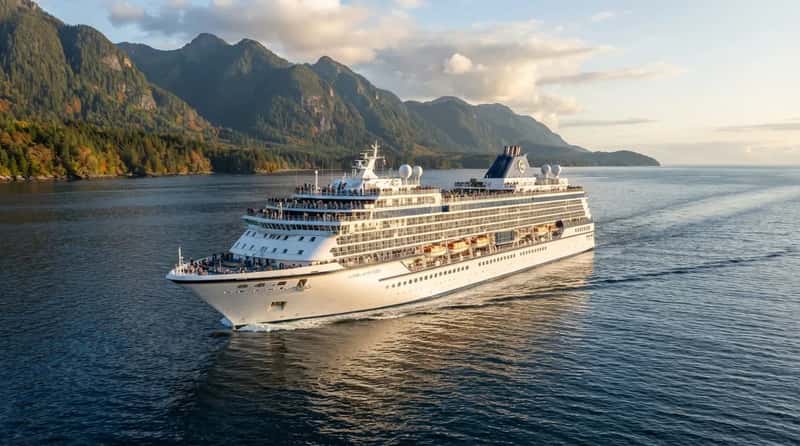
Veteran cruisers rarely book the first repositioning fare they see – they know the real bargains run significantly deeper than any standard seasonal sailing.
Ships sailing Alaska or Europe in summer need to relocate to the Caribbean or Asia for winter, creating special voyages that often cost 50% less than comparable round-trip cruises. That’s not a rounding error – it’s the entire economic engine behind why these sailings exist in the first place. Instead of sailing empty on the way to their next season, cruise lines discount these fares heavily, and patience plus flexible dates is what turns a decent deal into a genuinely remarkable one.
#4 – They Don’t Dismiss the Tiny One- and Two-Night Repositioning Sailings
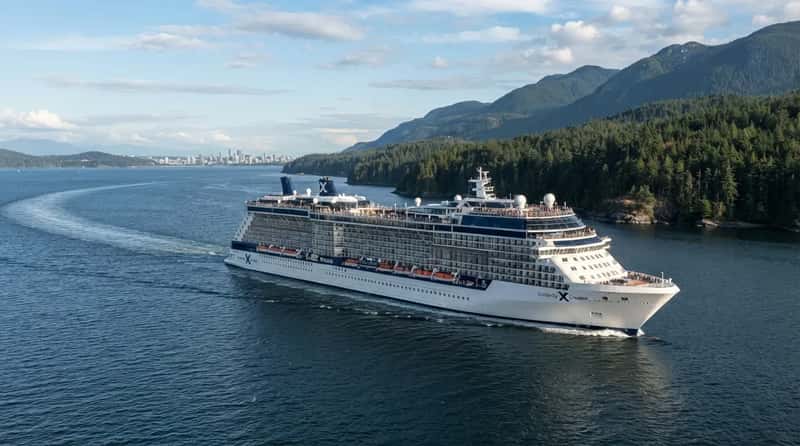
Here’s a controversial one: plenty of cruisers scoff at ultra-short repositioning routes as not “real” cruises. Veterans disagree, loudly, and with receipts.
A 1-day cruise from Seattle to Vancouver can cost less than a single hotel room while still delivering great food, entertainment, and a full night at sea. Short repositioning sailings of one to three nights exist along the California coast and in the Pacific Northwest, and for a quick getaway or a low-risk way to test a new ship, veterans treat these as one of the best-kept secrets in the entire hobby.
#3 – They Prepare for the Date Line to Erase an Entire Day
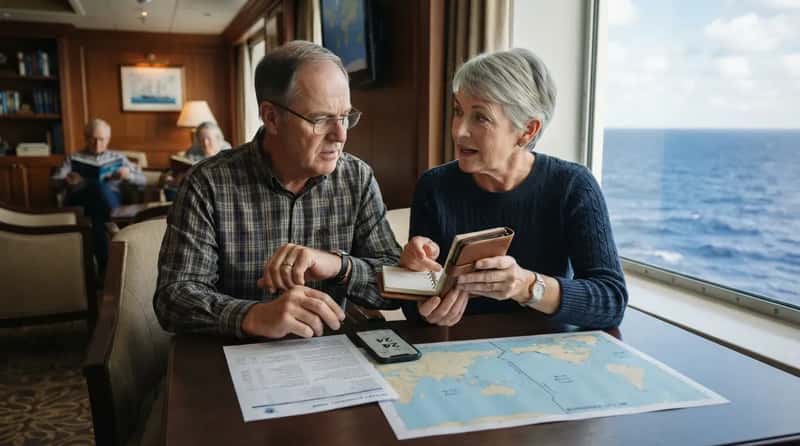
This one genuinely surprises even seasoned travelers the first time it happens on a transpacific repositioning sailing, and it’s not something a normal Caribbean cruise ever prepares you for.
One traveler crossing from Alaska to Japan described the disorientation clearly – after ten days at sea with no cell towers in sight, it’s one thing for the clock to fall back an hour, but to completely eliminate a calendar day is another thing entirely. Calendar appointments shift, business calls get pushed a full 24 hours, and even seasoned cruisers admit it takes real mental effort to track which day it actually is. Veterans simply stop fighting it and let the ship’s daily bulletin be the only clock that matters.
The sea does not reward impatience.
Old sailors’ saying
#2 – They Know These Sailings Are Basically a Loyalty-Tier Cheat Code
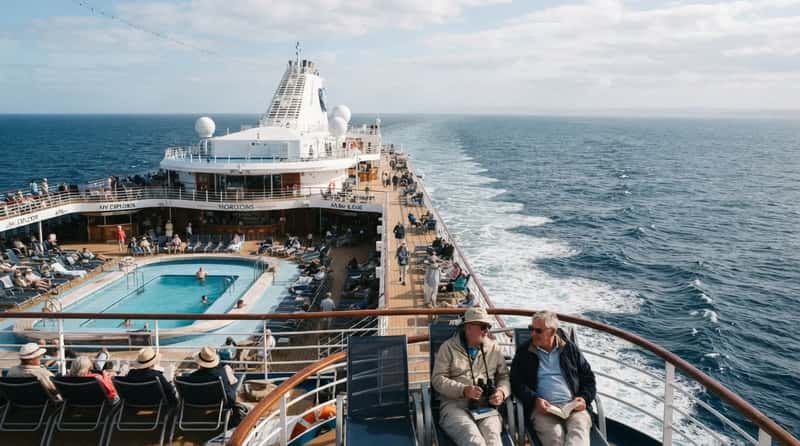
Most people think loyalty points get earned slowly, one short cruise at a time. Veterans know repositioning sailings quietly blow that math out of the water.
A single 14-night crossing can bank as many loyalty nights as three or four short Caribbean trips combined, all while paying a fraction of the per-night rate. Cruisemapper currently lists over 1,500 repositioning cruises available for booking, most of them clustered in spring and fall. For frequent cruisers chasing status, that volume means plenty of chances to stack tiers fast.
Fast Facts
- A 14-night crossing can bank loyalty nights equal to 3-4 short Caribbean trips
- Over 1,500 repositioning cruises are currently listed on Cruisemapper
- Most sailings cluster in the spring and fall shoulder seasons
- Per-night rates typically run well below short seasonal cruises
#1 – They Treat the Whole Category as the Industry’s Best-Kept Secret
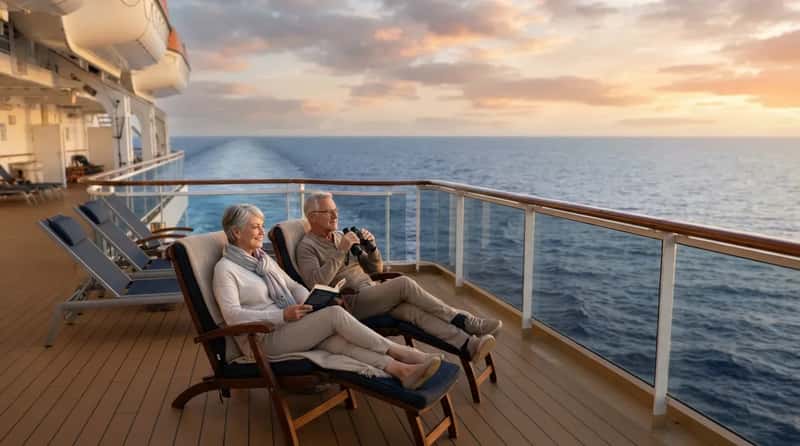
After everything else on this list, it comes down to one core belief that every veteran repositioning cruiser shares without hesitation, almost like a quiet club password.
For savvy travelers, repositioning cruises remain one of the best-kept secrets in the industry – often costing less than a standard voyage while offering longer itineraries, unusual ports, and the relaxed pace of endless sea days. It’s the rule that ties every other rule together: plan around the one-way logistics, embrace the sea days, and the payoff is a kind of cruise experience regular vacationers never even know exists.
Repositioning cruises reward the people who do their homework and quietly punish the people who book on impulse. The line-item costs, the visa rules, the WiFi tech, the sheer number of sea days – none of it is secret information anymore, but it’s still information most first-timers never think to ask about. Veteran cruisers didn’t learn these rules from a brochure; they learned them from getting caught off guard once and never letting it happen again.
Which of these rules would have changed how you booked your last cruise? Drop your own repositioning tip in the comments – the next person scrolling through might need it.