Planning a trip abroad used to mean digging through embassy paperwork months in advance. For American travelers, that’s rarely the case anymore, at least for a surprisingly long list of countries. Even as some regions tighten entry rules or add digital screening steps, plenty of destinations still let a US passport do most of the talking at the border.
That said, “visa-free” doesn’t always mean “no questions asked.” Some countries cap stays at a month, others let Americans linger for the better part of a year, and a few are quietly rolling out new authorization systems that travelers should know about before they book a flight. Here’s a rundown of destinations still rolling out the welcome mat for US citizens, along with what actually applies once you land.
Mexico
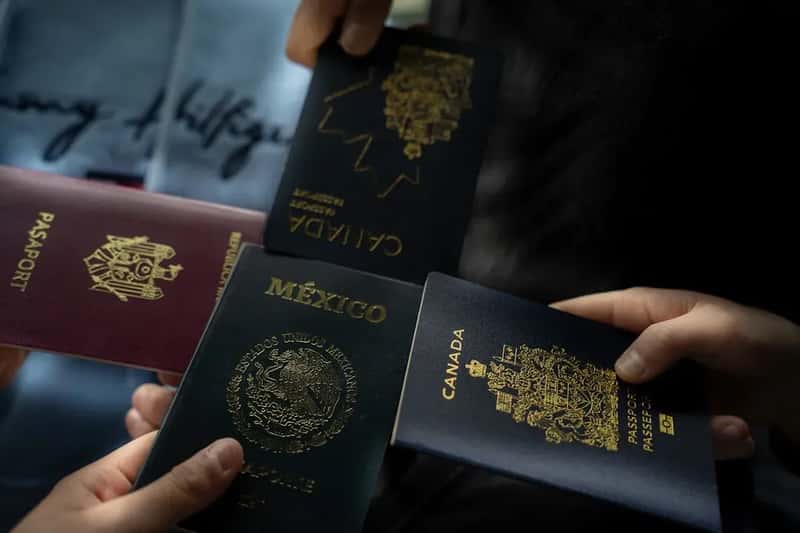
Mexico remains one of the easiest and most generous entries on this list. American travelers can show up with just a passport and typically walk away with permission to stay for months rather than weeks. According to travel researchers tracking 2026 entry rules, Mexico, Canada, the U.K., and Costa Rica generally allow visitors to stay for up to 180 days, or approximately six months, making it ideal for those wanting to explore for an extended period of time.
That six-month window makes Mexico a favorite not just for short vacations but for longer stints, whether that’s a winter escape to the Yucatan or a slow-travel stretch through Mexico City and Oaxaca. There’s no advance application, no fee, and no digital form to fill out before departure. The main thing to keep in mind is that immigration officers decide the exact length of stay at entry, so it’s worth confirming the stamped date before leaving the airport.
Costa Rica

Costa Rica sits in the same generous category as Mexico when it comes to how long Americans can stick around. The same 2026 travel research noted above groups Costa Rica with the countries offering up to 180 days, or approximately six months of visa-free access, which is unusually long compared to the standard 90-day window seen elsewhere.
This makes Costa Rica particularly appealing for retirees testing out a “snowbird” lifestyle or remote workers who want more runway than a typical tourist visa allows. There’s no separate digital pass required to enter, just a valid passport and, occasionally, proof of onward travel. Given how popular the country has become for long-term visitors, it’s one of the more flexible options on this list.
The United Kingdom

Despite Brexit reshaping travel rules across Europe, the UK has kept its doors open to American tourists without requiring a visa. Per current entry guidance, traveling to the UK from the USA: US citizens: Visa free travel for up to six months. That’s a notably longer allowance than the 90-day standard most Europeans deal with.
Americans do need to keep an eye on paperwork changes, though. The UK introduced an Electronic Travel Authorization system that applies broadly to visitors who don’t need a traditional visa, so travelers should check current requirements before departure even though no visa itself is required. Beyond that, London, Edinburgh, and the countryside remain as accessible as ever for a US passport holder with a clean travel history.
Albania

Albania has become something of a quiet standout for Americans seeking long, hassle-free stays in Europe. Unlike its Schengen neighbors, Albania isn’t bound by the standard 90-day rule, and reporting on 2026 travel policy confirms that Albania will even allow you to stay for 365 days, or an entire year!
That’s an extraordinary allowance by European standards, and it’s part of why Albania has drawn growing interest from digital nomads and slow travelers in recent years. The country isn’t part of the Schengen Area’s shared visa rules, so American visitors sidestep both the 90-day cap and, for now, the ETIAS authorization required elsewhere in Europe. Tirana’s coastline and mountain towns have quietly become a testing ground for long-stay travel plans.
Georgia

The country of Georgia, tucked between the Black Sea and the Caucasus Mountains, offers one of the most generous stay allowances anywhere in the world for US citizens. Current visa policy confirms that United States citizens do not need a visa to enter Georgia for stays of up to one year. That’s not a typo, a full calendar year with no visa application required.
Georgia’s immigration framework has stayed largely intact for Western travelers even as the country tightened rules for a handful of other nationalities in 2025. Recent policy tracking notes that citizens of 94 countries can still enter Georgia without a visa and stay for up to a year, and the United States remains solidly on that list. Tbilisi’s old town, the Kakheti wine region, and the Svaneti mountains have all become increasingly popular stops for Americans taking advantage of the extended window.
South Korea
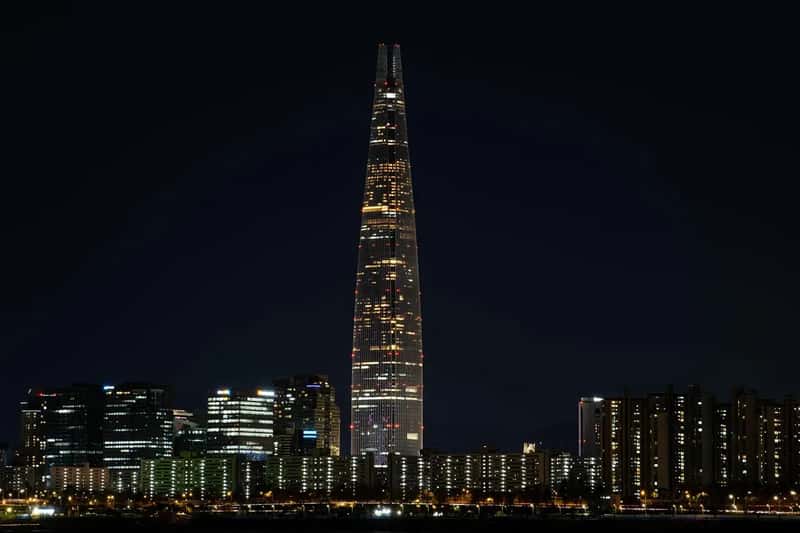
South Korea continues to welcome American tourists visa-free, and for now, it’s even skipping the extra digital screening step that applies to many other nationalities. As of early 2026, the South Korean government has extended the temporary kETA exemption for US citizens through the end of 2026, meaning American passport holders can enter South Korea visa-free and without kETA for stays of up to 90 days, covering tourism, business, and family visits.
That exemption won’t last forever. Official U.S. government travel guidance confirms that the Korean Electronic Travel Authorization (K-ETA) exemption was extended through December 31, 2026, and K-ETA is required starting January 1, 2027. Travelers planning a Seoul trip in 2026 can still skip that extra step, but anyone booking for early 2027 should plan on the new authorization process.
Japan

Japan remains one of the most consistently accessible destinations for American travelers, requiring no advance visa for typical tourism or short business trips. Travel researchers compiling 2026 entry data list Japan among the countries where Americans can visit without applying for a visa beforehand, alongside destinations like Egypt, Chile, and Fiji.
The appeal here goes beyond convenience. Japan’s visa-free arrangement for US citizens has stayed stable for years, and it typically covers stays of up to 90 days for tourism or business purposes. Between Tokyo’s neighborhoods, Kyoto’s temples, and the rural onsen towns further north, it’s a destination where the paperwork rarely gets in the way of the trip itself.
Fiji

Fiji shows up consistently on lists of easy entry points for American travelers heading into the South Pacific. It’s grouped among the destinations where, according to 2026 travel research, Americans can visit without applying for a visa beforehand, making it one of the more approachable long-haul options for US passport holders.
Beyond the paperwork, Fiji’s appeal lies in the simplicity of the arrival process itself. There’s no separate electronic authorization step required for American tourists, just a passport and, in most cases, proof of a return or onward ticket. For travelers weighing a Pacific itinerary against the complexity of some Asian visa systems, Fiji tends to be the lower-friction choice.
Morocco

Morocco continues to draw American visitors without requiring a visa for standard tourism stays. It’s named directly in 2026 travel coverage as one of the destinations where Americans can visit without applying for a visa beforehand, alongside Japan and Fiji.
Morocco typically allows US citizens to stay for up to 90 days without any advance paperwork, covering everything from a Marrakech city break to a longer loop through the Atlas Mountains and the coast. It’s worth noting that Morocco is one of the countries where passport validity rules matter more than usual, since many North African and Middle Eastern destinations expect several months of validity remaining beyond the trip. Travelers headed there should double check their passport’s expiration date well before departure.
Serbia

Serbia offers Americans a straightforward, visa-free path into the Balkans, a region that’s grown increasingly popular as an alternative to pricier Western European cities. Under Serbian immigration law, since 8 November 2014, holders of valid visa or residents of Ireland, Schengen Area member states, United Kingdom or the United States may enter Serbia without a visa for a maximum stay of 90 days within any 180-day period.
That 90-day window puts Serbia in line with typical Schengen rules, even though Serbia itself isn’t part of the Schengen Area and won’t require the upcoming ETIAS authorization that applies to EU travel. Belgrade’s mix of history and nightlife, along with the countryside monasteries and Novi Sad’s riverside charm, make it a low-key but rewarding stop for travelers who want Europe without the visa complications creeping into neighboring countries.