


Hotel restaurant happy hours have been booming lately. Research shows that 40% of consumers attend happy hour at least once a week, and OpenTable’s 2026 dining trends report found that 4:00 PM dining increased 13% year over year in early 2025 as consumers seek value during the happy hour window. It all sounds like a fantastic deal on paper – discounted drinks, small plates, and a relaxed atmosphere before the dinner crowd rolls in. But seasoned waitstaff will tell you there’s a big difference between what looks like a bargain and what actually is one. Some items on those happy hour menus exist not to delight you, but to quietly move inventory that the kitchen needs to clear before the evening service begins. Here are six things you should think twice about ordering the next time you settle into that hotel bar stool.
1. Fresh Seafood Appetizers
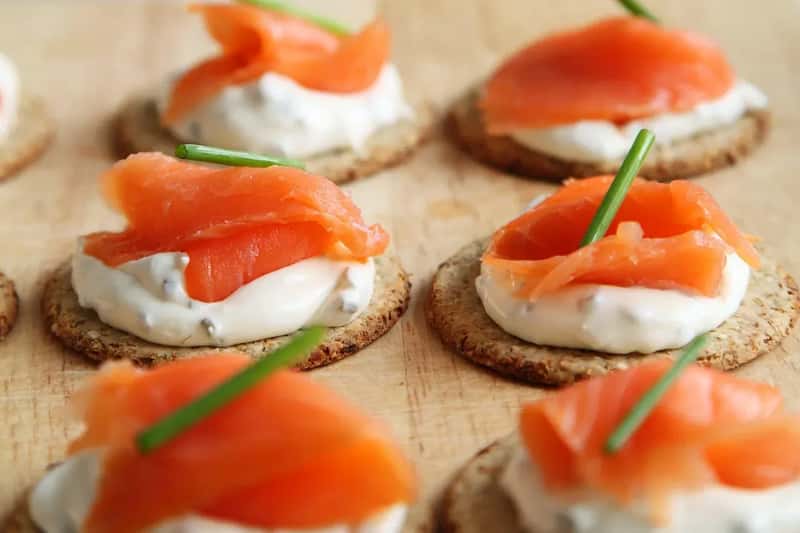
Shrimp cocktail, calamari, crab cakes – these items look tempting on a happy hour menu, especially when they come at a reduced price. The problem is that seafood is one of the most perishable proteins a kitchen handles, and happy hour falls in that awkward mid-afternoon gap. The window between 3:00 and 6:00 PM is the most common happy hour slot – the lunch rush is over, the dinner crowd has not arrived, and the staff is either standing around or being sent home early. That lag time matters more than most guests realize when it comes to seafood freshness.
Bacteria grow rapidly between 40 and 140 degrees Fahrenheit, and the USDA advises discarding all perishable foods such as meat, poultry, eggs, and casseroles left at room temperature longer than two hours. Seafood appetizers prepared earlier in the day and held during a slow mid-afternoon stretch can easily drift into that risk zone, especially in busy hotel kitchens where temperature monitoring isn’t always consistent. Product contamination was identified as the top concern by 65% of restaurant operators surveyed in 2024 by NSF, while product recalls were cited by nearly half as a significant ongoing risk.
2. Well Cocktails and “Happy Hour Special” Drinks
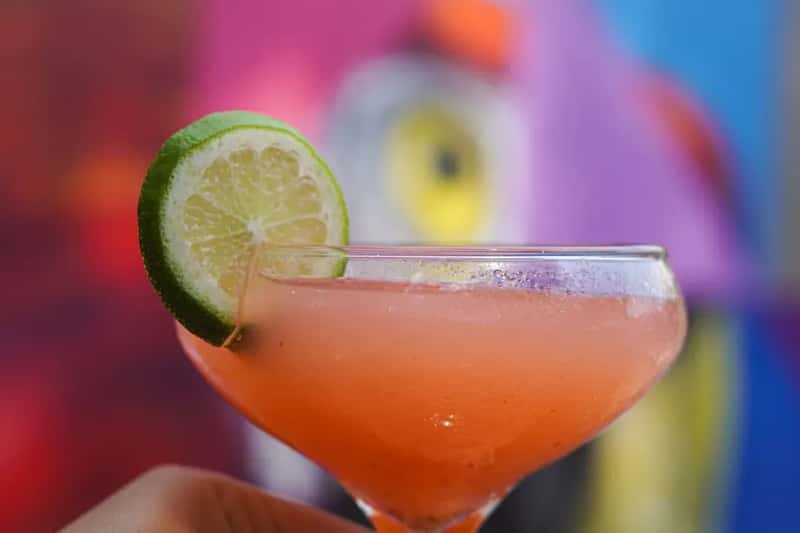
That $6 margarita or deeply discounted “house cocktail” listed on the happy hour board might seem like the smartest order at the table. In reality, well-priced cocktails at hotel bars are almost always built on the lowest-cost spirits the bar stocks, often poured with aggressive cost-cutting in mind. With beverage margins reaching 70 to 80% compared to 30 to 40% on food, a well-structured happy hour can be a restaurant’s most profitable daypart – and much of that margin is protected by using the cheapest possible ingredients in the glass.
Many operators offer specific happy hour cocktails at a set price rather than discounting their full cocktail menu – this controls costs while still delivering a sense of value. Translation: you’re likely getting a drink made from entirely different spirits than what you’d receive if you ordered off the regular menu. A recent survey by NCSolutions found that 41% of consumers said they were trying to cut back on alcohol consumption – and a poorly made well drink from a hotel happy hour is rarely the experience worth revisiting for.
3. Soup of the Day
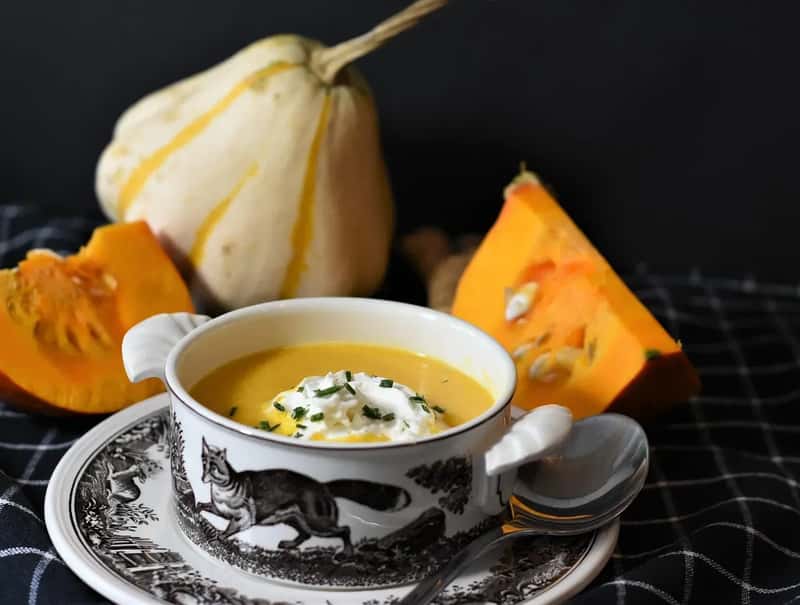
That handwritten chalkboard sign advertising a “housemade soup” during happy hour often tells more of a story than it means to. In most hotel kitchens, soup is one of the most common vehicles for using leftover proteins, vegetables, and stocks that need to be cycled out. Happy hour is the perfect window to move those batches before they exceed their shelf life heading into evening service. It’s not necessarily unsafe – but it’s rarely the fresh, made-to-order product the chalkboard implies.
Proper restaurant food safety guidelines recommend organizing and labeling foods with the First-In First-Out (FIFO) method to use older products first – and 60% of foodborne illness outbreaks in the United States are linked to restaurant establishments. Happy hour soups at hotel restaurants can sometimes be sitting on a steam hold for hours before they’re served, which affects both flavor and nutritional integrity. A soup ordered at 5:00 PM may have been made during morning prep, reheated, and held all day. Food safety standards require that hot dishes be cooled from 135 degrees Fahrenheit to 70 degrees Fahrenheit within 2 hours, then from 70 degrees to 41 degrees Fahrenheit within 4 hours – a process not every busy hotel kitchen manages flawlessly during a mid-afternoon slump.
4. Raw Oysters
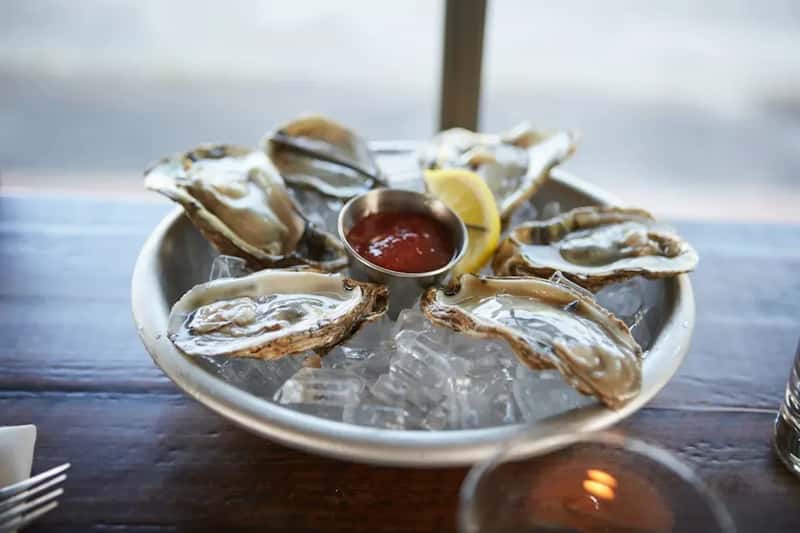
Raw oysters are among the most elegant things you can eat, but they’re also one of the highest-risk foods a restaurant can serve, particularly in a hotel setting where turnover can be inconsistent. Oysters need to be stored alive and at very precise temperatures right up until the moment they’re shucked. Discount pricing during happy hour doesn’t change those requirements – it just often means they’ve been sitting in storage longer than ideal, waiting to be featured as a value item. That’s a gamble that isn’t worth taking lightly.
Each year, an estimated 48 million people in the United States suffer from food poisoning, of which 128,000 are hospitalized and 3,000 die, according to the CDC. Raw shellfish, including oysters, is one of the most common contributors to that statistic. More than half of all foodborne illness outbreaks in the United States are associated with restaurants, delis, banquet facilities, schools, and other institutions. Hotel restaurants with high guest volumes and rotating kitchen staff carry an elevated risk when it comes to maintaining the kind of strict cold-chain management raw oysters require. When a price tag is unusually low, it’s worth asking why.
5. Pre-Made Sliders and Mini Sandwiches
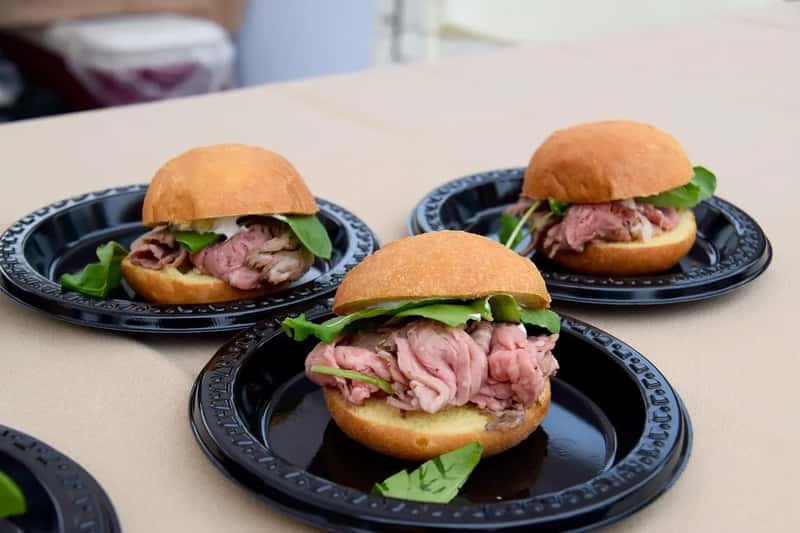
Sliders have become a staple of happy hour menus across hotel restaurants nationwide, and it’s easy to see the appeal. They’re shareable, familiar, and priced to move. The problem is that “priced to move” often means exactly that – these are frequently assembled hours in advance and held under heat lamps or in warming drawers during the lull between lunch and happy hour service. By the time they reach your table at 5:00 PM, they’ve had a long and undignified journey since prep time.
While non-perishable foods can be left out indefinitely, meats, dairy products, and sauces can make people sick if eaten after being left out too long – and as a general rule, food left out at room temperature for over two hours carries a high enough risk of bacterial colonies that some people may get sick. Pre-assembled sliders with meat and cheese tucked inside bread that has been sitting under warmth for hours fit that profile perfectly. A 2024 survey by NSF found that 63% of restaurant operators highlighted the lack of employee knowledge regarding hygiene, sanitation, and food equipment operation as a major concern – a deficiency that complicates efforts to establish a robust food safety culture. During the low-staffing happy hour window, those gaps widen even further.
6. Discounted Sushi Rolls
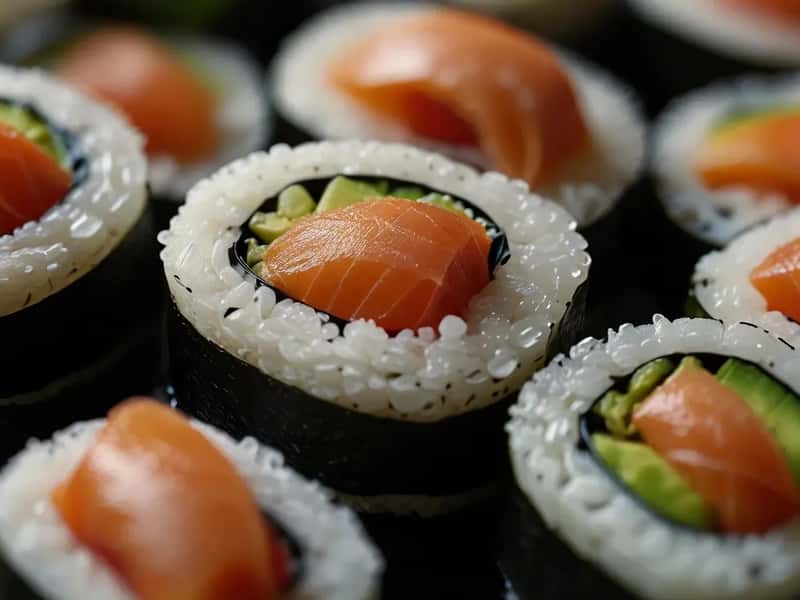
Some hotel restaurants – particularly those with Asian-fusion or Pacific Rim menus – feature sushi as part of their happy hour promotions. A discounted sushi roll sounds like a genuinely luxurious deal. In practice, sushi rice needs to be served at a very specific temperature, raw fish must be kept at controlled cold temperatures, and the window between preparation and safe consumption is extremely narrow. Happy hour discount sushi is one of the clearest cases where the price reduction signals something the kitchen is trying to resolve rather than a genuine gift to the guest.
Food safety is the foundation of health and safety regulations in the restaurant industry, encompassing everything from how food is stored and prepared to how it is served to customers – and in 2024 and 2025, food safety regulations have been becoming even more stringent as new research highlights better ways to protect consumers. Despite tightening standards, sushi in a hotel restaurant happy hour context remains one of the trickiest items to execute safely. According to the National Library of Medicine, the cost of a single foodborne illness outbreak to a restaurant can be substantial and outweigh the typical costs of prevention and control measures. Ordering sushi at a discount during an off-peak service hour is rarely worth the risk, no matter how appealing the price tag appears on the menu board.



