America’s national parks were built on a beautiful promise: wild, open land for everyone. But here’s the thing – when everyone shows up at once, that promise starts to crack. The numbers coming out of 2024 are genuinely alarming, and the situation heading into 2026 is not getting calmer.
The National Park Service recorded 331.9 million recreation visits in 2024, smashing the previous all-time record. That sounds like a celebration. Until you’re the hiker standing in a parking lot queue at 7 a.m. wondering where the wilderness went. What the headlines don’t always tell you is who’s most affected – and why some of these parks are turning into something closer to a safety liability than a sanctuary. Let’s dive in.
The Overcrowding Problem Is Bigger Than You Think

It’s tempting to shrug at visitor counts and think “more people, more fun.” But the reality on the ground is considerably more sobering. Ensuring visitors have enjoyable experiences is becoming increasingly challenging in the most popular parks, which are part of a system encompassing over 85 million acres. The land is massive on paper. The problem is that most visitors converge on a tiny fraction of it.
Raw attendance tells you almost nothing about how crowded a park feels on the ground. Yellowstone spans 2.2 million acres, while Bryce Canyon covers just 35,835. A park’s size, its visitor count, and the month you show up together determine whether you’re walking a peaceful trail or standing in a parking lot queue at 7 a.m. Think of it like a concert venue: the arena might be enormous, but if everyone rushes to the front row, chaos follows.
Dense foot traffic in popular areas increases accident risks and challenges park staff to maintain safety. Efforts include regulated access, expanded facilities, and public awareness programs to manage pressure. Those efforts, honestly, are struggling to keep pace.
1. Great Smoky Mountains: America’s Most Visited and Most Overwhelmed Park
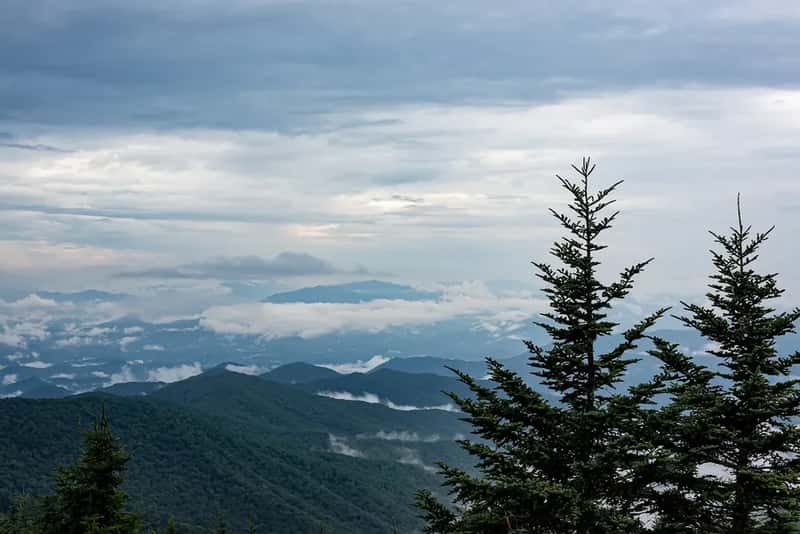
No park in America even comes close to the sheer crowd pressure here. Great Smoky Mountains National Park in North Carolina and Tennessee pulled in 12.19 million visitors in 2024. To put that in perspective, that’s more people than the entire population of several U.S. states combined, all funneling through one park in a single year.
The Great Smoky Mountains National Park remains the leader in national park visitation. Located on the border of North Carolina and Tennessee, its iconic features such as Clingmans Dome and the historic Cades Cove make it an essential stop for nature lovers. With its proximity to urban centers like Atlanta and Knoxville, it’s easily accessible, making it a top choice for both quick getaways and extended vacations.
Great Smoky Mountains is far and away the system’s most visited, and despite its considerable size, crowds can overrun popular areas at peak times. There’s no entry fee either, which removes one natural barrier to entry. That’s great for accessibility – less great for crowd control.
2. Zion National Park: The Park That Never Gets a Break
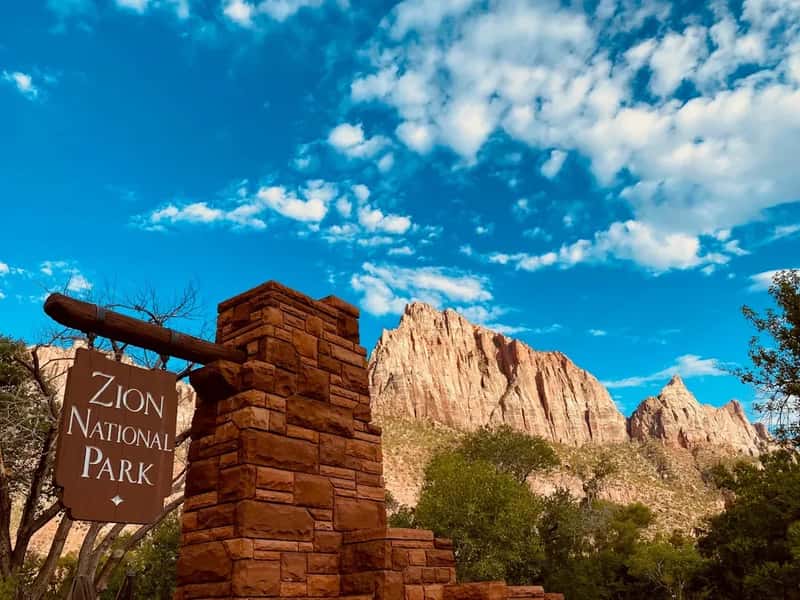
Zion is where the overcrowding problem became a genuine safety and infrastructure crisis years ago, and the situation hasn’t reversed. Zion National Park had 4,946,592 visitors in 2024. For a relatively compact Utah canyon park, that volume is extraordinary. It’s like pouring a river into a pipe.
Zion National Park is feeling the impacts of limited staffing. The park, which has been understaffed for years according to local authorities, could spiral into “chaos” without enough rangers. That warning came from the mayor of Springdale, the small town right at the park’s edge – a community that knows better than anyone what happens when the crowd overwhelms the infrastructure.
Zion is jam-packed with tens of thousands of tourists daily and the season remains constant yearlong, in comparison to eight or nine months of visitations in the past. There’s effectively no off-season anymore. If you were counting on a quiet autumn visit, think again.
3. Yosemite: Record Crowds, Record Rescues
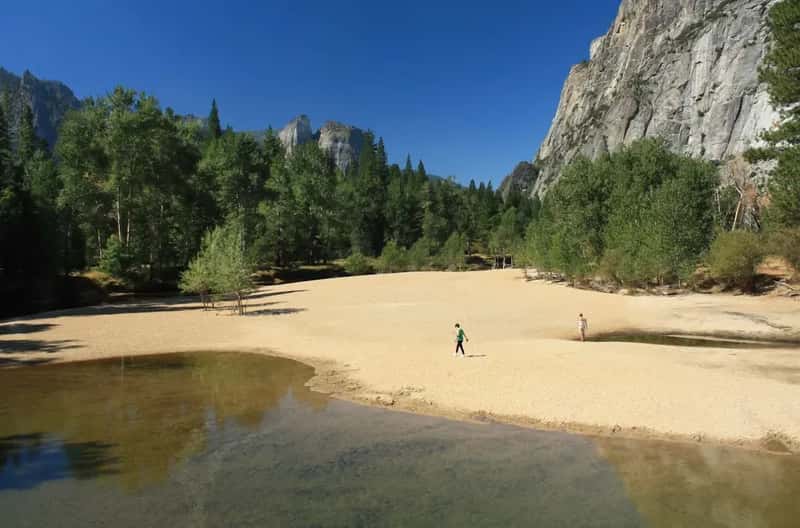
Yosemite has always been a crown jewel. But the 2025 data tells a story that should genuinely concern any hiker planning a visit. Despite vandalism, illegal base jumping, and a skeleton workforce, Yosemite National Park experienced one of its busiest years on record in 2025. More than 4.2 million people visited the California park, an increase of 156,000 visitors from the previous year.
Illegal base jumping, unpermitted climbing, unauthorized camping, and drone use all spiked during that stretch. Search-and-rescue operations also hit their highest mark since 2018, with at least 235 incidents logged in 2025. That number is not an abstract statistic. Each one of those rescues involved a real person in real danger, often delayed by the sheer volume of people on the trails.
Yosemite announced earlier this year that it’s dropping its timed entry reservation system, which had been used in previous seasons to manage overcrowding. Instead, the park plans to rely on parking management, additional personnel at busy intersections, and real-time traffic monitoring during peak periods. Whether that proves sufficient remains a serious open question heading into summer 2026.
4. Rocky Mountain National Park: Timed Entry Still Can’t Fully Contain the Crowds
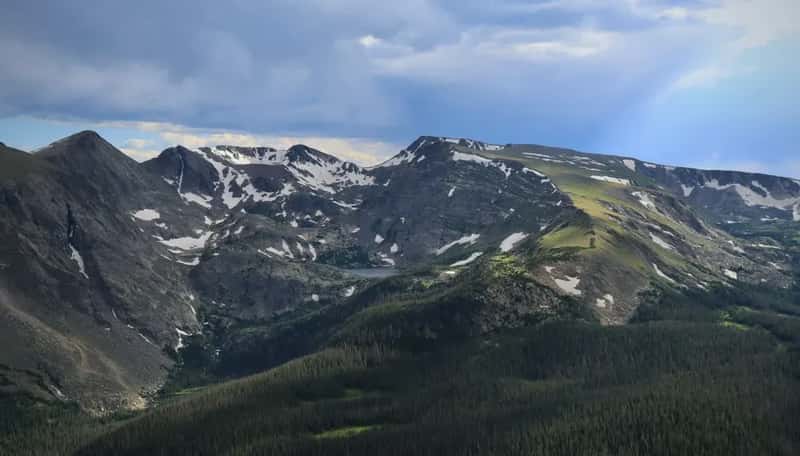
Rocky Mountain is one of the few parks that held onto its reservation system heading into 2026, and honestly, that speaks volumes about how severe the pressure has been. Rocky saw 4,171,431 visitors in 2025, an increase of 17,082 over 2024. The numbers keep climbing, reservation system or not.
Rocky Mountain National Park draws tourists for hiking, wildlife viewing, and scenic drives. High visitor numbers strain parking areas, trailheads, and campgrounds, leading to congestion and environmental degradation that threatens fragile alpine ecosystems. Trail erosion and vegetation loss are major concerns, particularly at popular hiking routes. Wildlife behavior is affected by human presence, and sensitive habitats face long-term impacts.
Park officials have enforced a peak-season timed-entry reservation system they say is needed to prevent overcrowding and resource damage. Rocky’s timed-entry period will begin this year on the Friday before Memorial Day and will run into October. It’s a blunt tool, but at this point, it may be the only thing standing between a manageable summer and a dangerously overwhelmed one.
5. Glacier National Park: A Jewel Losing Its Safety Net
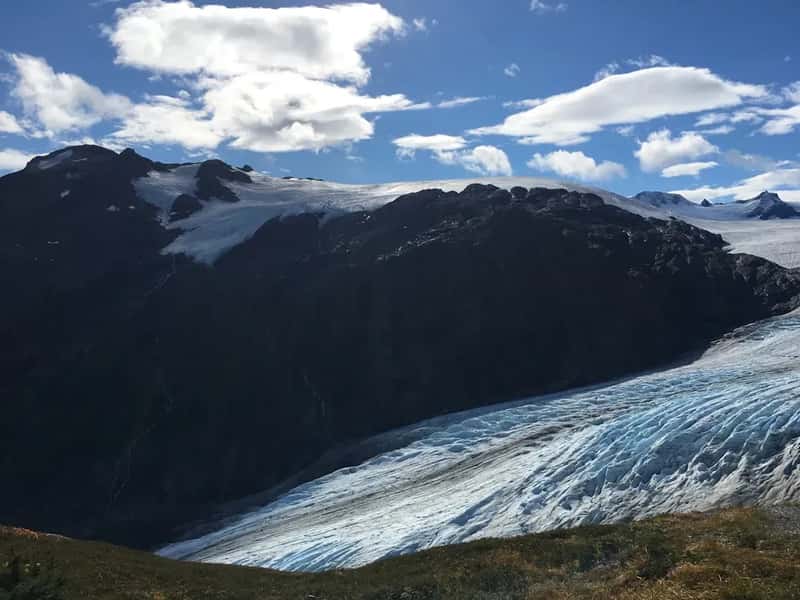
Here’s where things get genuinely alarming for 2026. Glacier has been managing its crowd surge with a vehicle reservation system on the famous Going-to-the-Sun Road. That system is now going away. It’s looking like Glacier National Park will also eliminate its timed entry system for 2026. Park Superintendent Dave Roemer acknowledged the reservation system did succeed in reducing midday traffic but created a safety issue, as the park saw an increase in early-morning traffic.
Glacier National Park in Montana saw over 600,000 visitors in September alone in 2024, pushing its annual total past 3 million, a 9% jump from the previous year. September. Not July. Not August. September saw over half a million people. The scale of that is hard to fully absorb.
Glacier’s landscapes attract tourists eager to hike and explore. Overcrowding at trailheads and scenic viewpoints causes congestion and increases wear on fragile natural environments, affecting plant and animal communities. Human activities, including hiking off designated paths and improper waste disposal, exacerbate environmental damage. Trail erosion, soil compaction, and vegetation loss require active restoration and careful visitor management. Removing the reservation buffer makes all of that worse, not better.
6. Acadia National Park: The Small Park With an Enormous Crowd Problem
Acadia is a special case. It’s gorgeous, accessible from major East Coast cities, and absolutely tiny relative to its visitor count. That combination is a recipe for the kind of density numbers that should genuinely worry hikers. Acadia’s 49,075 acres on Mount Desert Island hosted 3,961,661 visitors in 2024. August is the worst month. The park implemented a timed-entry reservation system for Cadillac Summit Road starting in 2021, which has helped somewhat, but parking lots on the Park Loop Road still fill by 9 a.m. in July and August.
Acadia’s coastal beauty attracts a significant number of visitors, especially in summer. Roads, parking areas, and trails often reach capacity, creating safety hazards and negatively affecting the natural environment and visitor experience. Overcrowding increases the risk of trail erosion, vegetation damage, and wildlife disturbances. Beach and cliffside areas are particularly vulnerable, requiring monitoring and restrictions to protect both ecosystems and visitor safety.
Honestly, the math here is stark. Nearly 4 million people on fewer than 50,000 acres. That’s not a nature experience anymore – that’s a theme park without the queue management. Park authorities implement timed entry, shuttle systems, and educational initiatives. Despite these measures, visitor pressure continues to challenge conservation efforts, emphasizing the importance of responsible tourism and adherence to park regulations.
The Staffing Crisis Making Everything Worse
Overcrowding alone would be challenging enough. Add in a dramatic reduction in the workforce managing these parks, and the risks compound rapidly. The Trump administration has reduced the NPS permanent staff by 25 percent over the last year. That’s a quarter of the workforce managing record-breaking crowds.
The strain on park resources has led to overcrowding, maintenance delays, and visitor safety concerns. Some visitor centers and public safety facilities have even faced temporary closures due to staffing shortages, raising questions about the long-term sustainability of record-breaking attendance. Fewer rangers means longer emergency response times, less trail maintenance, and less enforcement of safety rules.
With the reduced staff and record-setting interest in parks, this could be a perfect storm for overcrowding, which will lead to damage to park resources. That’s not hyperbole. That’s a direct assessment from people inside the system who watch these things play out every season.
The Reservation Systems Are Disappearing – Right When They’re Needed Most
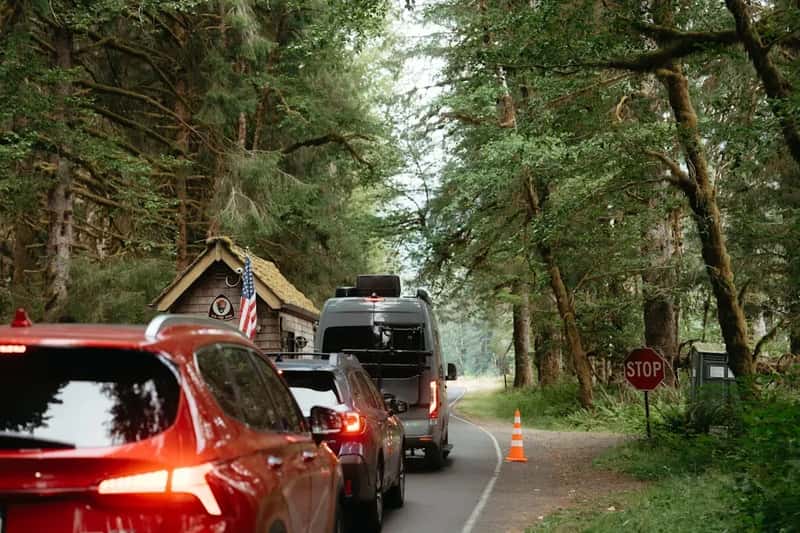
Here’s the part that should raise eyebrows. Just as visitation is hitting record highs and staffing is being cut, some of the key tools for managing crowds are being dismantled. In 2026, several parks are discontinuing timed entry reservations, including Arches, Glacier, Mount Rainier, and Yosemite National Parks.
Yosemite National Park was notorious for its traffic jams and lack of parking throughout the valley until it introduced a timed entry system in 2020. The Department of Interior decided to pause that system in the summer of 2023, and the horrendous traffic jams and parking problems immediately returned. That’s a real-world test, and the results were not encouraging.
The decision to eliminate systems follows what the NPS called “a comprehensive evaluation of traffic patterns, parking availability and visitor use during the 2025 season,” meant to “expand public access while maintaining safe and responsible management during peak visitation.” The intention is reasonable. Whether the execution holds up under peak summer pressure in 2026 is the critical question.
What Real Risk Looks Like on the Trail
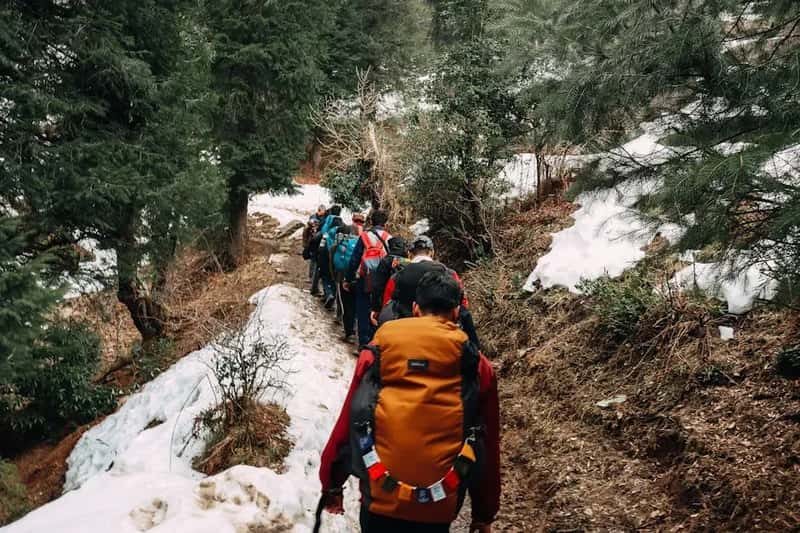
Let’s be real about what overcrowding actually means for safety on the ground. This isn’t just about inconvenience or a crowded parking lot. Unregulated use in previous years at Yosemite’s Half Dome caused crowding and long lines at the base, summit, and cables, resulting in safety concerns including six significant falls between 2006 and 2009. Crowded trails create dangerous bottlenecks, especially on technical terrain.
In July 2024, Grace Rohloff, age 20, of Phoenix, Arizona, slipped and fell from the Half Dome cables when a freak storm appeared. She was hiking with her father and they tried to get down the cables before the storm came, but it started to rain as they were heading down. She slipped on the wet rock and fell 200 to 300 feet. Tragedies like this are not always preventable – but slow evacuation caused by trail congestion can turn a survivable incident into a fatal one.
Visitor crowding can compromise emergency response times. Dense foot traffic in popular areas increases accident risks and challenges park staff to maintain safety. When a trail is packed shoulder to shoulder, getting a rescue team through becomes its own emergency within the emergency.
What Hikers Can Actually Do About It
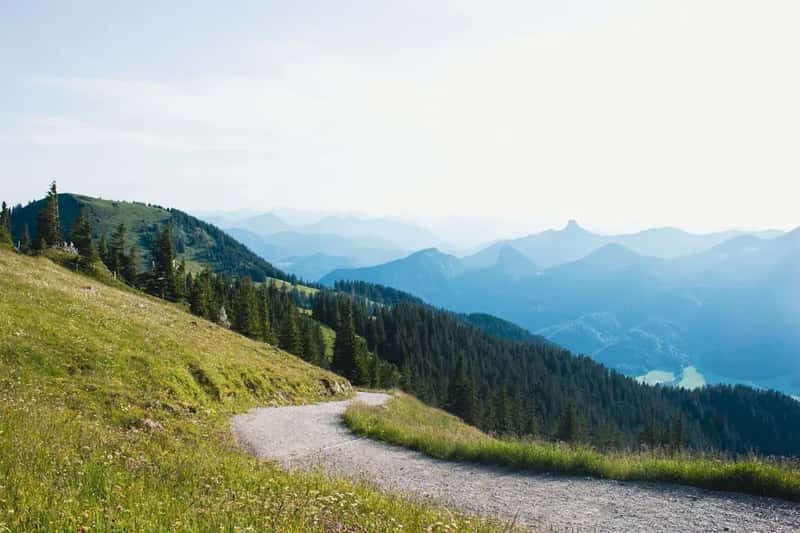
None of this means you shouldn’t visit these parks. It means you should visit smarter. Many travelers head during the peak summer tourism season – June and July are the most popular months – but 55 percent of parks still recorded above-average visitation numbers during the slower periods of February through June and October through December. There is no true off-season anymore, but there are better and worse times to go.
Backcountry permits in Yellowstone often go unused, even in peak season. For trip planning, the implication is clear: if you’re willing to hike more than a mile from a parking lot, the “famous” parks offer more elbow room than their reputations suggest. The crowds concentrate at iconic viewpoints and road corridors. Step off the beaten path, literally, and the experience changes dramatically.
With the growing number of visitors in U.S. national parks each year, overcrowding will only worsen over time if limits are not reasonably placed to alleviate the impacts of visitation. That’s the uncomfortable truth. Individual hikers making thoughtful choices – visiting off-peak, venturing into less-trafficked areas, planning around reservation requirements – are part of the solution. It’s a small thing. But right now, small things add up.
Conclusion: The Warning Is Real
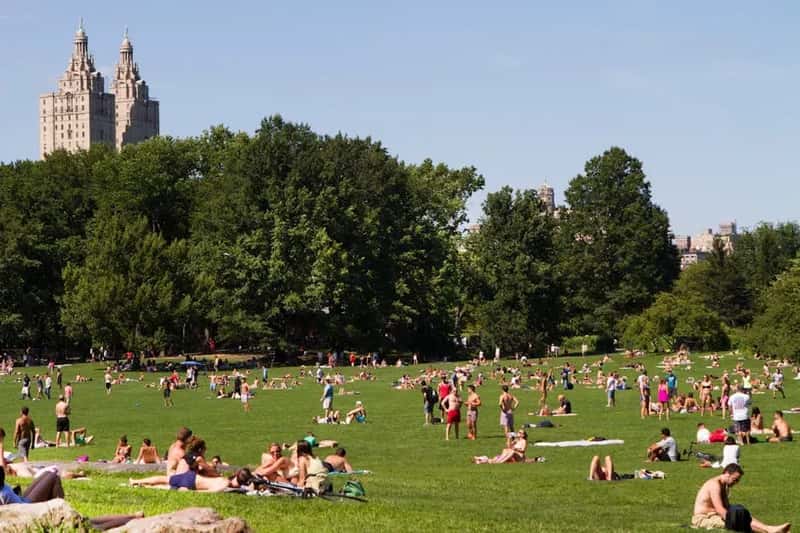
America’s national parks are not failing. They are, in many ways, more popular than ever because they remain genuinely extraordinary. But popularity without management is a slow-moving crisis, and the data from 2024 and 2025 makes it clear we are deep inside that crisis already.
These challenges are not just inconveniences – they pose real risks to public safety and threaten the sustainability of the National Park System. The national parks may remain iconic in name, but for many visitors, the experience is increasingly defined by delays, decay, and danger.
The six parks highlighted here are not cautionary tales meant to keep you home. They’re a genuine heads-up. Know before you go. Plan carefully. And remember that the trail you’re fighting to get on was designed to make you feel small in the best possible way – not packed in tight like a subway car at rush hour. Have you noticed the crowds getting worse on your recent park visits? What would you have done differently knowing what you know now?