Air travel across Canada hit a wall in early August 2026, when cabin crews at the country’s second-largest airline traded their uniforms for picket signs. What started as a contract dispute over paychecks quickly became one of the most disruptive labor actions in Canadian aviation in recent memory, catching travelers mid-trip during one of the busiest weekends of the summer.
The fallout reached far beyond Calgary and Vancouver, rippling through connecting flights in the United States and leaving families, business travelers, and vacationers scrambling for alternatives. Here is how the walkout unfolded, what it was really about, and where things stand now.
A strike that started at midnight
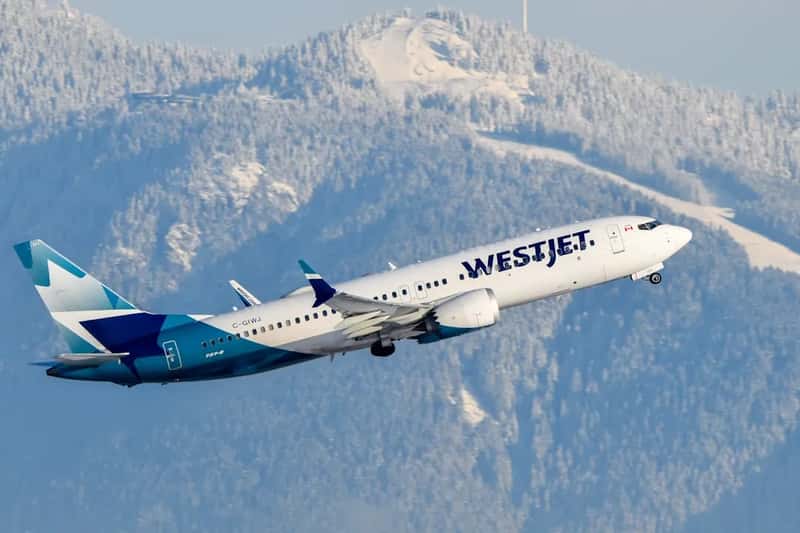
More than 4,000 flight attendants at WestJet began their strike at 12:01 a.m. MT on Sunday after the notice period ran out, leading to a cancellation of hundreds of flights and leaving thousands of travellers stranded.[1] The timing was no accident. WestJet flight attendants, represented by the Canadian Union of Public Employees, issued a 72-hour strike notice on July 30 after months of contract negotiations ended in a deadlock over paying crew members for time they spend working on the ground.[2]
WestJet did not sit idle waiting for the deadline. The work stoppage was set to begin at 12:01 a.m. Mountain Time on August 2, 2026, after WestJet also issued a lockout notice and started network-wide cancellations.[3] By the time the clock struck midnight, the airline had already been trimming its schedule for days in anticipation of the walkout.
Why flight attendants walked off the job
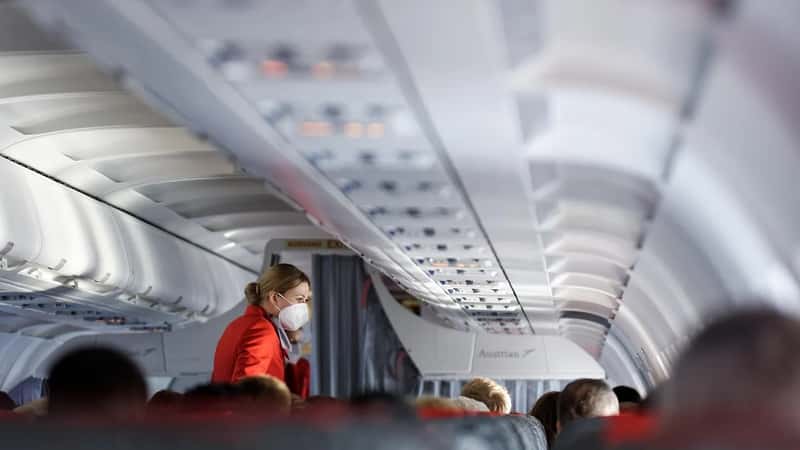
At the heart of the dispute was a simple but contentious question: should crew members get paid for every hour they work, or only for the hours a plane is actually moving? A key issue in the dispute is how flight attendants should be paid for duties performed while still on the ground.[4] That covers boarding, safety checks, and the long stretches spent managing delays on the tarmac.
The union said some of that work is unpaid, while the company said its staff was indeed compensated, citing pay through a “credit hour” system rather than an hourly rate.[4] The union framed the fight in blunt terms, describing the practice as effectively working for free during certain parts of the shift, a characterization that resonated with rank and file members far beyond WestJet.
The credit hour system, explained

Understanding the strike means understanding an industry quirk that most passengers never think about. Flight attendants across North America are traditionally paid based on “block time,” the hours an aircraft is actually flying, rather than a standard hourly wage covering the full workday.
On average, flight attendants also perform up to 35 hours of unpaid work each month, and the union called for an end to this practice so that every hour worked is fully compensated at their hourly wage.[5] Many WestJet flight attendants remain among the lowest paid in the industry, with some earning less than minimum wage when all hours worked are taken into account.[5] Scheduling was another sore point, with the union also pushing for better protections around rest periods between shifts.
Hundreds of flights grounded almost overnight
The operational impact was immediate and severe. WestJet confirmed the strike and canceled 495 flights Sunday, according to FlightAware, snarling travel plans in Canada in the middle of a three-day weekend.[4] Other tallies painted an even broader picture of disruption once weekend and pre-strike cancellations were combined.
One day into the strike, more than 600 flights had been canceled, with all flights aside from WestJet’s regional service on Encore suspended through Sunday, August 2.[6] According to FlightAware, that included about 500 flights on Sunday, as well as flights on Swoop and Sunwing, both of which were integrated into the WestJet fleet over the past year.[6] Monday’s schedule was hit too, with roughly another hundred flights already pulled before the sun came up.
Passengers left stranded during a peak travel weekend
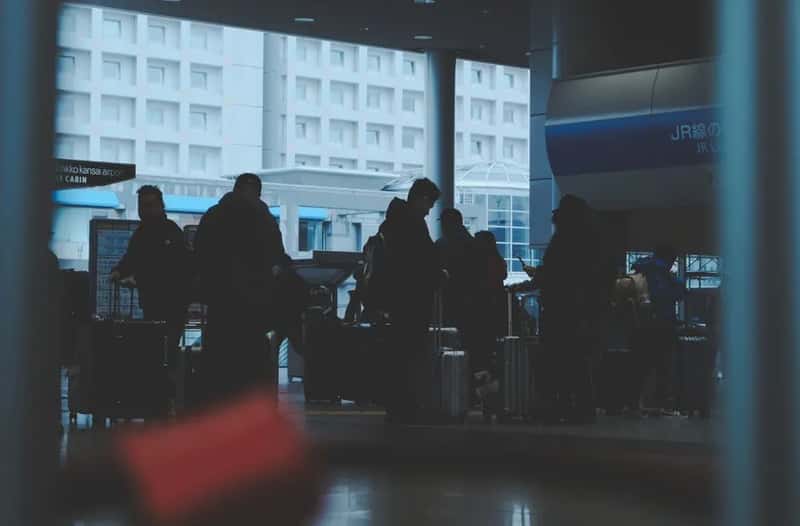
The scale of the disruption for ordinary travelers was hard to overstate. The airline said Sunday that the strike led to travel being canceled for 250,000 travelers.[4] That figure landed during a stretch when airports are typically packed with families heading out for late summer getaways.
Canadians scrambled to change plans and rebook cancelled flights after WestJet flight attendants officially went on strike, on one of the year’s busiest travel weekends, with some travellers out hundreds to thousands of dollars and plans to see loved ones in limbo.[7] The grounding mostly impacted WestJet’s major Canadian hubs, with Calgary International Airport facing the heaviest concentration of disruptions alongside Vancouver, Toronto, and Edmonton, and the timing coincided with Canada’s busy August long weekend, making it difficult for impacted passengers to find alternate flights.[6]
What WestJet offered to end the standoff

The airline did not walk into the strike empty handed. WestJet’s latest public proposal, released on August 2, 2026, included a 36% wage increase over four years and retroactive pay to January 1, 2026.[3] That was paired with additional sweeteners meant to address the core complaint about unpaid ground time.
The proposal also added a new duty pay premium for all duty hours, which WestJet said was equivalent to another 12% salary increase, plus a $300 annual health spending account and a 13% increase in per diem rates in 2026, along with a fifth week of vacation at 25 years of service, a 17-week maternity leave top-up, and a flexible part-time program.[3] WestJet’s chief executive, Alexis von Hoensbroech, described the package publicly as a transformational offer, though the union argued it still left the fundamental credit hour problem unresolved.
The union held firm despite the pay hike

Money alone was not enough to bring flight attendants back to work. The union said the latest offer did not remove a requirement for attendants to work at least 80 credit hours each month without explicit ground pay, arguing that the arrangement undervalues work completed while passengers are boarding, flights are delayed, or aircraft are being prepared after arrival.[8] That distinction, between a bigger paycheck and a fairer pay structure, became the sticking point that kept negotiators at the table well past the strike deadline.
The mandate behind the union’s position was overwhelming. Members voted 99.4% in favor of strike action, with 97.3% turnout.[8] Union president Alia Hussain held a media availability at 8:00 a.m. Sunday at Calgary International Airport, saying the union had stayed at the bargaining table until the final moments but rejected the airline’s latest proposal.[8]
Federal mediators and Ottawa step in
Given the scale of disruption, the dispute quickly drew attention from officials well outside the airline industry. The dispute centered on WestJet’s “credit hours” pay system, with CUPE President Alia Hussain saying the airline’s latest offer failed to address unpaid ground work, and Minister of Jobs Patty Hajdu expressed disappointment as Ottawa watched for possible intervention.[3] Federal mediators were already embedded in the process well before the strike deadline arrived.
Despite what the airline called a transformational offer including a 13% wage hike, the union remained firm on pay for boarding and delays, with federal mediators assisting both parties in Calgary.[8] That government presence echoed a pattern seen in other recent Canadian airline labor disputes, where Ottawa has increasingly been pulled into negotiations once passenger disruption reaches a national scale.
What happens next for cabin crews and travelers
A tentative agreement is not the final word. The Tentative Agreement will now be prepared for presentation to the membership, with members getting an opportunity to review the details of the proposed agreement, attend information sessions, and participate in a ratification vote.[5] Until that vote happens, the specific terms of the deal, including whether the credit hour dispute was genuinely resolved, remain out of public view.
The strike was described as the latest effort by attendants across the U.S. and Canada to challenge a compensation structure that mostly pays cabin crews when aircraft are in motion.[9] For passengers, WestJet had already moved to soften the blow during the disruption, having issued a fee waiver for travel through Aug. 5, allowing passengers who had not received a cancellation notice to change their flights at no additional cost, while notifying all affected guests directly by email or text.[6] Whether the underlying pay structure changes for good will only become clear once cabin crew members cast their ratification votes.