Tbilisi has a reputation as an inexpensive place to open a laptop for a few weeks, and the reputation is mostly earned. Still, “cheap” depends on what you count. It also depends heavily on which neighborhood you sleep in.
The figures below come from 2026 price guides, local rental listings and official visa information, not from one stack of receipts. Where sources disagree, I’ve said so. Amounts are in US dollars unless a source quoted another currency.
The Baseline Before Any Choices
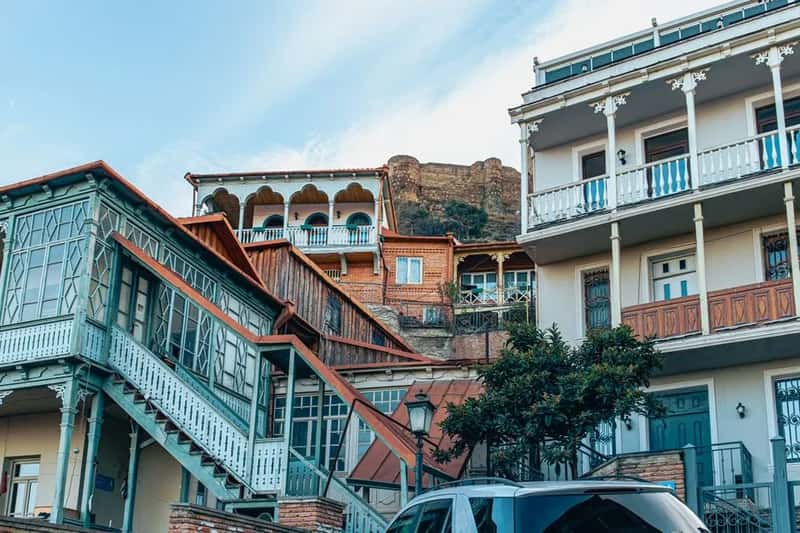
Wise puts the cost of living for one person in Tbilisi at around £1,000 per month as of 2026, covering housing, food and transport[1]. Another budget guide says a single expat living modestly typically spends roughly $900 to $1,400 per month[2]. The spread tells you the city is flexible, not that anyone has the number wrong.
Rent sets the pace. Housing alone can be one third to one half of your spend[2], and a frugal solo budget can dip toward $700 if you rent outside the centre and cook at home[2]. Don’t expect 2018 prices, though. Rents rose 30 to 50 percent in popular areas[3] after that, and even dropped slightly in early 2025[3].
Rent, the Biggest Line on the Sheet
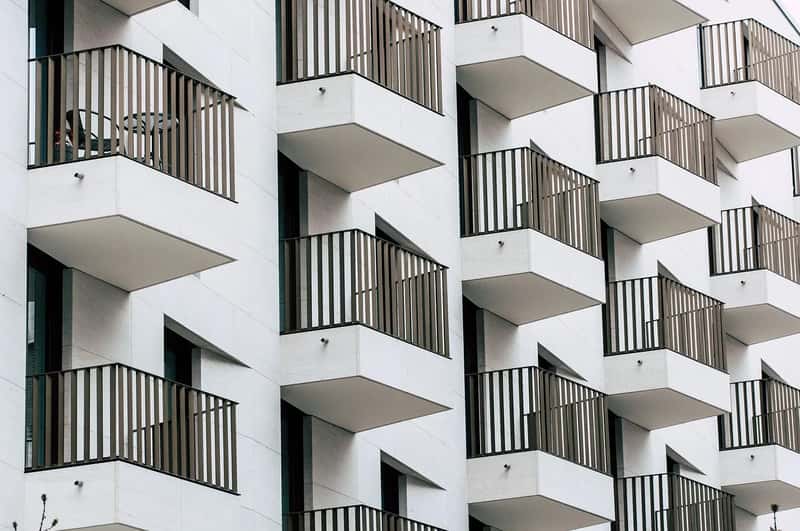
One guide lists a furnished one bedroom in Vake, Vera or Sololaki at $700 to $1,200 a month in 2026[4]. In Saburtalo, Didube and the outer parts of Isani, a one bedroom around $400 to $600 is realistic[4]. The trade is character for space and metro access.
Mid-2026 listings from a local agency show a similar pattern. One bedrooms rent for roughly $250 to $400 in budget metro districts like Gldani, $450 to $750 in Saburtalo, and $600 to $1,000 or more in Vake[5]. If you arrive for a month, remember the upfront costs too. One guide lists the first month as including a deposit equal to one month of rent[6].
Utilities and Home Internet
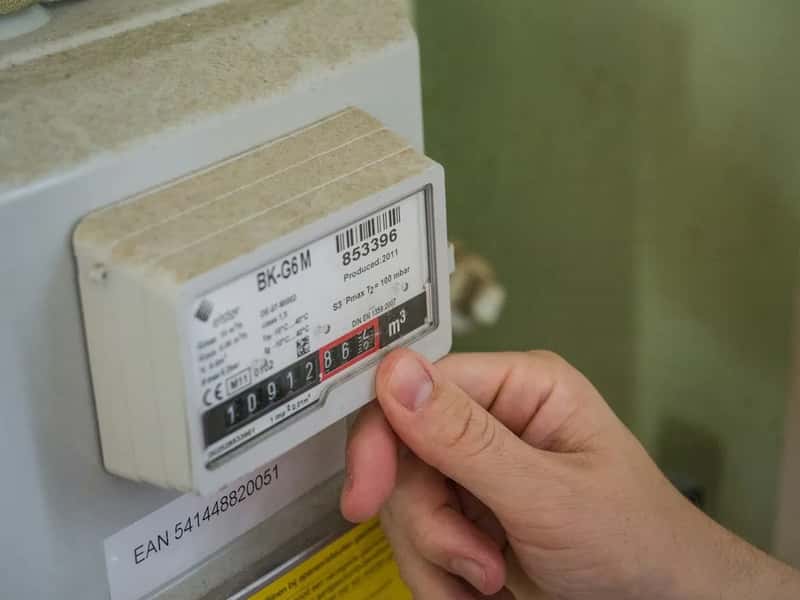
Bills are small, but winter can change them. For a one bedroom, electricity runs $15 to $40 a month depending on air conditioning use[4]. Gas is $5 to $15 in summer and $40 to $80 in winter because most apartments heat with gas[4].
Added up, utilities for a comfortable one bedroom total $40 to $80 most of the year, and $80 to $150 in the coldest months[4]. Poor insulation pushes the figure higher. Budget guides that fold in internet land in a similar place, with one listing utilities including internet at $50 to $80[7].
Groceries and Market Shopping

A typical expat spends $150 to $250 a month on groceries, depending on how much is bought local versus imported[3]. On a weekly basis, a budget shopper spends $30 to $40 and an average shopper $50 to $70[3]. That’s plenty for one person who cooks.
Shelf prices help explain it. The same guide lists bread at 1.50 to 3 lari, a liter of milk at 4 to 6 lari, and a dozen eggs at 7 to 10 lari[3]. Local produce stays cheap, while imported goods cost more due to duties and shipping[3]. Shopping at markets instead of supermarkets is said to save 20 to 30 percent[3], and one guide singles out Dezerter Bazaar for fresh produce at lower prices[8].
Eating Out and Coffee

Restaurants are where budgets drift. Wise estimates an inexpensive restaurant meal at about £8, and a three course meal for two at a midrange restaurant at around £30[1]. Another index prices an inexpensive meal at $11.22[9].
Khinkali, the local dumplings, are the cheap anchor. They’re priced per piece at around 1 to 2 lari, with a typical order being 5 to 10 dumplings[8]. A comfortable single professional budget allows for 12 to 15 meals out at about $200, plus roughly $100 for coffee and drinks[6].
Coworking Desks and Their Price Spread
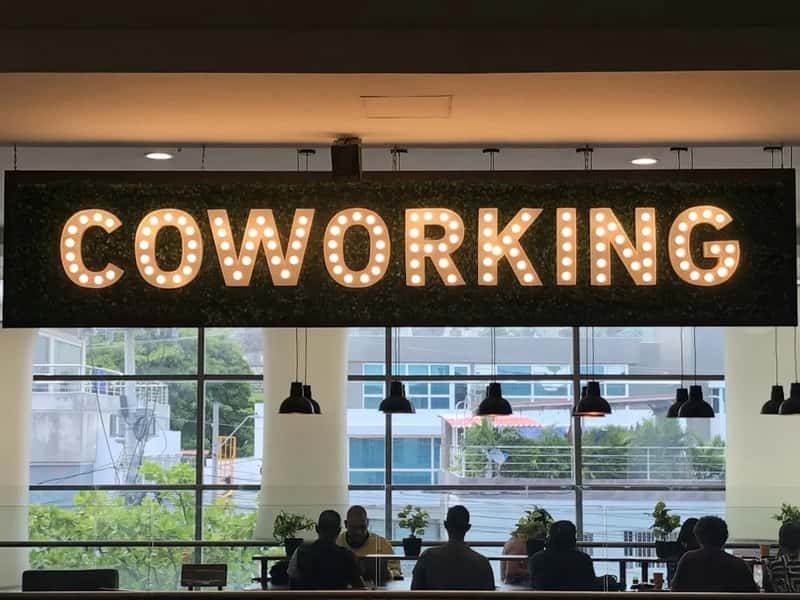
Coworking prices vary a lot between listings. One 2026 comparison shows Terminal Khorava at $11 per day or $157 per month for a flexible desk[10]. The same source lists Space Z in Saburtalo at 150 lari, about $56, a month[10].
Community focused spaces cost more. Another guide puts Fabrika at 35 lari a day[11], with monthly passes of 350 to 500 lari[11]. Because these numbers come from different publishers and dates, check the current price directly before you commit.
Getting Around and Staying Connected
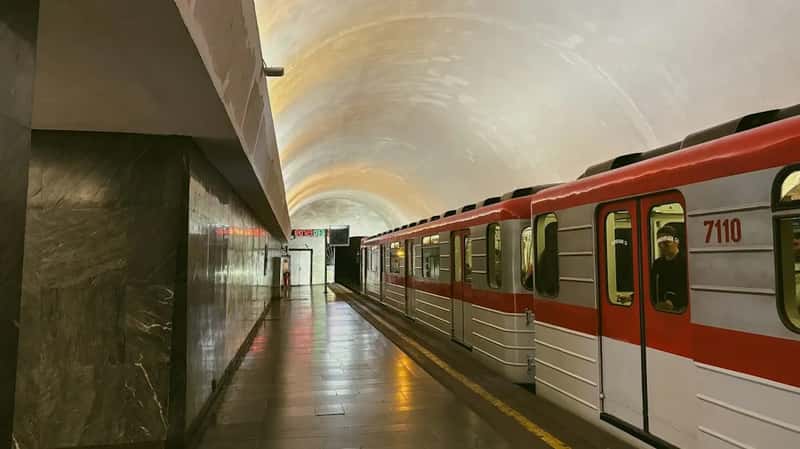
Transit is nearly an afterthought. A single bus or metro ride in Tbilisi costs 1 lari and is valid for 90 minutes[12], and the rechargeable MetroMoney card costs 2 lari[12]. One guide estimates a monthly transport card at around 40 lari, about $15[8].
Rides are still cheap when you want them. A February 2026 price tracker reports a 5 km Uber ride at $3.21[13]. On the phone side, a Magti SIM or eSIM costs 10 lari, with data packages from 5 lari for 1 GB up to 30 lari for 20 GB[12]. Unlimited prepaid plans run 25 to 35 lari a month[3].
Visa, Insurance and the 2026 Rules
Entry costs nothing for most Western passports. As of July 2026, official sources state that citizens of roughly 95 countries can enter visa free and stay up to 365 days, with no application, income test or fee[14]. One 2026 guide adds that from 1 January 2026 travelers must also carry health and accident insurance for the whole stay[15].
The work rules have shifted, and sources describe the change differently. One outlet says the easy arrangement ended on 1 March 2026[16]. Another says that income earned in Georgia generally requires the right to work, though fully remote work and work for non resident clients are generally exempt[17]. Since the details matter, confirm them with official Georgian sources before you book.
How the Month Adds Up

A lean version looks like this. One guide totals about $950 for a Saburtalo studio at $400 rent, $80 utilities and internet, $200 groceries, $100 eating out, $50 coffee, $30 transport, $10 phone and $80 miscellaneous[6]. Adding a budget desk such as Space Z at about $56 brings that to roughly $1,006.
A comfortable version costs more. The same guide totals about $1,620 for a Vake or Vera one bedroom, with $650 rent, $100 utilities and internet, $250 groceries, $200 eating out, $100 coffee and drinks, $50 gym, $80 transport, $12 phone, $28 insurance and $150 for entertainment and extras[6]. Adding a $157 flexible desk gives about $1,777. Published estimates for a modest single expat run from $900 to $1,400, so most months fall between those figures.