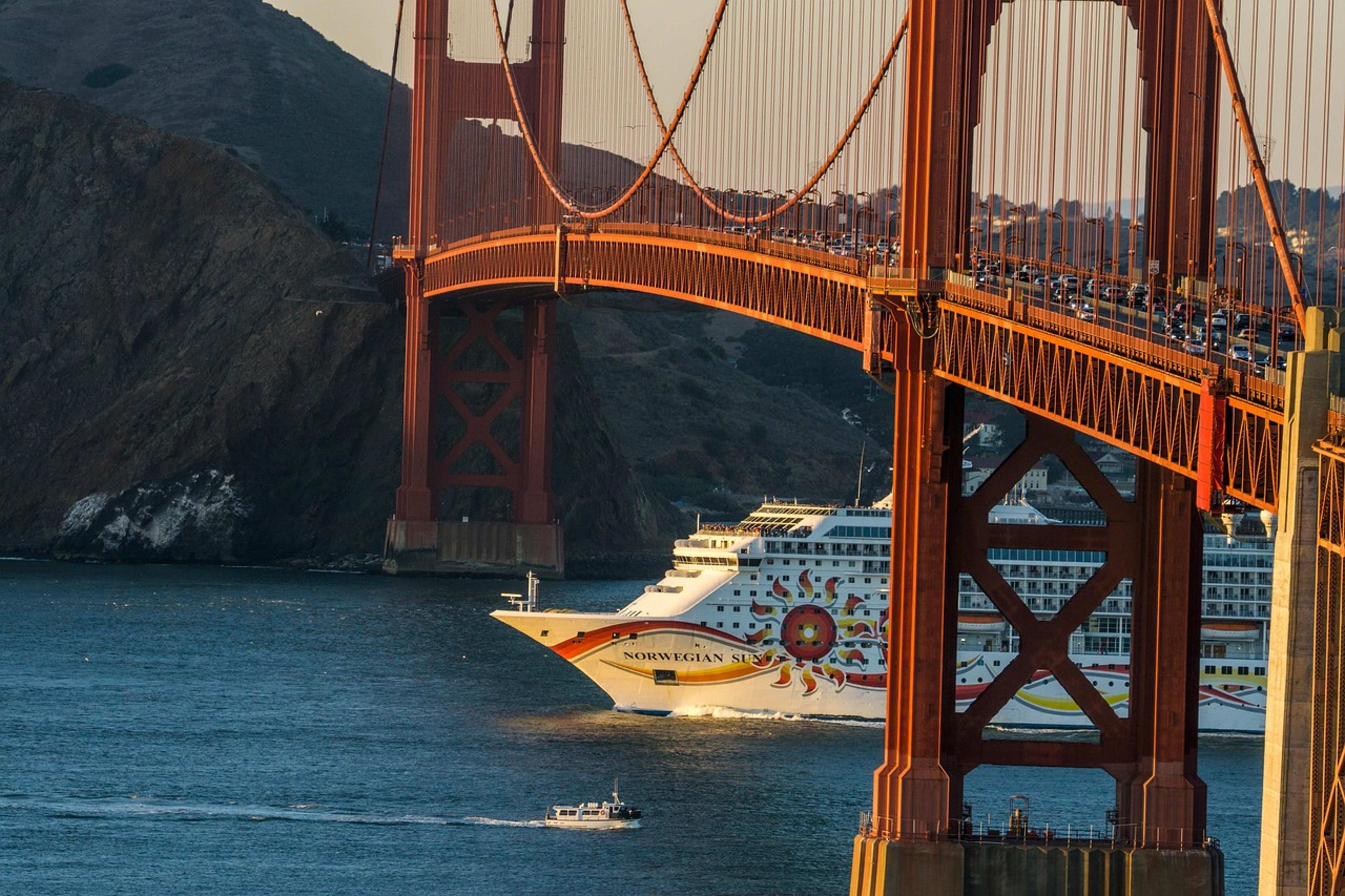
Most cruisers picture the moment in the same way. You’re hurrying down the pier with a bag of souvenirs, and the ship is already easing away from the dock. It’s a rare event, and the fear of it keeps most people checking their watches.
Still, it does happen, and the aftermath follows a fairly predictable path. What matters is who gets notified, who pays, and what happens to your passport and luggage. The details also change depending on how you spent your day ashore.
Why the Ship Leaves on Time
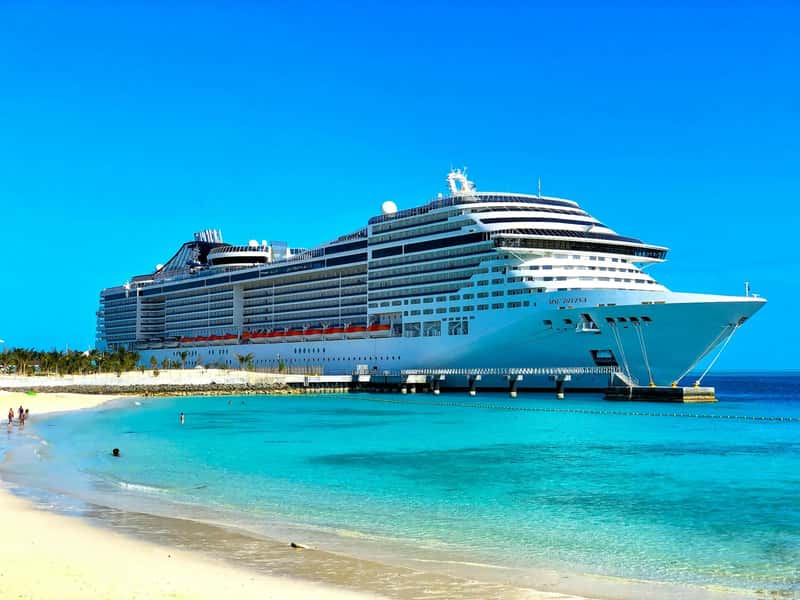
Cruise ships work to tight timetables. They have specific docking times regulated by port authorities, and staying late can result in massive fines or cause the ship to lose its slot at the next destination.[1] Waiting around for a few stragglers can carry real costs for everyone onboard.
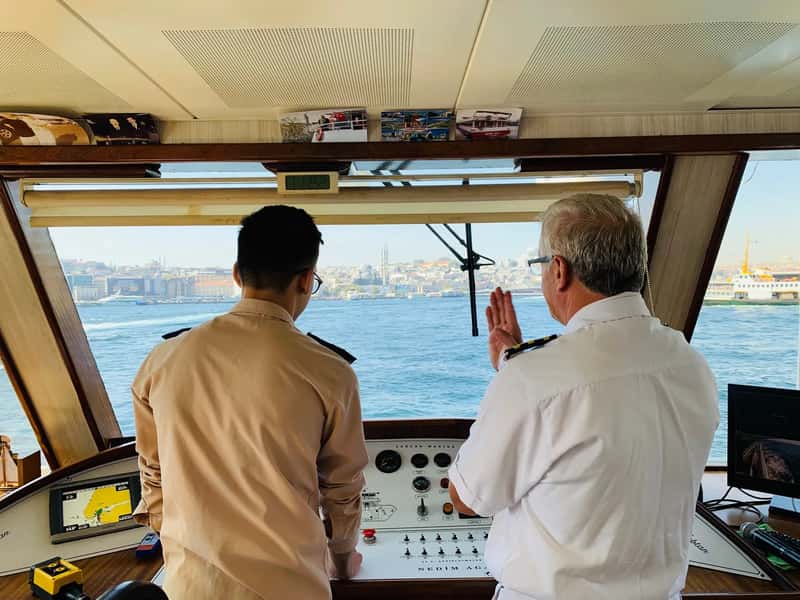
The ripple effect is easy to underestimate. Even a delay of thirty minutes to an hour can cause problems later, whether that means arriving late in the next port or rearranging onboard schedules.[2] If you’re only a few minutes past the deadline, there’s some give, since a captain who learns passengers haven’t returned will try to keep the gangway up as long as possible.[2] That flexibility doesn’t stretch very far.
How the Crew Realizes You’re Missing
The ship doesn’t have to guess. Each passenger’s cruise card is scanned as they board, which makes it simple to see who hasn’t returned after the final boarding time.[3] Your card record flags you as not aboard.
Next comes a public call. Missing passengers are paged over the ship’s announcement system and asked to make themselves known.[3] If nobody answers, the ship notifies the port agent about the missed passenger.[4] From there, the situation moves to shore.
The Port Agent Becomes Your Main Contact
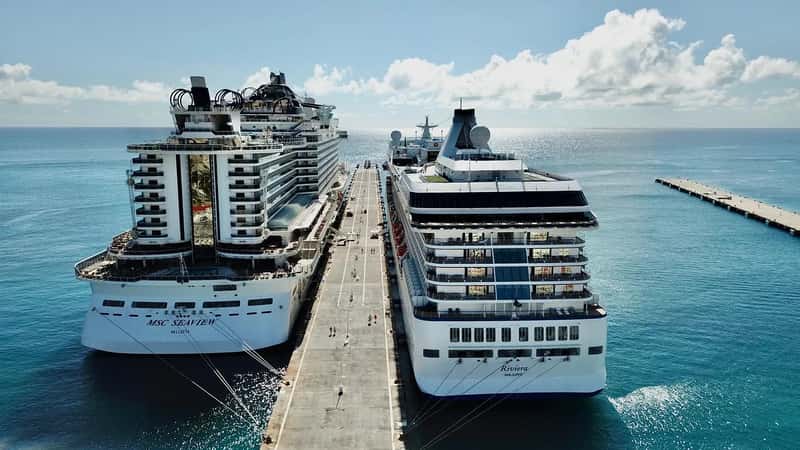
Most cruise lines keep help nearby. They station port agents in the port area to assist if the ship has left without you.[5] Think of this person as a go between, since the agent acts as the liaison between the ship and the shore.[1]
Finding them is usually straightforward. The agent’s contact information is posted in the ship’s daily program and often at the gangway.[4] The agent can help you contact your ship and make onward travel arrangements.[6] If you’re in a remote spot, one guide suggests heading to the port terminal building and staying in a visible, public area.
What Happens to Your Passport, Medication and Luggage
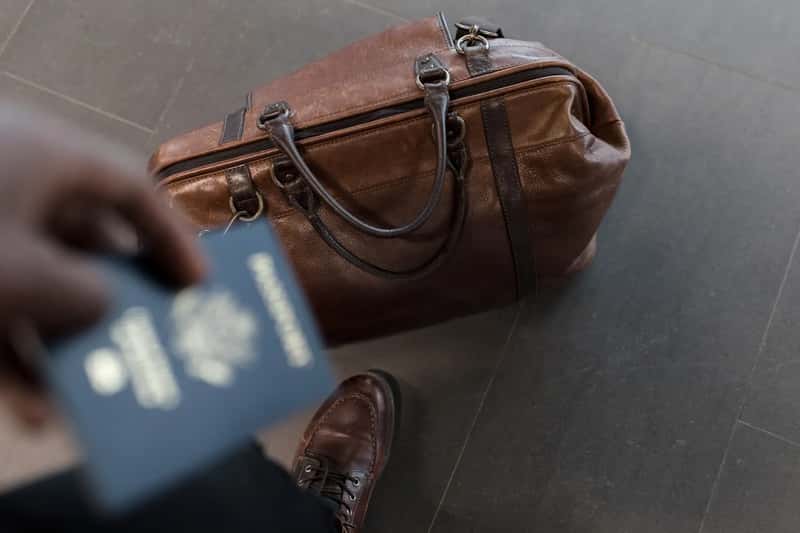
Crews generally take care of the essentials. When passengers are late returning, the ship’s crew will often remove their passports, cell phones and medication from the ship and leave them with the port agents.[5] Security officers will often enter the cabin to locate the passport and essential medication.[1]
Your other belongings stay put for now. They remain in your cabin, and you won’t be charged to retrieve them.[4] If you decide to head home instead of rejoining, you can have your belongings shipped to you.[5] It’s worth asking the agent directly about items like mobility equipment, since one guide recommends checking on passports, daily medication, mobility equipment, and luggage.[7]
Ship Excursion or Going Solo: Why It Matters
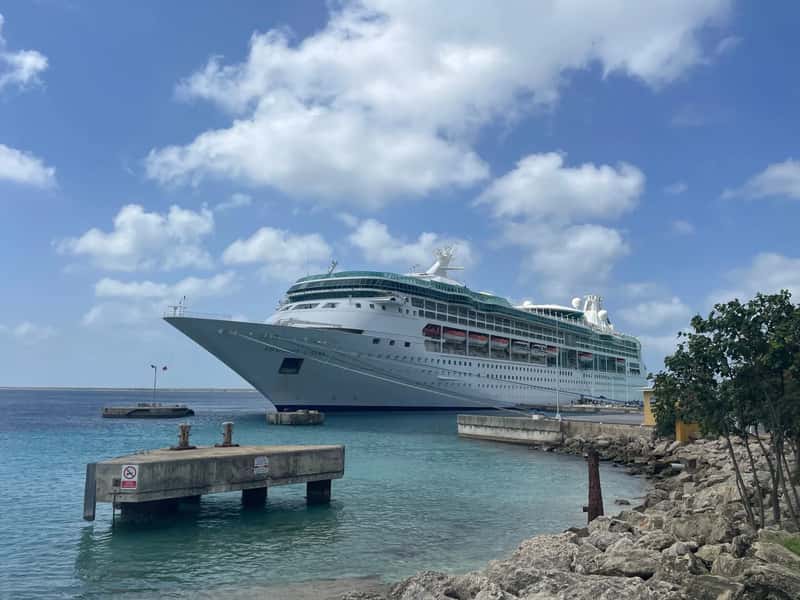
How you spent the day changes the outcome more than anything else. The only reliable exception to a ship leaving is an official shore excursion booked directly through the cruise line. In those cases, the ship will wait, or the cruise line will cover the cost of getting you to the next port.[1]
Going independent shifts the risk to you. If you explore on your own or book an independent tour, you’re responsible for getting back on time.[1] Some third party operators offer their own protection, and some guarantee you’ll reach the ship on time or they’ll pay to get you to the next port of call.[8] One such operator reportedly has only had to use its policy once out of 150,000 tours sold.[9]
Who Pays for Getting Back
When the fault is yours, so is the bill. The cruise line isn’t financially responsible for getting passengers to the next port, and travel to that port or home is at your own expense, along with hotel stays and meals.[10] Cruise lines also generally don’t offer refunds or future cruise credits to passengers who miss the ship.[11]
Last minute travel can add up quickly. Arrangements made through the line won’t be covered by it, and they can be costly, especially when you’re hopping from island to island.[2] One 2026 guide puts last minute flights and an overnight hotel at anywhere from several hundred dollars to more than a thousand.
Rejoining at the Next Port, and the Legal Catch
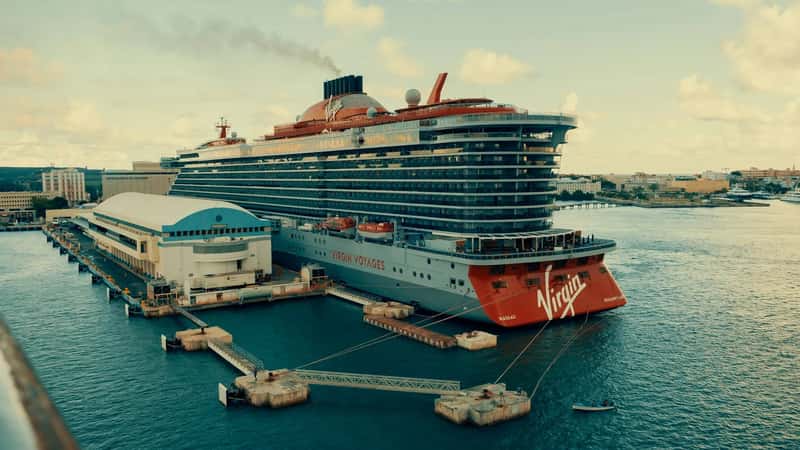
The usual plan is to catch up. You’ll either meet the ship in a subsequent port of call or call it a wash and head home.[5] Your cruise line, travel agent or insurer may help with planning, though you may end up arranging things yourself.
There’s a legal wrinkle in U.S. waters. The Passenger Vessel Services Act prohibits foreign flagged cruise ships from transporting passengers from one U.S. port to another.[2] Even where reaching the next port is logistically easy, you may not be legally allowed to board there.[6] The cruise line will tell you if this applies to you.[1]
Where Travel Insurance Fits In
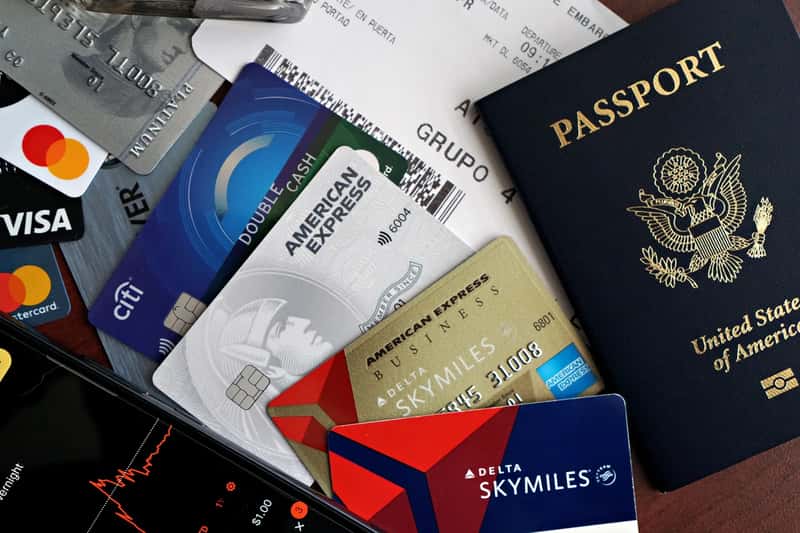
Insurance can soften the financial hit, depending on the policy. According to one guide, relevant coverage can include reimbursement for missed connections, trip interruption costs for flying home, and meals and hotel stays while you’re stranded.[1] Not every policy treats a self caused delay the same way, so the wording matters.
If you do have coverage, contact the company to see whether the policy covers those costs.[9] If it does, keep your receipts so you can submit them for reimbursement.[9] Calling before you book flights is a sensible habit.
Rare Cases That Went Badly
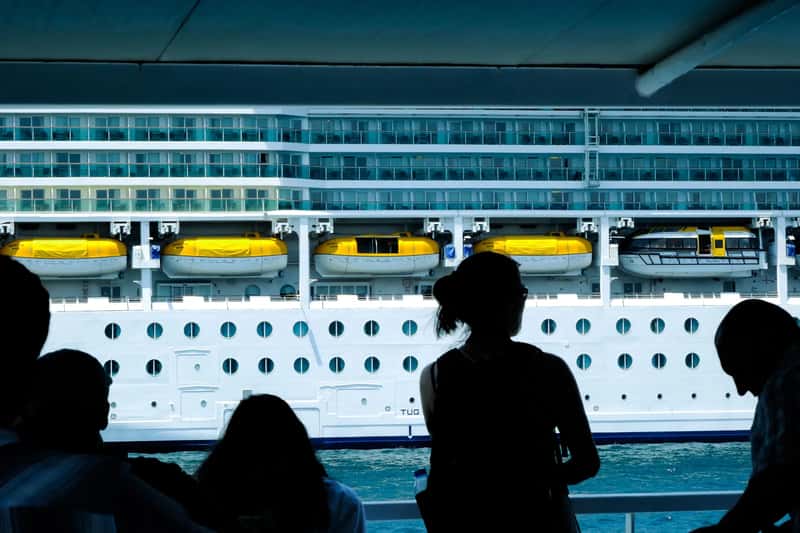
Being left behind is uncommon enough that individual cases make headlines. In March 2024, six American and two Australian passengers returned from a private tour on São Tomé and Príncipe after the 3 p.m. all aboard time and found the ship had closed its doors.[12] The tour operator had called ahead to warn the captain they’d be late.[12] Despite help from the local Coast Guard, they were denied entry to the Norwegian Dawn.[12]
A more serious case came in October 2025, when an 80 year old woman was left behind by her cruise ship on Lizard Island in the Great Barrier Reef.[13] She had gone ashore on an excursion, and reports say she was asked to return to the ship on her own.[13] The incident raised questions about what went wrong.[13] It’s a reminder that these situations vary a lot, and that circumstances beyond lateness can be involved.
Small Habits That Keep You on Board
Start with the clock. If you sightsee solo, make sure your phone or watch is set to local time so you aren’t an hour off.[9] Ship time can differ from port time, so check which one the all aboard notice uses.
Carry the right things, too. Bring your passport instead of a driver’s license, since you may need to book a last minute flight if you have to travel independently to the next port.[10] Keep a credit card with you.[10] Photocopies of your passport, credit cards and key contact numbers, plus your embassy’s address and phone number, are worth keeping ashore.[5] Finally, sign up for the cruise line’s notifications and, if you can, have a data plan so text messages reach you.[9]