Most travelers treat the little metal box in the closet as a private vault. Hotel employees tend to see it as a piece of equipment with a backup plan built in. Those two views don’t always match.
Formal surveys of hotel workers on this topic are hard to find. What exists is a mix of industry guidance, safe manufacturers’ documentation, court cases, and reporting on real incidents, so the picture below comes from those sources. It shows how the people behind the front desk think about room safes.
Staff Can Open Your Safe, and They Rarely Pretend Otherwise
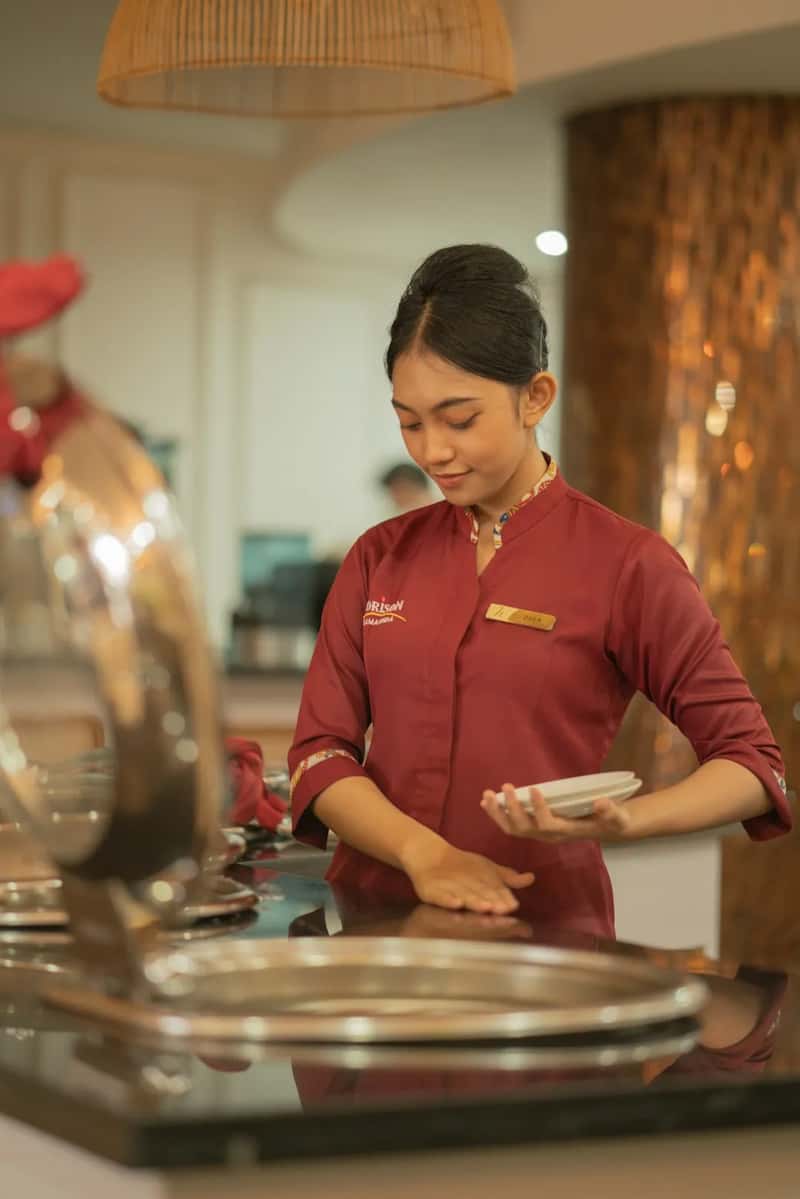
Nearly every hotel safe has an override. The most common way staff reset a guest’s code is the master code, though some safes also come with a master key or master card.[1] Whichever method is used, the guest’s personal code isn’t needed.
Who shows up at your door varies. Usually someone from reception, maintenance, a housekeeping supervisor, or a security officer comes to the room to reset the safe.[1] How many people at a given hotel can do this is not something guests can easily find out.
Why the Override Exists in the First Place
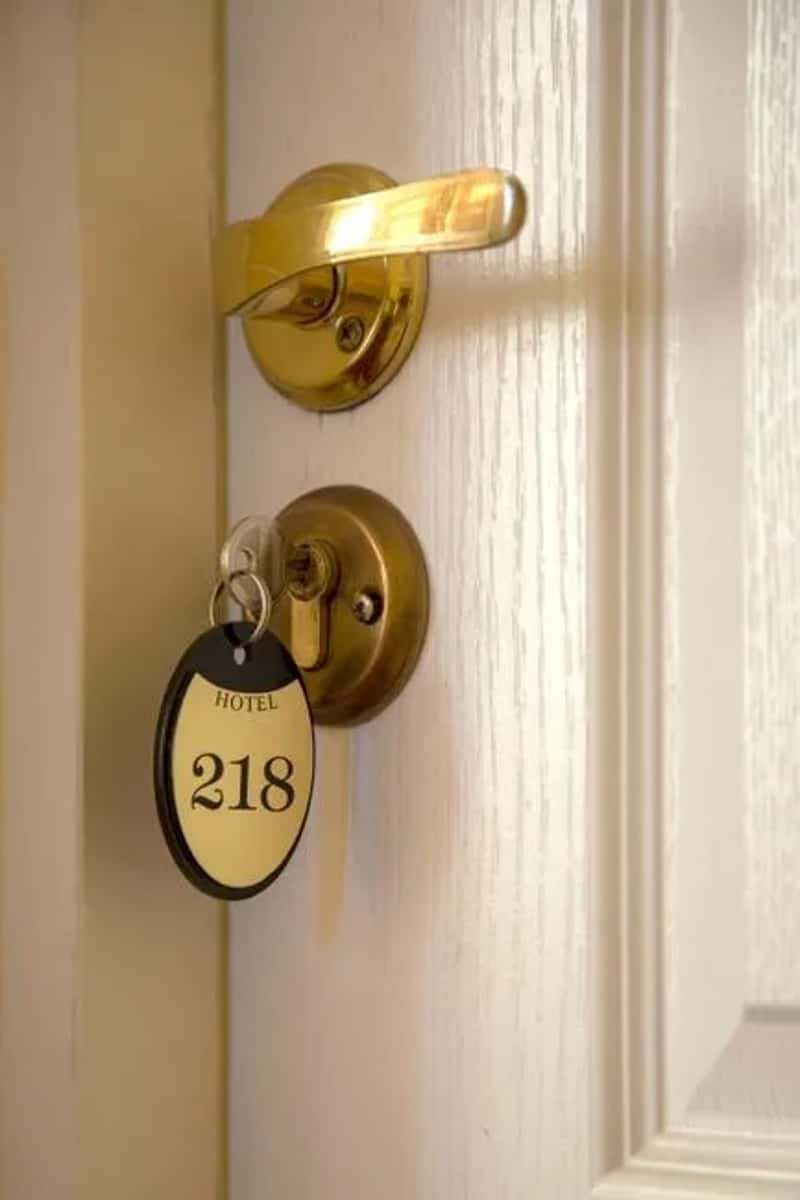
From the hotel’s side, the override is a practical necessity. Guests forget their codes, safes malfunction, and staff sometimes need access to rooms during emergencies.[2] Without a backup, every forgotten code would turn into a locksmith call.
Staff say this is a routine request rather than an unusual one. Hotel staff are trained to handle forgotten codes, so valuables aren’t lost permanently.[3] The same design that rescues a forgetful guest also means the safe is never entirely under the guest’s control.
The Default Code Problem Behind the Front Desk
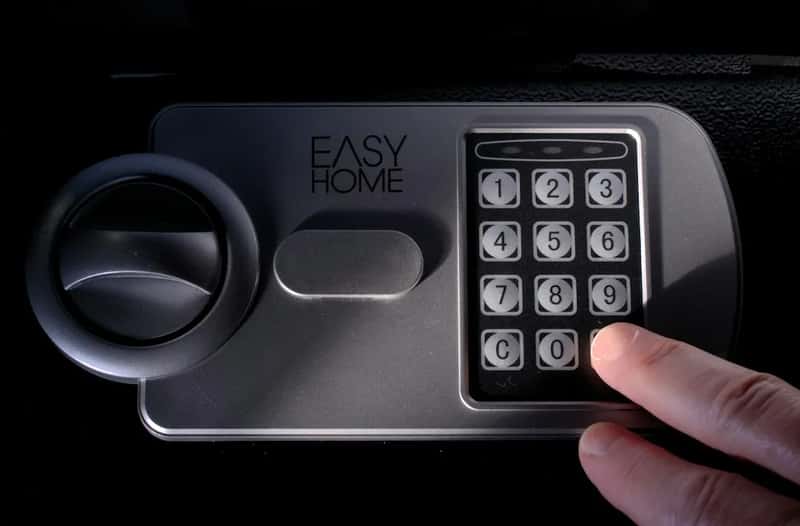
This is where the safe’s reputation takes a hit. Safes typically ship with an override code such as 0000 or 9999, and it falls to the hotel manager to change it, which many don’t.[4] A travel guide from APH puts it plainly: the safe itself works fine, but an unchanged default master code can undermine its security.[5]
Manuals and reports suggest the defaults are predictable. Common defaults include 000000, 111111, and 123456 on six digit models, and 0000, 1111, and 1234 on four digit ones.[3] Whether a particular hotel has changed its code is the piece of information nobody outside the building can verify.
How Many People Might Know the Code
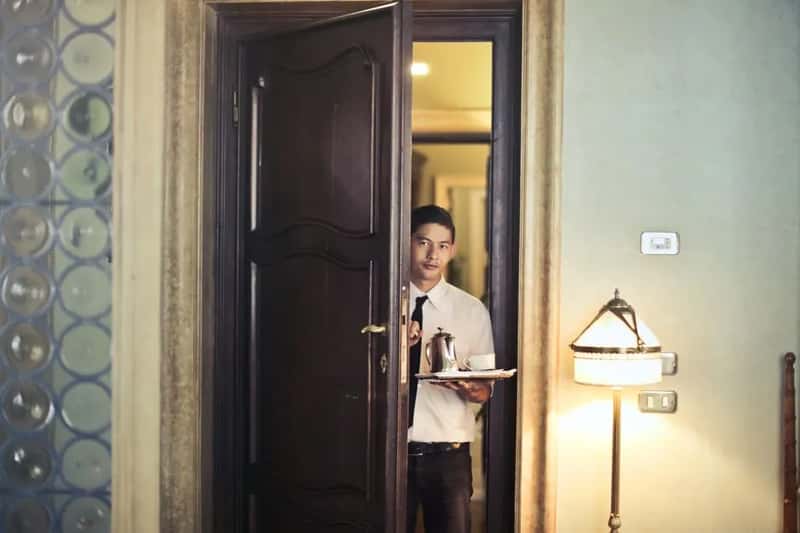
Some travel writers paint a worrying picture. One report says maintenance, housekeeping, front desk, and security personnel typically have access to the codes, so dozens of people might be able to open a safe.[2] The same piece notes that employee turnover is high while master codes rarely change.[2]
Other sources are more measured. Staff can access your safe, but that doesn’t mean every employee in the building can.[6] Since practices differ by property, the honest answer is that access ranges from tightly controlled to fairly loose.
Staff Theft Is Less Common Than Guests Fear
Hospitality insurance writers push back on the assumption that employees are the main threat. One 2024 industry article notes that staff theft is far less common than it used to be, because standards and practices are better.[7] That doesn’t mean it never happens.
A Miami Beach case reported by CBS Miami shows how it can play out. The lock system showed a master key entering the room, and the safe’s record showed a handheld override opening it during the same window.[8] Police said the accused was the only employee working then, and the hotel’s single override machine was kept at the front desk.[8]
Audit Trails Change the Conversation
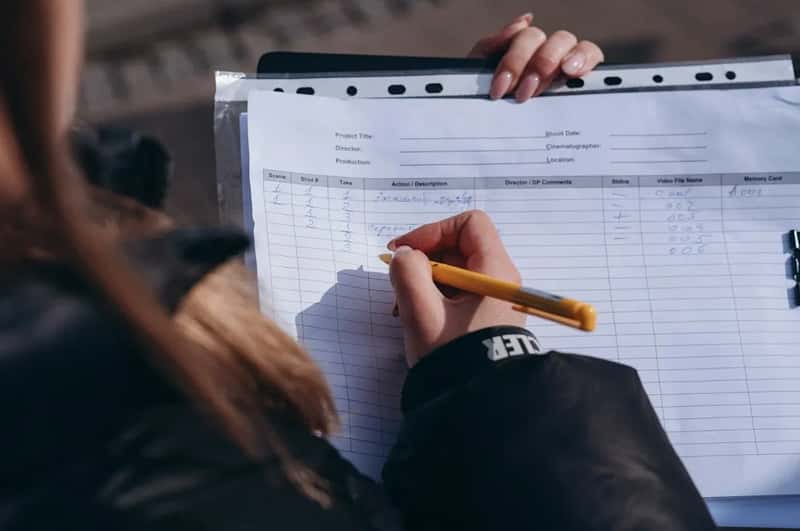
Better safes leave a paper trail, which staff generally like. Some modern room safes record when they were opened and closed, and by whom.[4] Safemark says its audit trail keeps time and date of each locking and opening, the names of authorized staff who opened a locked safe, and override openings.[9]
Manufacturers pitch this as protection for both sides. Their argument is that a full audit trail reduces fraudulent liability claims.[9] For an honest employee, a log can be the difference between suspicion and a clean record.
What Happens When a Guest Gets Locked Out
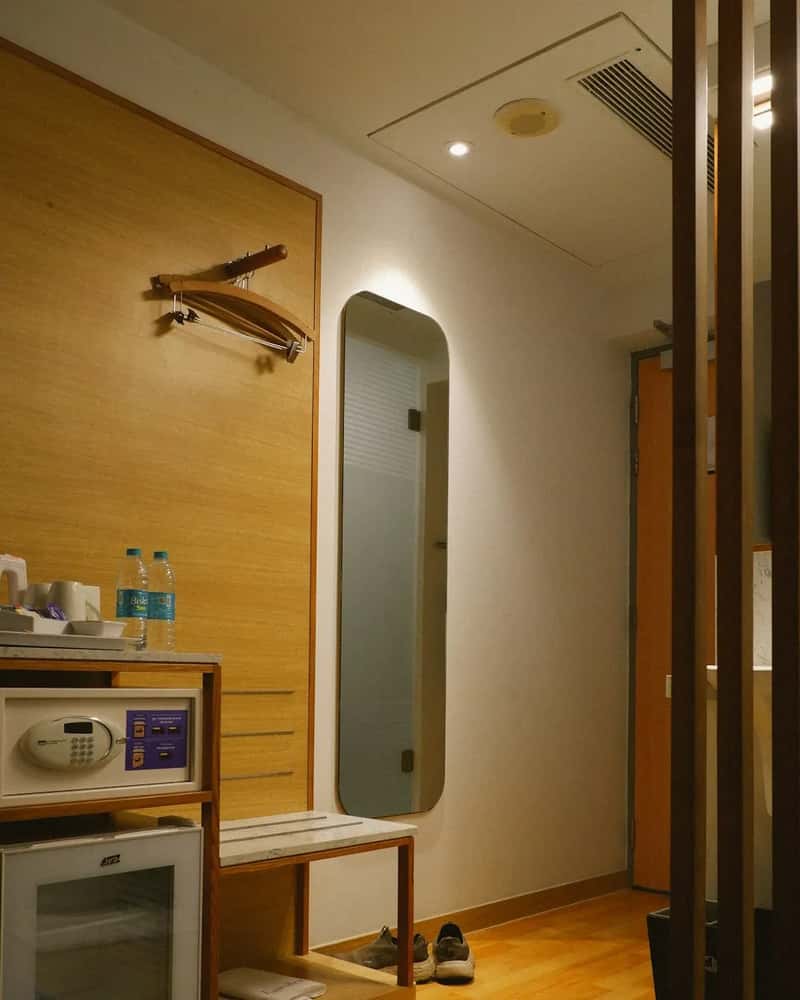
The usual advice is to call the front desk early. Staff may ask for proof of identity or room occupancy before helping.[10] That step exists because the person asking might not be the person who locked the safe.
Not every lockout is a forgotten code. Some safes go into a temporary hold after several wrong entries, and low or dead batteries can also stop a safe from opening, in which case the person on duty comes with a master key.[11] A few minutes of patience, or a quick call, usually solves it.
Batteries, Placement, and Simple Instructions
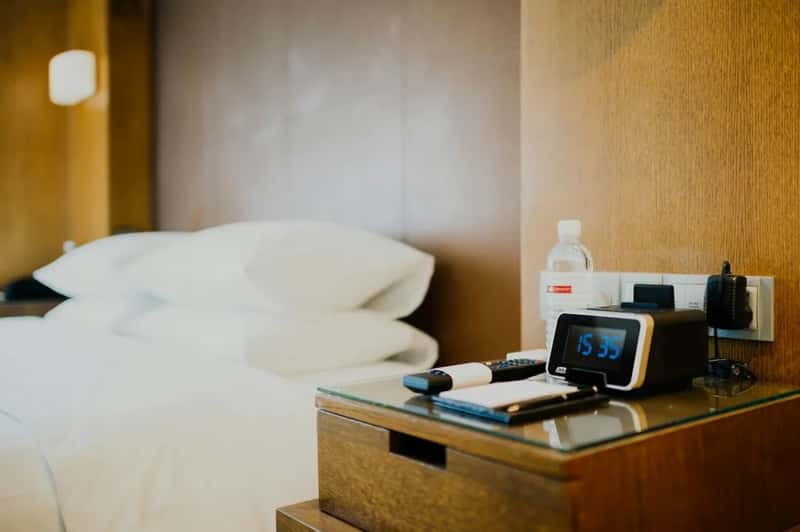
Industry advice for hotels is surprisingly mundane. One 2024 article says safes should be functioning, with batteries checked frequently, well positioned and easy to reach, and with easy instructions, since guests who can’t work it out simply won’t use it.[7] The same piece says safes should be bolted to the wall from inside the safe so they can’t be removed.[7]
Guests read those details as signals too. An insurance executive quoted by Forbes in 2025 treats the state of a room safe as a sign of how seriously a hotel takes security, and considers a portable safe or one screwed to the wall a red flag. It’s an opinion rather than a rule, yet it shows how small maintenance choices shape trust.
Where Liability Fits In
Hotels have a legal reason to care about who uses the safe. Every U.S. state has a statute protecting hotels from unlimited liability for guest valuables, provided the hotel meets certain requirements.[12] The limits range from $0 in a few states to $5,000 in New Jersey.[12]
Those protections depend on following the rules. In one case involving jewelry worth $1.2 million kept in a room safe, an appeals court held that the statute required conspicuous notice of the safe and of the limited liability, in guest rooms and public areas.[13] Signs on the closet door are there for a reason.
Practical Habits That Match What Staff Suggest
Sources on hotel security tend to agree on a few habits. One travel security guide suggests asking the front desk on arrival whether the safe was reset after the previous guest.[3] Another says a lock picking test can help: set a code, lock the safe, then try 999999 on Saflok models to see whether it opens.[14]
Still, the safe isn’t useless. A security consultant quoted by NBC News says most hotel crimes are opportunistic, and that most can be avoided by paying attention, watching keycards, and securing valuables in the room safe or at the front desk.[15] Items you can’t replace, like a passport or a laptop, are worth keeping close either way.
The Takeaway
Hotel staff generally describe the room safe as a deterrent with a backup key, not an impenetrable vault. It works best when the hotel has changed its codes, keeps records, and maintains the hardware. Guests who ask a simple question at check in usually learn more than any sign on the closet door will tell them.