A writer at Nature Canada recently explored the idea of stepping into the body and senses of an orca through a deliberate act of imagination. The exercise draws on shared biology between humans and these marine mammals while highlighting the profound differences that shape their daily existence. The piece invites readers to consider how another species experiences the world around it. ([1])
Common Ground With a Toothed Whale
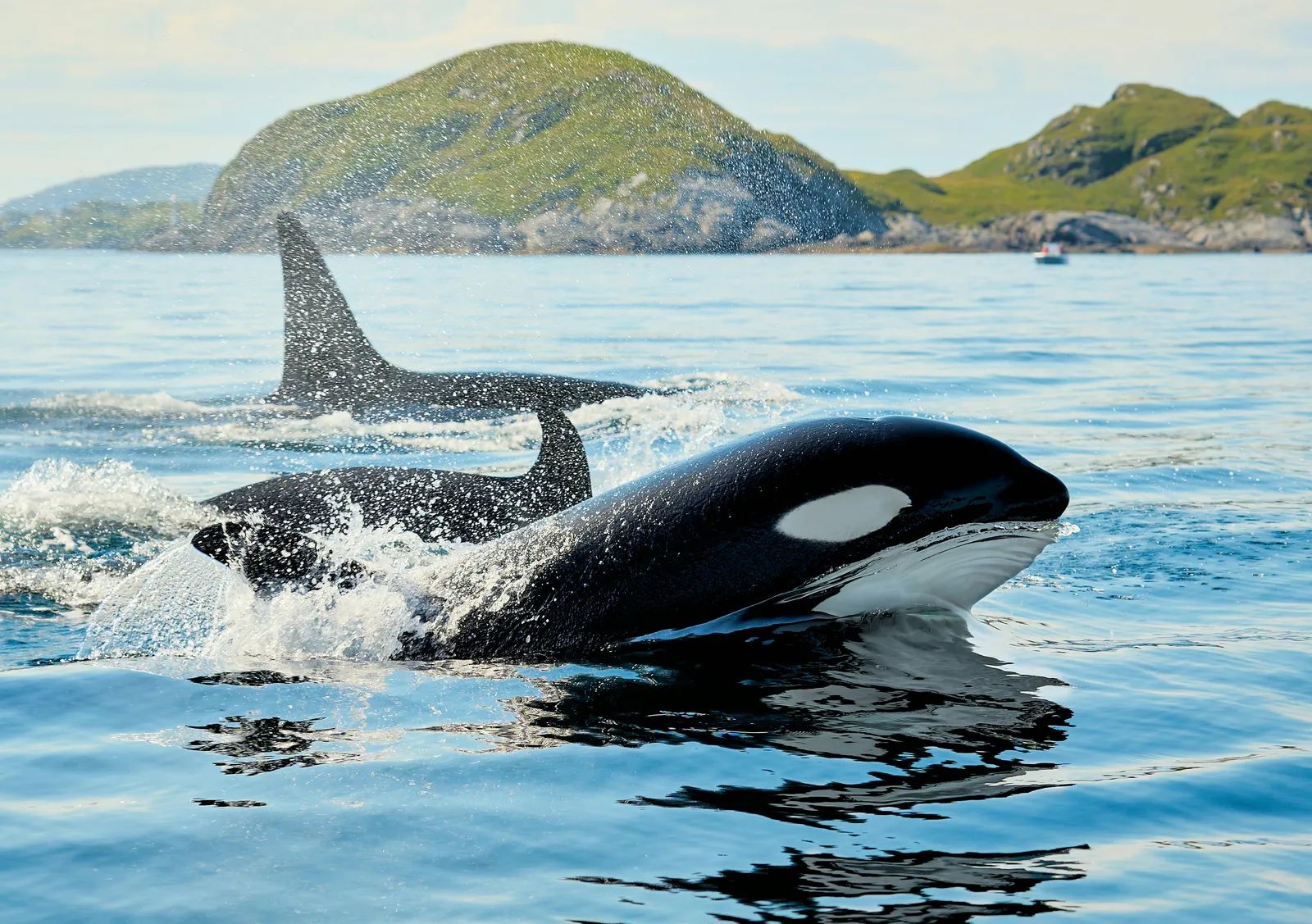
Orcas belong to the order Cetacea, which includes more than forty species of whales, dolphins, and porpoises found in Canadian waters. They range in size from roughly six to nine metres and belong to the toothed-whale group rather than the baleen whales that filter plankton. Both humans and orcas are warm-blooded mammals capable of holding their breath underwater. Each species possesses five jointed digits within the forelimb, whether those digits form a hand or a flipper. Orcas can live as long as ninety years and maintain complex social bonds that echo the emotional lives of people.
The Demands of Uni-Hemispheric Rest
One of the most striking adaptations involves sleep. Orcas rest with only one brain hemisphere at a time, keeping the opposite eye open to monitor surroundings. This uni-hemispheric sleep allows the animal to remain alert to threats while still obtaining needed rest. The writer tested the concept during ordinary work meetings and discovered that colleagues quickly noticed the half-closed eye. The survival advantage becomes clear once the practice is understood: an individual can recover while staying aware of changing conditions in the environment.
Navigating by Sound and Speed
Echolocation provides another essential sense. An orca produces clicks from its jaw that bounce back as echoes, painting shapes in the mind even in dark water. The same ability is shared with bats and other toothed whales. In busy coastal waters such as those off British Columbia, vessel noise can mask these signals and complicate both communication and navigation. The imagined orca therefore descends deeper to reduce interference. At full speed the animal can exceed thirty kilometres an hour, a pace that surpasses the fastest human sprinter and demonstrates the power contained in a streamlined body.
Surfacing and the Return to Land
Breathing occurs through a blowhole that opens and closes at will. The writer pictured the sensation of rising, feeling water slide from the back, and watching sunlight turn exhaled mist into a faint rainbow. The moment of surfacing also brings the sight of nearby land into view. That single glimpse interrupts the transformation and returns the storyteller to human form. The brief mental exercise nevertheless leaves a lasting impression of how perspective can shift when one adopts the form and senses of another animal. The exercise shows that imagining life as an orca can sharpen awareness of the challenges these animals face in increasingly noisy seas. It also underscores the value of seeing the world through different eyes, even for a short time.