Las Vegas. The name alone conjures neon lights, slot machines, and weekend benders. For decades, the city’s reputation as a 24/7 playground shaped how the outside world thought about actually living there. Most people assumed it was no place to raise a family, build a real career, or put down roots. Honestly, that makes sense if you’ve only ever seen it through the lens of a bachelor party or a Hollywood movie.
But the Las Vegas of 2026 is a fundamentally different city. The assumptions that shaped people’s thinking even a decade ago have quietly – and in some cases dramatically – been proven wrong. Let’s dive in.
The Myth: Las Vegas Is an Insanely Cheap Place to Live
For years, the narrative was simple: Vegas is cheap. No state income tax, no brutal winters, no coastal price tags. People moved there expecting to stretch their dollars like taffy. That story has aged poorly.
Living costs in Las Vegas are now 5% higher than the U.S. national average, reflecting a 3% increase from 2025 alone. The primary drivers pushing costs upward are soaring housing prices, elevated transportation expenses, and rising food prices.
By 2026, the cost of living sits at roughly $2,598 per month for a single person and $5,721 per month for a family of four. That is not the bargain-bin destination people once imagined. Still, to be fair, context matters enormously here – Las Vegas remains about 80% less expensive than San Francisco and 67% below New York. It all depends on what you’re comparing it to.
—
The Myth: Home Prices Were Always Affordable
There was a time, not long ago, when Las Vegas was genuinely one of the more accessible housing markets in the American West. That window has largely closed. The Las Vegas median home price now sits at $475,531, a figure that would have seemed almost fictional to buyers who were shopping there a decade ago.
Home prices rose sharply between 2020 and 2023, and although growth slowed in 2024 and 2025, affordability remains strained – with households often needing well into six-figure incomes to comfortably purchase a median-priced home in Southern Nevada. Think about that for a moment. The city that once lured working-class families from California with the promise of a starter home now presents a serious financial hurdle of its own.
Las Vegas home sales have plummeted to their lowest levels since 2007, creating what experts describe as a perfect storm of high prices, elevated interest rates, and limited inventory that is pushing homeownership out of reach for many locals. According to Redfin data, only about one in five homes for sale in the city are affordable to a family earning the local median income.
—
The Myth: Vegas Runs Entirely on Casinos and Tourism
Ask someone what people do for work in Las Vegas and nine out of ten will say “casinos.” It’s an understandable assumption. But the city’s economic identity has been shifting beneath the surface in ways that are genuinely surprising. Today, the economy of Las Vegas is driven by major industries including not just tourism and gaming, but also health and medicine, business information technology, and clean technologies.
Las Vegas companies are investing heavily in tech talent, particularly in areas like AI implementation and cloud infrastructure, and the local tech scene is growing fast as organizations focus on both technical expertise and adaptability to keep up with rapid changes in technology. Major tech players have made moves too – Google built a $600 million data center in Henderson, and Amazon has expanded with new distribution centers.
While total employment growth slowed slightly recently, education and health services added 4,200 jobs compared to the same time the prior year and more than 12,000 since early 2023, growth largely driven by ongoing investment in healthcare and biotech industries. Vegas is no longer a one-trick pony, and the data backs that up.
—
The Myth: You Cannot Build a Tech Career in Las Vegas

Here’s the thing – not too long ago, if you were a software engineer or data scientist, Las Vegas was simply not on your radar. It wasn’t in the same conversation as San Francisco, Austin, or Seattle. That assumption deserves a serious second look in 2026.
The tech job market now represents roughly 20% of all jobs in the city, with entry-level positions starting around $50,000 to $60,000. The average tech salary is now over $104,000, which is notable given Las Vegas’s lower cost of living compared to other major tech hubs.
The arrival of tech startups in the Datacorp corridor, supported by state incentives and university partnerships, is creating high-skill jobs that attract professionals from coast to coast. The gaming industry’s digital evolution and zero state income tax make Las Vegas particularly attractive for tech talent who want to keep more of what they earn. It sounds almost too good, but the numbers are real.
—
The Myth: Las Vegas Is No Place to Raise a Family

Probably the most enduring belief about Las Vegas is that it is fundamentally inhospitable to family life. Gambling everywhere, nightlife on every corner, adult entertainment woven into the city’s DNA. That image of Las Vegas has always been exaggerated when it comes to residential life, and today it’s more outdated than ever.
Las Vegas offers genuinely family-friendly neighborhoods that combine affordability, safety, and plenty of activities – with Centennial Hills, for example, recognized as being 58% safer than comparable areas. Summerlin boasts over 150 miles of walking and biking trails, 250 parks, and ten golf courses, making it a neighborhood where families with active lifestyles can genuinely thrive.
Springs Preserve is a 180-acre cultural and historical institution where families can explore scenic nature trails showcasing desert landscapes, visit botanical gardens, and enjoy hands-on learning at interactive exhibits. The Communities in Schools of Nevada achieved a 97% graduation rate for case-managed students in the 2024-2025 school year, involving over 8,000 students, with 99% of K through 11 students promoted to the next grade. That’s not the educational picture most outsiders carry in their heads.
—
The Myth: Las Vegas Has No Real Sports Culture

For most of its history, Las Vegas was famous precisely for what it lacked: major professional sports teams. The thinking was that gambling and sports betting were incompatible bedfellows. That has flipped completely. Las Vegas is now one of the most active sports cities in America, and it happened fast.
The Raiders relocated to Las Vegas in 2020, where a dedicated fan base expanded even more. The Las Vegas Aces, who played as the Utah Starzz and San Antonio Stars before moving to Las Vegas in 2017, have since won two WNBA championships, in 2022 and 2023.
A Major League Baseball team is set to move to Las Vegas in 2028, after the completion of a new ballfield on the site of the former Tropicana. In 2024, the Super Bowl was held at Allegiant Stadium, with the Kansas City Chiefs defeating the San Francisco 49ers 25-22. The city that once had no home teams is now hosting the biggest game in American sports. Let that sink in.
—
The Myth: Las Vegas Is Wastefully Burning Through Its Water
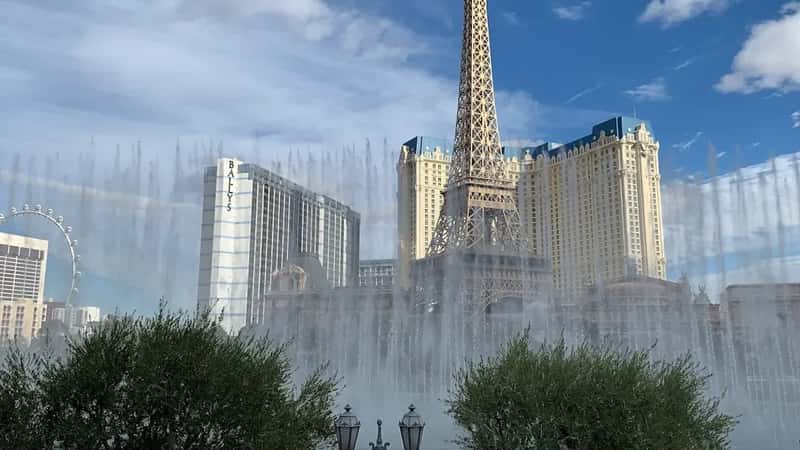
The image of Las Vegas as a reckless, water-guzzling city in the middle of the Mojave Desert is one of the most persistent environmental criticisms it faces. Fountains, swimming pools, lush golf courses – for decades, critics painted Las Vegas as an ecological villain. The reality, backed by hard data, tells a more complicated and genuinely impressive story.
The community used 38 billion gallons less water in 2024 than in 2002, despite a population increase of approximately 829,000 residents during that time – representing a 55 percent decline in per capita water use. Think of it like this: the city got dramatically bigger while somehow learning to drink less. That is extraordinary.
The Water Smart Landscape Rebate Program alone has removed more than 247 million square feet of grass, saving 203 billion gallons of water since 1999. Despite what the national media often suggests, Las Vegas is not running out of water – in fact, it is described as the most water-secure city in the Desert Southwest and a global leader in water conservation, recycling and reusing virtually every drop of water used indoors. That said, per-person water consumption did rise in 2024, with residents using an average of 95 gallons per day, a 13.6% increase from the prior year – so the work is far from over.
—
The Myth: The Rental Market Is Always a Great Deal

Renting in Las Vegas used to feel like a genuinely smart financial move, especially for people fleeing coastal markets. The city offered space, sunshine, and relatively modest rents. That edge still exists in comparison to places like New York or Miami, but the gap has narrowed considerably in recent years.
As of September 2025, the overall median rent in Las Vegas was $1,393, with one-bedroom apartments at $1,095 and two-bedrooms at $1,328. In July 2025, Las Vegas’ unemployment rate sat at 6.0%, slightly above both the Nevada and national averages. When you combine moderate wages with rising rents, the math gets tight for a lot of ordinary households.
The MIT Living Wage Calculator estimates that a single adult without children needs roughly $24.10 per hour to stay above the poverty threshold in Las Vegas – and many service-sector workers earn less than that. For context, the average rent for a two-bedroom apartment in Las Vegas is $1,828, while similar housing in Miami averages $3,362 – so relative savings still exist, but they are no longer automatic or dramatic.
—
The Myth: The City Has No Serious Cultural Identity
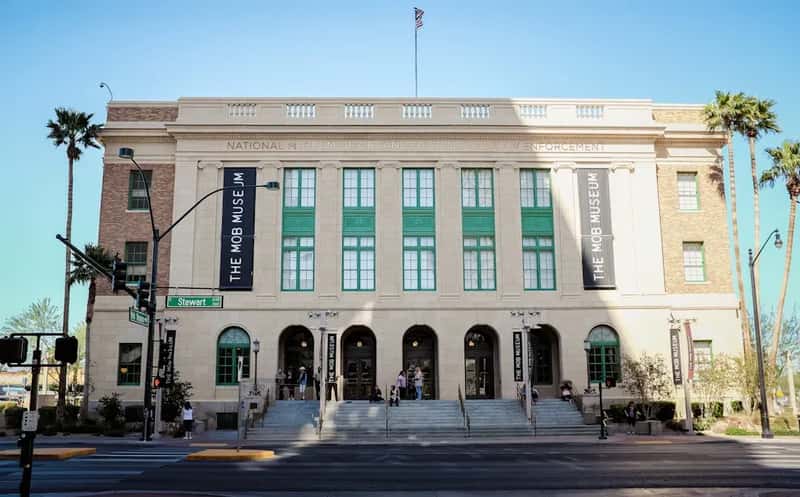
This one might sting a little. Las Vegas has long been dismissed as a city of pure artifice – a place of imitation Eiffel Towers and themed hotel lobbies, with no authentic cultural backbone. Visitors have often mistaken the Strip for the whole story. They’ve been wrong about that for longer than they realize.
Southern Nevada’s economy is set to benefit from a wave of innovation companies across the automotive, health innovation, and AI sectors, while Las Vegas’s cultural evolution is also accelerating, with a long-awaited art museum and massive development projects like twin towers on the North Strip reshaping the city skyline into not just a commercial hub but a cultural one.
Gentrification in historic neighborhoods like Downtown and the Arts District is reshaping the fabric of the city, bringing with it galleries, independent restaurants, and creative communities that have nothing to do with the casino corridor. Zappos has helped anchor the Downtown tech scene, attracting startups and venture capital to an area once known primarily for nightlife. It is a slow transformation, but it is genuinely happening.
—
The Myth: Las Vegas Is Just a Waystation – Nobody Actually Stays
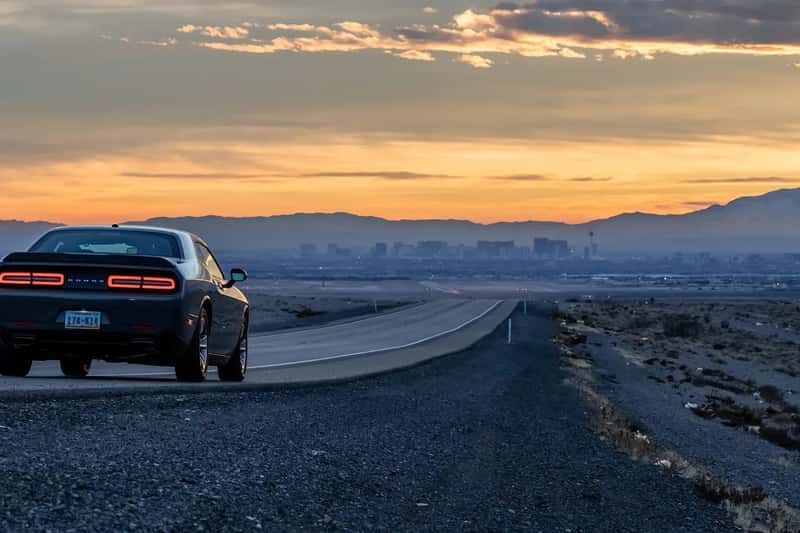
The old assumption was that people moved to Las Vegas temporarily: to work the casino floor, save some money, and eventually leave. It was a transient city, the thinking went, not a place where people planted roots for the long haul. That perception has been dismantled by the sheer weight of demographic momentum.
Las Vegas has a population of approximately 641,903 people, making it the largest city in Nevada and one of the fastest-growing cities in the United States. The Las Vegas metropolitan area has an estimated 2.4 million residents and is the 29th-largest metropolitan area in the country. These are not numbers that suggest a city of transient residents.
Las Vegas continues to attract new residents with its relatively affordable lifestyle, no state income tax, and dynamic mix of entertainment, outdoor recreation, and growing industries – all within driving distance of major national parks and weekend getaway spots. The zero state income tax is particularly compelling, especially for retirees or professionals moving from states like California where income tax takes a significant bite, and property taxes remain relatively modest compared to national averages. People are not just passing through anymore. They are choosing Las Vegas deliberately, building lives, and in many cases, staying for good.
—
Conclusion
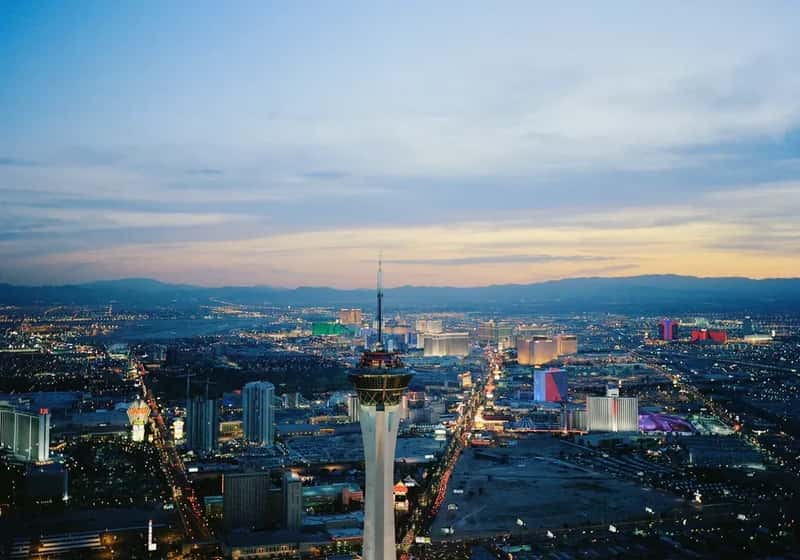
The Las Vegas of popular imagination – disposable, shallow, economically one-dimensional – is a city that is quickly becoming a relic of outdated thinking. The real Las Vegas of 2026 is a more complicated, more interesting, and in many ways more demanding place than the myths ever allowed for.
It has genuine affordability challenges that would surprise anyone who moved there expecting cheap everything. It has a tech sector, a sports culture, family neighborhoods, and a water conservation record that rivals cities far more celebrated for their environmental conscience. It is still loud, still bright, still built around entertainment. But it is no longer only that.
The beliefs people held about living in Las Vegas served a purpose once – they helped make sense of a city that seemed almost too strange to understand. Today, those beliefs mostly just get in the way of seeing what Las Vegas has actually become. What would you have guessed if someone asked you ten years ago where one of America’s fastest-growing permanent populations was taking root?