For years, Spirit Airlines was the airline travelers loved to complain about and still booked anyway, thanks to its rock-bottom base fares and bright yellow planes. That era is now over. Anyone searching for information on flying Spirit in 2026 needs a very different kind of guide, one focused not on baggage fees and seat upgrades, but on refunds, bankruptcy claims, and what actually happened to a carrier that had been a fixture of American budget travel for more than three decades.
This article lays out the full picture: how Spirit’s operations collapsed, what passengers with existing bookings should do right now, and whether there is any realistic chance the brand flies again. It is written for travelers who booked a Spirit flight before the shutdown, those still trying to recover money or points, and anyone curious about what the airline’s demise means for the future of ultra-low-cost flying in the United States.
Spirit Airlines Is No Longer Flying

The single most important thing anyone can know before “flying” Spirit is that, as of this writing, the airline is not flying at all. Spirit Airlines went out of business after 34 years, ceasing flights on May 2, 2026, after a fuel-price spike and a failed U.S. government rescue collapsed its second Chapter 11 plan, forcing a wind-down. Every scheduled flight was canceled, and the company has not resumed passenger service since.
The carrier ceased passenger operations after 33 years in business. If you are seeing a Spirit ticket for sale somewhere or a schedule listing, treat it with caution, because Spirit Airlines permanently ceased operations on May 2, 2026, canceling all flights and shutting down customer service. There is currently no working Spirit reservation system, airport check-in desk, or customer service line operating under normal airline conditions.
The Road to Collapse: Two Bankruptcies in Under a Year

Spirit’s shutdown did not happen overnight, even though the final cancellation felt sudden to passengers. The shutdown ended two Chapter 11 cases filed less than a year apart in the U.S. Bankruptcy Court for the Southern District of New York, the first filed November 18, 2024, and the second filed August 29, 2025. The first attempt at restructuring actually succeeded in the short term, since that case was a prepackaged restructuring that converted approximately 795 million dollars of debt to equity and closed in 114 days.
That recovery did not last. The second bankruptcy came just five months after emergence, after AerCap terminated aircraft leases and credit card processor Elavon drained liquidity. By early 2026, Spirit executives were still expressing cautious optimism, with the company saying in late February that it had reached a significant milestone in its restructuring and expected to emerge from Chapter 11 by late spring or early summer. That timeline never arrived, because a combination of industry economics and geopolitical shocks overtook the plan within weeks.
What Happened on the Day Operations Stopped

The final collapse came fast. Spirit announced it was ceasing operations early Saturday morning, May 2, 2026, following an impasse in talks with some creditors on a 500 million dollar government bailout plan. Just before the shutdown, United Airlines, Delta Air Lines, JetBlue Airways and Southwest Airlines moved to cap fares for stranded Spirit passengers, with prices expected to be about 200 dollars for a one-way ticket, according to U.S. Transportation Secretary Sean Duffy.
The proposed federal rescue fell apart at the last minute. An attorney for Spirit had told the bankruptcy court the airline was in very advanced discussions with the U.S. administration on a rescue package, but a key group of creditors rejected the plan, which would have given the government control of the overwhelming majority of Spirit’s shares. Industry observers pointed to structural problems beyond the failed bailout. A former airline pilot and Georgetown University business professor noted that as a low-cost carrier, Spirit relied on having a cost advantage it simply no longer had, leaving the company with few options left.
How to Get a Refund If You Had a Booking

If you had a Spirit ticket booked directly through the airline, there is a reasonably clear path to recovering your money. The airline says it has issued refunds for tickets bought directly from Spirit with a credit or debit card, but the money may still take time to appear, as Spirit’s credit card processor must complete the transaction. Reports from the weeks following the shutdown were encouraging on this front, since Reuters reported that Spirit said it had almost completed refunding customers after the shutdown, though some passengers were still waiting for funds to appear.
For anyone whose refund never materialized, the credit card dispute process remains the strongest backup option. Tickets purchased with a credit card may be protected under the Fair Credit Billing Act, and travelers can contact their credit card company to request a chargeback for services not rendered. Situations get more complicated for bookings made outside the airline’s own channels, because the situation is more complicated for travelers who booked through travel agents, paid with vouchers or credits, used Free Spirit points, or no longer have the original card used for purchase, leaving them with separate refund paths and limited rebooking options. Travelers in that position should also check whether their trip was covered by travel insurance, since some policies address airline insolvency directly.
The Fate of Free Spirit Miles and Loyalty Status
Anyone holding Free Spirit miles or elite status should not expect much value going forward. Free Spirit miles will likely lose all their value. This is a familiar outcome in airline liquidations, where loyalty programs are among the last things creditors care about protecting, and any leftover value tends to evaporate once the underlying airline stops flying.
There is a technical wrinkle worth understanding, though. Because Spirit is going through a formal bankruptcy wind-down rather than simply vanishing, the company began preparing auctions of key remaining assets in June 2026, including LaGuardia slots, its loyalty program, operating equipment, and corporate real estate as part of the liquidation process. That means the Free Spirit program itself, as a brand and database, could theoretically be sold to another company. For everyday travelers, however, that is a legal and financial detail with little practical benefit, since any surviving miles balance is unlikely to be honored the way it would be under a normal loyalty program.
Rescue Fares: How Other Airlines Stepped In
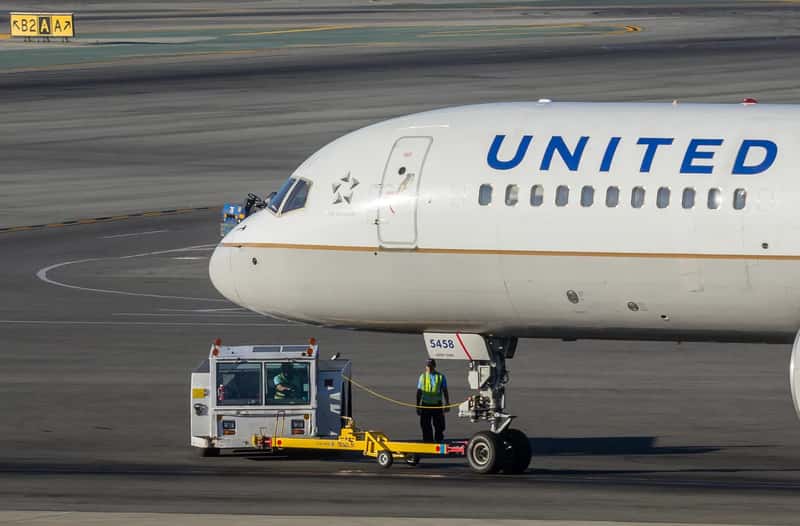
In the days immediately following the shutdown, competing carriers moved quickly to help displaced Spirit customers. United offered capped rescue fares to stranded Spirit passengers until May 16, 2026, with most tickets priced at 199 dollars and some longer routes at 299 dollars, bookable through a special fares page using a Spirit confirmation number and proof of purchase for travel between May 2 and May 16. Other airlines followed similar patterns for their own affected routes.
Support extended beyond passengers to Spirit’s workforce as well. Most major U.S. airlines offered travel pass benefits and open jump seats to Spirit pilots, flight attendants and other employees, along with priority access when applying for new jobs. That kind of industry cooperation is notable, since it reflects both goodwill and practical self-interest, as competitors absorbed experienced staff and captured displaced customers who needed to complete trips already underway.
A Possible Second Life: The Mooney International Bid
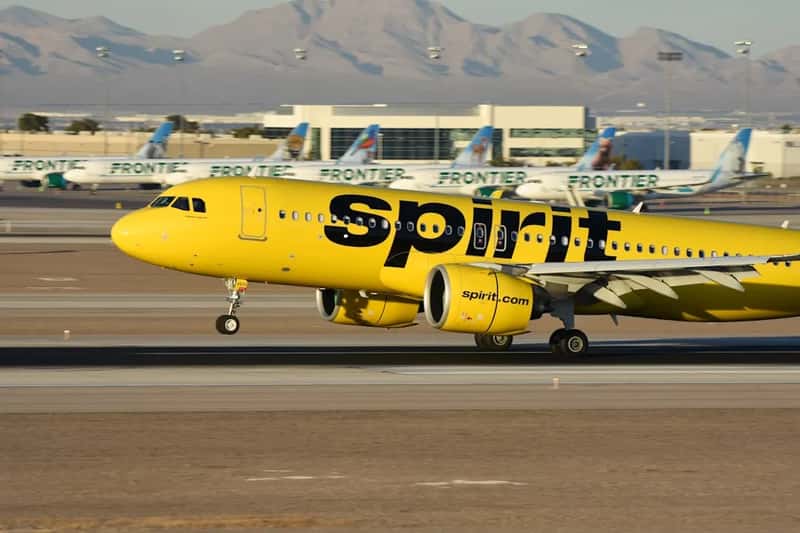
Just weeks after the shutdown, the story took an unexpected turn. Texas-based Mooney International announced on Sunday, June 14, that it had formally submitted a bid to acquire Spirit Airlines and related assets, offering a possible new path forward for a carrier many had already written off. The company framed its ambitions broadly, saying its proposal would combine operations involving Spirit Airlines, Mooney International, and SEAir under a shared focus on affordable and accessible air travel, with an objective not only to preserve the Spirit Airlines legacy but to create a new chapter focused on operational excellence, enhanced customer experience, expanded route connectivity, sustainable aviation initiatives, and long-term growth.
Skepticism is warranted, though, since key details remain unconfirmed. The announcement did not include a purchase price or reveal how the acquisition would be financed, and it remains unclear whether competing bids exist or what regulatory hurdles would stand in the way of a deal, though the filing instantly changed the conversation around Spirit. One report placed a specific figure on the offer, noting that Mooney International, a Texas-branded company with no U.S. airline operating history, submitted a 3.2 billion dollar stalking-horse bid for bankrupt Spirit Airlines, structured across eleven asset lots. Passengers should treat any relaunch as speculative until a bankruptcy judge approves a sale and a firm operating date is announced.
Filing a Bankruptcy Claim for Unresolved Issues
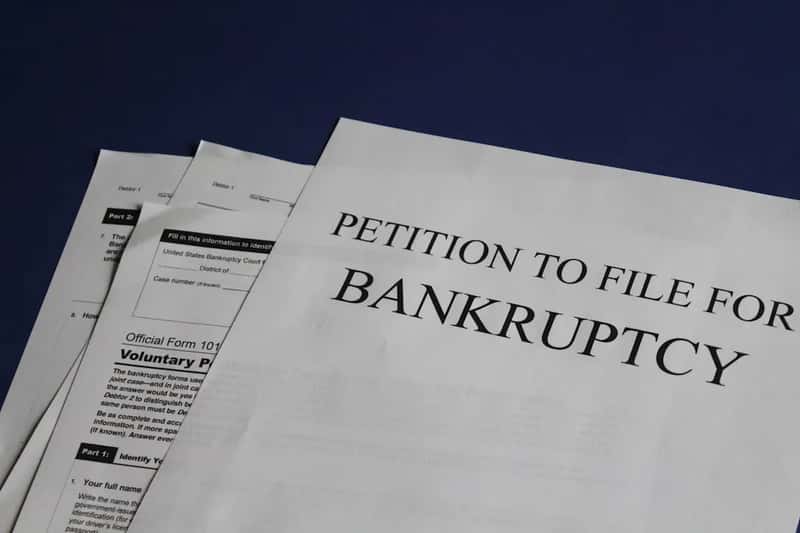
For travelers whose losses go beyond a simple ticket refund, such as unreimbursed hotel stays, replacement flights, or lost baggage, the remaining option runs through the bankruptcy court itself. Passengers can file a proof of claim with the bankruptcy court, though this process can take an extended period of time and travelers may only receive a partial refund. This is standard in airline liquidations, where unsecured creditors, including ordinary customers, are typically paid only a fraction of what they are owed, if anything, once secured creditors and administrative costs are settled first.
Spirit has also directed inquiries to a third-party claims agent handling the wind-down. Spirit’s claims agent, Epiq, is now handling customer inquiries in place of Spirit’s customer service team, and while it is unclear exactly what they can help with, it is worth contacting them if a refund has not come through or baggage is stuck in limbo. Keeping thorough documentation matters a great deal here, since recommended records include original booking confirmations, receipts for ticket purchases and ancillary fees, emails or app messages showing cancellation notices, and any communication with Spirit or third-party agents, which consumer groups have stressed can be vital if refund disputes arise later in bankruptcy court or with card issuers.
What It Means for Budget Travelers Going Forward
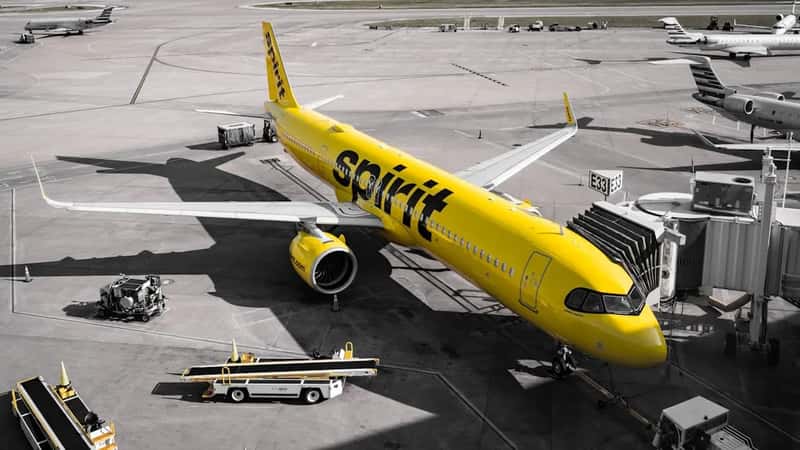
Spirit’s collapse marks one of the largest disruptions to America’s low-cost flying market in recent memory. Its more than three-decade run ended over the weekend of May 2, but the company then spent the following weeks starting the monthslong process of dismantling itself after what was described as the biggest U.S. airline collapse in a generation. The financial scale of that wind-down is substantial too, with a cumulative wind-down budget of around 217 million dollars filed with the court, stretching out to February 2028.
For travelers who built their vacation habits around ultra-cheap base fares, the practical effect is fewer options and likely higher prices on routes Spirit once dominated. Whether the brand returns under Mooney International or another buyer remains genuinely uncertain, and anyone booking future travel should wait for confirmed, operational flight schedules rather than acting on speculative news. Until then, the safest approach for former Spirit customers is straightforward: secure any outstanding refund through official channels, keep every receipt, and treat news of a relaunch as a developing story rather than a booking opportunity.