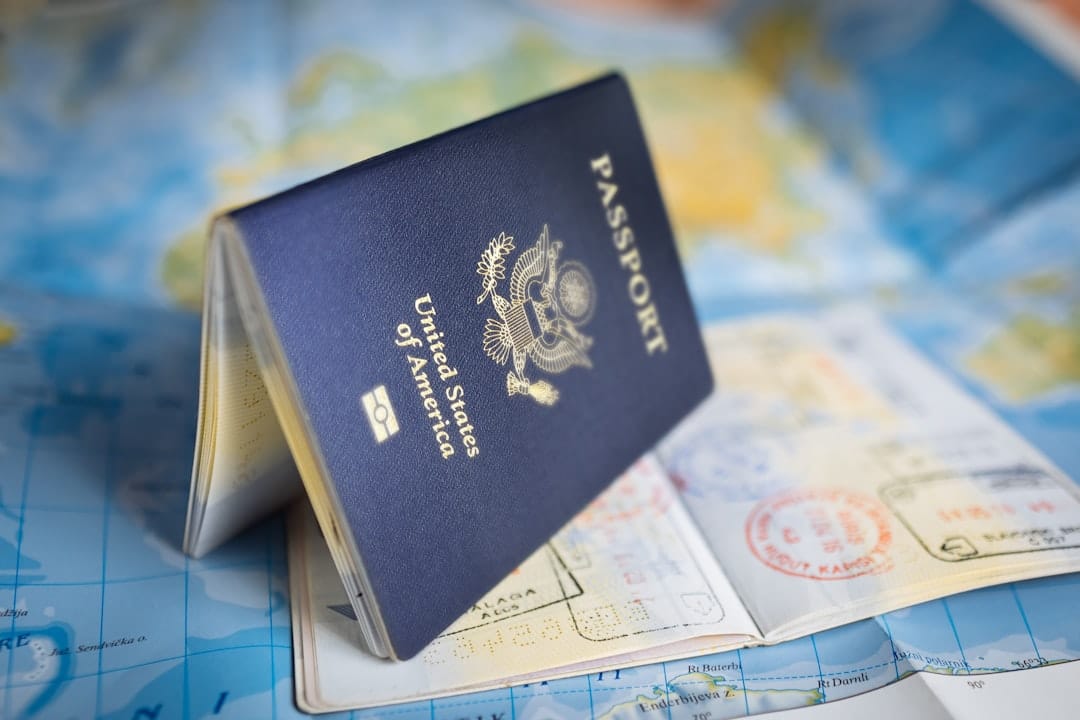
Most travelers picture the worst moments of a trip as missed flights or bad weather. A missing passport rarely makes the list until it happens, usually in a crowded station or a hotel room where the bag was sitting a minute ago. The good news is that governments have built fairly clear systems for this exact problem.
The details differ by country, and fees and rules have shifted in the past couple of years. What follows draws on official guidance from the United States, the United Kingdom, and Canada, so you’ll know what to do and in what order.
Take a Breath and Retrace Your Steps
Before you declare the passport gone, spend a few minutes checking the obvious places. Look through your bags, jacket pockets, the hotel safe, and any rental car or taxi you used. Call the last restaurant, tour operator, or front desk you visited.
It’s worth doing quickly rather than obsessively. If nothing turns up within a short time, treat the passport as lost and move on to reporting it. Waiting too long gives a thief more time to misuse it.
File a Police Report Where You Are
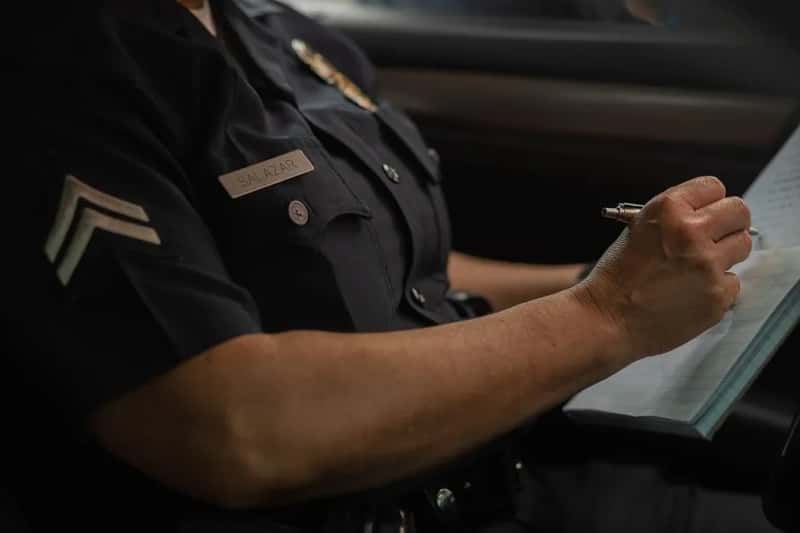
If you think the passport was stolen, go to the local police and ask for a written report. The U.S. State Department says police reports are not mandatory but can help confirm the circumstances of the loss or theft.[1] Some embassies do ask for one, so getting it early saves a return trip.
Keep the report number safe. British guidance notes that a crime reference number from the police is essential for a successful travel insurance claim.[2] Even if you don’t plan to claim, the paperwork helps your case if anyone questions how the passport went missing.
Cancel the Passport Right Away
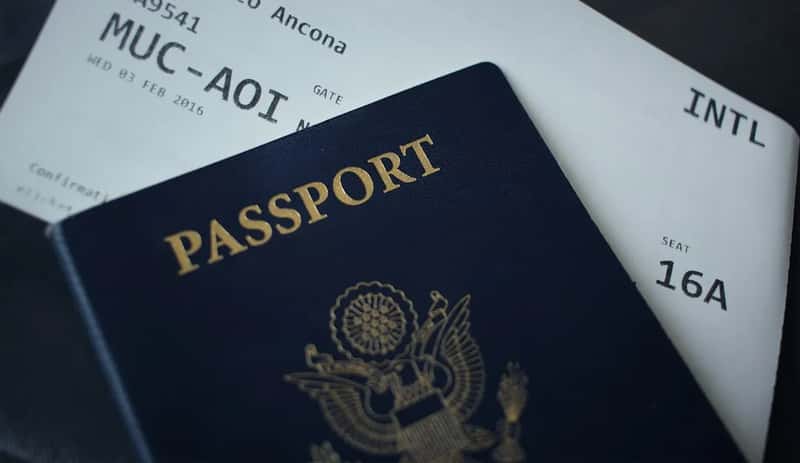
Cancelling protects you from identity fraud. American travelers can use the State Department’s online form to report a passport lost or stolen, and it will be cancelled within one business day, with a confirmation email sent.[3] Once that happens, the passport is no longer valid for travel even if you find it later.[3]
British citizens can report a loss on GOV.UK. If you go on to apply for an emergency travel document, you don’t need to cancel separately, because the passport is cancelled as part of that application.[4] Canadians can call the passport protection line at 1-800-242-2100 as soon as possible.[5]
Contact Your Embassy or Consulate

You can’t get a replacement passport from the country you’re visiting. You have to go through your own government’s representatives. For Americans, that means appearing in person at a U.S. embassy or consulate to apply for a new passport.[6]
Not every office offers the same services. Canada notes that emergency passport services are not available at every Canadian office abroad,[7] and consular staff will explain where to apply. Call or check the website first, since some offices need an appointment.
Understand Which Replacement Document You’ll Receive
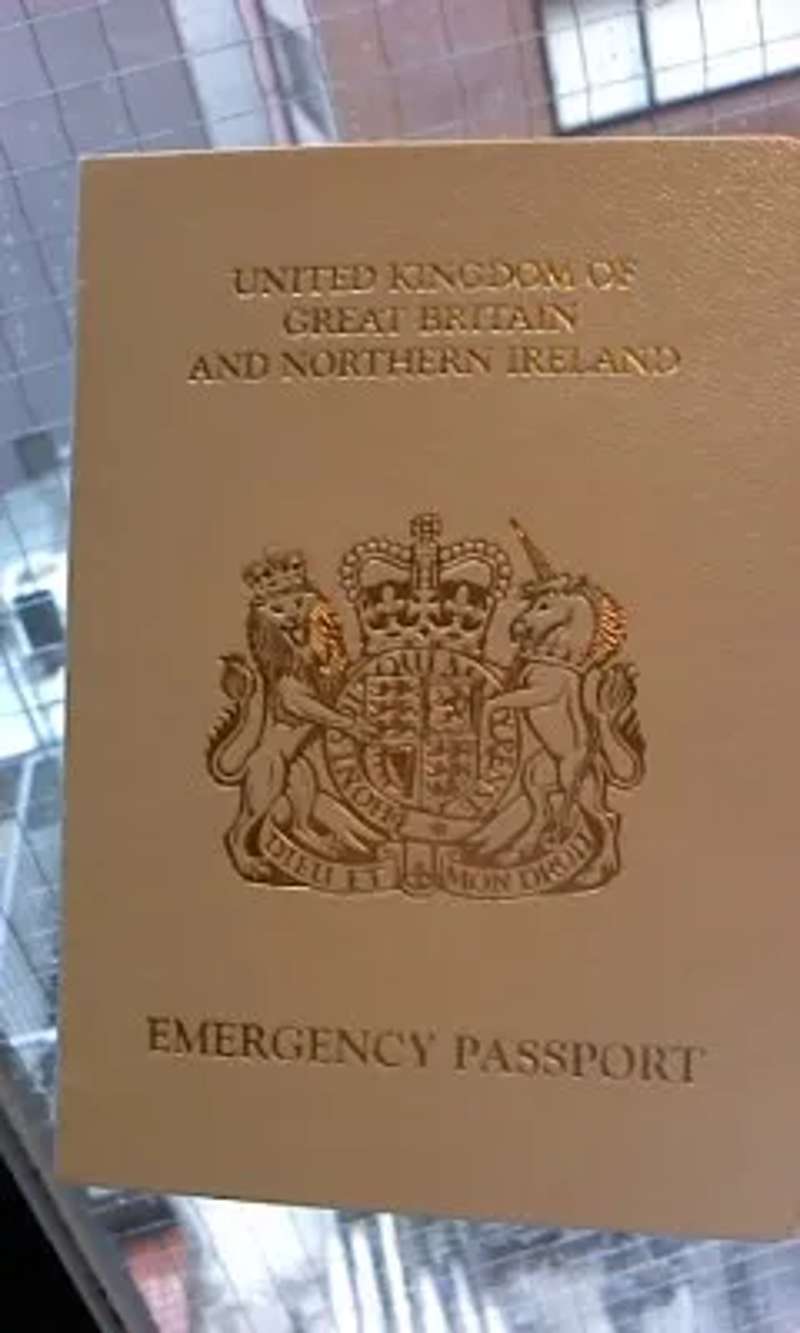
What you get depends on your nationality and how fast you need to travel. The U.S. offers a limited validity emergency passport for urgent travel, valid for up to one year,[6] and you can exchange it for a full validity passport after your trip.[6]
The UK approach is more restricted. A British emergency travel document is usually valid for one single or return journey, with a maximum of five countries along the way.[8] Canada’s temporary passports and emergency travel documents follow a similar logic. They don’t replace your regular passport,[9] and they cover only urgent, proven travel.
Gather What You’ll Need for the Application
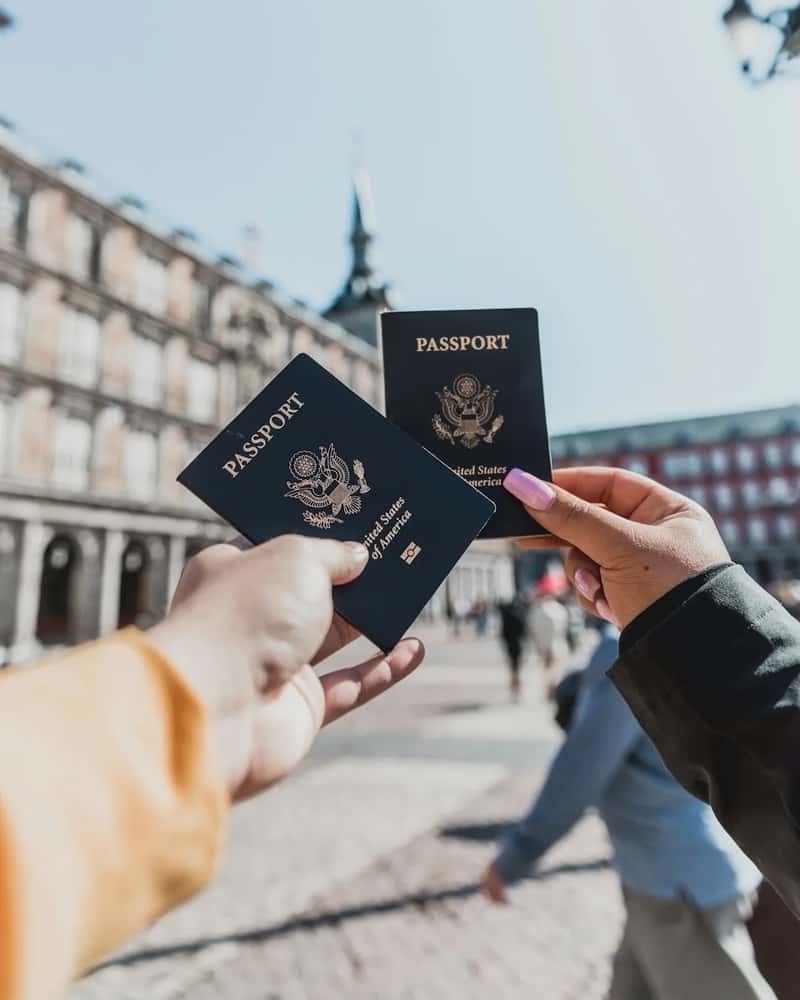
Bring as much identification as you can. For a U.S. replacement, expect to need proof of citizenship, photo ID, a compliant photo, and proof of travel for expedited processing.[10] If you’re missing proof of citizenship, you may ask for a free file search.[6]
British applicants need a valid digital passport photo that hasn’t been used in a previous passport application.[11] Travel plans matter too, and the countries and dates you enter are printed on the document.[12] A photocopy or phone photo of your old passport can speed things up. GOV.UK says it can help you answer questions about the lost document.[4]
Costs and Timing in 2026
Fees have risen recently, so old blog posts may be out of date. The UK emergency travel document fee went from £100 to £125 in April 2025,[13] and it’s usually ready to collect two working days after you apply.[11] Canada increased most passport and travel document fees as of March 31, 2026,[9] and a lost or stolen passport carries an extra $45 replacement fee.[14]
Weekends can slow things down. Most U.S. embassies and consulates can’t issue passports on weekends or holidays, though after hours duty officers handle life or death emergencies.[6] A Friday afternoon loss may therefore mean waiting until Monday.
Guard Against Identity Theft and Money Problems
A stolen passport often travels with other belongings, so check your wallet and phone too. Canada’s guidance says to cancel lost or stolen cards immediately.[7] Call your bank from a number you’ve saved separately from your wallet.
Reporting the loss also helps authorities track misuse. One UK source says HM Passport Office shares this data with Interpol and the National Crime Agency within 24 hours.[2] If you’ve lost your wallet as well, a relative or friend can pay for a UK emergency travel document on your behalf.[11]
Prepare Before the Next Trip
A little planning makes this ordeal much easier. The U.S. State Department recommends making two photocopies of your passport before you travel.[16] Canada suggests you store copies securely, leave some with someone you trust at home, and record your passport number separately from the passport itself.[7]
Carrying habits count too. Keep some money and cards in a second wallet or money belt, since thieves often work in teams and use distractions.[7] Know where your nearest embassy or consulate is before you need it.
Keep This Order in Mind
Search briefly, then report the loss to local police if theft is likely. Cancel the passport, and contact your embassy or consulate to apply for a replacement or emergency document.
Bring your identification, photos, and travel details, and confirm the visa and airline rules for your route before you book anything. Then cancel your cards and keep copies of your paperwork for any insurance claim.