

Ask a new tour guide who they dread seeing on the roster, and they’ll usually name the over-60 group first. Slower pace, more questions, more fuss about the bus air conditioning – or so the assumption goes. But talk to guides who’ve spent decades leading people through Rome, the Grand Canyon, or the Scottish Highlands, and the story flips completely.
The travelers guides secretly hope to see on the manifest, the ones who tip well, ask the sharpest questions, and outwalk half the group by lunch, are usually the ones with gray hair. There’s a pattern here that guides rarely say out loud to the travelers’ faces, and it has almost nothing to do with age itself.
1. They Tip Like the Trip Already Exceeded Expectations
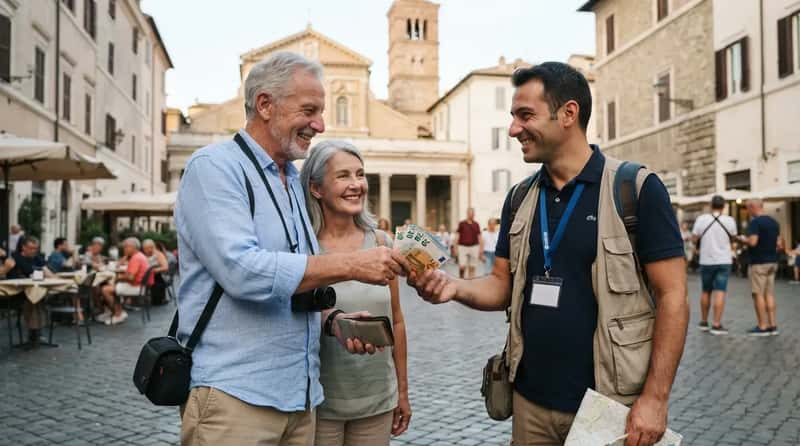
Guides notice fast who’s counting pennies and who isn’t, and older travelers consistently land on the generous side. Boomers spent roughly $6,450 per trip in 2024, up from $4,500 in 2023. That jump shows up in how they treat the people serving them, not just the hotels they book.
It’s not blind spending, either. Despite their wealth, 79% of Baby Boomers still look for the best deals and value for money. Guides describe a specific pattern: negotiate hard on the package price, then tip like the day already blew past expectations. That combination – frugal upfront, generous in the moment – is the opposite of what younger travelers usually do.
2. They Almost Never Fight the Bill
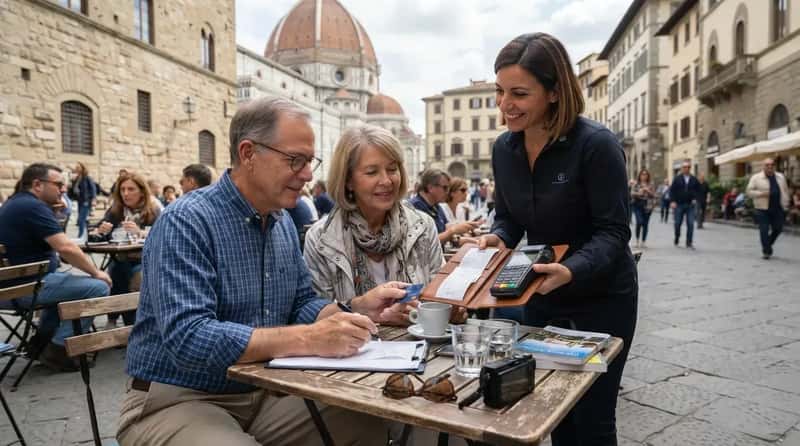
Ask any tour operator which age group pushes back hardest on cost, and it isn’t the ones over 60. Twenty-three percent of baby boomers spend more than $6,000 per trip, compared to 17% of millennials and 16% of Gen X. Guides notice these travelers ask about itinerary quality far more than the price tag.
Quick Compare
- Baby Boomers spending $6,000+ per trip: 23%
- Millennials spending $6,000+ per trip: 17%
- Gen X spending $6,000+ per trip: 16%
Part of this comes down to math most people never think about. Bureau of Labor Statistics figures show total annual spending for Americans aged 65-74 averages $64,461 – a 36% drop from the peak spending of 45-54-year-olds – with lower housing and education costs freeing up cash for travel. They’re not richer on paper. They just have fewer bills eating into the budget, and guides who understand that stop assuming a fixed income means a tight wallet.
3. They Outlast the 30-Somethings on the Trail
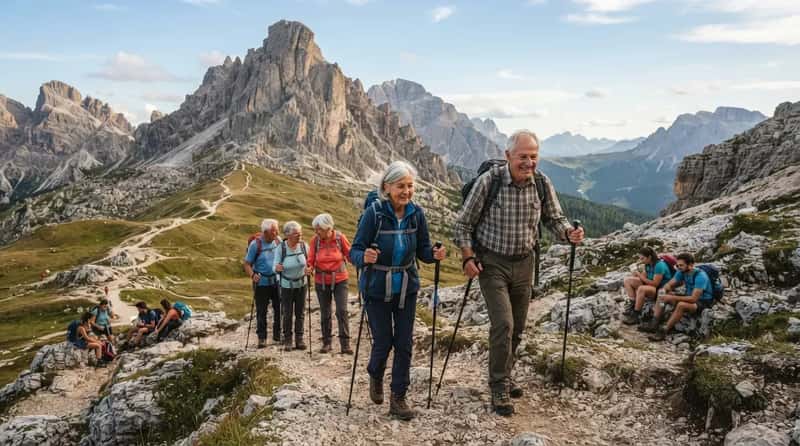
This is the one that catches new guides off guard: the 70-year-olds are often the last ones still walking. It’s a running joke in senior travel circles that the group’s oldest members are never the ones slowing things down – and guides who’ve led enough tours will tell you it’s not a joke at all.
The secret isn’t stamina, it’s pacing. Older travelers know their limits and manage energy across a full day, while younger travelers sprint the first stop and crash by the third. The travelers everyone assumes will need the most help are frequently the ones asking to add an extra site to the schedule. It’s a humbling reset for anyone who signed up expecting to babysit a slow-moving group.
4. They’re Often Paying for a Trip Their Adult Kids Didn’t Ask For
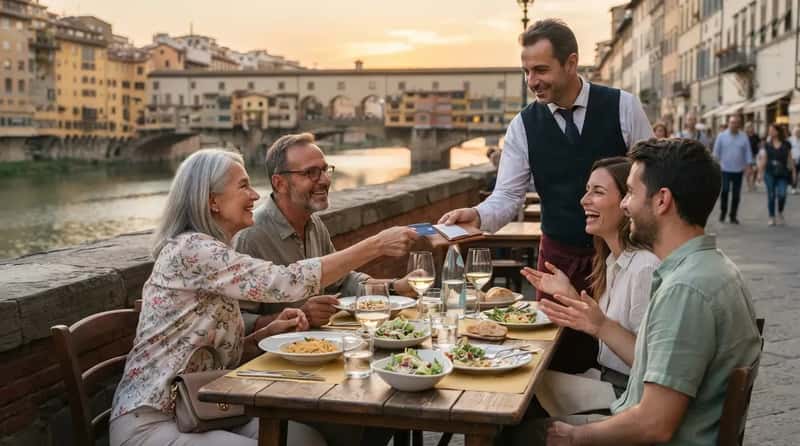
One thing guides notice on multigenerational tours: it’s almost never the 30-something splitting the bill. Forty-four percent of parents surveyed said they paid for the entire trip, even when their kids were grown adults with their own income.
Guides read this as something bigger than generosity. Baby boomers see travel as key to connecting with loved ones, and cost takes a back seat to spending real time together. The trip isn’t the point – the seat next to their adult child is. It’s a detail that changes how guides talk to these groups; the itinerary matters less than making sure everyone’s actually together for it.
5. They Skip the Selfie and Ask the Real Question Instead
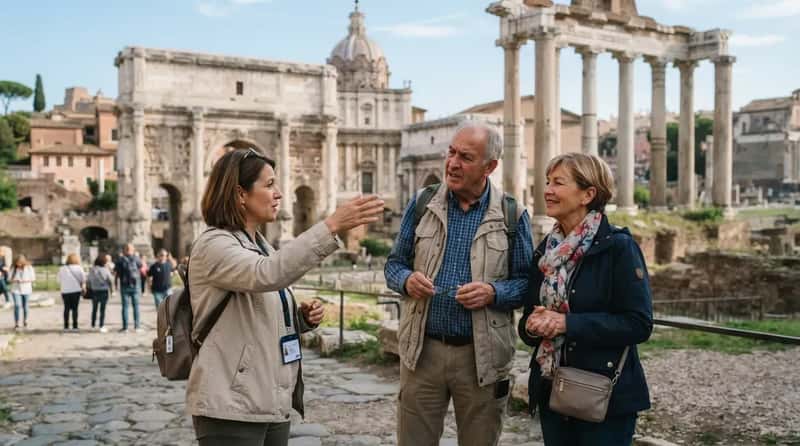
Guides notice the phone habits split almost perfectly by age. Younger travelers photograph everything before actually looking at it; older travelers tend to ask three follow-up questions instead of reaching for their phone at all.
The data backs up what guides sense on the ground. Just 10% of baby boomers say social media influences their vacation planning, compared to the overwhelming majority of younger travelers. Even so, smartphones are essential for 55% of Baby Boomers while traveling – they’re not avoiding technology, they’re just not performing for it. The guide’s stories, not the Instagram caption, are the actual souvenir for this crowd.
6. They Already Know More History Than the Guide Expects
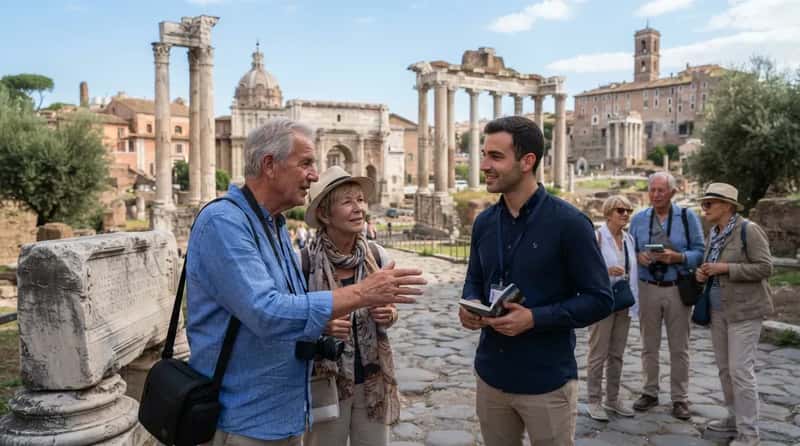
Nothing keeps a tour guide sharper than a group that’s done its homework, and older travelers frequently have. Many spent decades reading about a place before they ever had the time or money to actually stand in front of it.
Worth Knowing
- Road Scholar’s average guest age is 72
- Participants range from their 50s into their 90s
- These trips are built around context and depth, not just sightseeing
This shows up clearly in who signs up for education-first travel. Guides say these travelers don’t want a highlight reel – they want context, dates, and the messy details textbooks leave out. More than once, a guide has been gently corrected on a fact by someone who read about the site fifty years ago and never forgot it.
7. They Quietly Avoid the Destinations Everyone’s Hyping

While travel media pushes flashy new destinations, guides notice older travelers aren’t biting. The lowest relative positive impression scores among Boomers cluster around parts of Asia, with South Korea, China, the Maldives, Malaysia, and Thailand all landing among the weakest performers – meaning Boomers are notably less likely than younger generations to hold a favorable view of those places.
It’s not that these destinations can’t win them over – it’s that nobody’s tried the right pitch yet. Closing that gap likely takes messaging built around ease, safety, and comfort rather than novelty. Meanwhile, the familiar names still dominate: Hawaii posts the highest score at 52%, followed closely by Canada at 50%, with Ireland, Florida, and Italy close behind.
8. They Book the Trips That Make a Guide’s Job Both Easier and Harder
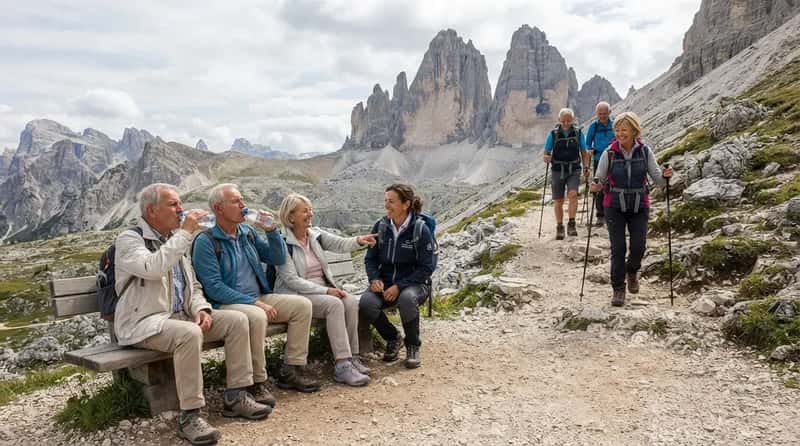
Guides notice a real split in what older travelers actually want out of a day. Some show up wanting minimal walking and maximum comfort; others show up ready to out-hike the entire group.
At a Glance
- City breaks: 24% of Boomers vs. 35% of non-Boomers
- Theme park trips: 18% of Boomers vs. 28% of non-Boomers
- Activity-led trips: just 15% of Boomers
The industry has built entire product lines around this contradiction. Trips requiring extensive planning or heavy physical exertion under-index among Boomers, yet the same generation happily signs up for a genuinely tough hike when the destination is worth it. Guides have learned never to assume “senior tour” means “easy tour.”
9. They Come Back for the Guide, Not the Country
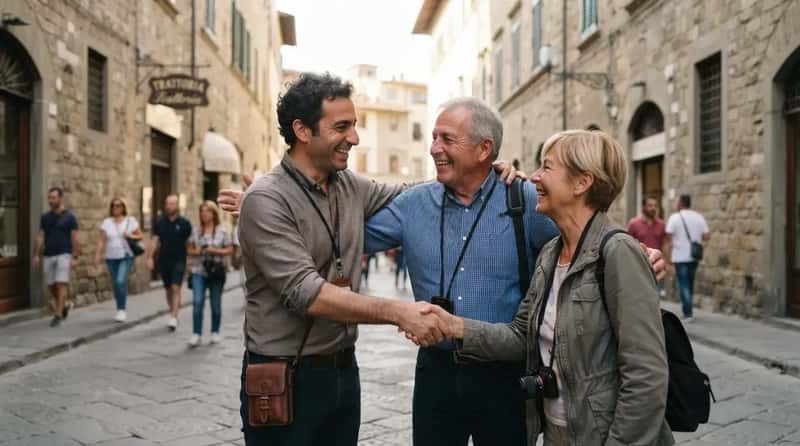
Ask a guide which age group actually remembers their name a year later, and it’s not close. Older travelers are far more likely to request the same guide by name on a repeat trip, sometimes rebooking an entire itinerary just because one person led it well the first time.
This loyalty runs deeper than nostalgia. Travel isn’t just about places, it’s about people – and older travelers often talk about the firsthand stories they hear from locals as the part that made a destination unforgettable. For this age group, the human connection is the actual product being purchased; the destination is almost secondary. Guides who understand this stop worrying about hitting every stop on the checklist and start worrying about the conversation happening in between.
10. They Carry One Fear They Never Say Out Loud
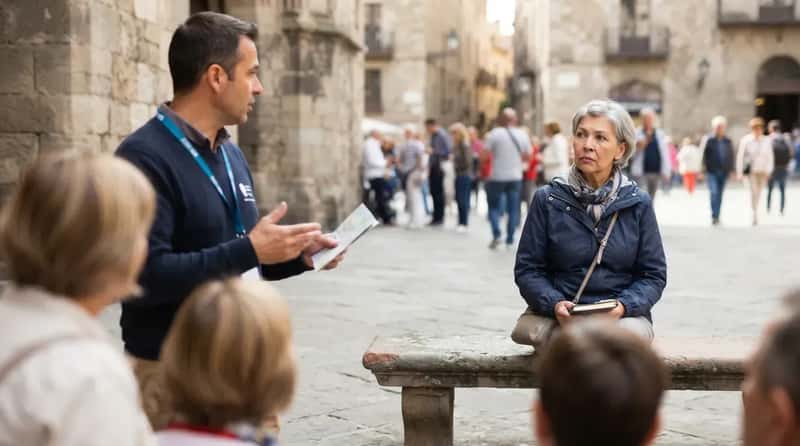
Underneath the confidence, guides notice a quiet undercurrent of worry among older travelers – not about missing a sight, but about something going wrong with their health far from home. It rarely gets said directly, but it shapes almost every decision they make on the road.
Fast Facts
- Travel insurance typically covers trip cancellations, medical expenses, lost luggage, and emergency incidents
- Medical issues are statistically more likely among older travelers
- The most detail-oriented questions about hospitals often come from the best-prepared travelers, not the frailest
Guides say the travelers who ask the most detailed questions about the nearest hospital are almost never the frail ones – they’re the most prepared ones. It’s less fear, more quiet contingency planning that younger travelers rarely bother with.
11. They’re Not Traveling to See the World – They’re Traveling to Feel Less Alone
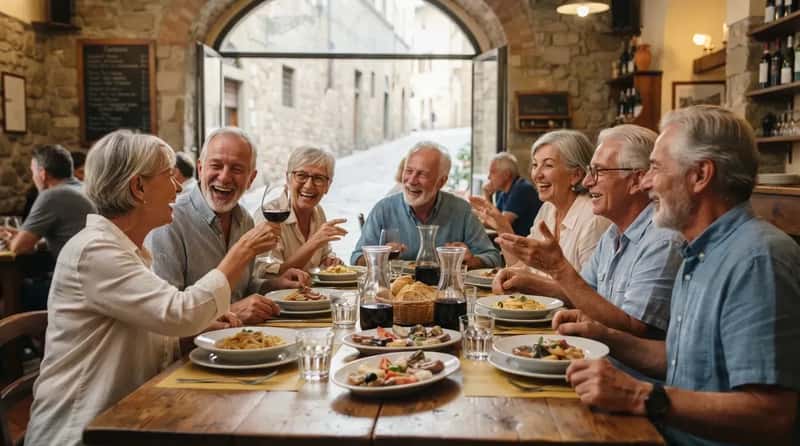
This is the observation guides mention last, almost like they’re saving it. Underneath the itineraries and photo stops, a huge number of older travelers are on the road for one simple reason: connection.
Baby boomers who aren’t vacationing with family still seek community when they travel, leaning into experiences that put them face-to-face with other people. For those working through loneliness or isolation at home, that connection often matters more than the destination itself. The numbers back it up: 95% believe travel is good for their mental health, and 85% agree it’s good for their physical health. The itinerary is just the excuse. The people at the table are the whole point.
Travel is the only thing you buy that makes you richer.
Anonymous, popular travel saying
Guides who’ve spent years leading tours will tell you the same thing eventually sinks in: the travelers everyone underestimates turn out to be the sharpest, steadiest, and most generous people on the bus. Maybe it’s time the rest of us started paying attention to what they already know.