Mexico remains one of the most visited countries on earth, and 2026 is shaping up to be an especially busy year thanks to a major sporting event, shifting entry procedures, and a patchwork of safety conditions that vary wildly from one state to the next. Whether you’re planning a beach week in the Riviera Maya, a food-focused trip to Mexico City, or you’re heading south for a World Cup match, the rules of the road have changed in small but meaningful ways. Here’s a practical, no-nonsense rundown of what actually matters before you pack your bags.
Entry Requirements Are Changing: What You Need for the FMM Tourist Permit

Most visitors from the United States, Canada, and the European Union still do not need a traditional visa to enter Mexico for tourism. Most international visitors heading to Mexico, including citizens from the United States, Canada and countries in the European Union, do not need a traditional visa for tourist travel, and instead receive a Forma Migratoria Múltiple tourist permit upon arrival that authorises them to stay in Mexico for tourism purposes. That permit, commonly called the FMM, is the document immigration actually cares about, not a visa stamp.
What’s new for 2026 is how long that permit lasts. In 2026 Mexico modified how visitor permits are issued at ports of entry, and instead of automatically granting the maximum 180-day stay, immigration officials now generally determine the length of the permit based on each traveller’s stated plans and supporting documentation, meaning you may be granted fewer days than the traditional maximum. For a standard one or two week vacation this shouldn’t cause any trouble, but if you intend to stay for extended periods or use back-to-back tourist permits, you should be prepared with proof of your itinerary, accommodation bookings, and a return or onward ticket at immigration.
Passport Rules and Visa-Free Access by Nationality
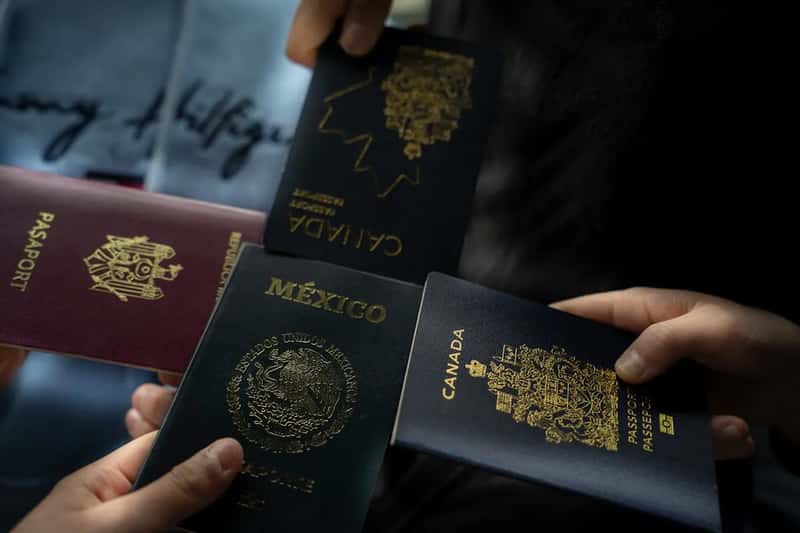
Passport requirements are stricter than many travelers expect. For all visitors, the passport must be valid for at least 6 months after the intended date of entry. If you’re flying rather than driving across a land border, the rules tighten further, since passport cards can generally be used for land or sea crossings into Mexico, but they cannot be used for international flights, so anyone flying into Mexico must have a valid passport book.
Whether you need an actual visa depends entirely on your nationality. Currently, only 69 countries enjoy visa-exempt status for Mexico. American travelers are among the fortunate ones: travelers holding American passports are welcomed to Mexico without the need for a tourist visa in 2026 and can enjoy up to 180 days of visa-free stay. Overstaying isn’t a minor inconvenience either. Fines run approximately 44 USD per day of overstay, paid at the airport or border when you exit, and short overstays of one to three days are common for travelers who simply miscounted.
Mexico’s State-by-State Safety Advisory Explained
Unlike most countries, the United States doesn’t give Mexico a single, simple safety rating. Mexico is the only country where the U.S. State Department publishes a separate advisory level for each of its 32 federal entities, using a 1–4 scale where every individual state gets its own level. That granularity matters more than the national headline number, since conditions can shift dramatically within just a few miles.
As of mid-2026, six states sit at the most serious tier. Six states remain under a Level 4 “Do Not Travel” advisory: Colima, Guerrero, Michoacán, Sinaloa, Tamaulipas and Zacatecas. Several additional states, including Baja California, Chihuahua, Guanajuato and Jalisco, are classified as Level 3, meaning Americans should reconsider travel. On the safer end, Yucatán and Campeche are the only states at Level 1, while their immediate neighbour Tabasco is Level 2.
Popular Tourist Zones: What the Advisory Actually Means for You
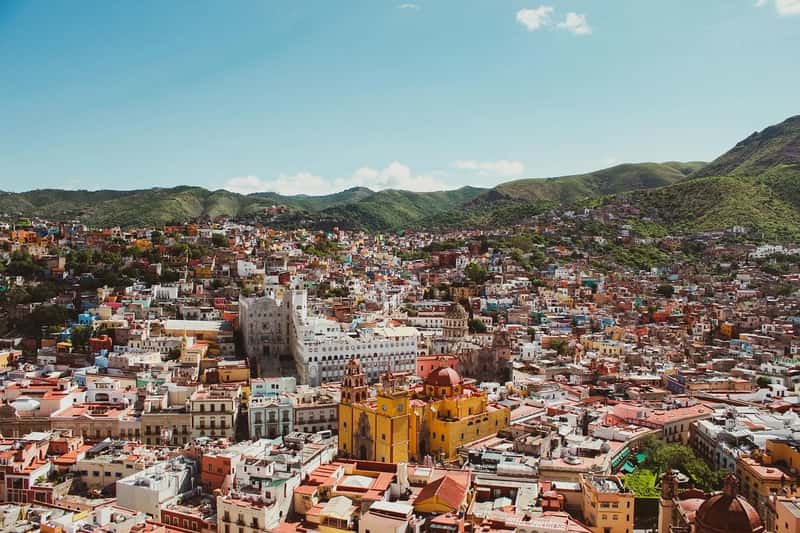
If your itinerary revolves around Mexico City, Cancún, or Tulum, the picture is more reassuring than headlines might suggest. Central Mexico City is generally considered safe for daytime tourism, sitting at Level 2, with pickpocketing on the metro and street-taxi scams the most commonly cited issues; sticking to neighborhoods like Roma, Condesa, Polanco, Coyoacán, Centro Histórico, and San Ángel, using Uber or Didi rather than street taxis, and avoiding peripheral areas after dark are the standard precautions. Quintana Roo, home to Cancún and Tulum, also falls under a Level 2 designation rather than anything more severe.
Context helps too. Officials in Mexico and abroad have repeatedly stressed that a cautious advisory doesn’t equal a blanket warning against visiting. The U.S. State Department maintains a Level 2 “Exercise Increased Caution” advisory for much of Mexico, including the state of Quintana Roo, where Cancún, Playa del Carmen, and Tulum are located. Canadian and British authorities strike a similar tone, recommending strong travel insurance and awareness of entry requirements and local laws rather than telling travelers to cancel plans outright.
The FIFA World Cup 2026 Effect on Travel to Mexico
This summer’s tournament has put an unusual spotlight on Mexico’s travel advisory, since millions of fans are converging on the country at once. The State Department’s late-May update came less than two weeks before the 2026 FIFA World Cup kicked off in Mexico City, with Mexico hosting 13 matches across three cities between June 11 and July 5. Mexico City, which hosts five matches, and the state of Nuevo León, where Monterrey hosts four matches, are both listed at Level 2, while Jalisco carries a Level 3 designation, with officials encouraging fans to reconsider travel to Guadalajara.
Officials are urging fans to plan ahead rather than wing it. The State Department advises travelers to avoid traveling between cities after dark, use dispatched taxis or app-based ride services, avoid traveling alone in remote areas, and comply with security checkpoints. It’s also worth remembering that it is illegal to resell tickets in Mexico, and the U.S. Embassy and Consulates do not sell FIFA World Cup 2026 tickets, so buy only through official channels. Enrolling in the State Department’s Smart Traveler Enrollment Program is a smart move too, since it allows the U.S. Embassy to provide security updates and contact travelers during emergencies.
Money Matters: Pesos, Exchange Rates, and Avoiding Bad Deals
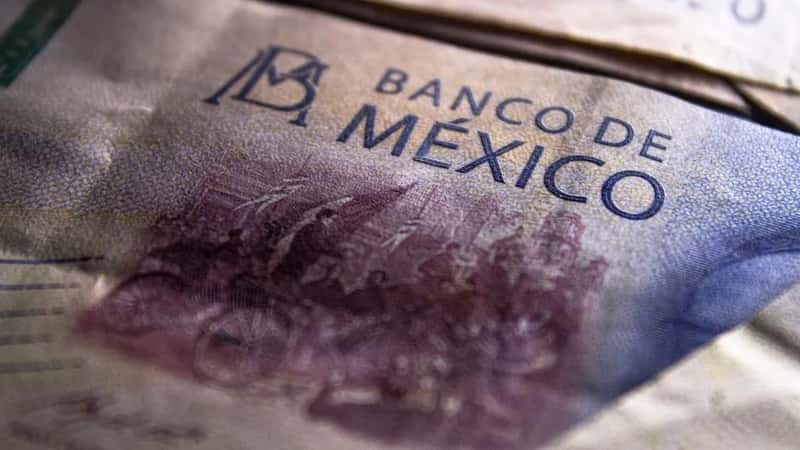
Mexico’s currency is the peso, and the exchange rate has hovered in a fairly predictable band this year. The 2026 exchange rate has run approximately 17 to 20 pesos per US dollar, with 17 to 19 pesos per dollar being the typical recent range. A quick trick worth remembering is that at roughly 18 pesos per dollar, 100 pesos works out to about 5.50 dollars, so dividing any peso price by 18 gives a rough dollar equivalent.
Where you get your cash matters more than most travelers assume. Withdrawing pesos directly from Mexican bank ATMs using a debit or credit card gets you a wholesale exchange rate typically just 1 to 3 percent off the mid-market rate, better than any currency exchange bureau. Airport kiosks are the opposite story, since airport exchange kiosks offer the worst rates, with margins of 8 to 15 percent below the mid-market rate common at Cancún and Mexico City airports. It’s also worth declining any offer to pay in your home currency at a card terminal, since accepting dynamic currency conversion, often disguised as a “guaranteed conversion rate” prompt, is a trap that catches even experienced travelers, and paying in pesos is always the better choice.
The Quintana Roo Visitor Tax You Can’t Skip
If your trip includes Cancún, Playa del Carmen, Tulum, Cozumel, or anywhere else in Quintana Roo, there’s a mandatory local fee to budget for. The state government confirmed that the Visitax, the tourist tax introduced in 2021, will not increase in 2026, meaning visitors will continue paying the current rate of 285 pesos. It applies exclusively to foreign tourists, with Mexican citizens and local residents being exempt from paying this fee.
The payment process is entirely digital now, and cutting it close can cause headaches at the airport. Money from the tax is earmarked for practical purposes: the tax proceeds are directed toward important initiatives such as beach maintenance, sargassum removal, and tourism infrastructure. The smartest approach is to handle it well before your flight home, since paying online in advance means you simply scan a QR code at the departure checkpoint instead of scrambling to pay with spotty airport Wi-Fi minutes before boarding.
Health Precautions and Vaccinations Before You Go
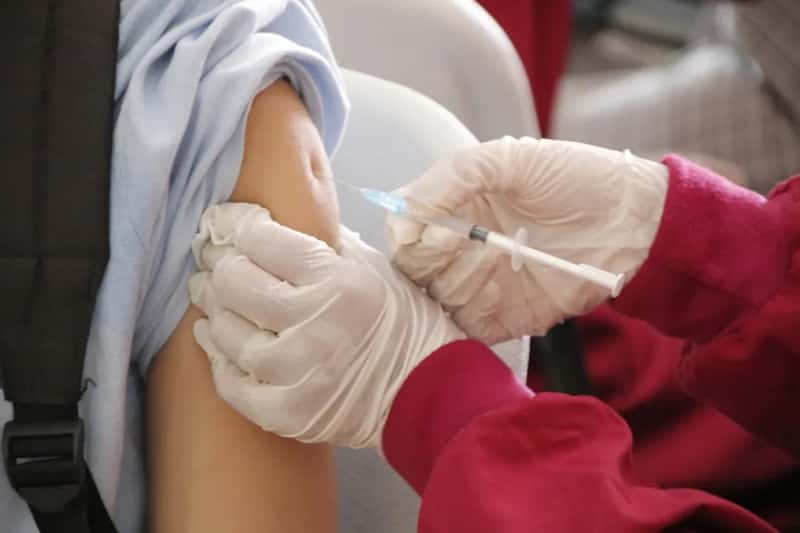
Health prep is straightforward but shouldn’t be skipped, especially if your trip involves rural areas or extended stays. Visiting your doctor at least one month before traveling to Mexico to update your vaccinations is recommended. For US citizens specifically, the CDC highly recommends being immunized against several diseases before traveling, and notes that malaria is present in certain areas of Mexico, so nationals visiting those regions are advised to bring anti-malaria medication.
Travel insurance is worth treating as essential rather than optional, particularly given how spread out the country is and how limited emergency response can be in remote regions. Officials highly recommend buying travel insurance before you travel, and checking with your provider about evacuation assistance, medical insurance, and trip cancelation coverage. Given Mexico’s size, that’s not a small consideration. Mexico is about three times the size of Texas, so a medical situation in a remote beach town or mountain village can mean a long transport time to advanced care.
Local Laws That Catch Tourists Off Guard
A handful of legal rules trip up visitors every year, and firearms top the list. The Department of State warns all U.S. citizens against bringing firearms into Mexico, since bringing firearms or ammunition into the country without proper Mexican government permits is a serious crime that can lead to severe penalties, including prison time and expensive fines. This applies no matter how the weapon arrives, since the rule covers arrival by air, land, or entering Mexican waters by boat, and U.S. permits to carry weapons are not valid in Mexico.
Drug laws are similarly unforgiving. Drug possession and use is illegal in Mexico and can lead to long jail sentences or fines, including marijuana, even if its use is allowed where you live in the United States. Vaping products are a newer and less obvious trap: it is illegal to bring e-cigarettes and vaping liquids into Mexico, and travelers are advised not to bring them to avoid entry delays, fines or criminal charges. On a lighter note, the legal drinking age in Mexico is 18, and alcohol should be consumed only in moderation, since there are reports of people getting sick or becoming unconscious from contaminated alcohol.
Smart Habits for a Smoother Trip
A little preparation goes a long way toward avoiding the small frustrations that trip up first-timers. Confirming the current exchange rate before your trip, keeping a mix of small and large peso notes on hand, and using bank-affiliated ATMs rather than standalone tourist-zone machines will save both money and time. Registering with your embassy’s travel alert program before departure costs nothing and gives you a direct line to help if anything goes sideways during your stay.
It’s also worth building a little flexibility into your itinerary, especially if you’re traveling during World Cup season or peak spring and summer months when airports and popular sites are busier than usual. Checking the specific state-level advisory for every destination on your route, rather than relying on a single national headline, remains the single most useful habit any traveler heading to Mexico can adopt this year.
Final Thoughts
Mexico in 2026 is still the same country that draws travelers back year after year for its food, culture, coastlines, and warmth, but it’s also a country in flux, with new entry procedures, an evolving safety map, and a global sporting event reshaping how millions of people move through it this summer. None of that should scare off a well-prepared visitor. It simply means doing the homework beforehand, from checking your passport’s expiration date to knowing which state you’re actually flying into.
Travel to Mexico has always rewarded those who plan a little and stay alert once they land. That hasn’t changed in 2026, it’s just become slightly more important than it used to be.