When people think about deadly Australian animals, their minds usually race straight to venomous spiders, aggressive sharks, or those notoriously lethal snakes. The internet loves sharing terrifying stories about drop bears and funnel webs, creating this image of Australia as a continent where everything wants to kill you. Yet the truth about what actually causes the most human deaths Down Under might surprise you more than any horror story about creepy crawlies ever could.
Turns out, the most dangerous creatures in Australia aren’t lurking in dark corners or hiding under toilet seats. They’re animals you’d walk past without a second thought, creatures that seem completely harmless at first glance. Understanding which animals pose the greatest real threat can literally save your life, whether you’re planning a trip to Australia or just curious about separating wildlife myths from reality. Let’s dive into the unexpected truth about Australia’s deadliest animals and learn exactly how to stay safe around them.
Horses: The Unexpected Killers Down Under
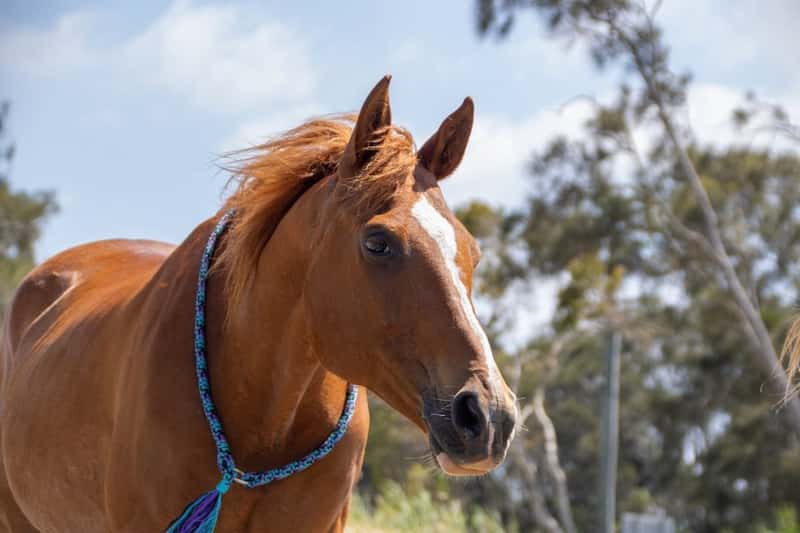
Here’s something that’ll flip your expectations. When you think of deadly Australian creatures, your mind probably conjures images of fanged snakes or razor-toothed sharks. Yet the most lethal animal in Australia is actually the horse. Horses were responsible for more human fatalities than any other animal in Australia, with more than 200 people losing their lives in a horse-related incident over a two decade period between 2001 and 2021. In a review of animal-related deaths in Australia from 2000 to 2013, 74 deaths were caused by horses, far exceeding deaths from venomous creatures that dominate the headlines.
Why do horses kill more Australians than anything else? Most horse-related deaths occur because riders have fallen off of them or because of vehicle accidents with horses on the road. It’s the frequency of human interaction that makes them statistically dangerous. Think about it this way: if you ride horses regularly or work around them on farms, the cumulative exposure adds up. One fall can result in catastrophic head injuries or crushing trauma.
Avoiding horse-related deaths is about respecting the unpredictability of these powerful animals. Always wear a proper helmet when riding. Stay alert around horses, especially near their hindquarters, where a kick can be fatal. If you’re driving in rural areas, particularly at night, watch for horses on or near roads. Most involved people were aged between 20 and 24 years, and over half resulted from rider falls, highlighting that even young, fit riders aren’t immune to tragedy.
Box Jellyfish: The Invisible Assassin
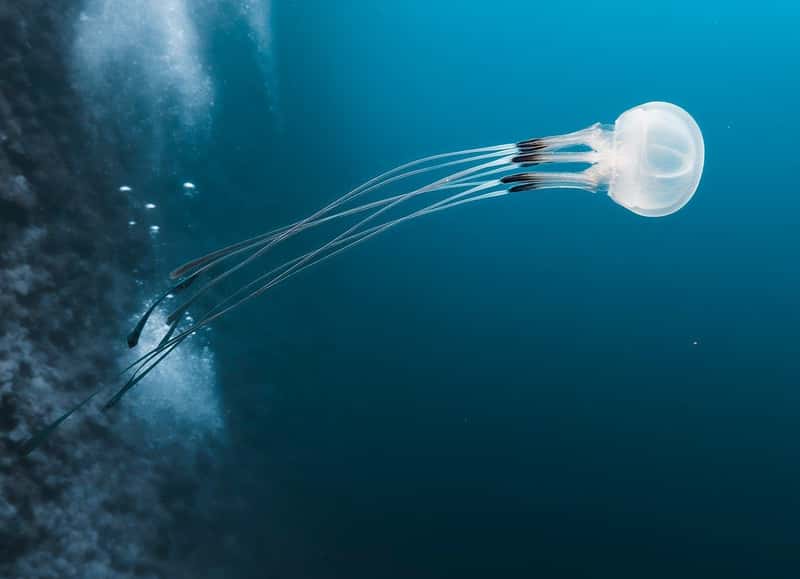
Let’s talk about something genuinely terrifying. The box jellyfish earns its reputation as one of the world’s most venomous marine creatures. Box jellyfish (Chironex fleckeri) have caused more than 79 deaths in Australia since records began in the 1880s. The venom is capable of causing cardiac arrest within minutes, and it is estimated that as little as 3 meters of tentacle contact can deliver a fatal dose. These translucent killers are nearly impossible to see in the water, making them particularly dangerous.
The geography matters enormously here. They are more likely to be in Northern Territory (NT) waters from 1 October to 1 June during ‘stinger season’. However, their stings have been recorded all months of the year. Since 1975, there have been 14 deaths in the Top End – all children, which underscores how vulnerable smaller bodies are to the venom’s effects.
Protection is straightforward but critical. If you go into the sea, wear clothing that covers your skin – a full-body wetsuit and waterproof footwear. You can also buy special stinger suits. These suits work because the stinging cells on a box jellyfish’s tentacles are not triggered by touch, but by chemicals found on skin, which are not present on the hose’s outer surface. If you’re stung, immediate action is vital: remove any tentacles from the skin, pour vinegar on the sting site and go to the hospital. Vinegar deactivates the stinging cells before they can inject more venom.
Cattle and Cows: The Farmyard Menace
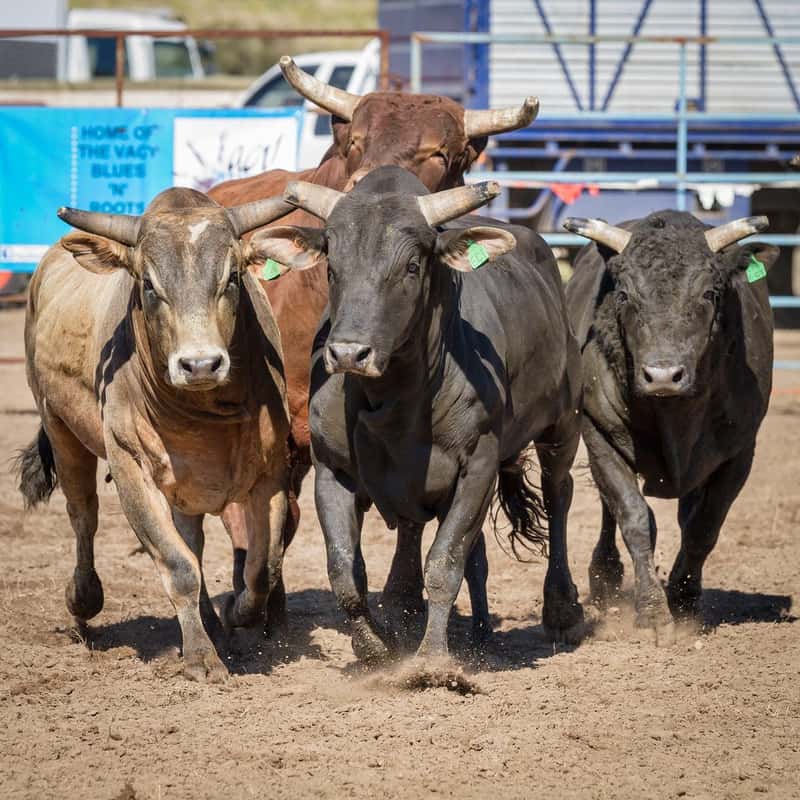
Cows might seem docile, yet they’re surprisingly deadly. The humble cow was responsible for nearly 13% of Australian animal-related deaths. Of these, around half were the result of blunt force – a bovine kicking or trampling a victim. Almost all the rest came in fatal vehicle/cow collisions. These animals are massive, weighing hundreds of kilograms, and can be unpredictable, especially when protecting calves or feeling threatened.
Most involved land mammals (505), including horses (222), cows or bulls (92), dogs (82), and kangaroos (53), in animal-related deaths between 2001 and 2021. Bulls in particular can be aggressive, and farm workers face the greatest risk. Vehicle collisions with cattle wandering onto rural roads also claim lives regularly.
Farm safety protocols exist for good reason. Never turn your back on bulls or cows with calves. Give them a wide berth and avoid getting between a mother and her offspring. When driving through cattle country, reduce speed and stay vigilant, particularly during dawn and dusk when visibility drops. These basic precautions can save your life.
Snakes: Australia’s Venomous Reputation
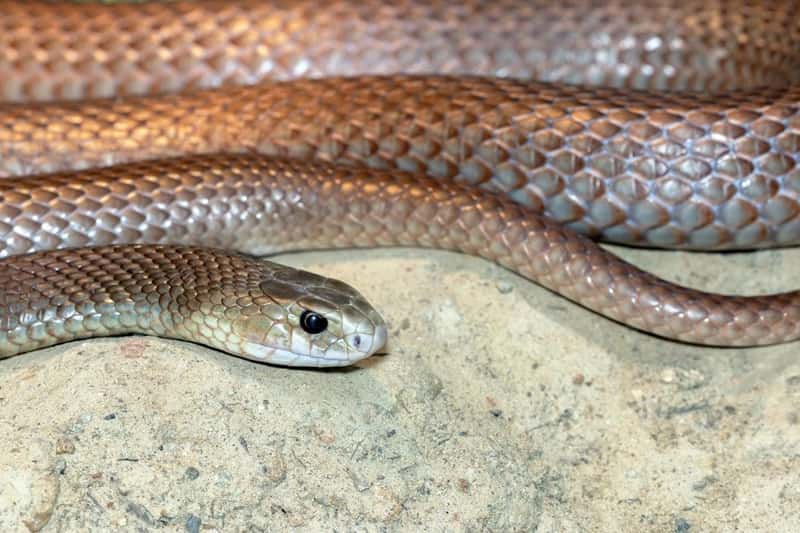
Australia’s snake reputation is well-earned. Between 2000–2016, the Eastern brown snake killed over 70% of people who received the often fatal snake bite. This species is considered one of the most dangerous in the world, yet snake deaths have declined dramatically due to improved antivenom availability. The report found 50 deaths caused by snakes, with fatalities most common among the elderly between 2001 and 2021.
Why aren’t snake deaths higher, given how venomous they are? Modern medicine is the answer. Rapid access to hospitals and effective antivenom treatment mean most snake bite victims survive. In just the first 22 days of 2021, there were 30 reported snake bites in Queensland, yet most patients recovered with proper medical intervention.
Prevention is about respecting snake habitats. Wear boots and long pants when walking through bushland or long grass. Watch where you place your hands when climbing or moving rocks and logs. Never attempt to catch or kill a snake; most bites occur when people try to handle them. If bitten, stay calm, apply a pressure immobilisation bandage, and seek immediate medical help. Time is critical, yet panic worsens outcomes.
Saltwater Crocodiles: Ancient Predators in Modern Times
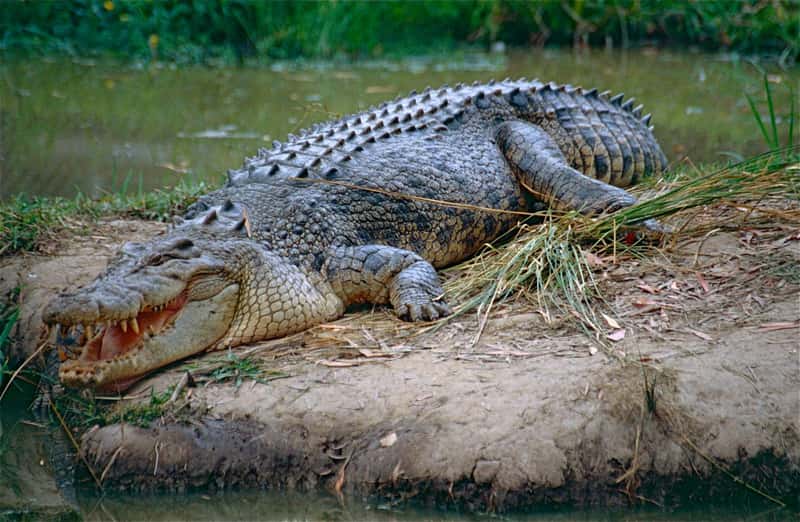
Saltwater crocodiles are apex predators that command absolute respect. Since 1969, Australia has seen 44 fatal saltwater crocodile attacks. NT and QLD lead with 19 each, underscoring the risks of life in croc country. This was the third fatal crocodile attack in Australia in 2024, close to the worst annual death toll on record of four in 2014. These attacks were devastating when they occurred, yet they remained relatively rare compared to other causes of death.
Attacks have become more frequent since the 1970s, paralleling crocodile population recovery after decades of hunting. 2014 was a tragic peak year, with four fatalities. Many years pass without a fatal attack – but when they do occur, they remind us of the constant presence of crocs in northern waters. The conservation success of protecting crocodiles means their numbers have rebounded dramatically.
Staying safe in crocodile territory demands vigilance. Never swim in waterways north of Rockhampton unless explicitly told it’s safe by local authorities. Never stand on logs or similar objects overhanging the water. Australian saltwater crocodiles can jump to attack! Also, never turn your back; always face the water. Keep at least five meters from the water’s edge, especially at dawn and dusk when crocodiles are most active. Fishermen, don’t clean fish near the water, or discard fish scraps in the water, as this attracts crocodiles and teaches them to associate humans with food. Honestly, if you see warning signs about crocodiles, take them seriously. They’re not suggestions.
Sharks: Fear Versus Reality
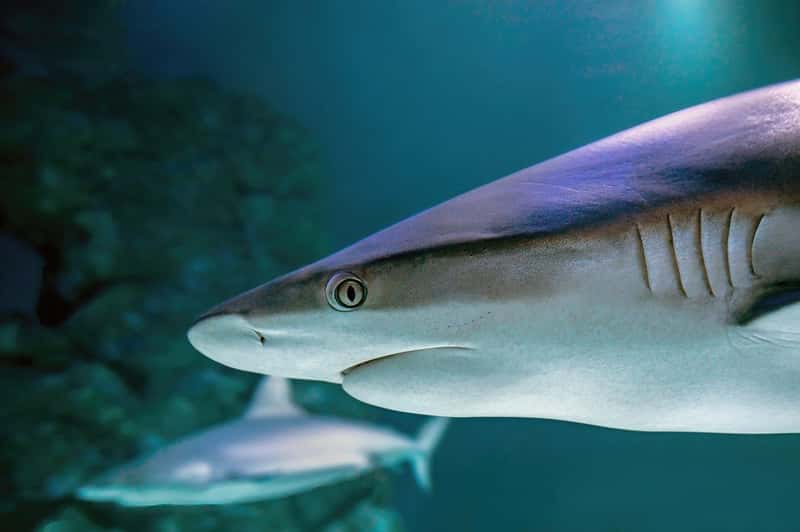
Out of the estimated 600 million individuals who visit the Australian coast in 2023, there were just four fatal shark bites and over the last 10 years, there have been, on average, 20 shark incidents a year with 2.8 fatalities a year. The numbers tell a story vastly different from the terror most people feel about sharks. Sharks and crocodiles are credited with 39 and 25 fatalities, respectively, between 2001 and 2021, placing sharks well down the danger list.
Why do we fear sharks so intensely when they kill so few people? Media coverage amplifies every attack, creating an availability bias where we overestimate the risk. Meanwhile, horses quietly kill far more Australians without making headlines. Well, this much maligned fish definitely does not deserve its killer reputation when you examine the actual data.
Reducing your already-low shark risk is simple. Swim at patrolled beaches between the flags where lifeguards monitor conditions. Avoid swimming at dawn, dusk, or night when sharks are most active. Don’t swim near river mouths, deep channels, or areas where people are fishing, as these attract sharks. If you see baitfish or seals, leave the water calmly. Swimming in groups is safer than swimming alone. These measures work because they reduce your overlap with shark hunting patterns.
The Real Lesson About Australian Wildlife
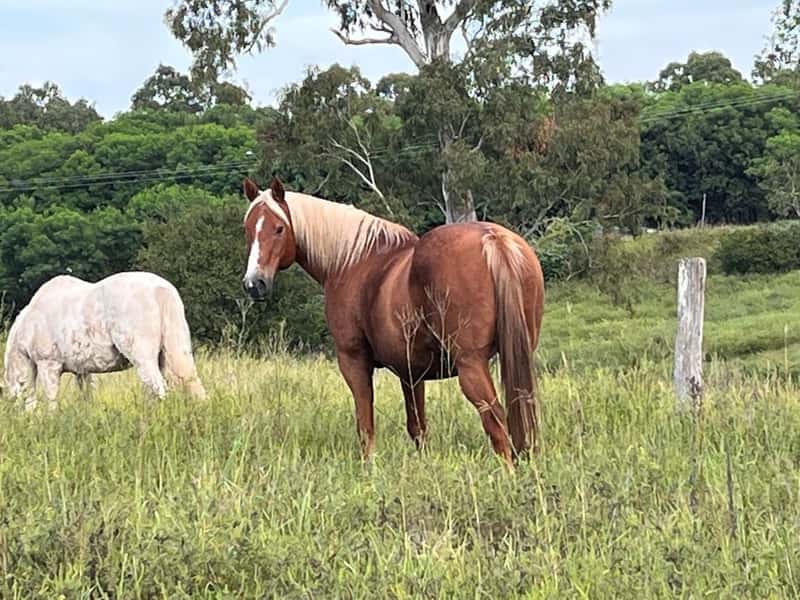
It makes sense that horses and cows are deadlier than sharks and snakes, for the simple reason that people spend a lot more time around horses than they do among venomous serpents. One interaction with one horse is, statistically, fairly safe. When you multiply that by hundreds of thousands of yearly horse interactions, the accidents – and the deaths – start to pile up. This is the crucial insight about danger in Australia.
Although Australia has the deadliest spider in the world – the Sydney funnel web – not one fatal spider bite occurred between 2001 and 2021. Antivenom works. Medical infrastructure works. Education works. The creatures that dominate Australia’s deadly reputation are often the least likely to kill you, while the mundane animals we interact with daily pose the greatest statistical risk.
Australia’s wildlife doesn’t have to be feared; it needs to be respected. Know where dangerous animals live and adjust your behaviour accordingly. Wear protective gear when appropriate. Seek immediate medical attention if bitten or stung. Most importantly, recognise that the greatest dangers often come from the least expected sources. That horse, that cow, that familiar stretch of road at night – these are where vigilance truly matters. Did you expect horses to be Australia’s deadliest animal?