Every summer, millions of Americans pack up the car, load a cooler, and set off toward some landmark they’ve seen a hundred times in photos. Somewhere between the parking lot and the gift shop, though, a familiar feeling creeps in: this cost a lot more than expected, and it’s a lot less impressive in person. That gap between the postcard and the reality is exactly what defines a tourist trap, and a few places in this country have built entire economies around it.
Below are nine spots that keep showing up on traveler complaint lists, industry surveys, and review-mining studies from the past couple of years. Some are genuinely worth a quick stop. Others might make you wonder why you bothered parking.
Wall Drug, South Dakota
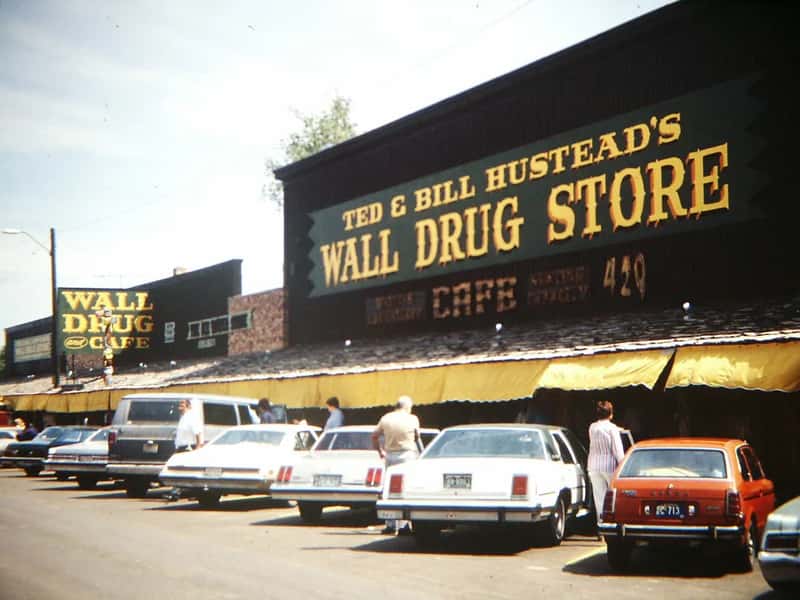
Wall Drug started life as a modest roadside pharmacy in the 1930s and has since ballooned into a sprawling Western-themed complex of shops, animatronics, and a free ice water gimmick that still pulls people off Interstate 90. Once little more than a roadside drugstore and refreshment stop, Wall Drug is now part of a vast Western-themed attraction that, despite topping this list, racks up 2 million visits every year.[1] That’s a lot of people willing to detour for jackalope statues and a five cent cup of coffee.
Recent review-mining research puts Wall Drug at the very top of the pile. There was a two-way tie at the top of the worldwide list for 2025, with two American destinations, Wall Drug, South Dakota, and Fisherman’s Wharf, San Francisco, both being labeled a “tourist trap” 1000 times each[1] in the reviews analyzed. It’s harmless fun if you treat it as a novelty stop rather than a destination in itself, but plenty of visitors leave feeling like they walked through an elaborate gift shop with a drugstore theme.
Fisherman’s Wharf, San Francisco
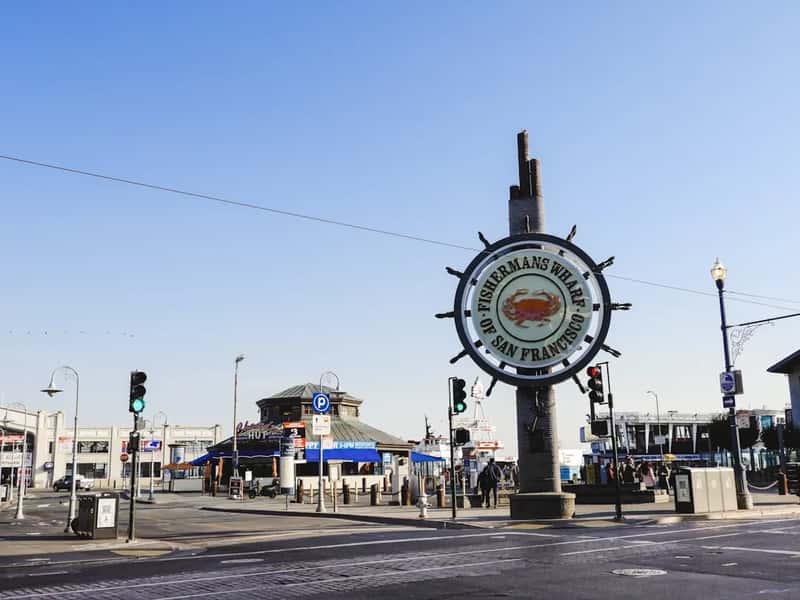
Fisherman’s Wharf trades on its working harbor history, though these days the crab stands and taffy shops get more attention than the actual fishing boats. San Francisco’s Fisherman’s Wharf neighborhood welcomes a staggering 12 million visitors annually to its waterfront restaurants and souvenir shops, yet some visitors appear to be underwhelmed[1], with one reviewer noting it’s really only worth it for the sea lions.
A separate industry analysis reached a similar conclusion, naming it the most complained about attraction in the country. Casago’s study identified Fisherman’s Wharf in San Francisco as the biggest tourist trap in the United States and the world, with 1,049 Trip Advisor reviews using the words tourist trap for the waterfront district.[2] The lesson here isn’t to skip it entirely. Watch the sea lions at Pier 39, grab clam chowder in a bread bowl, and move on before the souvenir shops start feeling repetitive.
Times Square, New York City
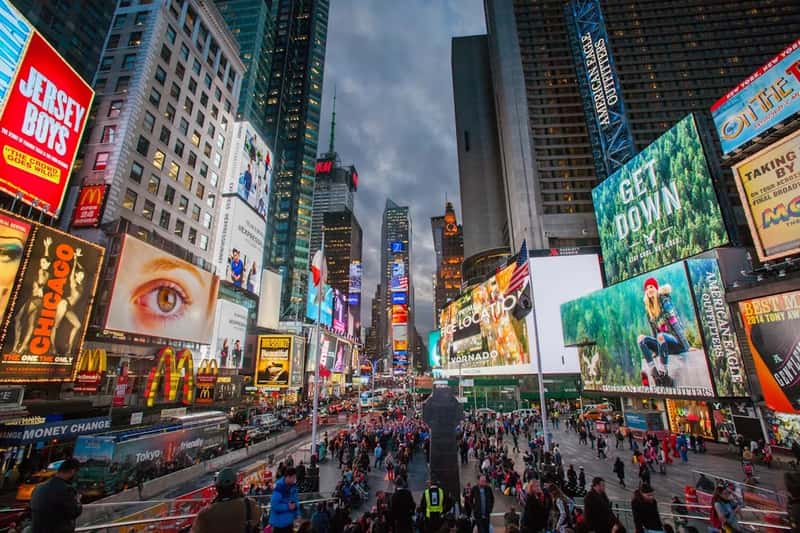
Times Square is the tourist trap that other tourist traps get compared to, and the reputation is earned honestly. From the porn shop and peep show capital of the early 1980s to today’s family-friendly tourist attraction, Times Square is an iconic destination that nearly 360,000 pedestrians travel through every day.[3] That density creates exactly the kind of pressure cooker where costumed characters, ticket scammers, and marked-up chain restaurants thrive.
A 2025 review study didn’t mince words about the experience. Preply’s 2025 review study called Times Square the world’s most stressful tourist trap, and the district’s own visitor FAQ warns that costumed characters expect tips for photos and says aggressive behavior should be reported.[4] Costumed Elmos and Spider-Men will pose for a photo and then demand a tip on the spot, sometimes aggressively, and souvenir shirts that cost a few dollars in Chinatown can run four times as much just steps from the ball drop.
Graceland, Memphis
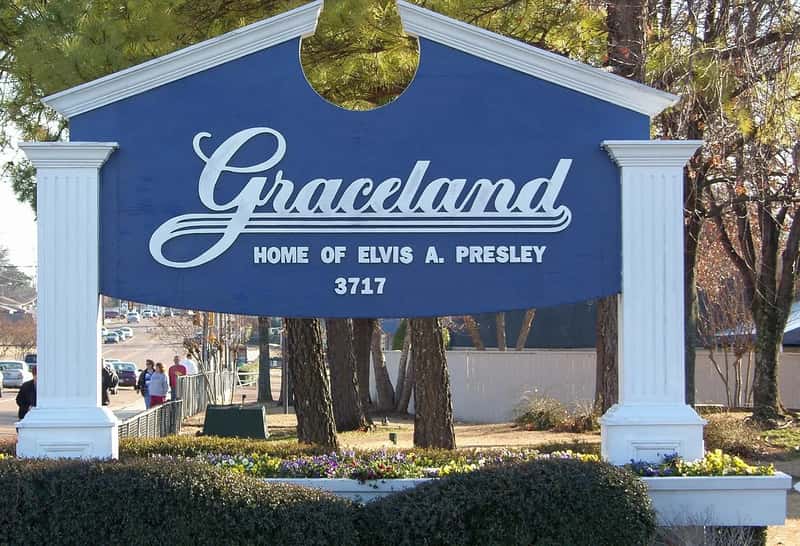
Graceland occupies a strange space among tourist attractions. It’s a genuinely meaningful pilgrimage site for Elvis fans, yet it’s also become a case study in how ticket tiers can quietly balloon a simple visit into a costly one. Nomad’s 2025 analysis singled Graceland out as the most expensive tourist trap in its review study, and Graceland’s own 2026 ticket page lists the standard Elvis Experience at $85 for adults, with premium tiers priced much higher.[4]
The pricing structure adds another layer of frustration for anyone who didn’t plan ahead. The same ticket page also notes that on-site purchases before 2 p.m. carry a higher facility fee than online purchases.[4] Devoted fans will likely say every dollar was worth it, but a casual visitor just looking to see the Jungle Room can end up spending far more than expected on what amounts to a guided walk through a house.
Navy Pier, Chicago
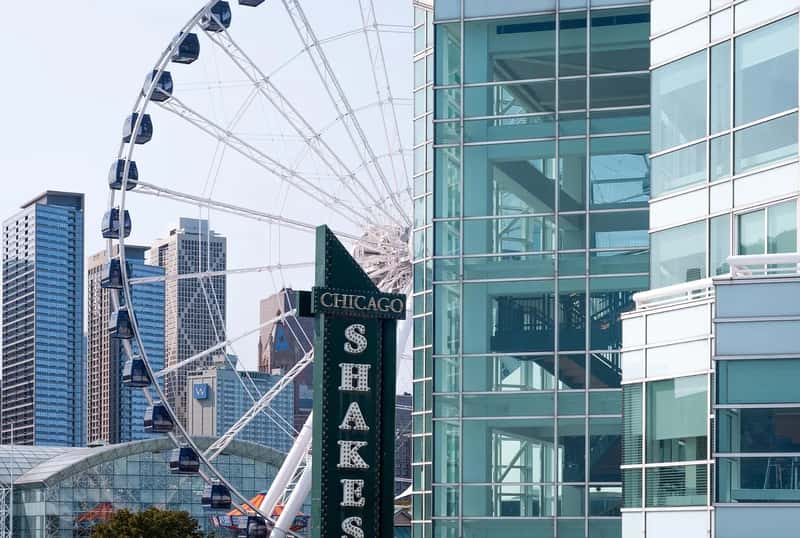
Navy Pier has a strange problem: it’s competing against its own city. Chicago is stacked with world class architecture, a stunning lakefront, and some of the best museums in the country, and Navy Pier’s carnival rides and chain restaurants simply don’t measure up. Chicago offers architectural landmarks, lakefront beauty, and some of the best museums in the country, so Navy Pier gets judged against very strong competition.[4]
That comparison shows up clearly in the data. Mental Floss’s write-up of Nomad’s 2025 review analysis placed Navy Pier fourth among the worst tourist traps in the United States.[4] It’s not a bad place for a sunset walk or a ride on the Ferris wheel, but treating it as a must-see Chicago attraction, rather than a pleasant afterthought, is where visitors tend to feel let down.
Gatlinburg, Tennessee
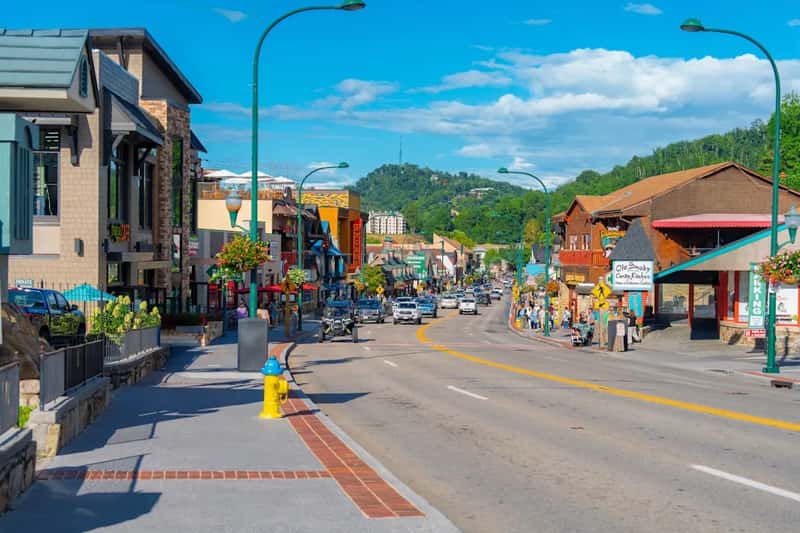
Gatlinburg sits at the entrance to Great Smoky Mountains National Park, the most visited national park in the country, and that location is both its blessing and its curse. During peak season the town’s single main strip turns into a slow crawl of traffic and crowded storefronts. Gatlinburg overflows during peak seasons in the Smokies, with travelers reporting bumper-to-bumper traffic and crowded tourist shops, and the commercial strip can overshadow the natural beauty nearby.[5]
The town isn’t without redeeming qualities, since it does serve as a genuinely useful jumping off point for the park itself. The town serves as a handy gateway to the national park, and visiting midweek or in the off-season eases the crush, so spending more time on park trails than on the main strip turns the trip into a far better mountain escape.[5] The trick is treating the strip as a brief stop for gas and snacks rather than the vacation itself.
Niagara Falls, American side
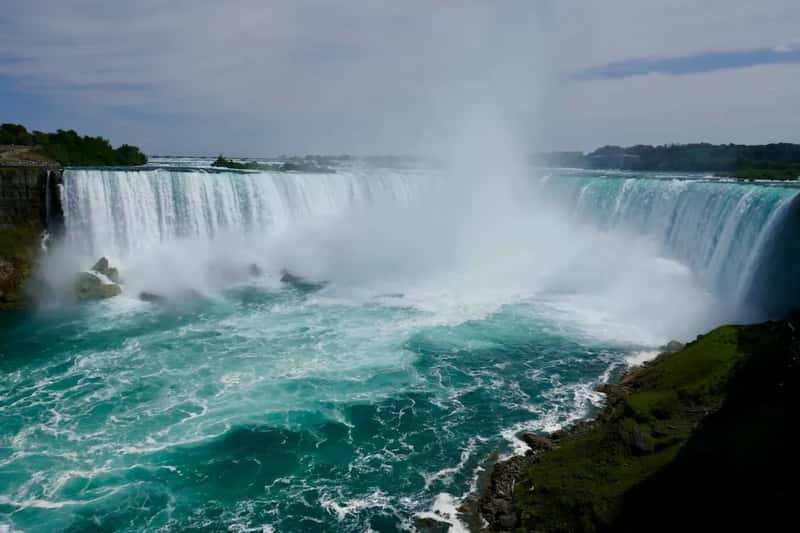
Niagara Falls is a legitimate natural wonder, no argument there. The complaint isn’t about the waterfall itself, but about which side of the border you’re standing on when you look at it. The American side of Niagara Falls frustrates some visitors, who note that the best face-on views come from the Canadian side, and the surrounding area feels dated, with overpriced attractions.[5]
There’s still a case for visiting the American side, particularly for anyone willing to get close to the water. The falls themselves remain stunning up close, and the Cave of the Winds walk gets you near the rushing water.[5] Just know going in that the postcard panorama everyone recognizes usually requires crossing into Ontario, passport in hand.
Space Needle, Seattle
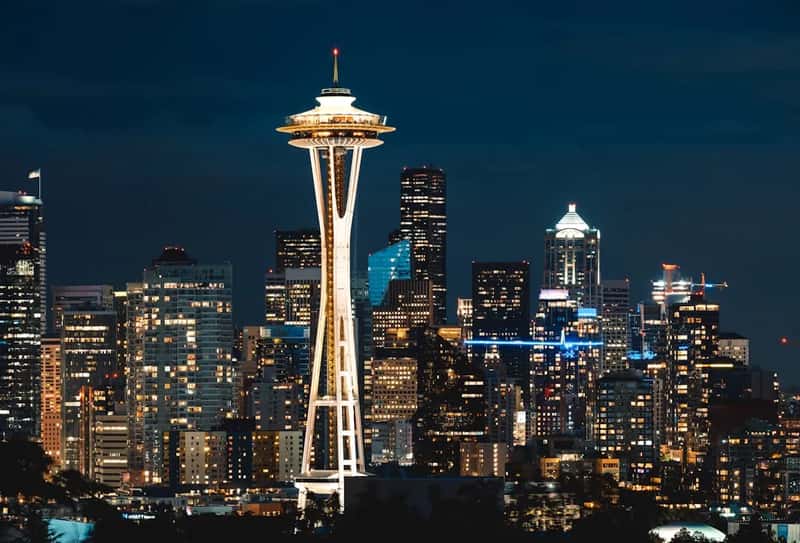
The Space Needle has been Seattle’s skyline signature since the 1962 World’s Fair, and the views from the top are real. What tends to disappoint visitors is what happens once they’re actually up there. Unimpressed visitors cite the Space Needle’s lack of knowledge as a drawback, since once you arrive at the top, there is little to no information about the surrounding buildings or the structure’s significance.[6]
Paying a steep ticket price just to look at unlabeled buildings, after waiting in a long line to get up there, is where the frustration sets in. If 360-degree views of Seattle are what you’re after, then a visit to the 605-foot-tall observation tower may be worth its substantial wait times and price tag[6], but plenty of visitors decide the nearby Seattle Center offers a better use of the same afternoon.
Dole Plantation, Hawaii
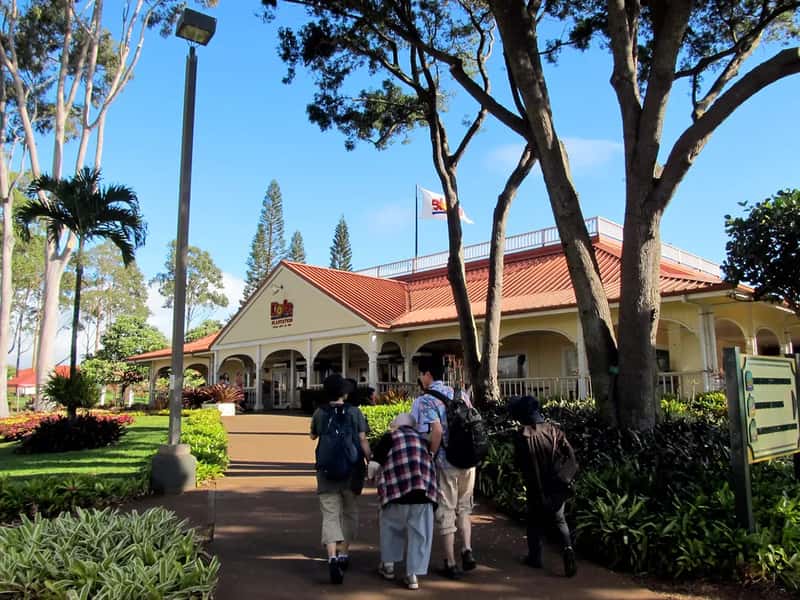
The Dole Plantation on Oahu sounds like a quick, wholesome stop for pineapple and a bit of Hawaiian agricultural history. In practice, it’s been built into a much more commercial operation than the name suggests. The official site makes clear that this is a polished attraction built around paid activities rather than a simple agricultural stop, with train, maze, and garden tickets sold separately or as combo packages purchased on-site the day of the visit.[4]
That ticketing setup is exactly what trips up a lot of families expecting something more casual. Families expecting a quick pineapple stop often end up feeling like they walked into a cheerful queue attached to a gift shop.[4] A slice of fresh pineapple and the famous Dole Whip are still worth grabbing, just don’t expect to breeze through without paying for at least one add-on activity.
Nine spots, nine different flavors of disappointment, from overpriced souvenirs to underwhelming views to ticket structures that nickel and dime a simple visit into something pricier than planned. None of these places are complete write-offs. Most reward a quick, well-planned stop and punish anyone who treats them as the main event of a vacation. The real skill in American road-tripping isn’t avoiding these places entirely, it’s knowing exactly how much time and money each one deserves before you get there.