Every year, tens of millions of Americans board planes for beaches, ruins, and city breaks, and almost all of them come home with nothing worse than sunburn or a mild case of jet lag. Yet a small number do not return, and the U.S. State Department keeps a public record of exactly how and where that happens. The patterns in that data are not what most people expect, and they say more about ordinary risk than about the exotic dangers travelers tend to worry about.
Mexico tops the list, but not for the reason you’d think

Mexico is the single most common country for non-natural deaths of U.S. citizens abroad, and it has held that position for years. Mexico consistently ranks number one in American fatalities and is also the top country in the world for American travelers, drawing close to 39 percent of all American travelers last year while contributing to about one third of the total US deaths abroad.[1] That context matters enormously, because the raw numbers alone can make Mexico look far more dangerous than it actually is per visitor.
Mexico has the highest total in the 2020-2022 Department of State file, with 537 recorded non-natural deaths of U.S.[2] citizens during that stretch. Mexico receives the highest volume of American visitors annually, with millions of Americans visiting each year, and the sheer scale of tourism naturally inflates the absolute number of deaths.[3] Scale, not danger per trip, largely explains why Mexico sits at the top of nearly every version of this list.
Traffic accidents kill more Americans abroad than anything else
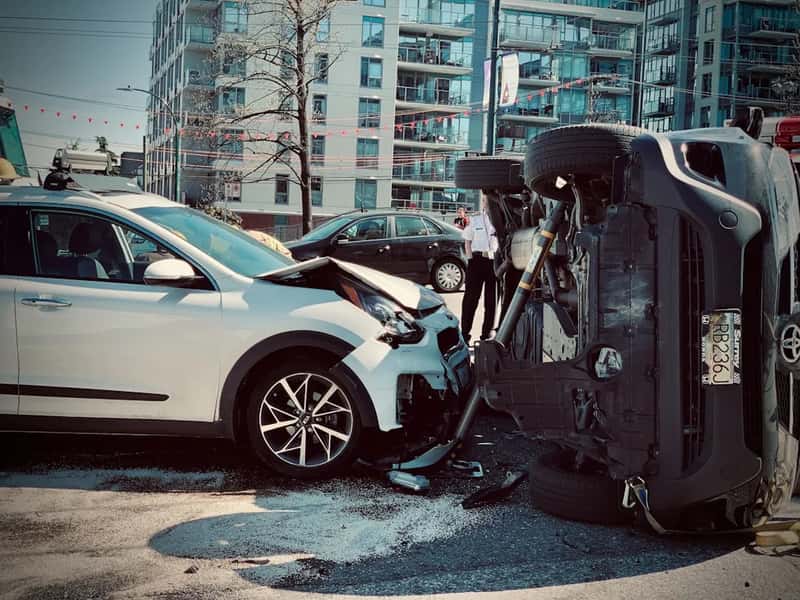
If there’s one single cause that dominates the entire dataset, it’s the car. Motor vehicle crashes are the leading cause of non-natural deaths, accounting for roughly a quarter of all non-natural deaths among Americans abroad.[3] This isn’t unique to any one country; it shows up in nearly every nation with meaningful American tourist traffic.
Roughly two thirds of these crash deaths involve drivers and occupants of passenger vehicles like cars, trucks, and SUVs, while close to one in five involve motorcycles.[3] Risk factors include vehicles that fail to meet basic safety standards, roads shared by motor vehicles and vulnerable users, and a chaotic traffic mix that can include animals, bicycles, and rickshaws alongside cars and buses.[3] A rental scooter on an unfamiliar road, in other words, is statistically a bigger threat to an American tourist than almost anything featured in a travel-warning headline.
Thailand’s motorcycles and a hidden mental health toll

Thailand has long ranked as the second most common country for American deaths abroad, despite receiving far fewer visitors than Mexico. In one commonly cited 12 month stretch, Thailand recorded 35 U.S. deaths, of which 12 were due to suicide and 10 were specifically due to motorcycles.[4] That split reveals two very different problems hiding inside one country’s statistics.
The motorcycle risk is fairly intuitive: rental scooters, unfamiliar left-hand traffic in some regions, and inexperienced riders make for a dangerous mix on Thai roads. The suicide figures are less discussed but persistent. The Department of State has records of over 1,400 suicides of Americans abroad, which amounts to more than 100 American suicides overseas per year[4], and Thailand appears repeatedly among the countries where this occurs.
Costa Rica’s beaches are more dangerous than they look

Costa Rica markets itself on eco-lodges, zip lines, and pristine coastline, which makes its death statistics genuinely surprising. Of the 31 deaths recorded in Costa Rica during one recent 12 month period, 17 were due to drowning.[4] That single cause dwarfs every other category in the country’s data.
The reason isn’t mysterious once you understand local infrastructure. Costa Rica has no law requiring lifeguards on its beaches, and even those beaches with guards are often under protected.[4] Combine strong Pacific rip currents with visitors unfamiliar with the terrain, and a beach vacation becomes statistically riskier than it looks on a postcard.
The Dominican Republic mixes drowning with unexplained resort deaths

The Dominican Republic shows up consistently in State Department figures for both drowning and vehicle deaths. The country recorded 28 deaths in one recent period, of which 10 were due to drowning.[4] Beyond the water, the country has also drawn attention for a cluster of sudden deaths at resorts that grabbed national headlines a few years back.
Several of those widely reported deaths were later attributed to heart attacks, which health officials note is actually the most common cause of death for Americans on vacation generally.[5] That detail tends to get lost in sensational coverage, but it’s an important reminder that natural causes, not crime or accidents, account for the majority of American deaths overseas overall. The combination of unfamiliar waters, limited safety infrastructure, and a relaxed vacation mindset creates conditions where accidents can happen quickly, and the country’s beaches often lack the lifeguard coverage American tourists might expect at home.[6]
Homicide abroad is rare, concentrated, and usually not random

Murder gets outsized media attention relative to its actual share of American deaths overseas. Roughly 18 percent of Americans who die abroad are murdered, and those who are tend to be caught up in drug related violence, with Mexico again leading the pack in areas where cartels have a strong presence.[7] The pattern is less about tourists being targeted and more about being in the wrong place during unrelated conflicts.
Other countries where Americans are murdered at disproportionately high rates, including the Philippines, the Dominican Republic, Honduras, and Haiti, are places that already struggle with drug violence or high baseline murder rates, and visitors usually aren’t targeted specifically.[7] Honduras and Haiti receive only a modest number of American visitors each year, yet their baseline crime rates are so high that American lives are put at risk even without being singled out.[4] It’s a sobering distinction, but an important one for understanding the actual mechanics of risk.
Suicide abroad is more common than most travelers realize

This is one of the least discussed categories in the entire dataset, largely because it doesn’t fit the narrative of travel danger that most people expect. Suicide accounts for roughly 14 percent of total American deaths abroad, with most occurring in Mexico but also a notable amount in Germany, Thailand, Korea, and Japan.[7] The spread across wealthy, stable countries shows this isn’t tied to unsafe destinations at all.
Of the 11 deaths recorded in Switzerland during one recent period, all but one were attributed to suicide[4], a striking figure for a country generally regarded as one of the safest places on earth to visit. It’s a reminder that some travel deaths have nothing to do with the destination’s safety record and everything to do with the traveler’s own circumstances.
Terrorism deaths are rare, despite dominating headlines
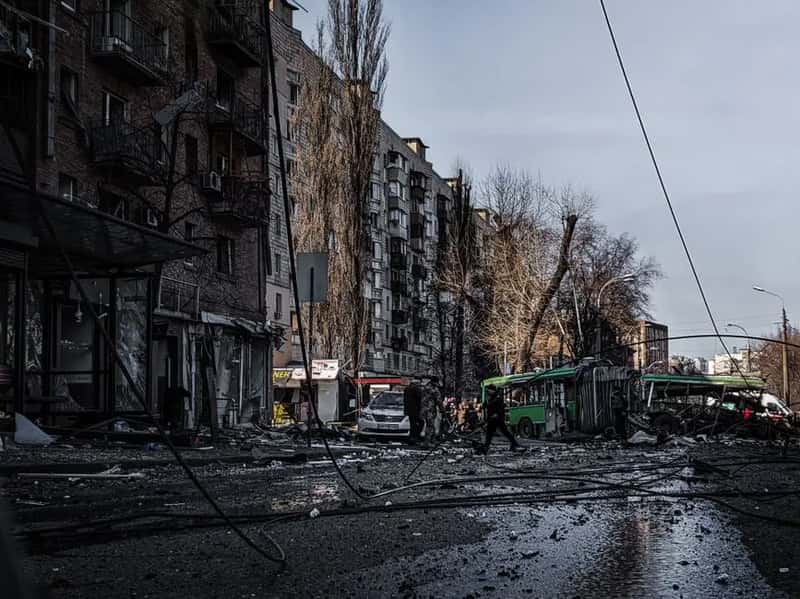
Of every category tracked in State Department records, terrorism produces the fewest fatalities relative to public attention. Terrorism accounted for just under 2 percent of American deaths abroad in one recent year studied.[1] In 2018, just six Americans were killed in a terrorist incident, the lowest number in over a decade, ranking far below mundane risks like traffic accidents and drowning.[6]
The gap between perceived risk and actual risk here is enormous. News coverage of bombings or attacks tends to shape how people evaluate a country’s danger level, yet the numbers consistently show that everyday hazards, cars, water, and health, cause dramatically more American deaths than any act of terrorism does. This mismatch between fear and statistics is one of the more consistent findings across nearly two decades of State Department data.
Small countries can carry outsized risk per visitor

Raw totals favor countries with huge tourist volumes like Mexico, but adjusting for the number of actual visitors tells a different story. Vietnam, Costa Rica, and the Philippines each show substantial American deaths relative to the number of visitors, running three to four times higher than Mexico once adjusted for volume.[8] These countries simply don’t send enough Americans through their airports each year to top the raw rankings, even though an individual traveler’s odds may be higher there.
These statistics are particularly notable given that these aren’t typically considered the most popular destinations for American tourists, which suggests real per-visitor risk can be higher in less-traveled places than in more frequented ones.[8] It’s a useful corrective for anyone assuming that a country’s overall death count is the same thing as its danger level for any single traveler.
The bigger picture: dying abroad remains genuinely rare
After all the country-by-country breakdowns, the most important number might be the smallest one. Between 2020 and 2024, over 1,500 U.S. citizens died from non-natural causes across every foreign country combined, and when you consider that tens of millions of Americans travel internationally each year, the absolute risk remains remarkably low.[6] In 2024 alone, 107.7 million Americans traveled abroad[9], which puts those death figures into proper proportion.
To put homicide numbers abroad into perspective, the 132 Americans who died this way in one recent year is smaller than the homicide count for Chicago alone that same year, which recorded 561.[6] The most valuable insight from these State Department records is that the biggest threats to American tourists aren’t the dramatic dangers people worry about, but the everyday risks taken for granted at home.[6] That’s not a call to ignore travel warnings, but it is a fairly clear signal about where the real risk actually sits.
Putting it all together

The data doesn’t point to any single villain destination so much as a handful of recurring, mundane hazards that follow travelers wherever they go. Cars, water, and unfamiliar roads cause far more harm than headlines about crime or terrorism would suggest. Mexico appears at the top of these lists mostly because it sends more Americans abroad than anywhere else, not because it’s uniquely dangerous per visit.
What stands out most, looking across two decades of this same public record, is how ordinary the actual causes turn out to be. A rented scooter, a strong current, an unmarked beach, these are the things that end up mattering, far more often than the dramatic scenarios that dominate the news cycle.