English has become the universal passport to opportunity. Whether you’re scrolling through social media, closing a business deal overseas, or watching your favorite series, chances are English is doing the heavy lifting. In 2023, there were around 1.5 billion people worldwide who spoke English either natively or as a second language, a number that keeps climbing year after year.
What’s fascinating is how this language has spread far beyond its birthplace in Britain. It’s no longer just about London accents or American drawbows. Today, more people speak English as a second language than as their mother tongue, which fundamentally reshapes what “English-speaking” even means in our interconnected world.
United States: The Giant of English Speakers

The United States leads with 350 million speakers, making it home to the largest English-speaking population on the planet. The majority of the U.S. population (77%) speaks only English at home as of 2024, according to the American Community Survey. It’s worth noting that despite never officially declaring English as the national language at the federal level for most of its history, it was reported as the nation’s official language in early 2025 through a new executive order.
American English has truly become the dominant form of English worldwide, influencing everything from business terminology to pop culture expressions. Walk into any office in Tokyo or São Paulo, and you’ll hear American phrases mixed into local conversations. The United States remains the reference point when people think about English fluency, setting standards through its media empire, tech dominance, and academic institutions.
India: The Second Language Superpower

India has 265 million English speakers, making up 19% of the population. Here’s where things get interesting. A total of 82,717,239 Indians speak English as a second language, and 45,562,173 as a third language. Only 259,678 people in India are native speakers of English. Let that sink in for a moment.
English in India serves as a bridge language, connecting people across a nation with 22 officially recognized languages. Roughly 1 in 10 people in India speak English, but its importance far exceeds these raw numbers. It’s the language of opportunity, education, and upward mobility. Walk through Mumbai, Bangalore, or Delhi, and you’ll hear English seamlessly woven into daily conversations, creating a unique linguistic blend that’s distinctly Indian yet globally understood.
Pakistan: The Emerging Anglophone Nation
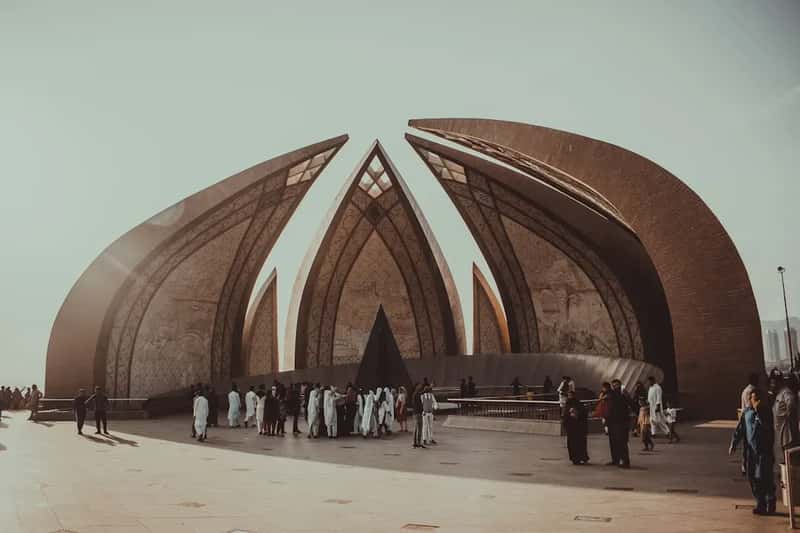
Pakistan has 108 million English speakers, mostly non-native, positioning it as a significant player in the global English-speaking community. English serves as a co-official language alongside Urdu and is spoken by approximately 3 million people from a population of around 133 million. The language holds particular importance in education, government, and professional sectors.
What makes Pakistan’s situation intriguing is the divide between urban and rural English proficiency. In major cities like Karachi, Lahore, and Islamabad, English dominates business communication and higher education. Meanwhile, rural areas maintain stronger ties to regional languages like Punjabi, Sindhi, and Pashto, with English serving more as an aspirational skill than a daily necessity.
Nigeria: Africa’s English Hub
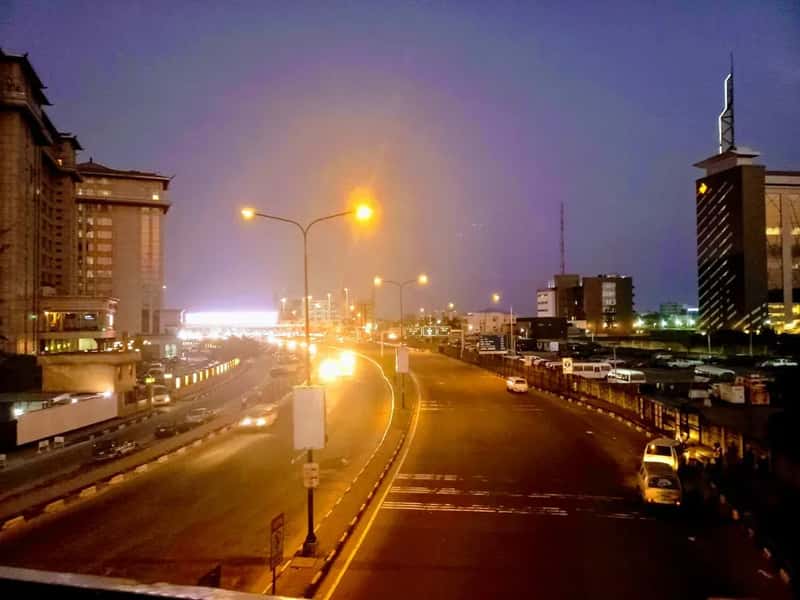
About 95 million English speakers live in Nigeria, making it the undisputed leader in Africa’s English-speaking landscape. Approximately 53% of Nigerians communicate in various forms of English, a legacy of British colonial rule that ended in 1960. English shares co-official status with three indigenous languages – Hausa, Igbo, and Yoruba – yet dominates practical use in almost all official contexts, from governance and education to mass media and legal proceedings.
Nigerian English has evolved into something distinctly African, with unique expressions and pronunciation patterns that reflect the country’s rich cultural tapestry. A growing number of young Nigerians now consider Nigerian English as their first language, signaling a fascinating shift where English transforms from colonial imposition to cultural identity. The country’s booming entertainment industry, particularly Nollywood and Afrobeats music, has amplified Nigerian English globally, introducing the world to phrases and rhythms that challenge traditional notions of what “proper” English sounds like.
These four nations collectively represent over 800 million English speakers, showcasing how the language has transcended its British origins. The future of English isn’t being written in Oxford or New York alone anymore. It’s being shaped in Mumbai call centers, Lagos recording studios, Karachi classrooms, and Silicon Valley boardrooms alike. What do you think about this linguistic revolution? Did you expect these rankings?