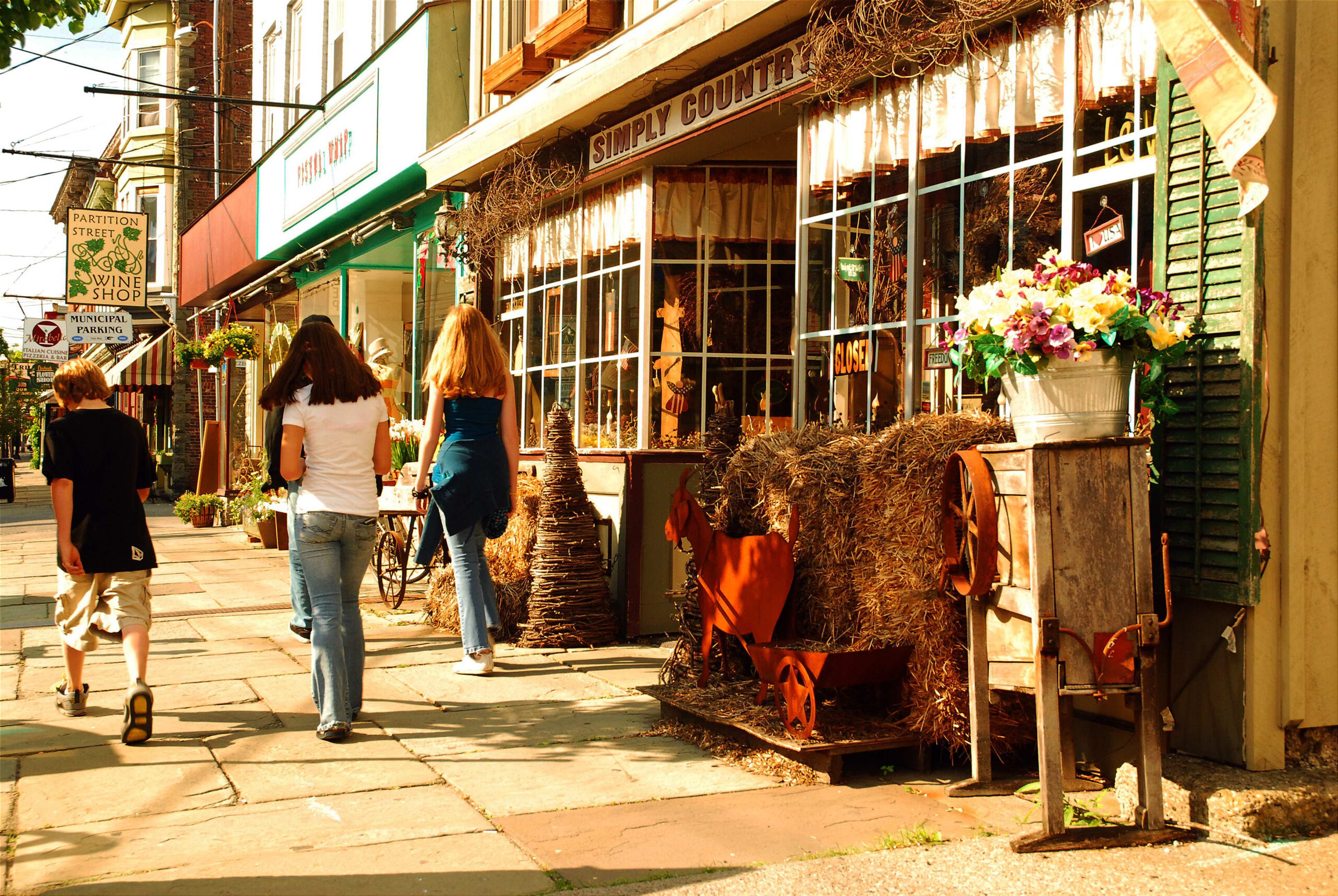
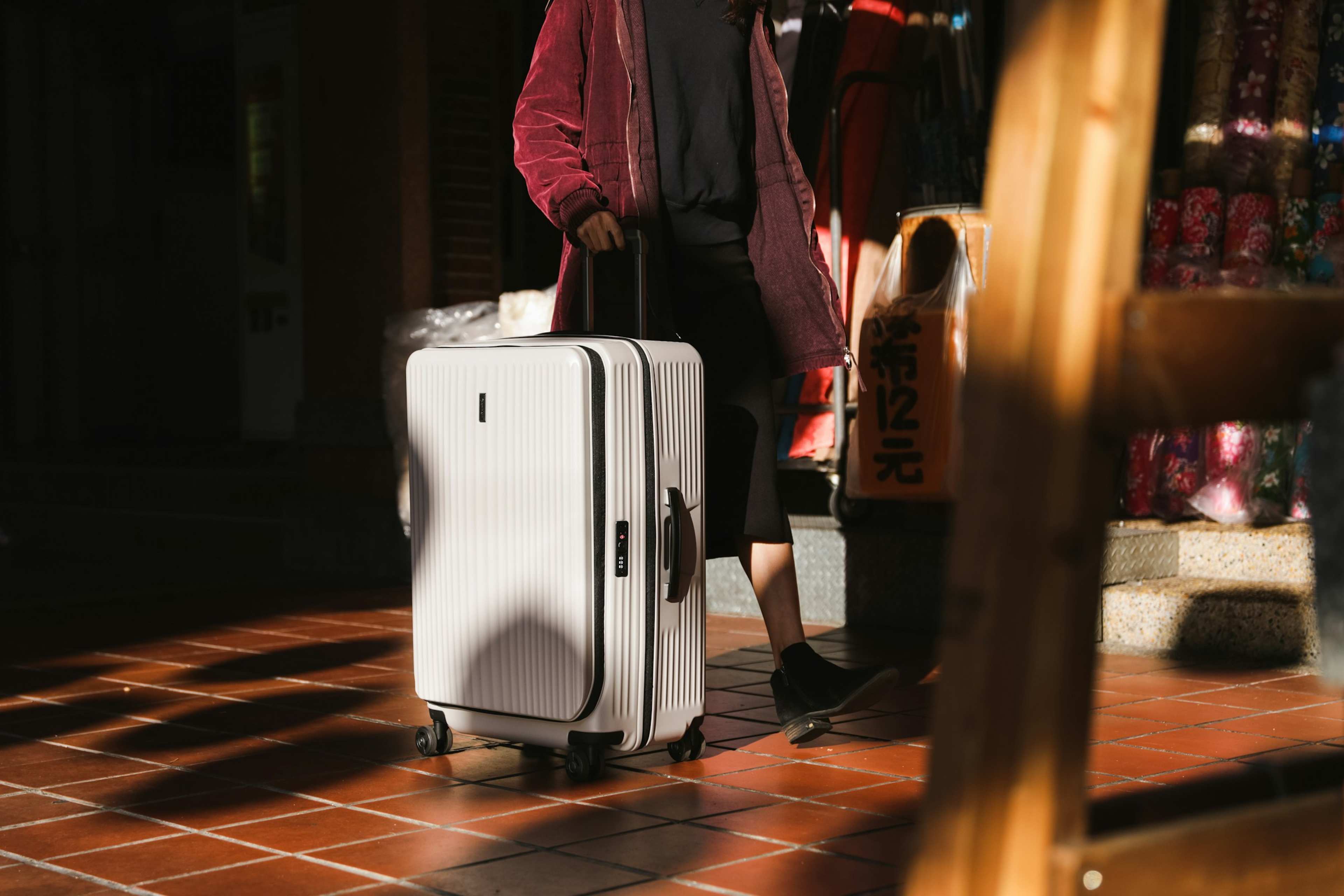
The suitcase is open on the floor.
You haven’t unpacked it from the last trip.
You booked the next one before the plane landed.
Somewhere between the third city and the fourth continent, the geography changed but you didn’t. The person in every airport selfie is smiling. The person checking into every hotel at midnight is not.
This is the chasm between the self we perform in transit – spontaneous, alive, enviable – and the self that waits, damp and unmoving, at the bottom of every return flight. We thought movement was medicine. We thought distance was processing. We were wrong. And in 2026, the receipts are coming due.
1. The Revenge Myth

Let’s be honest about what “revenge travel” actually was.
It was not reclamation. It was not healing.
The frustration from long confinement and repetitive work life acted as a psychological trigger – a mechanism that reinforced the attitude toward travel as escape and self-restoration. That is the clinical language. The emotional language is simpler: we were running.
We called it revenge because it felt powerful. A war cry against lost time. Against lockdowns. Against the slow, suffocating silence of years that stole something we couldn’t name.
But revenge is not the same as reckoning.
You cannot book a flight to Barcelona and leave your grief at the gate. It checks in with you. It sits in the middle seat. It orders the same drink you do.
As the severity of the pandemic eased, consumption patterns of tourism experienced an instantaneous surge – a phenomenon known as “revenge consumption,” manifesting as behavior aimed at compensating for psychological depression by purchasing products. We bought experiences the way others bought handbags. The transaction felt real. The healing did not.
2. The Pandemic Left a Bill We Refused to Open
Here is what we did not want to look at.
The COVID-19 pandemic left an indelible mark on global mental health, with widespread psychological consequences that persisted beyond the acute phase of the virus.
We acknowledged that sentence briefly, the way you acknowledge a lump you intend to get checked – eventually.
In the past several years, we experienced an incomprehensible level of unprocessed grief and loss. Many individuals helplessly witnessed loved ones die alone in hospitals and nursing homes without the normal healing mourning rituals.
Normal mourning rituals. The funeral. The gathering. The casserole on the doorstep. The hand on the shoulder in the aisle of a church. We didn’t get those.
We got Zoom wakes and muted condolences. We got a world that kept moving because it had no other gear. And then, when the borders opened, we moved with it. Fast. Purposefully forward. Away.
Trying to avoid collective grief and loss is like living apart from humanity. Instead of helping us heal, avoiding grief and loss can lead to feelings of indifference, numbness, and lack of meaning.
3. The Roaring Twenties Trap
We have been here before. Exactly here.
During the 1918 Spanish flu, the United States dissociated feelings of helplessness, pain, suffering, and loneliness associated with the loss of 675,000 lives in the country and 50 million people worldwide, replacing these feelings with the manic enthusiasm of the Roaring Twenties.
Read that again.
They danced. They spent. They traveled by rail to parties they didn’t want to leave. They wore their grief as sequins. They performed recovery so convincingly that the performance became the culture.
Sound familiar?
We mistook the Instagram grid for an emotional narrative arc. We mistook movement for progress. We were the Roaring Twenties in Lululemon, with airline loyalty points and a growing sense of unease we couldn’t algorithm away.
History, as ever, left the footnote in plain sight. We just had our out-of-office on.
4. The Emotional Exhaustion Engine
Here is the cruel irony of revenge travel’s psychology.
The very fuel driving us toward departure gates was the same fuel ensuring we’d arrive empty.
Emotional exhaustion, shaped by personal experiences and locational factors, is a significant antecedent to revenge travel intentions. In other words: the more depleted you were, the more desperately you booked. Exhaustion didn’t stop us. It accelerated us.
Emotional byproducts such as loneliness and frustration stemming from long periods of isolation strongly shaped revenge travel behavior. These emotional states affected attitudes toward travel: individuals enduring social isolation craved leisure for emotional escape and psychological restoration.
Craved. Not needed. Not healed by. Craved.
We were addicts chasing a hit that kept losing potency. The first trip after lockdown felt electric. The fifth trip felt like maintenance. The tenth felt like obligation. And still we booked the eleventh.
More than three-quarters of U.S. workers reported experiencing some level of burnout, with 53% experiencing moderate to severe levels. We were not rested people traveling. We were burned-out people relocating their burnout to prettier ZIP codes.
5. The Passport Doesn’t Know Your Name
I want to tell you about a Tuesday in Lisbon.
The café was perfect. The light hit the tiles at the exact angle that makes you believe in the divine. I had a glass of wine. I had my notebook open. From the outside, I was exactly the person I had always wanted to become. Free. Present. Untethered.
I was also aware, with a quiet, relentless clarity, that the grief I had packed – the specific, unnamed grief of a decade that had taken things I couldn’t list – was sitting across from me at the table. It had ordered an espresso. It wasn’t going anywhere.
The passport does not know your name. Not your real name. Not the one that carries the weight of what you lost. It knows the name you perform. The name that passes through customs without incident.
The gap between those two names is not closeable by coordinates.
The stressors of travel can cause preexisting psychiatric disorders to recur, latent or undiagnosed problems to become apparent, and new problems to arise. Lisbon did not cure me. Lisbon simply gave my grief a beautiful backdrop.
6. The Social Validation Loop
There is a machine we fed without realizing it.
Reduced face-to-face social interaction increased reliance on digital social environments and influencers for reassurance, producing well-established social norms of travel as self-care and recovery.
The algorithm told us that the traveler was the healed person. The grid confirmed it. Fourteen thousand likes confirmed it.
We booked trips not just to escape, but to be seen escaping.
The performance of recovery became indistinguishable from recovery itself. No one posts the 3 AM insomnia in a foreign hotel room. No one captions the photo with “I brought all my unresolved grief to Rome and now I’m crying in the Pantheon and I don’t know why.”
We booked the places we were “supposed to see,” often guided by social media trends. We stood at the viewpoints everyone recognized and tried to squeeze as much as possible into every trip.
We were visiting places out of obligation, checking off lists, and collecting passports full of stamps. Yet did travel change us the way it’s supposed to?
7. The Burnout Beneath the Boarding Pass
The numbers don’t lie, even when we do.
In 2026, burnout continues to be one of the most significant threats to the workforce. Sixty-six percent of U.S. employees report feeling burned out in some form.
Two-thirds of us. Burned out. Traveling.
We took our burned-out bodies to Bali. We took our fractured nervous systems to Florence. We sat on Greek beaches with cortisol levels that could strip paint, scrolling through work emails in roaming mode, telling ourselves the sea air would fix what five years of compounded loss had quietly assembled.
Post-pandemic workplaces promised flexibility, empathy, and balance, but many employees felt those promises quietly disappeared. Mandatory office returns, unrealistic targets, stagnant pay, and lack of recognition created an emotional pressure cooker.
An emotional pressure cooker. That was what we brought on holiday. We just packed it beneath the sunscreen.
The vacation photos didn’t lie. They simply edited out the pressure. The cooker came home with us. It always does.
8. The Collective Grief Nobody Named
Here is what made this particular era of grief uniquely dangerous.
It was collective. And collective grief is the hardest kind to own.
Collective grief can drown out the effective processing of individual grief. When everyone is grieving, it is easy to believe that no one in particular is. The grief becomes ambient. Background noise. The weather, not the wound.
Not only was there profound loss of human life, COVID-19 also precipitated waves of medical and economic crisis, transformed social and interpersonal processes, and triggered an ongoing collective psychological crisis that social scientists are still trying to understand.
Still trying to understand. In 2026. Still.
We fast-forwarded through the understanding part. We moved straight to the recovery narrative because recovery felt better and because the world’s economy needed us to go somewhere and spend money. The grief, unnamed and unhoused, found its own accommodation. In our bodies. In our relationships. In the specific, exhausted blankness that settles on your face between destinations.
9. The Return Is the Real Journey
Every traveler eventually comes home.
That is the part the Instagram grid cannot show you. The fluorescent airport. The taxi. The key in the lock. The silence of an apartment that holds everything you left behind.
Revenge travel has largely subsided in 2026. While Americans still travel frequently, the explosive bookings have normalized. Leisure trips are now planned intentionally.
Intentionally. That word is doing heavy lifting right now.
Revenge travel has been replaced by intentional travel. Americans focus on meaningful experiences, cultural immersion, wellness retreats, and off-the-beaten-path destinations. The shift in behavior is real. But behavior is not the same as reckoning. Slow travel does not automatically produce processed grief. A wellness retreat is not a therapist. A sunrise yoga session in Ubud is not a grief support group.
The return is where the actual work begins. The suitcase in the hallway. The ordinary Tuesday. The question: who am I when I am not in motion?
10. The Stillness Is Not the Problem
This is the heaviest point. The one we have been circling.
The reason we could not stop moving is not that we loved travel. It is that we were terrified of what would happen if we stayed still long enough for the grief to catch up.
Regret, guilt, and shame can drain one’s coping skills and reduce flexibility in dealing with the mourning process. Those are the three passengers we could not check in as luggage. They traveled carry-on. Every time.
Prolonged grief disorder is the newest disorder to be added to the Diagnostic and Statistical Manual of Mental Disorders, included in the DSM-5-TR released in March 2022. Studies over several decades suggested that many people were experiencing persistent difficulties associated with bereavement that exceeded expected social, cultural, or religious expectations.
They added it to the manual because it was real and pervasive. Because we were all carrying it. Because no amount of departure gates were dissolving it.
Slow travel removes the pressure of constant movement, creating space for rest, reflection, and presence. That is not a travel tip. That is a quiet psychological prescription. Not for a place. For a pace. For the radical act of sitting with yourself long enough to hear what the last decade actually cost you.
Grieving frees up the energy and inner resources to feel hope. That sentence is not poetic. It is structural. The grief is not the enemy of the good life. The avoidance of grief is. The miles we burned, the stamps we collected, the departure gates we sprinted through at 5 AM – they were not evidence of aliveness. They were evidence of a wound we were skilled enough to outrun and scared enough to keep running from.
2026 is the year the running slows. Not because the world forces us to stop. Because the body, finally, sends the invoice. Because the desire to “see it all” is fading – replaced by a longing to feel something again. Because feeling something again requires standing still long enough for the feeling to find you.
The stillness is not the problem. The stillness is the doorway.
You have been circling it for years. Every boarding gate was a way of not walking through it. Every new city was a new reason to postpone the conversation you need to have with the version of yourself that has been quietly waiting – in your living room, in your chest, in the place that never makes it into the travel photos.
There is no destination for what you are carrying. There is only the willingness to set it down, right where you are, and finally ask it what it needs. Not an itinerary. Not a flight. Just you. Present. Unpacked. Home in the only geography that was ever going to matter.
The suitcase is still on the floor. Maybe, this time, leave it there a while.