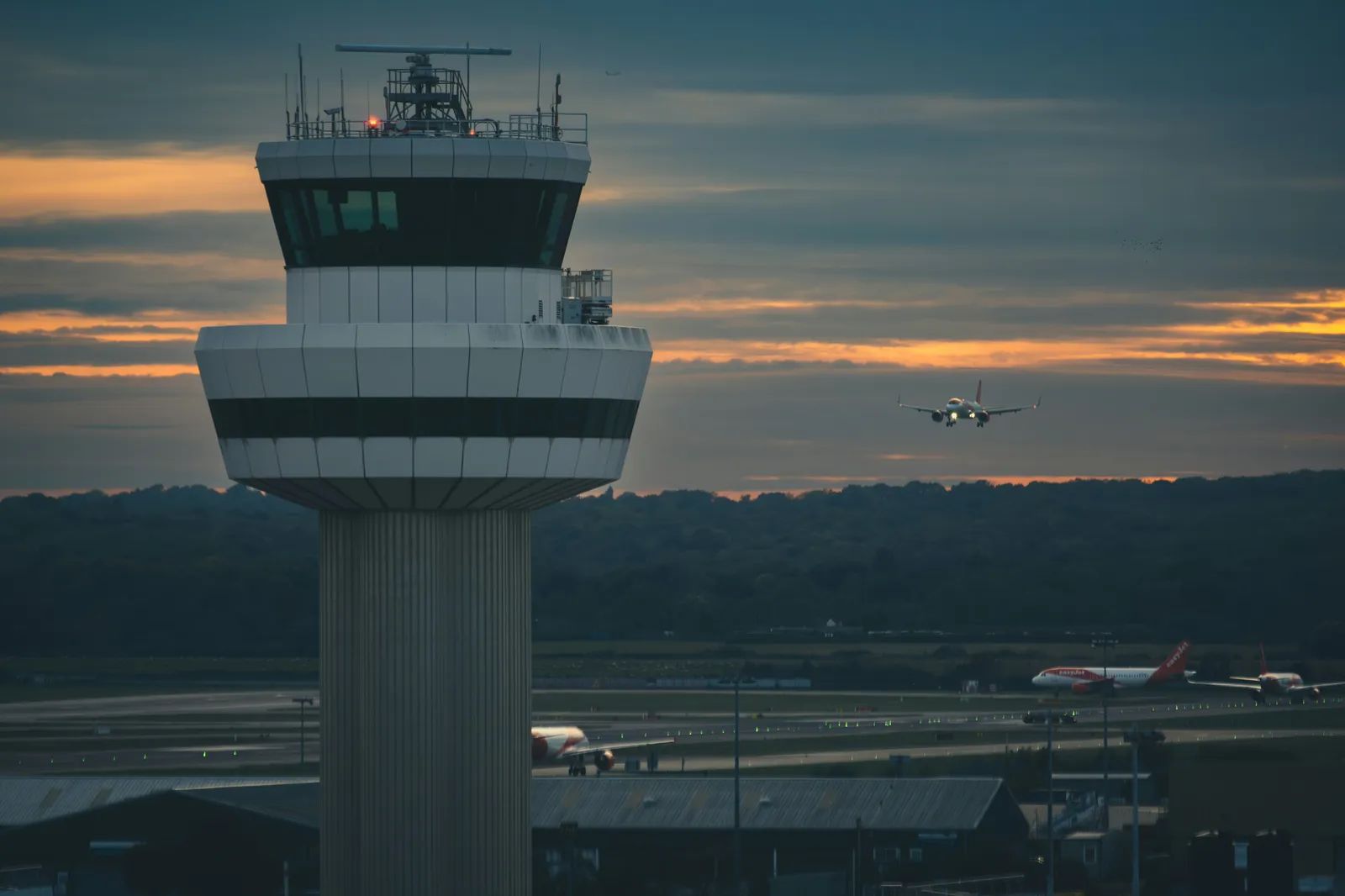
Air traffic controller shortages have produced a wave of sudden ground stops at major US airports this year, turning routine flights into overnight ordeals for passengers who receive little or no help from airlines. The situation stems from staffing shortfalls at key facilities, which force the Federal Aviation Administration to halt departures and arrivals even on clear days. Travelers often discover too late that these disruptions fall outside airline responsibility, leaving them to cover hotels, meals, and alternative transport on their own. One recent case at Denver International illustrated the point when a scheduled evening departure to Kansas City stretched into the early morning hours after a ground stop took effect. ([1])
The Real Trigger Behind Unexpected Ground Stops
Staffing gaps at air traffic control centers directly limit how many aircraft can safely move through busy airspace. When certified controllers fall below required levels, facilities issue ground stops that ripple outward to departure airports across entire regions. These measures prevent overload but create immediate backups that can last for hours. Airports such as Newark, LaGuardia, and Denver have seen repeated instances this summer and into fall. The pattern shows no quick resolution, as training new controllers takes years and current shortages persist. Passengers experience the effects as abrupt gate holds or extended taxi times rather than dramatic weather events.
How Reason Codes Determine Who Pays
Airlines assign delay codes that decide whether compensation applies. An air traffic control code shifts the burden to the traveler, while a crew or maintenance code keeps the carrier responsible for hotels and meals. Department of Transportation rules treat ATC-related delays as outside airline control, so no automatic vouchers follow. Gate agents can provide the code in writing when asked before passengers make other arrangements. Checking this detail early prevents wasted spending on rooms that the airline will not reimburse. The distinction matters most on routes where multiple carriers operate, because rebooking options may exist on a different airline before the original flight is officially canceled.
Smarter Booking Choices Reduce Exposure
Avoiding the final departure bank of the day limits risk at slot-controlled airports. Late flights absorb delays from earlier ground stops, and recovery often pushes them past midnight. Earlier departures sit ahead of the daily congestion cycle and stand a better chance of operating on schedule. Frequency on a route also provides options when one carrier cancels. Checking competing schedules on the same city pair before booking reveals backup flights that may depart the next morning. Travelers who weigh recovery potential alongside price tend to face fewer overnight surprises.
Key Preparations Before Departure
A short list of checks helps travelers respond faster when disruptions occur:
- Obtain the official reason code from the operating airline in writing.
- Confirm whether the ticket allows refunds and in what form they are issued.
- Identify the next available flight on any carrier serving the route.
- Review personal credit card trip-delay benefits that may activate before airline policies.
- Note whether the departure airport operates under slot restrictions that slow recovery.
These steps shift the focus from price alone to resilience. Monitoring ATC staffing reports and weather at the origin airport before selecting a departure time adds another layer of protection on constrained routes. The variable that ultimately matters is whether the airport has a realistic path to clearing its backlog by the scheduled departure. The strain on the national air traffic control system shows no sign of easing soon, yet informed choices still give travelers more control over the outcome.