A decade ago, hardly anyone outside the Balkans could point to Albania on a map. Now retirement forums are full of Americans comparing rental listings in Vlorë to villas in Tuscany, and increasingly, the smaller, cheaper Adriatic country is winning. The reasons are not mysterious once you look at the numbers, but they add up to something more interesting than a simple discount.
A one-year stay that Italy simply doesn’t offer

The starting point for most Americans weighing Albania against Italy is not cost at all. It’s access. Americans can stay in Albania for up to one year without a visa, giving retirees plenty of time to explore cities like Tirana, Sarande, and Vlore before committing to long-term residency. That kind of open-ended trial run has no real Italian equivalent.
Retirees are using that year exactly as intended, as a test drive rather than a leap of faith. American retirees are testing this type of experience, to further decide on the terms of stay, taking advantage of the opportunity to stay up to one year in Albania without a visa or residence permit. Compare that to Italy, where a retiree from the US needs a formal long-stay visa before ever unpacking a suitcase, and the appeal of simply showing up and figuring it out becomes obvious.
The monthly budget gap is not small
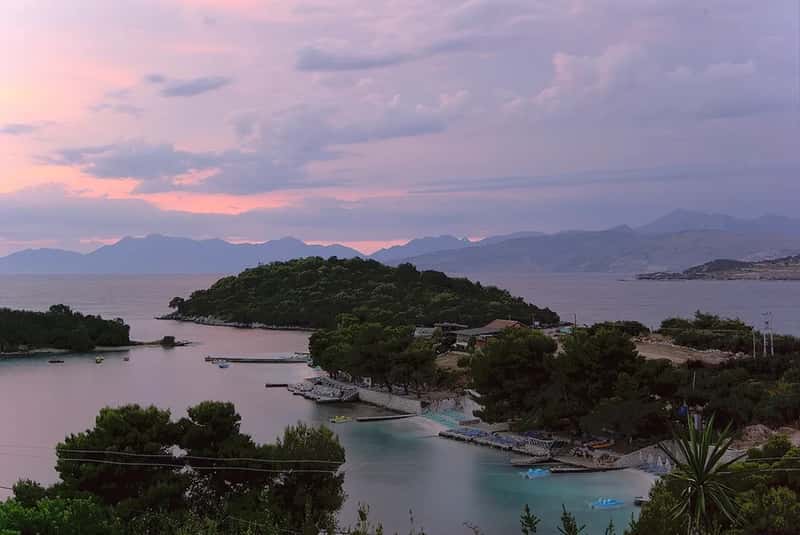
Italy has a reputation for being affordable compared to Western Europe, and in some ways it is. Yet even in the country’s cheaper south, a couple can live comfortably in Southern Italy for EUR 2,000-2,500 a month, according to cost breakdowns for 2026. In Albania’s coastal towns, the same lifestyle costs a fraction of that.
A couple can live well on $1,100 to $1,500 a month in Albania, and outside the capital the number drops further still. In coastal cities like Sarande or Vlore, the same lifestyle costs $900 to $1,200. For someone living on a fixed Social Security check, that gap between a Balkan seaside town and an Italian one is not a rounding error. It’s the difference between stretching a pension and watching it evaporate.
Renting and buying: two very different price tags
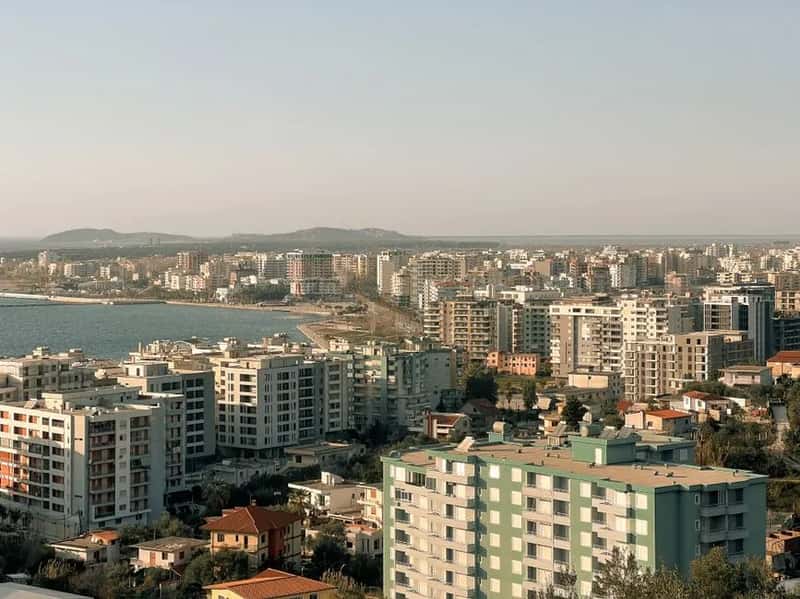
Housing is where the contrast becomes almost impossible to ignore. Forbes recently profiled an American couple who moved to Vlorë and now pay just $1,100 a month for a three-bedroom apartment near the Lungomare Promenade, a seafront walk lined with cafes. A three-bedroom apartment on a comparable Italian coastline would routinely run several times that.
Buying tells a similar story, though Albania’s market is heating up fast. In Vlora, one of the country’s most popular resort towns, you can buy property for €1600 and €2200 per square meter. Meanwhile in Italy, even outside the priciest cities, the average monthly rent for a city center apartment is approximately $1,140.44 in Rome and around $1,529.76 in Milan, figures that reflect just renting, not owning.
Italy’s income requirements shut some retirees out
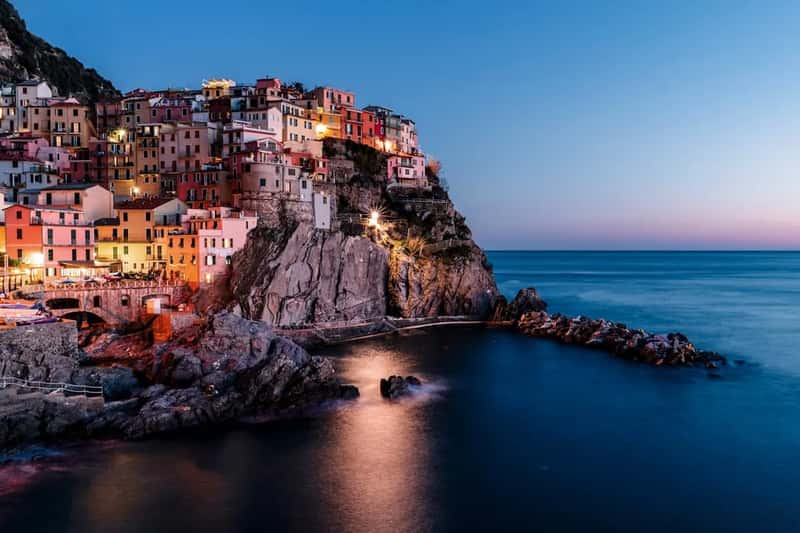
There’s a practical barrier in Italy that rarely makes it into glossy retirement guides. To qualify for the standard retirement visa, the Italian Elective Visa allows you to live in Italy long-term, with the biggest barrier being a yearly passive income requirement of €32,000 per year for a single applicant and €38,000 for a couple. That threshold quietly excludes a large share of American retirees living on modest pensions or Social Security alone.
Albania’s equivalent bar sits dramatically lower. To qualify for a retiree residence permit, proof of an annual pension of at least €11,600 is required, alongside a notarized rental agreement and valid health insurance. For a retiree whose monthly income falls short of Italy’s requirement, Albania simply says yes where Italy says not yet.
Pension taxes tell an even starker story

Albania’s tax treatment of foreign pensions has become one of its biggest selling points, and it’s not just Americans who’ve noticed. By March 2025, the number of Italian retirees living in Albania reached 3,000 from 300 Italian retirees in 2021, an increase influenced by Albania’s fiscal policies for not taxing the pensions of Italian citizens. Italians crossing the Adriatic to escape their own country’s pension taxes is a telling detail, and it applies just as directly to Americans.
The mechanics are straightforward once a retiree holds a proper residence permit. In Albania, foreign pension income from state and private pension schemes is typically tax-exempt for foreign retirees holding residence permits. A pension that gets trimmed by taxes back home, or that would face Italy’s separate tax regime for foreign retirees, often arrives in Albania untouched.
Healthcare costs less, though the tradeoffs are real

Healthcare in Albania won’t match Italy’s renowned public system, and most expats know it going in. What it lacks in polish, it makes up for in price. Private clinics in Tirana provide good routine care at a fraction of U.S. prices, a doctor visit often runs $20 to $40. For anything routine, that’s an easy trade to accept.
For more complicated procedures, the calculus shifts, and many retirees plan around it rather than ignore it. Healthcare is inexpensive by U.S. standards, adequate and getting better, but some patients still prefer to use specialists in Italy or London, and private health insurance is a must. That proximity to Italian hospitals, just a short ferry ride across the Adriatic, is actually part of Albania’s appeal rather than a mark against it.
Same sea, a much smaller price tag
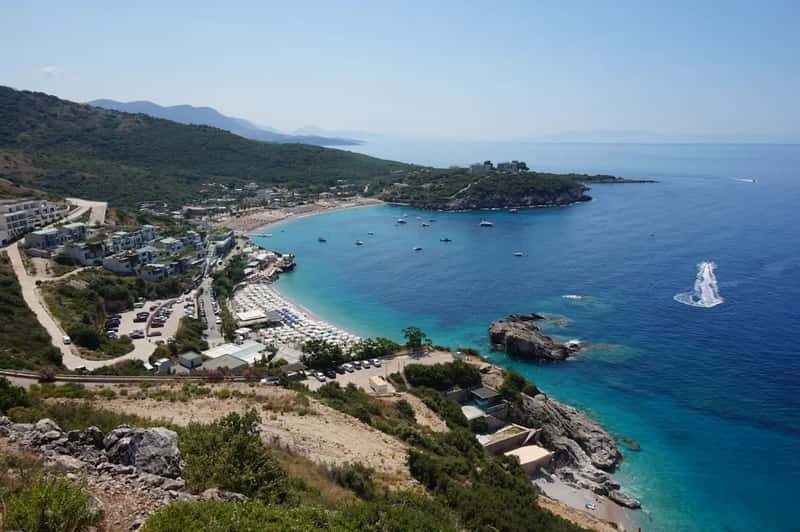
Geographically, Albania and Italy share more than a border across the water. It lines the east side of the Adriatic Sea across from the heel of Italy, and the country has a Mediterranean climate, scenic beaches and mountains, and a cost of living half the U.S. average. Retirees chasing an Italian-style coastal life are discovering they can get nearly the same sunsets for noticeably less money.
Locals and long-term residents describe the daily rhythm as one of the draws in itself, not just an afterthought to the savings. Retirees in coastal towns often describe evening walks along the water as simply part of daily life, unhurried and inexpensive to enjoy. It’s the kind of lifestyle Italy is famous for, available here at a steep discount.
A growing American footprint in Vlorë and beyond

What started as a trickle of curious retirees has turned into a visible trend along the coast. The demand of American retirees to live in the city of Vlora in rental apartments has increased significantly in 2025, a trend that has continued in the first month of 2026. Real estate agents in the area report fielding steady inquiries from Americans who heard about Albania secondhand and decided to see for themselves.
Word of mouth seems to be doing a lot of the work here. One retired American administrator who relocated to Vlorë put it plainly when explaining her decision: she claims that life in the US is many times more expensive compared to Albania, and this is one of the main reasons why she decided to stay for a year in Vlora. Multiply that story by the growing number of similar arrivals, and a genuine community starts to take shape.
What Americans give up by skipping Italy
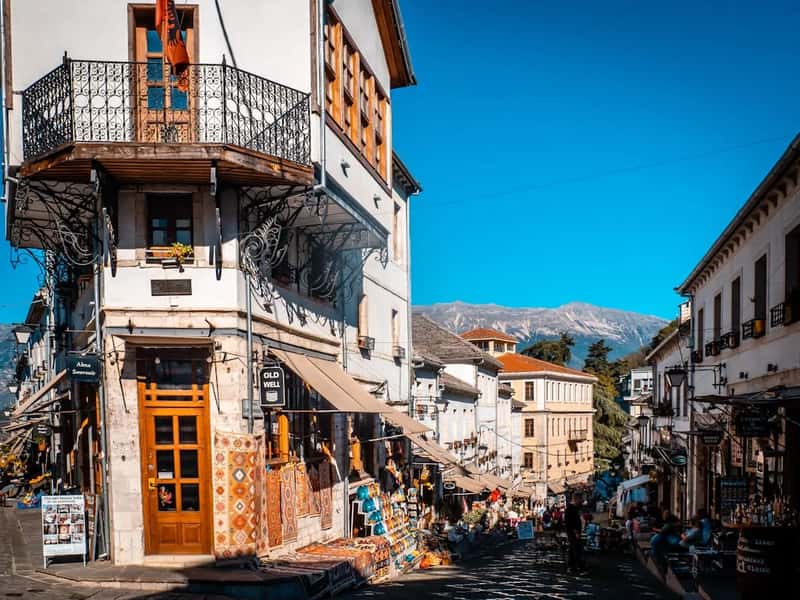
None of this means Albania is simply better in every way, and most people who make the move know it. Italy still offers deeper healthcare infrastructure, denser expat networks built over decades, and a level of polish in its cities that Albania, still developing rapidly, hasn’t fully reached. Sidewalks can be uneven, and some towns have slick marble underfoot, a small but real accessibility concern for older retirees.
Language is another adjustment. English is spoken, particularly by younger Albanians, but not everywhere, and Albanian, which has 36 letters, can be difficult to learn. For retirees who value cultural depth, museums, and centuries of refined infrastructure over pure affordability, Italy still makes a strong case for itself.