I used to recommend Amsterdam without hesitation. Canals, cheese shops, a bike culture that actually works, museums that punch above their weight. But somewhere between the last two planning trips I actually booked and the ones I quietly canceled, the math on this city changed in ways that go beyond the usual “it’s gotten more expensive” complaint every traveler makes about every popular place.
What follows isn’t a rant. It’s a rundown of what’s actually happening in Amsterdam right now, in 2026, based on the city’s own policy documents, court filings, and reporting from Dutch outlets that cover this stuff closely. Some of it might not matter to you at all. Some of it probably will.
The tax bill just got a lot heavier
Starting January 1, 2026, the Dutch national VAT rate on hotel accommodation jumped from 9 percent to 21 percent, a change that applies across the country but hits hardest in a city that already charges the steepest local tourist tax in Europe.
It doesn’t stop there. Following a new coalition agreement, the drastic tax hike is a centerpiece of the local government’s strategy to curb overtourism, close budget deficits, and shift city funding burdens away from local residents.[2] When combining the national 21% VAT and the local 20% tourist tax, the total tax burden on an Amsterdam hotel room will reach 41% by 2031, and for an average €200 a night room, visitors will pay over €80 in taxes alone.[2] That’s not a rounding error on a travel budget. That’s a second flight somewhere else.
The crowds haven’t actually gone away
For years, city officials talked about capping tourism at a manageable level. The number they landed on was 20 million overnight stays a year, a figure that sounded reasonable on paper and has been blown past every year since. According to municipal figures, the city recorded 22.9 million overnight stays in 2024, a 3% increase compared with the previous year.[3]
The trend line hasn’t reversed since. According to one local entrepreneur tracking the numbers, Amsterdam is on track for 25 million overnight stays this year.[4] Add day-trippers to that and the picture gets even more crowded, since Amsterdam had 23 million tourist overnight stays in 2024, while there were 14 million day-trip tourists in the city[5] on top of that. Whatever “balance” the city claims to be chasing, the arrival numbers keep moving in the opposite direction.
Hotels are frozen, but prices aren’t

You’d think fewer new hotels would mean fewer tourists. In practice it’s meant something closer to a supply squeeze. The city’s “bed stop” goes beyond blocking new hotels, also preventing existing hotels from expanding or adding extra beds and rooms, so the total number of hotel beds in Amsterdam is now capped at its current level.[1]
Hoteliers, predictably, found workarounds, which the city then shut down too. With construction of new hotels already stopped, many operators had resorted to adding sleeping pods or bunk beds into existing rooms during renovations, but now the city has prohibited adding extra sleeping places “with immediate effect.”[6] Fewer beds, rising taxes, and steady demand is not a combination that tends to produce lower prices for the traveler stuck booking a room.
The Red Light District feels more like a checkpoint
De Wallen used to be the neighborhood you wandered into almost by accident, curious and a little disoriented. Now it comes with a rulebook. Since May 2023, smoking weed has been banned in De Wallen, Dam Square, Damrak, and Nieuwmarkt, with fines of €100 applying[7] to anyone caught lighting up on the street rather than inside a licensed coffeeshop.
Enforcement has only tightened since. Shorter-term changes already in force for 2026 include the public cannabis smoking ban, tighter tour group caps, mandatory 01:00 closing for some alcohol-serving businesses in the 1012 zone, and expanded patrols on Friday and Saturday.[8] It’s not that the neighborhood has lost its edge exactly. It’s that the edge now comes with signage, fines, and street hosts reminding you of the rules, which changes the texture of the experience whether you break a rule or not.
Cruise ships are being pushed out, slowly but deliberately

If you were hoping to see Amsterdam as part of a river or sea cruise, that window is closing too, literally. The city plans to limit cruise ships in its harbor to just 100 in 2026, down from 190 currently, before banning them outright by 2035.[9]
The city has been explicit about why. It’s part of a raft of measures meant to put a lid on tourism and, in the council’s own words, “to counteract nuisance.”[9] By 2035, the terminal that currently sits in the city center won’t be there at all, and by then this will just be one more piece of a much longer pattern of the city actively redesigning itself around fewer visitors, not more.
Locals are openly telling certain visitors to stay away
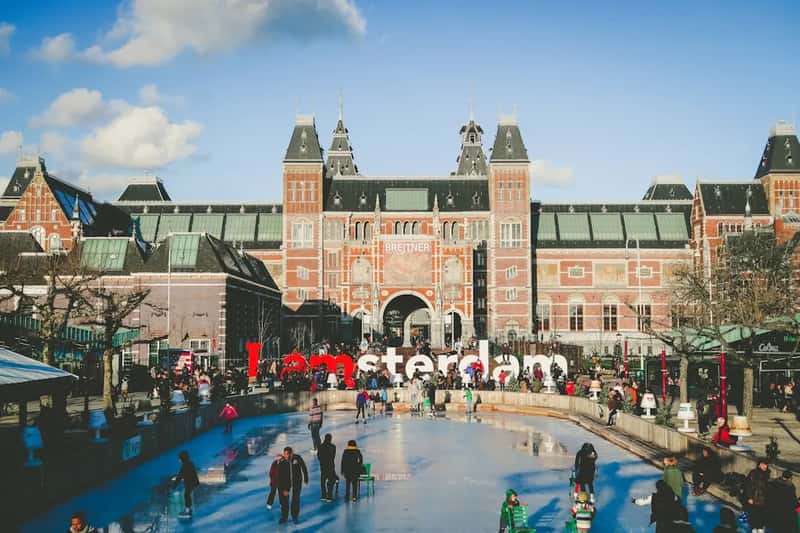
Some cities try subtlety. Amsterdam skipped that step. As overtourism threatens to overwhelm the city, officials have run what they themselves call a “discouragement campaign,” actively telling certain travelers not to visit.[10]
The targeting has been specific rather than vague. The campaign specifically targets British men aged between 18 and 35 who plan to travel to the city to drink and take drugs.[10] It’s a narrow slice of the visitor pool, sure, but the underlying message extends outward: this city has decided certain kinds of tourism, and by extension certain tourists, aren’t wanted, and it’s willing to say so in ad campaigns rather than just policy documents.
The lawsuit shows even the city doesn’t trust its own promises
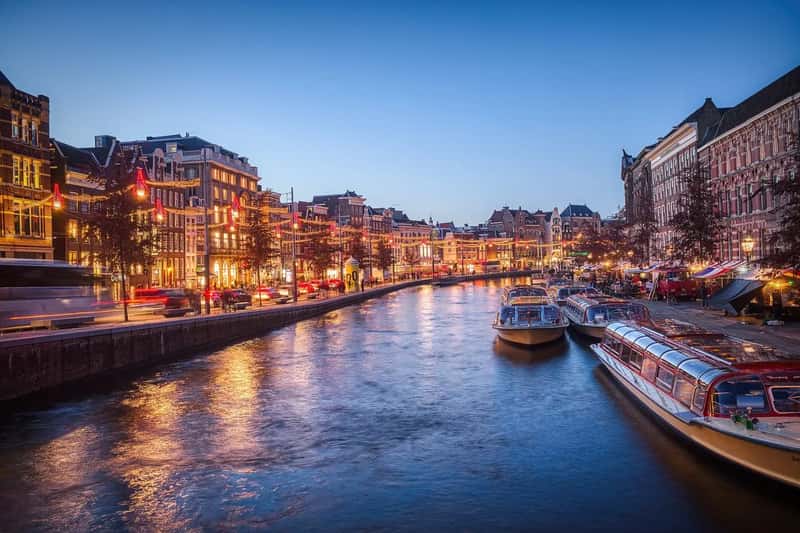
Here’s the part that genuinely surprised me. For years, Amsterdam told residents it was working toward that 20 million overnight stay cap as a real, binding commitment. Then, when a resident group sued to actually enforce it, the city’s own lawyers argued the opposite in court. In a written defense, the municipality argued that its “Tourism in Balance” ordinance does not create enforceable rights for residents or business owners, and that the regulation “does not work externally” and contains “no enforceable norm.”[11]
That reversal didn’t go unnoticed locally. One entrepreneur backing the lawsuit said publicly that the city arguing its promised limit was just an “ambition” rather than a binding target shows that promises made to residents are legally worthless.[4] If the city that sets these rules doesn’t believe its own numbers are enforceable, it’s hard for a visitor to take the “sustainable tourism” branding at face value either.
The neighborhood you came to see is disappearing under its own popularity
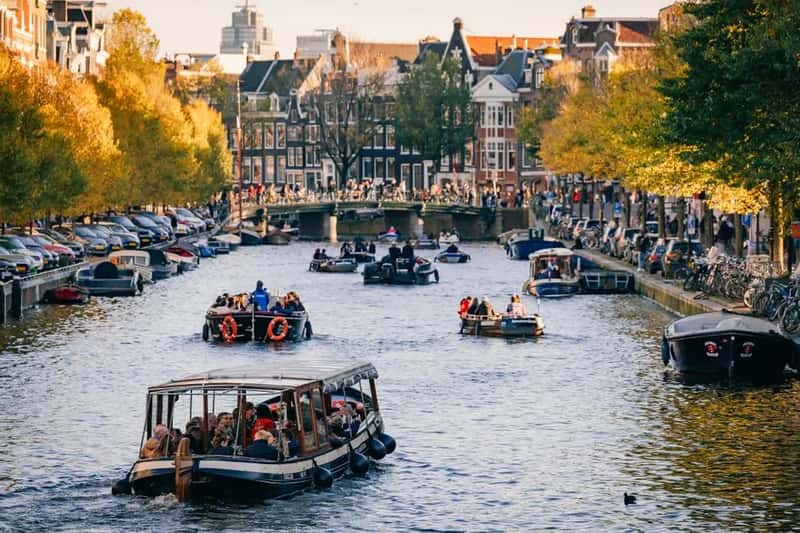
Part of what draws people to Amsterdam is the sense of a lived-in city, not a theme park version of one. That’s getting harder to find in the center. Some 22 million visitors come to the city each year to experience the mix of canals and museums and nightlife, while only about 80,000 people actually live in the city centre, an imbalance that has caused discontent for years.[12]
The knock-on effects show up in ordinary daily life. Bakers, small specialist shops and GP practices are becoming scarcer due to high rents in the city centre, and it’s now a challenge for residents to even visit places like the Anne Frank House because tickets are bought up by tour operators.[12] A survey backs up how residents feel about it too, since an overwhelming 82 percent of people living in Amsterdam believe that tourism continues to pose significant problems for the city’s residents.[13] When the people who live somewhere start avoiding their own downtown, that tells you something about what a visit there is actually like now.
Final thoughts
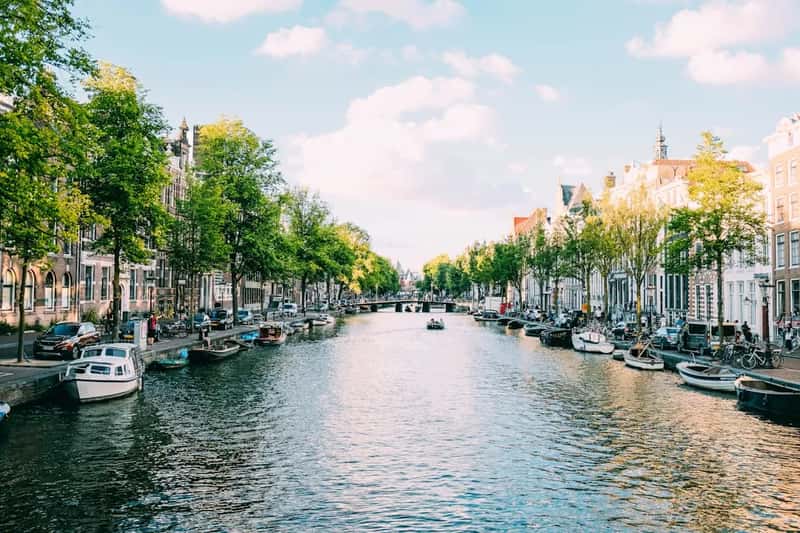
None of this means Amsterdam has stopped being beautiful. The canals are still there, the museums are still excellent, and plenty of visitors will have a lovely week regardless of tax percentages or hotel bed caps. But the city itself, through its own policies, lawsuits, and public campaigns, is telling a pretty consistent story: it has more visitors than it wants, it’s raising the cost of coming, and it’s actively trying to thin out the crowd rather than welcome it.
For me, that’s enough to move Amsterdam down the list, at least for now, in favor of places that still seem glad you showed up. Your mileage may vary, and if the canals and the coffeeshops are worth the extra taxes and the tighter rules to you, that’s a completely reasonable call. Just go in knowing what you’re actually walking into these days, because it’s a different city than the one in most of the postcards.