Walk through any international airport, and you’re likely bombarded by gleaming duty-free shops promising tax-free bargains on everything from perfume to whiskey. The displays are pristine, the lighting flattering, the promise alluring. Yet here’s the thing most travelers don’t realize until it’s too late: that “deal” you’re eyeing might actually cost you more than buying the same item at your neighborhood store or online. Let’s be real, the duty-free mystique has been overselling itself for decades.
In 2024, average traveler spending at duty-free dropped to fifteen dollars, well below the twenty-four dollars spent in 2019, while global duty-free sales reached roughly seventy-four billion dollars last year—marking a painful drop of about thirteen percent compared to earlier highs. So why are people spending less? Maybe they’re finally catching on.
The Perfume Counter Paradox

Perfume and cosmetics dominate duty-free shops, accounting for roughly thirty-eight percent of total duty-free spending. Walk past those fragrance counters, and you’ll see rows of Chanel, Dior, and YSL bottles bathed in flattering light. Seems like a steal, right?
Not so fast. A bottle of Dolce & Gabbana K Eau De Toilette costs seventy-five dollars at Sanford Duty Free, but only about thirty-seven dollars for a comparable bottle at Fragrancenet.com. That’s essentially double the price. Meanwhile, perfume represents one of the worst deals at duty-free, with prices sometimes ninety percent higher than retail – for instance, a 100mL bottle of Calvin Klein Obsessed Eau de Parfum sells duty-free for roughly eighty-seven dollars, reflecting a markup of about one hundred sixty percent compared to the thirty-three dollars you’d pay at an average retail store.
I know it sounds crazy, but even a quick online search before your trip can save you serious money. The duty-free markup on fragrances can be staggering, and honestly, your local department store sale will almost always beat airport prices.
The Chocolate Trap

Those giant Toblerone bars stacked near the checkout look tempting. After all, who doesn’t want Swiss chocolate as a souvenir? The problem is you’re paying a premium for convenience and branding.
Airport chocolate comes with roughly a forty-two percent average markup – for example, you can score a Snickers Mini Pouch for about five seventy at Target versus a wild fourteen fifty at duty-free, representing a markup of approximately one hundred sixty-three percent. A 360-gram package of Toblerone costs an average of roughly eleven euros in duty-free shops, making it actually cheaper to buy Swiss chocolate in retail stores.
Travel experts consistently warn that sweets and snacks are usually the worst deal at duty-free shops. Pack your own snacks or grab them before security instead.
Alcohol: Sometimes a Deal, Often Not
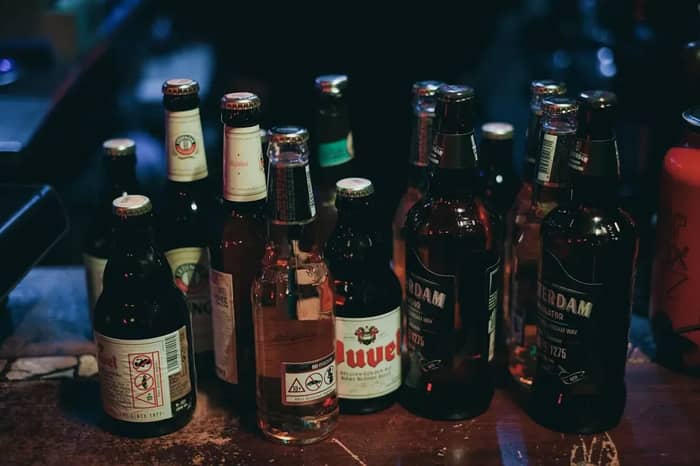
Here’s where things get interesting. Alcohol can be a legitimate duty-free bargain – but only in specific situations and airports. The consensus is that heavily taxed items such as cigarettes and alcohol bring the highest level of savings.
In 2023, Jameson or Bushmills typically cost twenty to twenty-two euros in Greek grocery stores, yet at duty-free, the one-liter size runs roughly thirty to thirty-two euros, making it a wash at best. Meanwhile, at duty-free, a 750ml bottle of Milagro Select Barrel silver tequila costs fifty-six dollars, reposado sixty-three dollars, and añejo a hefty eighty-eight dollars, but at a Florida liquor store, the prices were thirty-seven, forty-three, and sixty dollars, respectively.
Yet the story changes depending on location. In some countries, tobacco is heavily taxed, so purchasing cigarettes at an airport duty-free can be one of the best deals, though many Greek airports, like Santorini and Athens, are among the most expensive places to buy liquor, with an Athens liquor store selling Bacardi rum for about seven percent less than airport duty-free.
Electronics and Accessories: Just Don’t

Cameras, watches, and other electronics are almost always cheaper online via sites like Amazon, Best Buy, Costco, or Walmart than at any duty-free shop. That’s not an exaggeration. Airport electronics are marked up significantly to capitalize on forgetful travelers.
Forgot your phone charger? The airport convenience store will charge you double or triple what you’d pay elsewhere. A Michael Kors watch in rose gold sells for three hundred fifty-four dollars at Santiago Duty Free, but just one hundred fifty-four dollars on Jomashop. The lesson? Always pack your tech essentials and double-check before leaving home.
Some items tend to be overpriced in airports, particularly leather goods, sunglasses, and sometimes fine watches, with savings from avoiding taxes potentially wiped out by higher base prices. It’s hard to say for sure, but airport retailers seem to count on travelers’ urgency rather than offering genuine value.
What Should You Actually Buy Duty-Free?
So if most duty-free is a rip-off, what’s worth buying? The answer depends on where you’re flying and what you’re purchasing. Heavily taxed items such as cigarettes and alcohol bring the highest savings, and the airport can also be a great place to buy luxury items and designer goods.
One of the best ways to find a bargain is shopping for luxury goods made in that country, such as Dolce & Gabbana in Italy, because it’s generally best to buy from brands made in that country due to the cost of import. Think French wine in Paris, Scotch in Scotland, or tequila in Mexico.
According to Forbes, you can find the best prices for liquor at Caribbean airports and for cosmetics and fragrances at European airports, with the least expensive duty-free goods overall found in Kuala Lumpur, Malaysia. Location matters enormously.
The other smart move? Do your research – airport duty-free shops often post their prices online, so you can compare them with local prices before making a purchase, helping you avoid overpaying and ensuring you’re actually getting a deal. It takes just minutes but can save you plenty.
Smart Alternatives to Airport Shopping
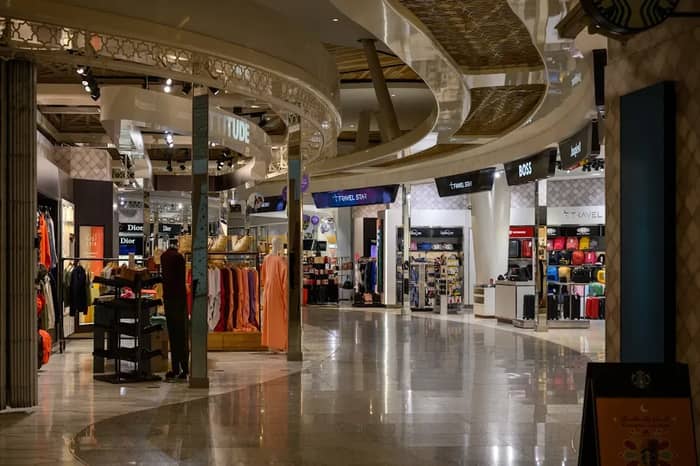
Experts suggest buying standard items at department stores for comparable prices, which can be even lower during sales season, while encouraging travelers to explore regional markets, boutiques, and shopping districts instead, as they often provide a more diverse and authentic shopping experience with unique products, local craftsmanship, and better prices compared with duty-free shops.
Before you even get to the airport, plan. Pack snacks, download entertainment, and bring your own reusable water bottle to fill after security. Food prices at airports typically cost about ten percent more than street prices, so every item you bring from home saves cash.
If you absolutely need something at the airport, compare prices between terminals. Different companies manage duty-free stores in each terminal at airports like JFK and Newark, leading to varying prices for the exact same products in different terminals.
The duty-free illusion has persisted for decades, but savvy travelers are finally waking up to the reality. Those gleaming shops with their carefully curated displays aren’t always offering the bargains they promise. With a bit of planning and some quick online research, you can avoid the airport shopping traps and save your money for experiences that actually matter at your destination. Did you expect that duty-free could cost you more? What’s been your experience with airport shopping?