Cancún used to be the default answer when Americans thought about beach vacations. You know the drill: turquoise water, all-inclusive resorts, easy flights from most major US cities. For decades, it was the go-to spot for spring breakers, honeymooners, and families looking for a reliable tropical escape. But lately, something’s shifted. More and more travelers who used to book Cancún year after year are looking elsewhere, and the numbers back it up.
If you’ve been to Cancún recently, you might’ve noticed it yourself. The crowds feel different. The vibe has changed. What was once a laid-back paradise now feels more like a crowded theme park in some areas. Let’s dig into what’s really going on and why so many American visitors are crossing Cancún off their lists.
The Sargassum Seaweed Crisis Has Become Unbearable
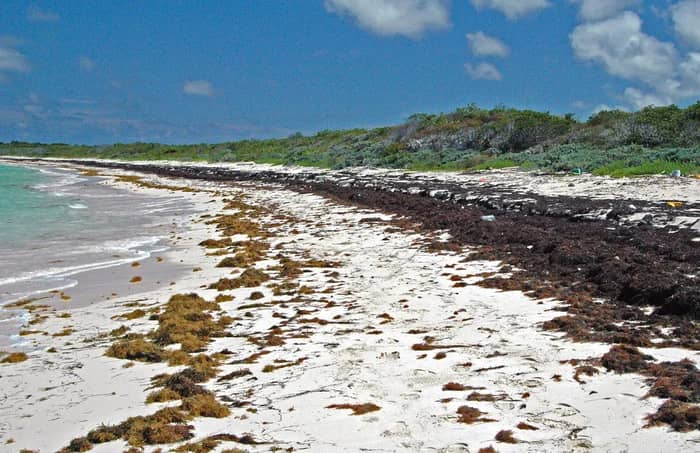
Here’s the thing: nobody wants to wade through piles of rotting seaweed on their dream vacation. The sargassum problem in Cancún has gone from an occasional nuisance to a full-blown environmental issue that directly impacts the experience. Starting around 2011, massive blooms of this brownish seaweed began washing up on Caribbean shores, and Cancún got hit particularly hard.
The smell alone is enough to ruin a beach day. When sargassum decomposes, it releases hydrogen sulfide, which smells like rotten eggs. Some stretches of beach are completely unusable during peak seaweed season, typically from April through August. Resorts spend millions trying to clear it, but it keeps coming back.
What really gets people is the unpredictability. You can’t plan around it. One week the beach looks pristine, the next it’s buried under seaweed. For repeat visitors who remember crystal-clear shores, this feels like a betrayal. Many have decided it’s just not worth the gamble anymore.
Safety Concerns Have Escalated Beyond Tourist Zones
Let’s be real, safety worries are a major factor. While the Hotel Zone generally remains protected, incidents have increased in recent years. Cartel-related violence in the broader Quintana Roo region has occasionally spilled over into tourist areas, and that’s left many Americans uneasy.
In 2021 and 2022, several high-profile incidents made international headlines. Shootings at beach clubs and restaurants, even in supposedly secure tourist zones, shattered the illusion of complete safety. The State Department hasn’t issued blanket warnings against Cancún specifically, but advisories about exercising increased caution throughout Mexico have made families think twice.
Social media amplifies every incident instantly. One shooting video goes viral, and suddenly your aunt is texting you asking if you’re sure about that Cancún trip. Fair or not, perception matters enormously in tourism. When travelers feel genuinely worried about their safety, they’ll find somewhere else to spend their money. Places like Turks and Caicos or the Dominican Republic suddenly seem more appealing.
Prices Have Skyrocketed While Quality Has Declined

Remember when Cancún was the affordable Caribbean option? Those days are long gone. Resort prices have climbed dramatically, but the experience hasn’t kept pace. Many all-inclusive properties that were renovated in the 2000s are now showing their age, yet they’re charging premium rates.
A week at a decent all-inclusive resort that might’ve cost fifteen hundred dollars per person five years ago now easily runs over two thousand. Food quality at many all-inclusives has noticeably declined. The buffets serve increasingly generic, mass-produced meals. Watered-down drinks have become the norm rather than the exception.
What frustrates repeat visitors most is paying more for less. When you’ve been somewhere multiple times, you notice the small cuts. Fewer staff members. Cheaper amenities. Less attention to detail. Meanwhile, destinations like Colombia, Costa Rica, or even Greece offer comparable or better experiences at similar or lower price points. Travelers are doing the math and realizing Cancún isn’t the value it once was.
Overdevelopment Has Destroyed the Paradise Feeling

Cancún has been absolutely consumed by construction. Cranes dominate the skyline. New high-rise condos and mega-resorts sprout up constantly, blocking ocean views and creating a concrete jungle atmosphere. The Hotel Zone, once a relatively spacious string of resorts along the beach, now feels suffocatingly dense.
Traffic has become nightmarish. What used to be a quick ten-minute drive between resorts can now take forty-five minutes during peak times. The infrastructure simply hasn’t kept pace with the breakneck development. Roads are congested. Public services are stretched thin.
For visitors seeking that tropical escape feeling, Cancún increasingly fails to deliver. It feels more like Miami Beach than a Mexican paradise. The magic of discovering a relatively untouched destination is completely gone. Longtime visitors mourn what Cancún used to be while acknowledging it’s probably never going back.
Better Alternatives Are Just as Easy to Reach

Part of Cancún’s original appeal was convenience. Direct flights from most US cities made it incredibly accessible. But here’s what’s changed: airlines have expanded routes dramatically to other Caribbean and Latin American destinations. You can now fly direct to places that once required connections.
Tulum, despite its own overtourism issues, offers a more bohemian vibe that many travelers prefer. The Riviera Maya towns like Puerto Morelos or Akumal provide quieter alternatives without sacrificing beach quality. Looking beyond Mexico entirely, Aruba and Curaçao have excellent flight connections and don’t deal with sargassum nearly as much.
Costa Rica has positioned itself brilliantly as the eco-conscious alternative, with just as many direct flights from US hubs. Travelers who want adventure alongside beaches find it more appealing than Cancún’s resort-heavy setup. The competitive advantage Cancún once had in accessibility has essentially evaporated.
The Spring Break Reputation Has Become a Turnoff

Cancún’s identity crisis centers partly around its spring break association. Yes, spring break brings massive revenue, but it also creates a lasting image problem. Families with young children actively avoid March and early April because nobody wants their seven-year-old exposed to that scene.
But the reputation extends beyond those specific weeks. Cancún carries a party-town stigma that makes it less attractive to travelers seeking authentic cultural experiences or romantic getaways. It’s seen as somewhat lowbrow compared to European beach destinations or even other Mexican locations like San Miguel de Allende or Oaxaca.
Couples celebrating anniversaries or looking for sophisticated escapes increasingly skip Cancún entirely. The city has struggled to rebrand itself beyond the spring break capital image, and that narrow association costs it significant repeat business from demographics with higher spending power.
Environmental Degradation Is Becoming Impossible to Ignore

Cancún’s environmental problems extend far beyond sargassum. Coral reefs that were vibrant twenty years ago are now bleached and dying. Snorkeling trips that once revealed underwater wonderlands now show depressing stretches of dead coral. Overfishing has depleted marine life in areas once teeming with tropical fish.
Pollution from inadequate sewage treatment affects water quality in some areas. The mangroves that once protected coastlines and provided habitat have been destroyed to make room for more development. Wildlife that was common even a decade ago has largely disappeared from tourist zones.
Environmentally conscious travelers, an increasingly large demographic, are choosing destinations with better conservation track records. When you’re paying premium prices for a beach vacation, you expect the environment to be pristine. Cancún can’t deliver that promise anymore. The ecological damage is visible and disturbing for anyone paying attention.
Local Culture Has Been Almost Completely Erased

Here’s something that bothers repeat visitors more than they initially expected: Cancún has lost almost all authentic Mexican character. The Hotel Zone could honestly be anywhere. Chain restaurants dominate. You’ll find more Starbucks and Señor Frogs than genuine local eateries.
Travelers interested in Mexican culture, cuisine, and traditions find very little to connect with in modern Cancún. The experience feels manufactured and sterile. Sure, resorts might offer “Mexican nights” with staged entertainment, but that’s not what culturally curious travelers want.
Compare this to places like Puerto Vallarta or even Playa del Carmen, which maintain more authentic local flavor despite tourism. People crave genuine experiences, not theme park versions of Mexico. When visitors can get better Mexican food in their hometown than in Cancún, something has gone seriously wrong. The cultural vacuum leaves many feeling like they wasted an opportunity to experience something real.
Service Quality Has Noticeably Declined

Staff shortages and high turnover at resorts have led to inconsistent service that frustrates guests who remember better times. Many resorts are understaffed, leading to long waits at restaurants, difficulty getting towels or other basic amenities, and generally inattentive service.
The warmth and hospitality that Mexican tourism was famous for seems to have been replaced by exhausted workers managing impossible workloads. It’s not the employees’ fault; they’re doing their best under challenging conditions. But the guest experience suffers regardless of who’s to blame.
Language barriers have also increased as resorts hire less experienced staff. Miscommunications about reservations, dietary restrictions, or basic requests happen more frequently. For luxury travelers especially, this represents an unacceptable decline in standards. They’re paying top dollar and expecting flawless service. When Cancún can’t deliver, they take their business elsewhere.
Hurricane Damage and Climate Change Have Created Uncertainty
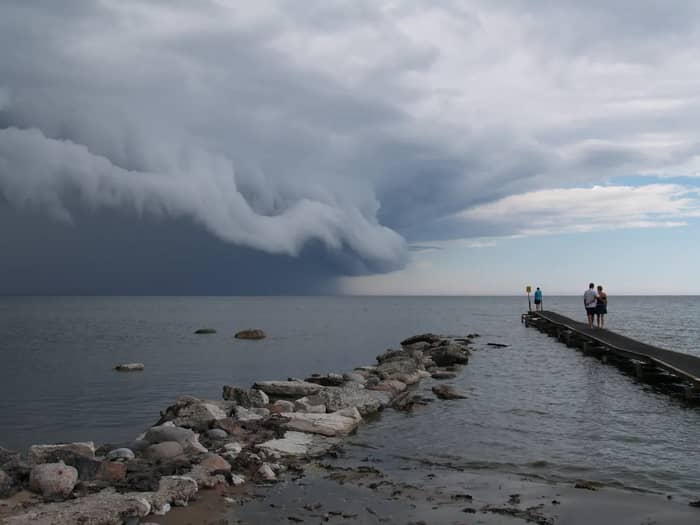
Hurricane season brings a level of anxiety that didn’t exist decades ago. Climate change has made storms more intense and unpredictable. Hurricanes like Wilma in 2005 and Delta in 2020 caused massive damage, and recovery takes years, not months.
Beach erosion from stronger storms has permanently changed some coastlines. Resorts spend fortunes trucking in sand to rebuild beaches, only to lose it again in the next big storm. This creates an unsettling impermanence to the landscape.
Travelers booking months in advance face genuine uncertainty about conditions when they arrive. Will the beach be there? Will their resort still be under renovation from the last storm? Insurance and cancellation policies have become more complex and expensive. The hassle factor alone drives some repeat visitors to choose destinations with less weather volatility.
The Peso Exchange Rate Advantage Has Diminished

For years, a favorable exchange rate made Mexico an incredible bargain for Americans. Even as prices rose in peso terms, the dollar’s strength kept costs reasonable. That advantage has shrunk considerably in recent years, especially at tourist-oriented businesses that increasingly price in dollars.
Many Cancún establishments now list prices directly in US dollars, eliminating any exchange rate benefit. Restaurants, tours, and shops in the Hotel Zone charge what they’d charge in Miami or Los Angeles. The financial incentive to choose Mexico over domestic destinations or other international options has largely evaporated.
Budget-conscious travelers who stretched their dollars further in Cancún now find better value elsewhere. Southeast Asian destinations, despite longer flights, offer a better bang for your buck dramatically. Even Caribbean islands, once considered expensive, sometimes undercut Cancún’s inflated prices. When the cost advantage disappears, so does a major reason for choosing Cancún.
Alternative Mexican Destinations Offer Better Experiences
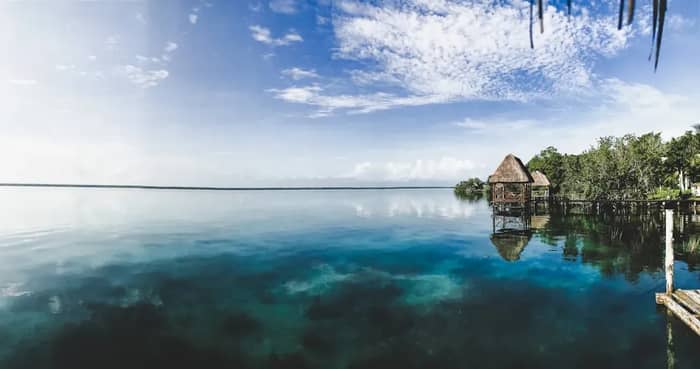
Mexico has so much to offer beyond Cancún, and travelers are finally discovering that. Puerto Escondido on the Pacific coast delivers incredible surf, laid-back vibes, and far fewer crowds. The Yucatán’s colonial cities, like Mérida, provide rich cultural experiences that Cancún can’t match.
Even within the Caribbean side of Mexico, options like Bacalar, with its stunning lagoon or the Mahahual coast offer more authentic, less commercialized experiences. These destinations attract visitors who might have defaulted to Cancún in the past but now seek something different.
Los Cabos has successfully positioned itself as the upscale alternative for travelers wanting resort amenities with better food, design, and service. The Riviera Nayarit near Puerto Vallarta appeals to those wanting Pacific beaches without Cancún’s overwhelming development. Mexico’s tourism landscape has diversified dramatically, and Cancún is losing market share to these emerging destinations.
Scams and Harassment Have Increased
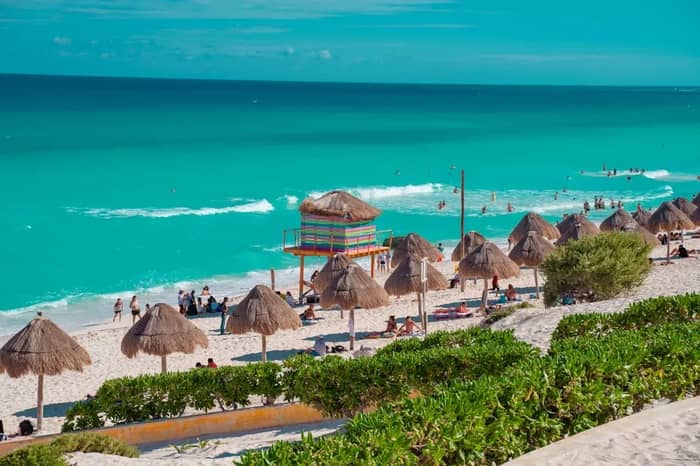
Timeshare salespeople in Cancún have become legendarily aggressive, and it’s reached a breaking point for many visitors. The tactics have intensified to the point where simply walking through certain areas requires constantly declining pushy pitches. What should be a relaxing vacation becomes an exhausting game of avoidance.
Taxi scams, particularly at the airport and in downtown areas, have become more brazen. Stories of wildly inflated fares or drivers taking unnecessarily long routes circulate widely on travel forums. The absence of ride-sharing services like Uber in much of Cancún eliminates competitive pressure that might keep taxi operators honest.
Restaurant and bar scams have also proliferated. Padded bills, unexpected charges, and credit card fraud occur frequently enough that travelers need to vigilantly check every receipt. This constant vigilance is exhausting. Nobody wants to spend their vacation being suspicious of everyone they interact with. Destinations where tourists feel genuinely welcomed and treated fairly have a massive advantage.
What Cancún Would Need to Change

Fixing Cancún’s problems would require enormous investment and political will. Infrastructure improvements are desperately needed. Better roads, improved public transportation, and upgraded wastewater treatment would address some basic issues. But infrastructure alone won’t solve the deeper problems.
Environmental restoration needs to become a genuine priority rather than an afterthought. Coral reef restoration projects, mangrove protection, and sustainable development practices could help reverse some damage. The sargassum problem likely requires regional cooperation and innovative solutions that don’t yet exist at scale.
Perhaps most importantly, Cancún needs to decide what kind of destination it wants to be. The current approach of trying to be everything to everyone leads to mediocrity. Focusing on quality over quantity, authentic experiences over manufactured attractions, and sustainable practices over short-term profits would require a fundamental shift in priorities. Whether the political and economic forces controlling Cancún’s development would accept such changes remains extremely doubtful.
The Verdict on Cancún’s Future
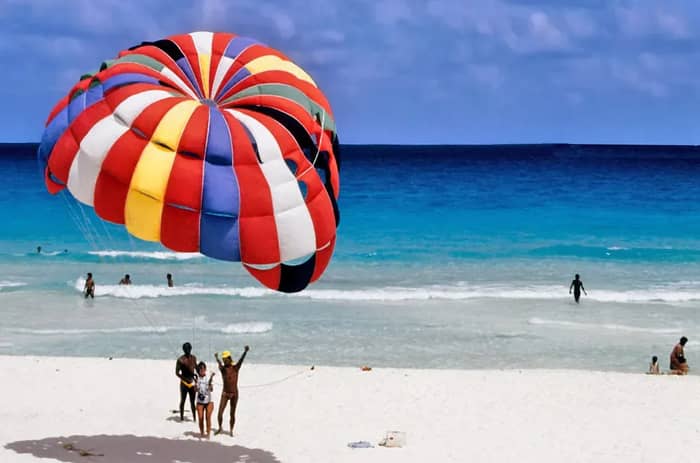
Cancún isn’t disappearing from the tourism map anytime soon. It still attracts millions of visitors annually, particularly first-time travelers and those seeking familiar, predictable vacation experiences. But its era of dominance as the default American beach destination is clearly ending. The repeat visitor market, which provides stability and word-of-mouth marketing, is evaporating.
The question isn’t whether Cancún will survive. It will. The question is whether it can evolve beyond its current trajectory or if it’s destined to become a cautionary tale of overdevelopment and short-sighted tourism policy. Other destinations have successfully reinvented themselves after hitting rock bottom. Miami Beach transformed from spring break central to a sophisticated destination. Barcelona addressed overtourism with meaningful reforms.
Cancún could theoretically do the same, but the economic incentives all push toward more of the same development patterns that created current problems. For American travelers who loved what Cancún once was, the best advice might be to cherish those memories and explore the incredible alternatives that exist throughout Mexico and the Caribbean. The Cancún you remember probably isn’t coming back.
Have you noticed these changes in Cancún, or do you still think it’s worth visiting? Share your thoughts in the comments.