Ask any remote worker who has spent a season in Canggu, and you will likely hear the same complaint before you even ask the question. The traffic. The rising rents. The sense that the island everyone once described as untouched paradise now feels like a permanent construction site with excellent coffee.
Yet just across a narrow strait, a quieter alternative has been picking up steam. It is not a secret exactly, more like an open one that word of mouth has been spreading slowly among people who work from laptops and no longer want to fight for a seat in a crowded coworking space.
Bali’s cracks are becoming harder to ignore

Bali’s reputation as the world’s digital nomad capital was earned honestly, but the island’s own popularity has started working against it. A comparative travel analysis found that Bali takes hits on overtourism and scores the worst rating in its database for traffic, a two out of ten, alongside a growing sense that the island has been “Instagrammed into submission.” Locals and long-timers alike have watched quiet corners turn into strip malls of smoothie bowls and scooter rental shops.
Cost has followed the same trajectory as the crowds. One 2026 cost of living breakdown noted that rent in Canggu climbed 18 percent year-on-year and villa owners began demanding two-month deposits instead of one. Another guide bluntly put it that the ultra-cheap Bali of 2015 is gone, with the post-pandemic version being more expensive and more developed, even if it is still considered decent value by people who stay a while.
Lombok has been waiting in the wings
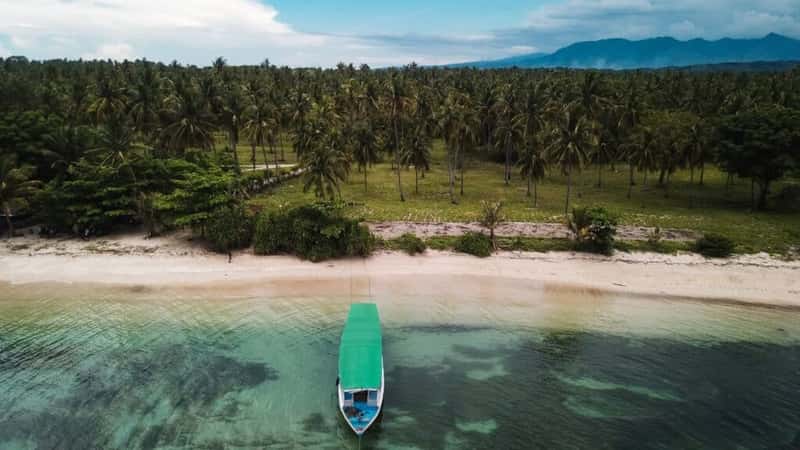
Lombok sits directly east of Bali, separated by a strait that a fast boat crosses in under an hour. It shares the same tropical climate, the same volcanic backbone, and even a beach town confusingly also named Kuta, but the atmosphere could not be more different. One independent comparison actually gave Lombok a higher overall score than Bali, 7.5 against 6.6, largely because Bali takes hits on overtourism and traffic while the island has been Instagrammed into submission.
What Lombok offers instead is space. A cost of living guide focused on the island described it as a place that has been quietly attracting long-term travelers, digital nomads, and expats who want the Indonesian island lifestyle without Bali’s crowds and inflated prices. That framing, quiet rather than hyped, seems to be exactly the point for people who are tired of Bali’s constant churn of new arrivals and influencer content.
Kuta Lombok is turning into the new coworking hub
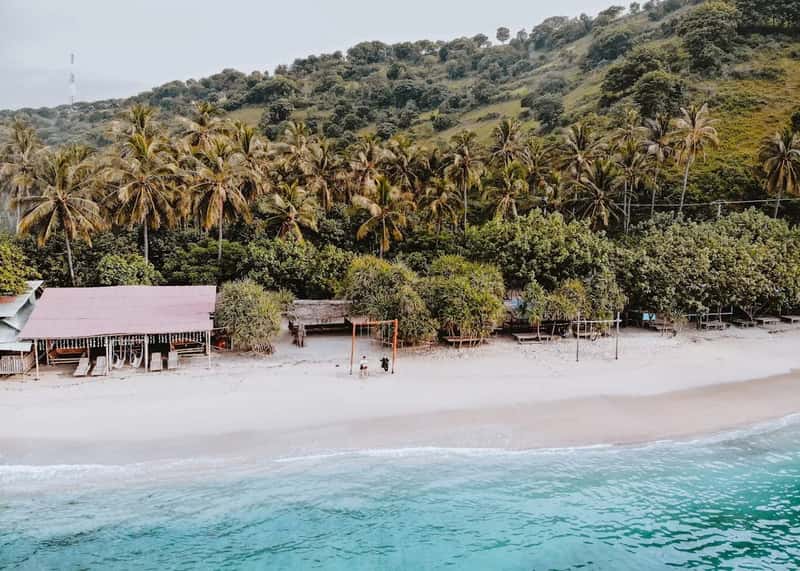
The town drawing most of the remote work crowd is Kuta Lombok, a beach settlement on the island’s south coast that one expat guide described plainly as the most popular base for long-term visitors, with growing nomad infrastructure, surf access, restaurants, and a social scene where prices are fair. It is a far cry from the sprawling, traffic-choked version of Canggu that many nomads are trying to escape.
A travel comparison summed up the contrast well, noting that Kuta Lombok is quiet and slow, with a main strip that is touristy but not overly so, light traffic, and everything within walking distance. Coworking options remain modest by Bali standards, small operations like The Spot Coworking charging around 2.3 million rupiah a month for a cozy space with decent desks, fans, and fast wifi most days, but for many that is enough.
The cost difference is real, not just a rumor

Numbers back up the perception that Lombok runs cheaper. A 2026 comparison between the two islands concluded that Lombok remains 20 to 40 percent cheaper than Bali across most categories, with the biggest savings showing up in housing and food. Local warungs in areas like Selong Belanak and Kuta Lombok were cited as serving full meals for as little as one to one dollar sixty.
Rental prices tell a similar story. One breakdown listed private rooms with air conditioning and a private bath running between 3,000,000 and 5,000,000 rupiah, or roughly 200 to 325 dollars, calling it the sweet spot for most nomads, while a full villa with a pool could still be found for under a thousand dollars a month in some cases.
Internet is the honest tradeoff

None of this comes free of compromise, and connectivity is where Lombok still lags behind its famous neighbor. A recent guide to the island’s cost of living called weak connectivity Lombok’s biggest weakness for digital nomads, noting that mobile data works reasonably well in populated areas but grows inconsistent in rural zones and poor for video calls.
Fixed line fiber does exist in pockets. Providers offer fixed-line fiber in Mataram and some areas of Senggigi and Kuta Lombok, with plans from roughly 20 to 32 dollars a month for reliable, fast internet. Nomads who depend on video calls are increasingly advised to check a rental’s actual internet speed before signing a lease, since quality still varies house to house.
Visas work the same way they do in Bali
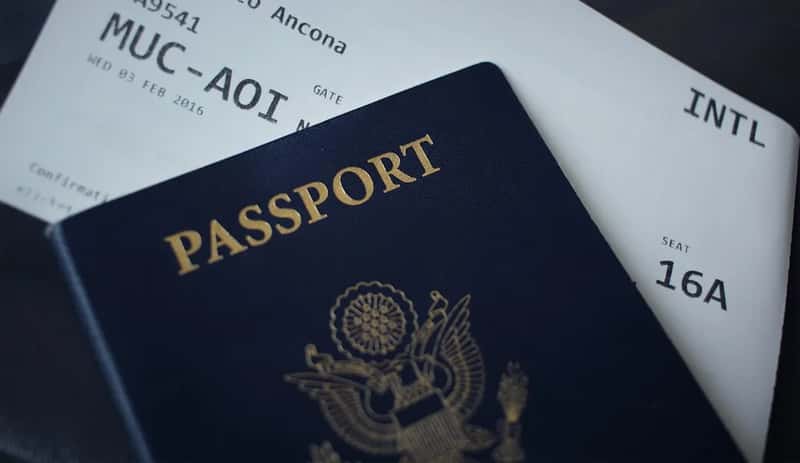
Because Lombok belongs to Indonesia just as Bali does, the visa landscape is identical rather than a separate hurdle to clear. Remote workers typically arrive on tourist visas or the same options used across the archipelago, and one Bali-focused guide summarized the reality that most digital nomads face nationwide, noting that most digital nomads and remote workers currently fly under the radar because the government is aware that the legal system hasn’t yet caught up with this growing lifestyle trend.
Indonesia’s Remote Worker KITAS, known as the E33G visa, applies island-wide as well, though it comes with an income threshold that puts it out of reach for many freelancers. A Bali-based guide explained that the visa is the legal route for working remotely from Bali while employed by or contracting for companies outside Indonesia, a description that holds equally true whether someone is based in Canggu or Kuta Lombok.
A slower pace suits a different kind of nomad

Lombok is not trying to be a livelier version of Bali, and that seems to be exactly its appeal. A cost comparison between the two islands described the daily rhythm plainly, noting that Lombok has a smaller, growing expat crowd of mostly retirees, surfers, and long-term investors, where people tend to build deeper connections and spend more time outdoors.
Surfing plays a large role in that identity. World class breaks at Desert Point and Selong Belanak draw a dedicated crowd, and one detailed comparison noted that Lombok rewards surfers, divers and snorkellers, hikers, and travelers who want a beach without a beach club on it. For remote workers who spend their days at a screen, an uncrowded wave at sunset carries real weight.
The Gili Islands add an extra pull

Just off Lombok’s northwest coast, the three Gili Islands, Trawangan, Air, and Meno, have become an attraction in their own right for people who want an even quieter escape hatch. Recent tourism data showed the islands recorded 773,148 visitors in 2024, an increase of 26 percent compared to 2019, evidence that word has been spreading well beyond backpacker circles.
Part of the charm is practical. There are no cars or scooters allowed, and travel descriptions note that the Gili Islands have white sand, clear turquoise water, and healthy coral reefs, with no motorised vehicles, only bicycles and horse carts. For nomads who base themselves in Kuta Lombok, a weekend boat ride to Gili Air offers a change of scenery without ever leaving the region.
Infrastructure gaps are the price of getting there early
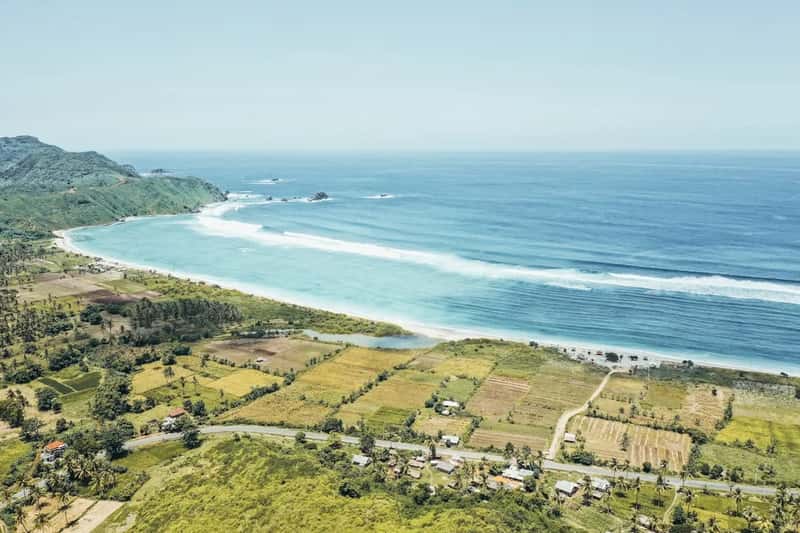
None of this makes Lombok a flawless substitute, and anyone weighing the move should go in with clear eyes about what is still missing. Healthcare is the most cited concern, with one comparison noting that Lombok’s healthcare is catching up but still limited, and for anything serious, you might need to head to Bali or Jakarta.
Road access outside the main towns can also be patchy, and a side by side comparison pointed out that Lombok has fewer ATMs in rural areas, limited 4G coverage outside Mataram and Senggigi, and medical facilities adequate for minor issues but requiring evacuation to Bali for serious cases. These are the kinds of tradeoffs that come with choosing a destination before its infrastructure has fully caught up with demand.
Getting there is easier than it used to be
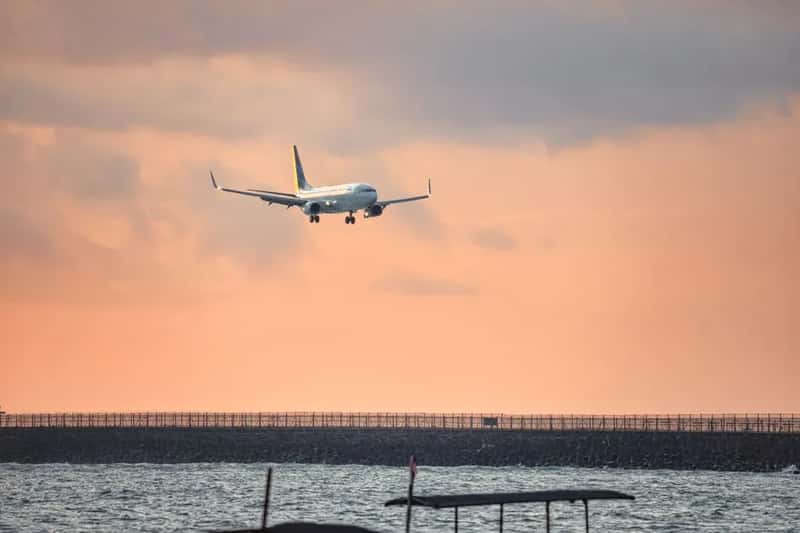
One reason the shift toward Lombok has accelerated is that travel between the two islands keeps getting simpler. New flight schedules in 2026 mean travelers can count on multiple daily services linking Denpasar’s international airport with Lombok’s Zainuddin Abdul Madjid International Airport, turning what used to be a half-day ordeal into a short hop of well under an hour.
That connectivity matters for people testing the waters before committing. A digital nomad can now fly from Denpasar to Lombok for a scouting trip, and airline networks have expanded enough that, as one industry report put it, the combined effect is to give tourists far more flexibility on dates, departure times and fare levels. For someone deciding whether to relocate their laptop and their life, that kind of low-stakes flexibility removes a real barrier.
Final thoughts
Lombok is not trying to replace Bali, and it probably never will in terms of scale, nightlife, or sheer variety of things to do. What it offers instead is something Bali used to have and has slowly traded away: room to breathe, prices that still feel reasonable, and a pace of life that lets a laptop worker actually notice the scenery.
Whether that trade proves lasting or just another phase in the endless search for the next undiscovered island remains to be seen. For now, though, the shift feels less like a trend chasing hype and more like a quiet correction, one flight and one fast boat away from where the crowds already are.