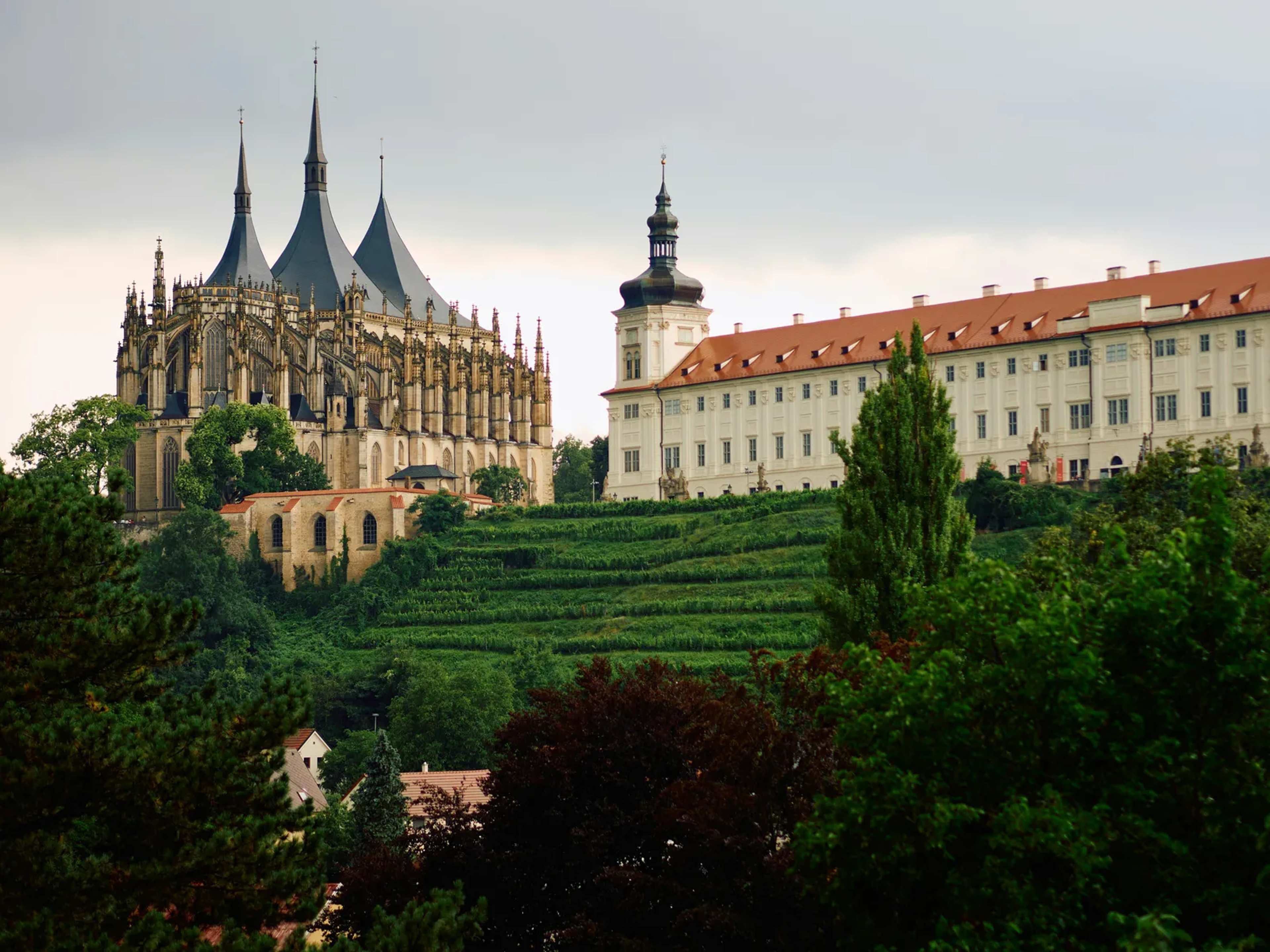
For most of the last decade, Portugal was the answer to almost every question a would-be expat could ask. Good weather, low prices, friendly bureaucracy, a passport that opened all of Europe. That answer is getting more complicated, and a growing number of relocators are quietly looking two countries over, toward Slovenia, a place that offers something Lisbon and the Algarve no longer can: room to breathe.
The shift is not dramatic or sudden. It is showing up in visa applications, real estate inquiries, and relocation forums, where the conversation has moved from “how do I get to Portugal” to “is there somewhere similar that hasn’t been discovered yet.” What follows is a look at why that conversation is happening now, and why Slovenia keeps coming up as the answer.
Portugal’s popularity became its own problem
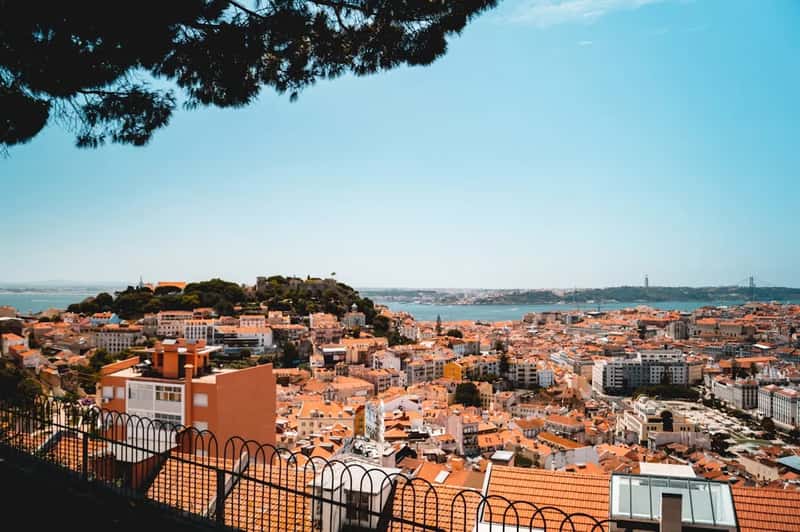
Portugal’s appeal was never a secret, which turned out to be part of the issue. As of June 2026, over 1.5 million foreign nationals hold legal residence in the country, a number that keeps climbing as retirees, remote workers, and investors continue to arrive. That kind of growth changes a place, especially one that was never built to absorb it at this pace.
Housing has taken the brunt of it. Rents in Lisbon and Porto have pushed many longtime residents and newcomers alike toward smaller towns, and even those towns are starting to feel the pressure of demand from outside. At the root of this decision is a perfect storm combining the housing crisis, precarious wages, bureaucratic delays in state services, and manifestations of xenophobia, according to reporting on the growing number of long-term foreign residents choosing to leave.
The tax break that made Portugal irresistible is gone

For years, the Non-Habitual Resident regime was the single biggest draw for wealthier expats and retirees weighing Portugal against other options. Portugal’s international appeal has historically been driven by the Non-Habitual Resident regime, which offered a 10-year preferential tax regime for new residents, under which certain categories of foreign-source income could benefit from exemption. It was, for a long stretch, one of the more generous tax arrangements available anywhere in the EU.
That door closed at the end of 2023. As of 2024, new entrants can no longer access NHR, and it has been replaced by the Tax Incentive for Science Research and Innovation, a more targeted regime aimed at specific professional categories rather than the general expat population. That flat 20 percent rate on qualifying foreign income is no longer available to anyone arriving in 2026, unless they fall under specific grandfathering provisions, which leaves most newcomers facing Portugal’s standard, and notably higher, tax brackets.
Immigration paperwork has turned into a waiting game

Even people who still want to move to Portugal are running into a different kind of friction: the agency in charge of processing them. AIMA, which replaced the old immigration service SEF, has struggled to keep pace with demand. AIMA is still clearing large pending caseloads in 2026, and appointment timing can extend for several months, turning what used to be a straightforward residency process into an open-ended wait.
Those delays are not just an inconvenience, they are reportedly a factor pushing existing residents out the door. The immigration landscape in Portugal is experiencing a structural reversal, with a growing number of long-term resident foreign citizens choosing to leave the country, an exodus that began timidly throughout 2024 and 2025 and intensified dramatically during 2026, according to data from immigrant associations and legal offices. When the system meant to formalize your life abroad becomes the biggest source of stress in that life, the calculation starts to shift.
Citizenship just got a lot further away
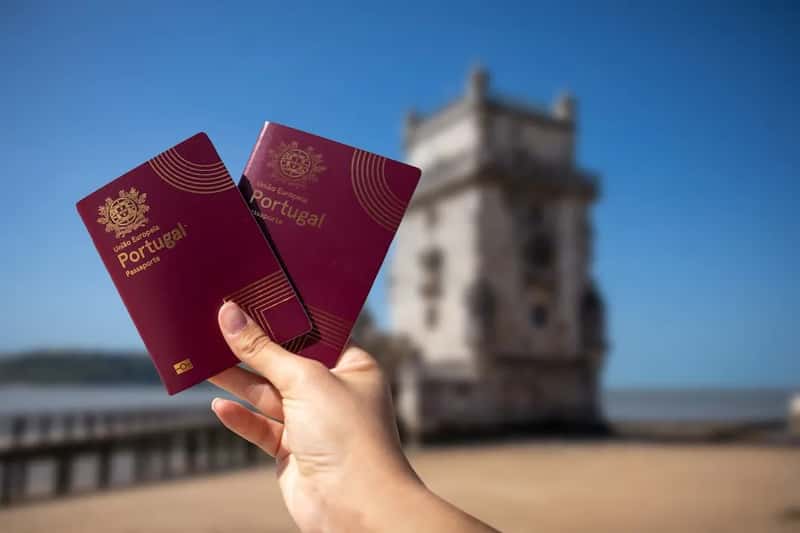
Portugal’s path to a passport used to be one of its strongest selling points, a comparatively fast five years of residence before naturalization became possible. That changed abruptly in 2026. In May, Portugal enacted amendments to the Nationality Law, which extended the standard naturalization timeline from five years to ten years for most non-EU nationals, and to seven years for EU and CPLP nationals.
For anyone who moved to Portugal with citizenship as part of the long game, that is a significant recalculation. The most important legal development in 2026 is that most non-EU nationals now require 10 years of legal residence to apply for citizenship, with the clock starting from the date of residence card issuance, not from the initial application. It has quietly made Portugal’s timeline look a lot less appealing next to countries that still offer a shorter route.
Slovenia is the quiet alternative gaining ground
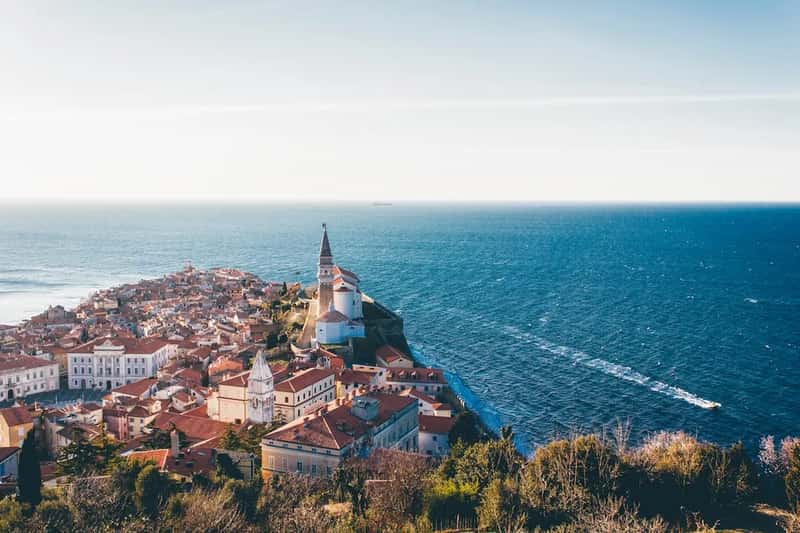
Ask relocation consultants where the conversation is heading and one small, mountainous EU country keeps coming up. Slovenia combines scenic landscapes with strong public infrastructure, safety, and easy access to neighboring European countries, appealing to people looking for a quieter lifestyle without giving up connectivity. It is not a secret exactly, but it has none of the saturation that now defines Lisbon or the Algarve.
Part of the appeal is simply arithmetic. Slovenia offers a wide variety of stunning coastal and mountain terrain in a Mediterranean environment, with a cost of living nearly half that in the US, stable politics, a low crime rate, and English widely spoken. That combination, a Western-style quality of life at a noticeably lower price, is exactly what drew people to Portugal a decade ago.
An easier visa without sacrificing EU membership

One practical reason Slovenia keeps beating out flashier Balkan neighbors is that it stays inside the structures expats actually rely on day to day. Slovenia sits at a sweet spot as an EU member with relatively modest income requirements around €2,150 per month, tax exemption for digital nomad visa holders, and access to the Schengen zone. That last point matters more than it sounds, since it means visa holders keep the freedom of movement across the rest of Europe that non-Schengen countries like Montenegro cannot offer.
Compare that to Portugal’s own digital nomad requirements, which now sit meaningfully higher for anyone applying under the newer D8 framework. Applicants must prove a monthly income of four times Portugal’s updated minimum wage, which as of 2026 corresponds to €3,680 per month for the main applicant, with additional increases for a spouse and dependents. Slovenia’s threshold is less than two thirds of that figure, a difference that adds up fast for a family weighing options.
The cost of daily life still favors the newcomer
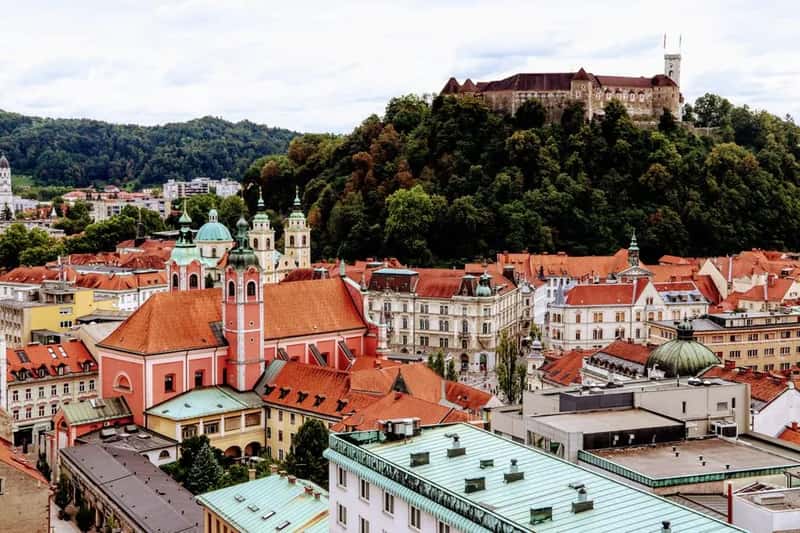
Slovenia was never marketed as a budget destination in the way Albania or Bulgaria are, but it does not need to be. Its costs sit comfortably below Western Europe while its infrastructure, from hospitals to public transport, stays on par with countries charging far more for the same services. That balance, decent prices without a corresponding drop in quality, is precisely the gap Portugal used to fill before demand pushed its own prices upward.
Portugal, for context, is not cheap anymore in the way people remember it. As of January 2026, the minimum wage in Portugal is €920 per month before taxes, a figure that puts local salaries under real strain even as rents in the country’s major cities keep climbing toward Western European norms. Slovenia’s cost structure, by contrast, has not been reshaped by the same wave of foreign demand, at least not yet.
Space, scenery, and a genuinely different pace
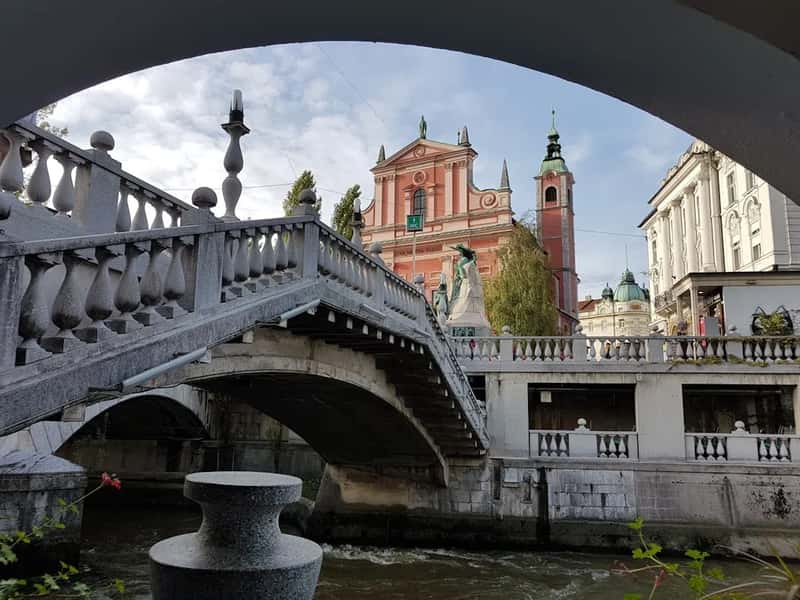
Part of what people are chasing when they leave crowded Portuguese hotspots is simply room. Slovenia’s small population and modest size mean that even its capital, Ljubljana, feels closer to a large town than a tourist-saturated city, and the countryside beyond it stretches from alpine peaks to a short strip of Adriatic coastline within a couple of hours’ drive. It is a country built for a slower rhythm, without requiring anyone to give up modern conveniences to get it.
That contrast is exactly what draws comparisons to Portugal’s own early appeal, before the crowds arrived. Slovenia is among a handful of countries in this corner of the world perfectly suited to long-term living, physically spectacular, amazingly affordable, and incredibly welcoming. For expats who moved to Portugal specifically to escape overcrowded, overpriced cities back home, watching that same crowding creep into their new base has been the strongest argument for looking elsewhere.
What Slovenia still can’t match, and why that’s fine for some
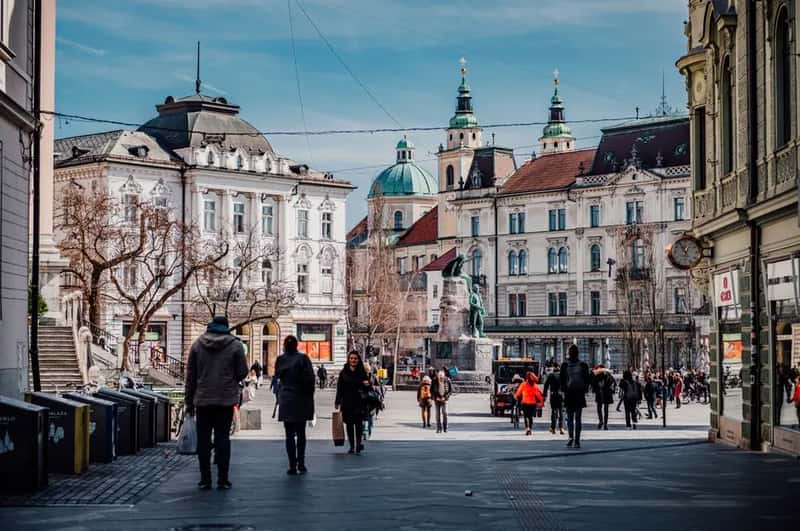
Slovenia is not trying to be Portugal, and it shows in the parts of expat life that matter most to certain groups. It has a smaller international school network, a thinner retiree community, and nowhere near the same density of English-language services outside Ljubljana. Anyone drawn to Portugal specifically for its established, decades-old expat infrastructure will notice the difference immediately.
For a certain kind of relocator, though, that thinness is the point rather than the drawback. People choosing Slovenia tend to want fewer fellow expats, not more, and a slower, more localized version of European life rather than a transplanted expat bubble. It is a trade-off, not an upgrade in every category, and the people making the move to Slovenia in 2026 generally know that going in.