Ask any American who has lived overseas for more than a year, and dental care usually comes up within the first few minutes of conversation. It is not just about saving money, though that part is real and often dramatic. Expats consistently describe shorter wait times, friendlier scheduling, and dentists who spend more time explaining procedures than rushing to the next patient. For a growing number of people, a trip abroad for dental work has become less of a novelty and more of a practical decision.
The numbers behind this shift are hard to ignore. Industry reports now describe dental tourism as a rapidly expanding market, and the reasons are rooted in something very ordinary: the gap between what dental care costs in the United States and what it costs almost everywhere else.
The Sticker Shock That Sends Americans Packing
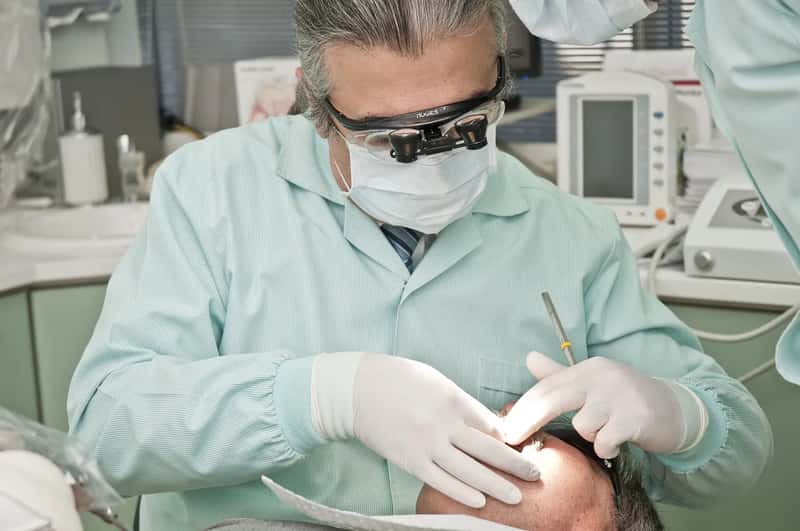
Most people do not realize how thin American dental insurance really is until they need major work done. US insurance typically caps annual dental benefits at $1,500-$2,500, barely enough for a single crown, let alone a full restoration. That gap between what a policy covers and what treatment actually costs leaves patients paying out of pocket for anything beyond a routine cleaning.
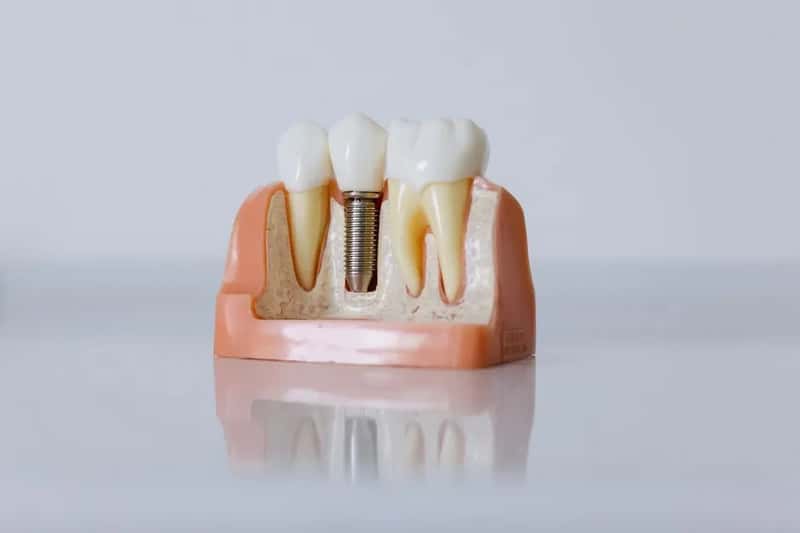
Implants illustrate the problem best. A single implant in the United States commonly runs $3,000 to $5,000, and some clinics quote considerably higher depending on the region and the specialist involved. Full-mouth reconstructions can climb into the tens of thousands of dollars, a figure that puts basic chewing function out of reach for many uninsured or underinsured Americans.
Mexico: The Border Town Advantage
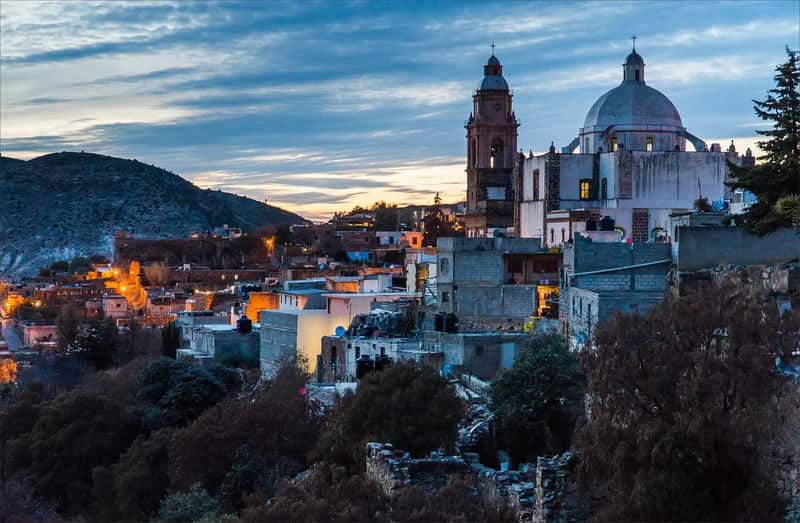
For Americans living near the southern border, or those who have relocated to Mexico entirely, dental care abroad often starts and ends here. Even from non-border states, Mexico flights are cheaper than flying anywhere else for dental work. Border towns like Los Algodones have built entire micro-economies around dental clinics that cater almost exclusively to American patients crossing over for the day.
The pricing gap is significant. A single dental implant in Mexico ranges from $800 to $1,500, while it can reach up to $4,500 in the US. For patients needing more complex work, Mexico offers convenience since you can drive across the border for dental work, which eliminates the added expense and hassle of international flights entirely.
Costa Rica: Recovery Time That Feels Like a Vacation
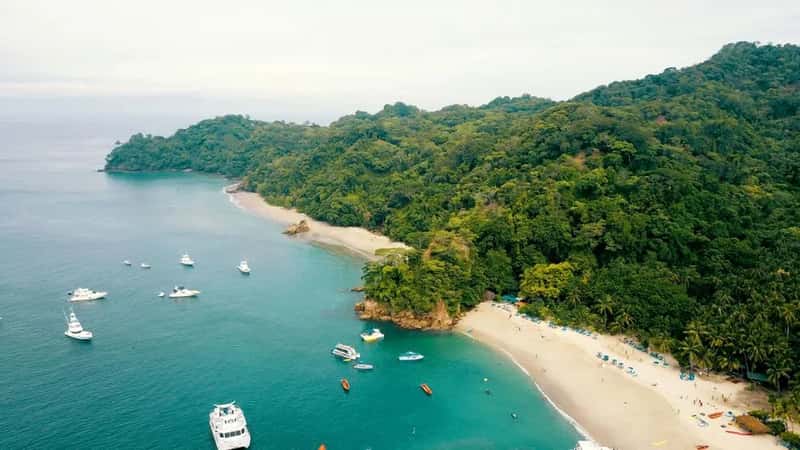
Costa Rica has carved out a reputation as the dental destination for people who want quality care without sacrificing comfort. Many quality-conscious dentists in Costa Rica are members of the American Dental Association, and quality dental treatment combined with a visit to the country’s wildlife reserves and beaches makes for a perfect dental vacation, with savings up to 70% compared to US costs. That combination of credentialing and scenery is part of why so many patients return for follow-up visits without dreading the trip.
Pricing here sits in a similar range to Mexico for most standard procedures. A single implant runs $1,000 to $1,500, all-on-4 dental implants cost $9,000 to $15,000, and crowns run $300 to $600. Direct flights from much of the US East Coast make it an easy add-on for expats already living in Central America or nearby.
Thailand: Hospital-Grade Dentistry in Southeast Asia
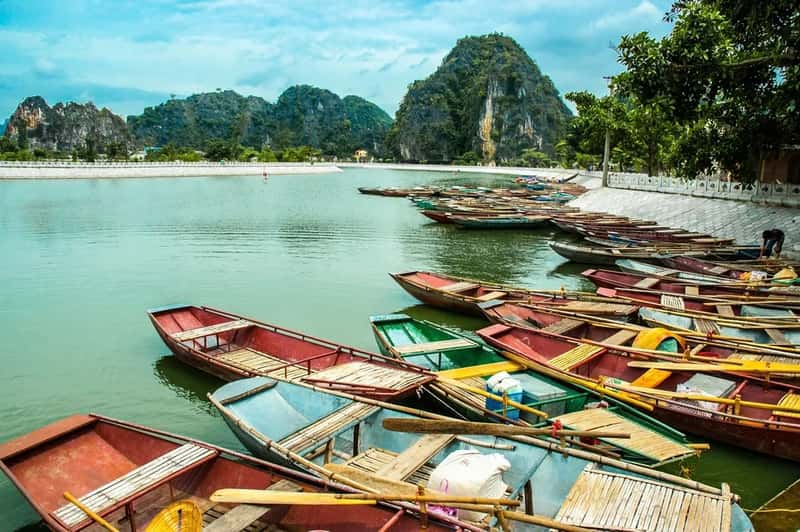
Thailand has spent more than two decades building a reputation for medical tourism, and dentistry is a major part of that story. Pricing typically runs 50 to 65% below US rates, with a single implant costing between $1,400 and $2,500 and full-arch procedures between $8,000 and $14,000 per arch, at hospitals like Bangkok International Hospital and Bumrungrad, both of which hold JCI accreditation and see large volumes of foreign patients. For expats already living in the region, this makes Thailand a natural choice for anything from a simple crown to a full smile reconstruction.
What sets Thailand apart from many other destinations is the hospital-hybrid model. Clinics often operate as a spa-medical hybrid, with modern facilities co-located alongside hotels and wellness centers. This blending of medical care with genuine hospitality is part of why so many patients describe the experience as far less clinical and stressful than a typical dental visit back home.
Turkey and Hungary: Europe’s Dental Powerhouses
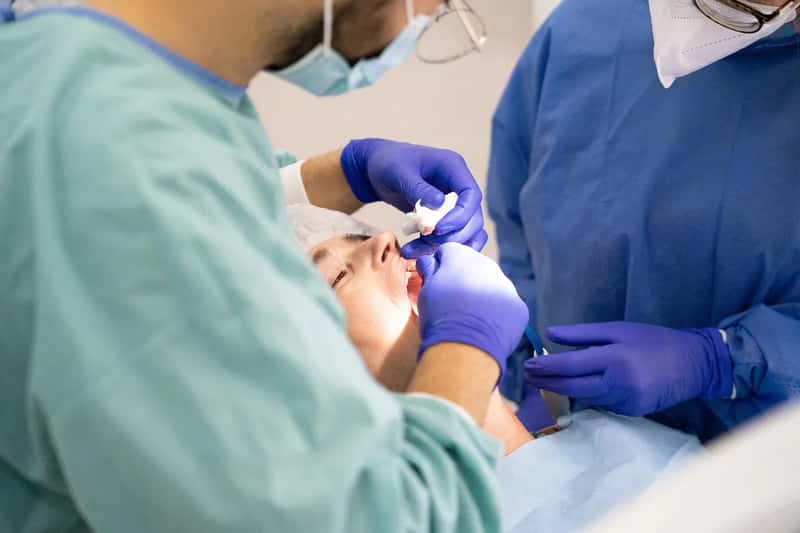
For expats based in Europe, or Americans willing to cross the Atlantic, Turkey and Hungary dominate the conversation. Turkey handles more dental tourists than any other country, and Istanbul alone has over 400 dental clinics targeting foreign patients. That scale has created intense competition among clinics, which tends to push quality up and prices down simultaneously.
Hungary takes a slightly different approach, leaning on decades of trust rather than sheer volume. Germans have been going to Budapest for dental work for 20 years, and the infrastructure for foreign patients is mature and reliable. Pricing reflects that established trust: a single implant with crown in Hungary runs around $1,200 to $2,200, with full-arch work around $10,000 to $15,000, comfortably below what most Western European patients would pay at home.
The Quality Question: Is Cheaper Actually Worse?
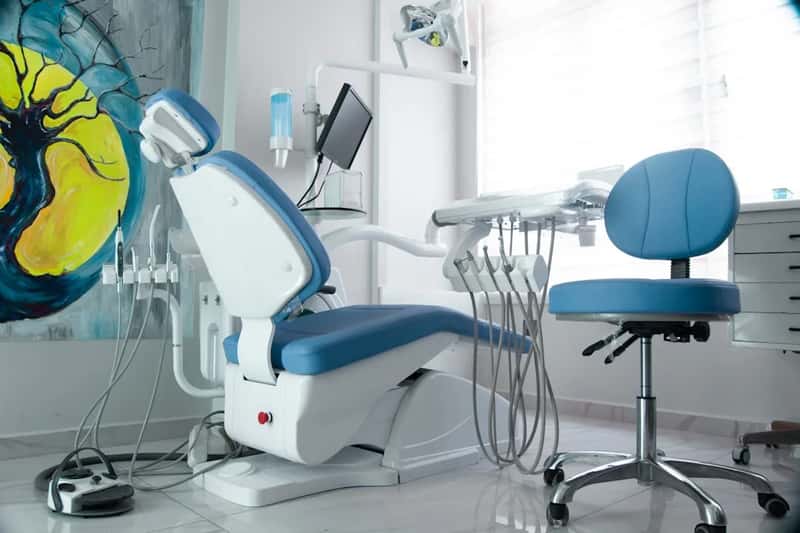
This is the question every skeptical friend or family member asks, and it deserves a straight answer. In most reputable clinics, the answer is no. Clinics across these destinations commonly use high-quality brands like Straumann, Nobel Biocare, and E-max, alongside advanced technology such as CAD/CAM systems and CT scans. These are the same materials and machines used in top American practices, just without the overhead that drives up the final bill.
Lower prices abroad often come down to structural differences rather than cut corners. In many Western countries, dental clinics face stringent regulations and insurance-related costs that drive up prices, while countries like Turkey operate with less administrative overhead, and favorable currency exchange rates mean patients’ money goes further, allowing them to save substantially on procedures abroad. That said, quality still varies clinic to clinic, and accreditation matters more than a country’s overall reputation.
Running the Real Numbers: Savings After Travel Costs
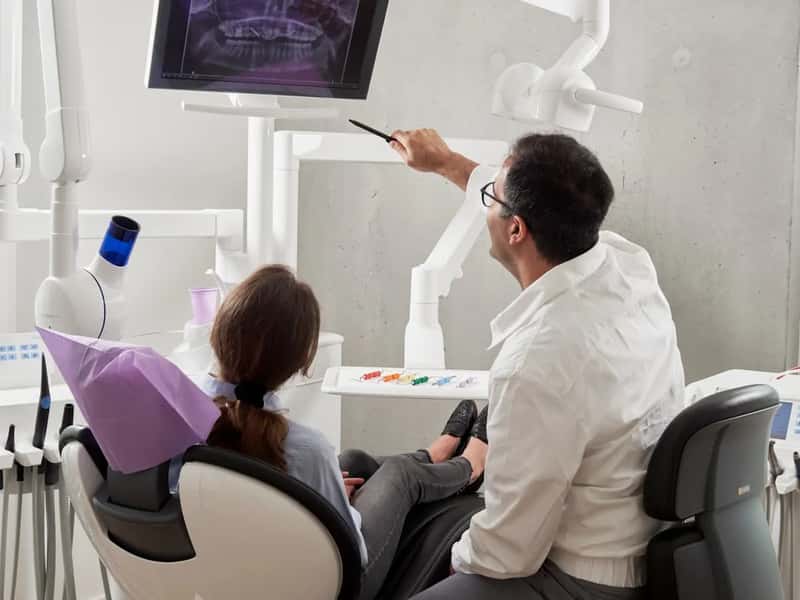
Savings percentages look impressive in isolation, but the smarter comparison factors in flights, lodging, and time away from work. The real question is whether the math works for a specific procedure after factoring in flights, hotels, time off work, and follow-up risk, which is why honest comparisons need to walk through the breakeven calculation procedure by procedure. For a single crown, flying halfway around the world rarely makes financial sense. For full-mouth reconstruction, the equation flips fast.
Real patient examples back this up. UK patients typically save £1,200-1,500 per implant in Turkey even after flights and hotel, US patients save $1,400-2,500 in Mexico, and for full mouth work savings reach £12,000-18,000 from the UK and $15,000-30,000 from the US. Those figures explain why so many expats treat a dental trip as essentially self-funding once the procedure is complex enough.
Where Things Can Go Wrong
Dental tourism is not risk-free, and honest advocates for the practice say so openly. The cheapest country on paper can become the most expensive if a patient ends up needing corrective work, since the absolute cheapest prices in any given country usually come from unaccredited clinics that reputable comparison sites would not recommend. Skipping research to chase the lowest quoted price is the single most common mistake expats make.
Follow-up care is another real consideration, particularly for implants that require multiple visits over several months. A typical implant journey can involve two separate trips, with extractions and implant placement happening first, followed by a return visit months later for the final crowns. Anyone considering treatment abroad needs to plan for this timeline rather than assuming everything wraps up in a single visit.
The Bigger Picture: Why This Trend Keeps Growing
The forces pushing patients abroad are not going away anytime soon. DentaVacation’s Global Dental Tourism Report 2026 points to a growing affordability crisis and long waiting lists in the US, the UK, Canada, and Australia as key drivers of record numbers of patients seeking dental work abroad. As domestic dental costs continue climbing faster than wages in many Western countries, that gap is unlikely to close.
What started as a niche option for the uninsured has become a mainstream strategy for retirees, remote workers, and long-term expats alike. The global dental tourism market is projected to reach $65.4 billion by 2033, increasing significantly from $14.8 billion in 2025. That kind of growth rarely happens without a genuine, sustained demand behind it.