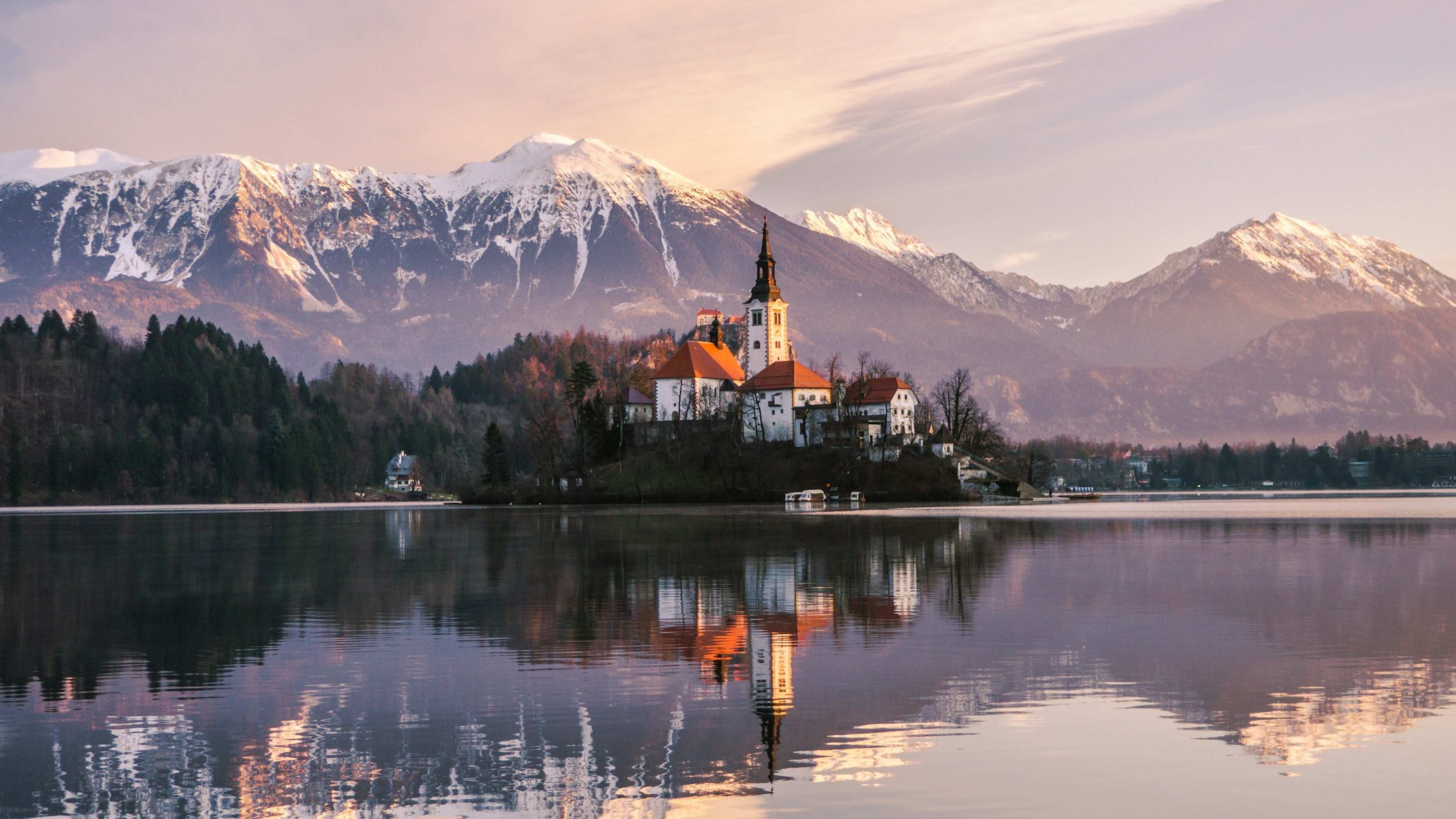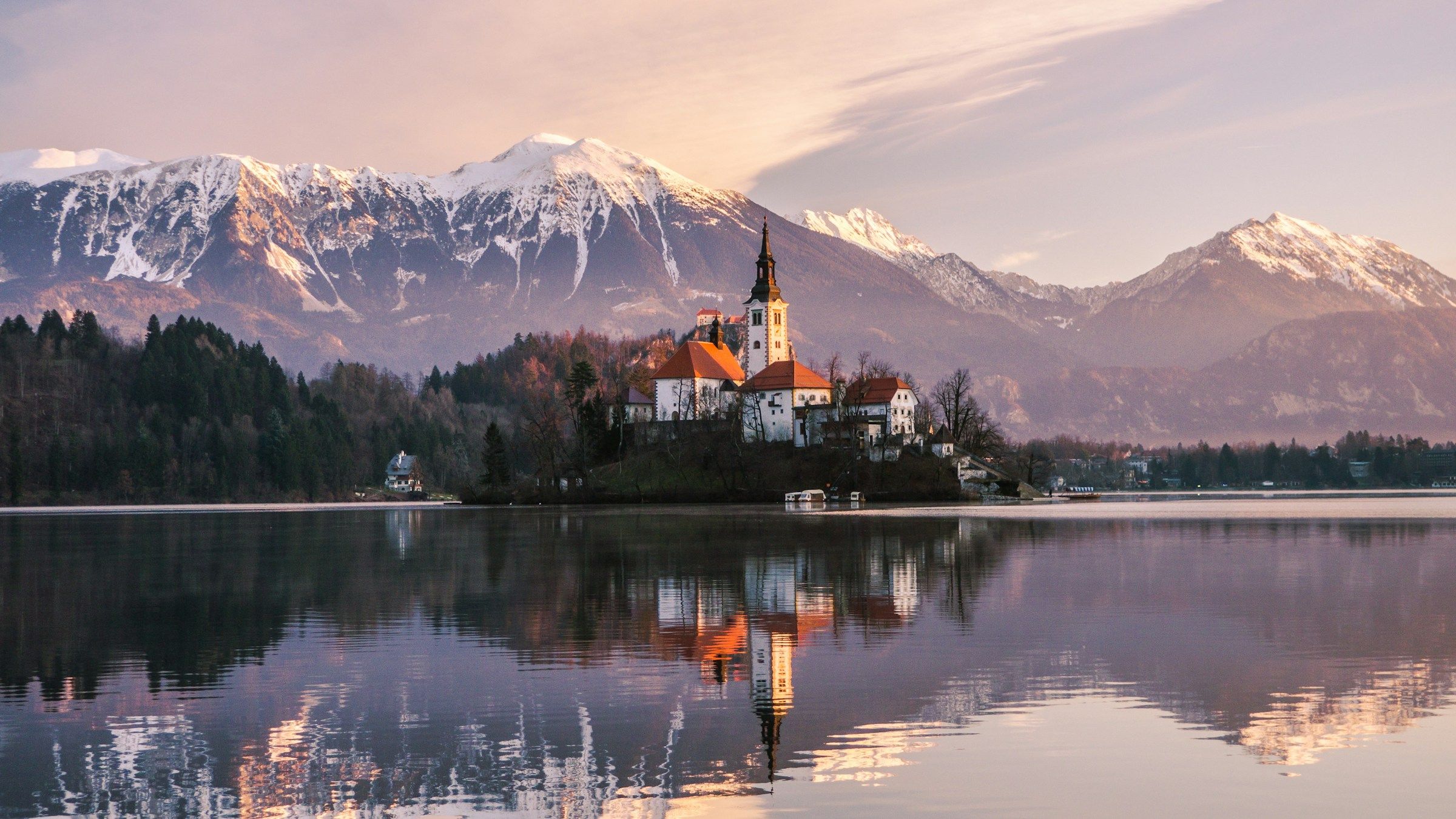
Most Slovenia itineraries put Lake Bled near the top, and it’s easy to see why. A church sits on a small island, a castle clings to a cliff, and the whole scene looks like it was designed for a postcard. Then you notice a second name in the guidebooks, only a short drive away.
Lake Bohinj gets less attention, and that was exactly what made me curious. I weighed the two lakes on crowds, space, swimming, hiking, cost and logistics, using recent figures where I could find them. Here is how the comparison went.
The Crowds Made the First Cut
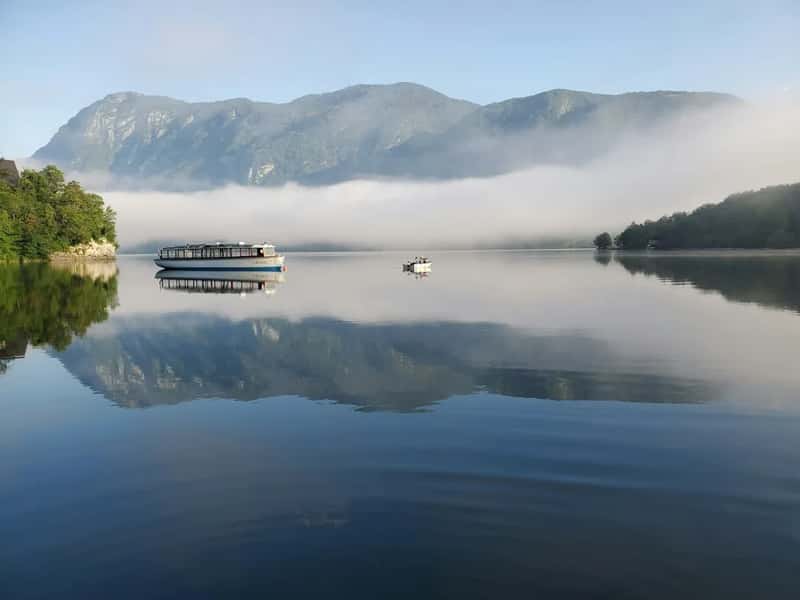
The gap in visitor numbers is large. One Slovenia travel site puts Bled at around 1.5 million annual visitors[1], while it lists Bohinj at around 300,000[1]. That works out to roughly five times as many people at Bled.
Several guides describe what that looks like in July and August. One says the lakeside path can feel shoulder to shoulder, restaurant queues form, and parking becomes a headache[2] in Bled. Another notes that Bohinj stays calm even at the height of summer[1]. These are travel guides and not official counts, so I treated them as a general pattern.
More Lake, More Room to Breathe
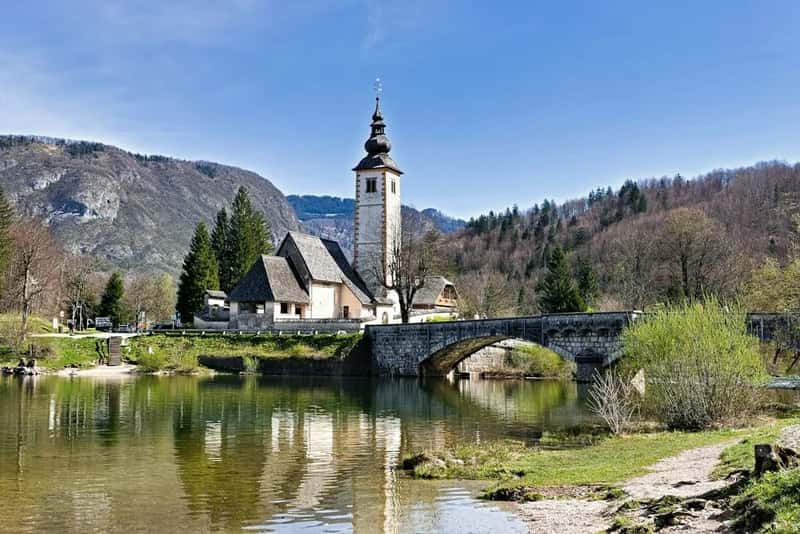
Size matters here. Bohinj covers 3.18 square kilometres, more than twice the area of Bled.[1] It is also deeper, with a maximum depth of 45 metres, making it Slovenia’s deepest lake[1], compared with 30 metres at Bled.
That extra space spreads people out. One guide argues that even in peak season you can find peace and solitude on Bohinj because of its large size[3]. For me that was a fair reason to pick it, since a quiet lake only works if there’s room to find the quiet.
Swimming, Paddling and Boats Without the Buzz
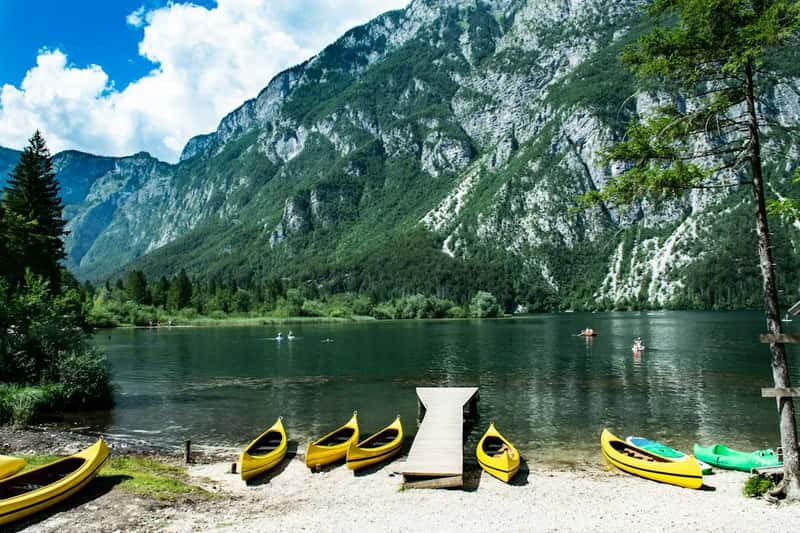
Bohinj has a reputation for clean, clear water. One comparison says motorboats are banned and the beaches are natural, though the water is cold[4]. That fits the temperature figures, which put Bohinj in the range of 18 to 22 degrees Celsius in summer[1].
Bled is the warmer lake, and the same source lists 24 to 26 degrees Celsius in summer[1]. So if warm water is your priority, Bled has an edge. For paddling, though, Bohinj is described as superb for kayaking, stand up paddleboarding and canoeing[2]. Boat rentals are also available on Lake Bohinj[5].
Trails That Start Right at the Water
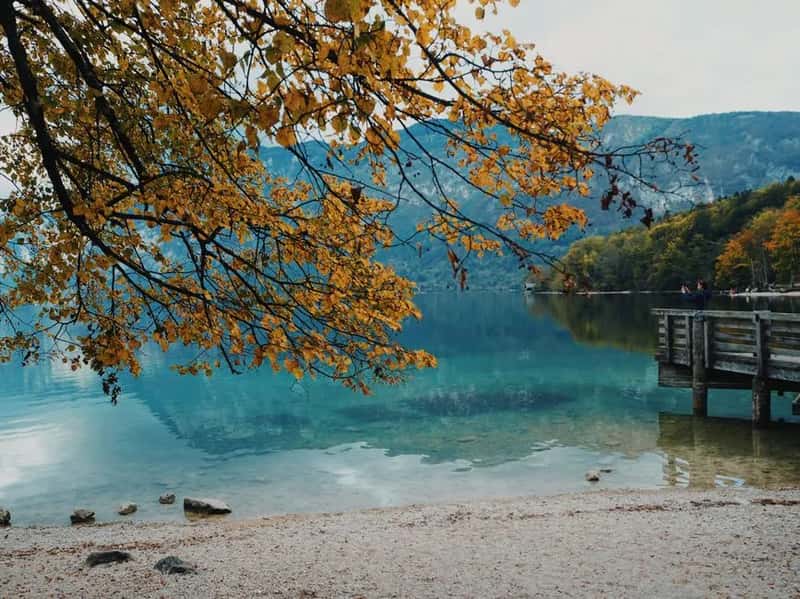
Bohinj sits inside Triglav National Park, which changes what a day looks like. A forum reply sums up the appeal: Bohinj is deeper in the national park, so there are more hiking opportunities.[5] A comparison table lists direct access to Savica Waterfall, Mostnica Gorge and the Triglav Lakes Valley[4].
Bled has walks too, such as Mala Osojnica and Vintgar Gorge[4]. They’re pleasant and shorter. If you want mountain scenery from your doorstep, Bohinj simply offers more of it.
Savica Waterfall and Its Many Steps
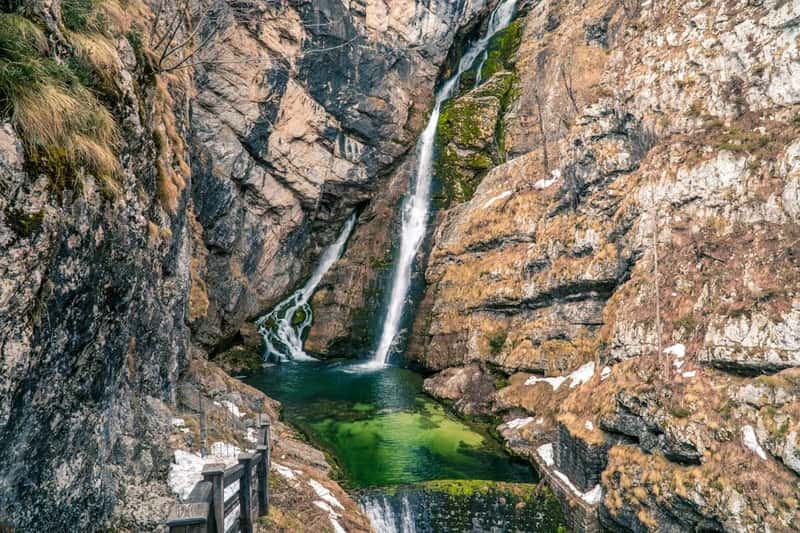
Savica is the headline sight near the lake. The water plunges 78 metres[6], and the path from the parking lot climbs 553 stone steps in about 20 to 25 minutes[6]. Those steps make it unsuitable for strollers and wheelchairs.
Costs are small but vary by source and season. One guide lists €5 for up to three hours of parking[7]. Adult entry is reported at €4 in high season, from 1 July to 31 August, and €3 outside it[7]. Another local guide says the adult fee was €6 in the 2025 season[8], so it’s worth checking current prices. Cash is useful, as entrance fees and parking[8] need payment ready.
The Vogel Cable Car, With One Important Caveat
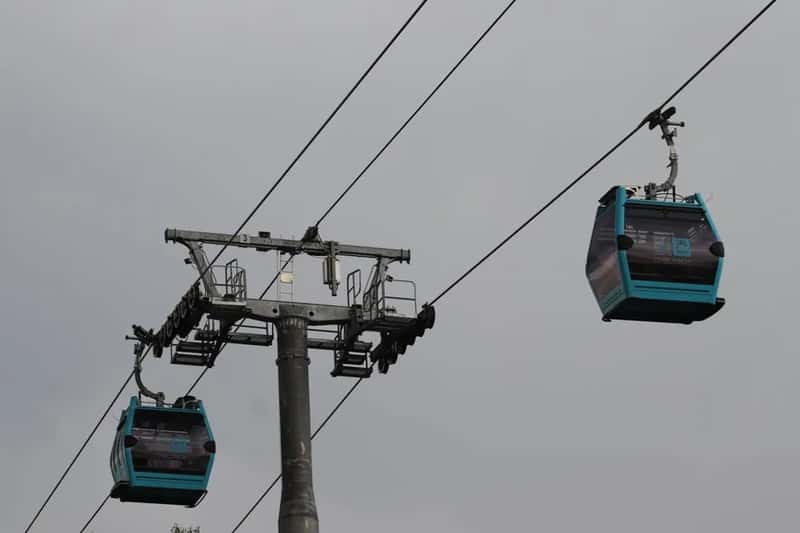
The cable car above the lake is one of Bohinj’s best known rides. It climbs about 1,000 metres to the upper station at around 1,535 metres above sea level[9], with views over the lake and Mount Triglav. A 2026 ticket guide lists a return fare of €33 for adults[10].
Timing matters this year. The official Vogel site says maintenance work on the cable car is more extensive than usual, and that it is scheduled to remain closed until December 1, 2026[11]. Some review pages show visitor comments from earlier in 2026, so check the operator’s site before building a day around the ride.
What Each Lake Costs You
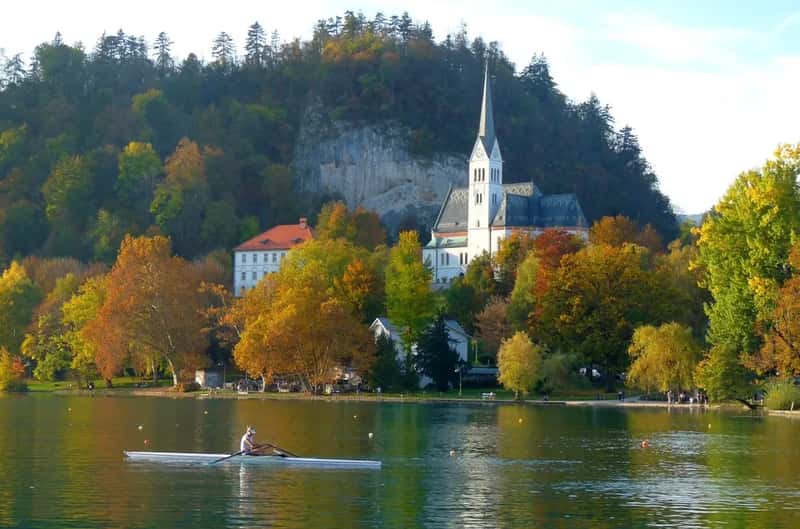
Bled’s best known extras add up quickly. The traditional pletna boat to the island costs €20 per adult and €10 per child for the return crossing, cash only[12]. Island admission is charged separately at €12 per adult.[12]
Overnight taxes also differ. Bled’s rate is roughly €3.13 per person per night[12], and Bled has no day visitor entry fee[12]. A Bohinj rental listing shows €2.50 per adult and €1.25 per child aged 7 to 18 per night[13]. Comparison guides also say Bohinj is generally more affordable, though one adds that winter can reverse that because of the Vogel ski resort[14].
Getting There Takes a Bit More Effort
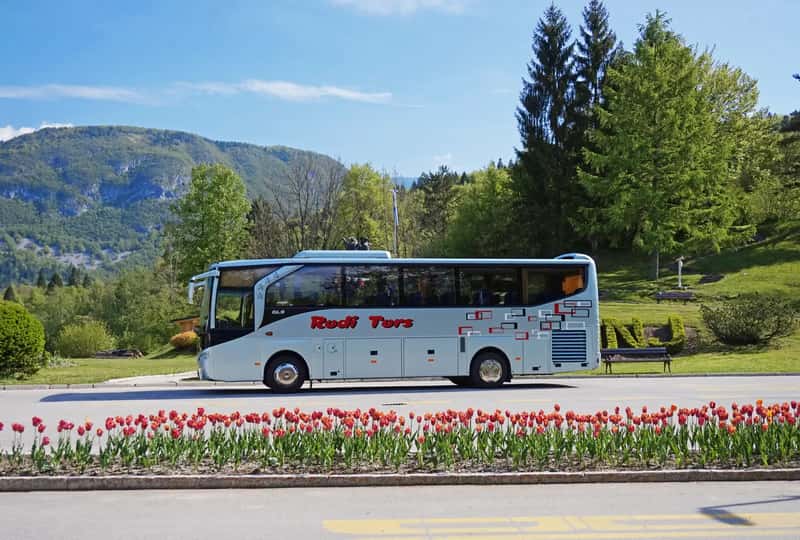
Bohinj is the harder lake to reach. One comparison lists about 40 minutes from Ljubljana to Bled with direct buses, against 1 hour 15 minutes to Bohinj with fewer connections[4]. Another says public transport to Bohinj is available but less frequent[15].
Once there, getting around is simple enough. A visitor review explains that you take the Arriva bus to Lake Bohinj and get off at the last stop, Ukanc[16]. The Vogel site also says you can walk to the lower station along maintained paths on the north or south shore[11].
Where Bled Still Comes Out Ahead
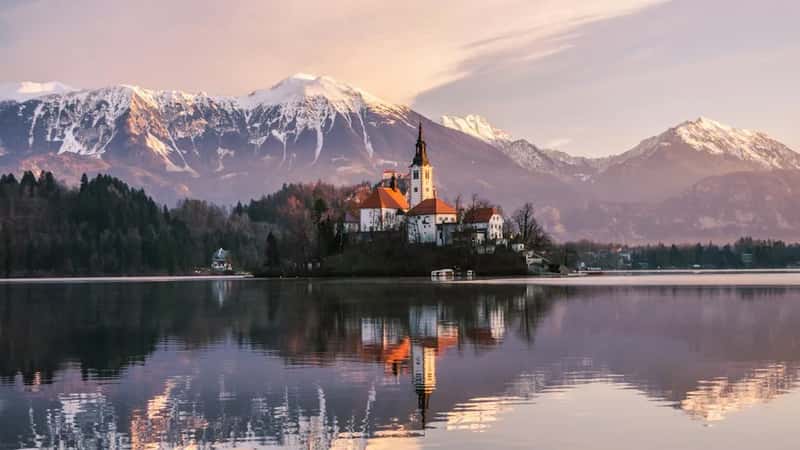
Bled wins on convenience. It offers many hotels, restaurants and shops[4], while Bohinj has limited dining and accommodation[4]. Bled is also described as better connected to other towns and to the capital[5].
It’s also the more recognisable view, and families may like the pletna ride. The two lakes are close, with one source putting them 28 kilometres apart[5]. A regional bus links them, so you can choose Bohinj as a base and still visit Bled.
Final Thoughts
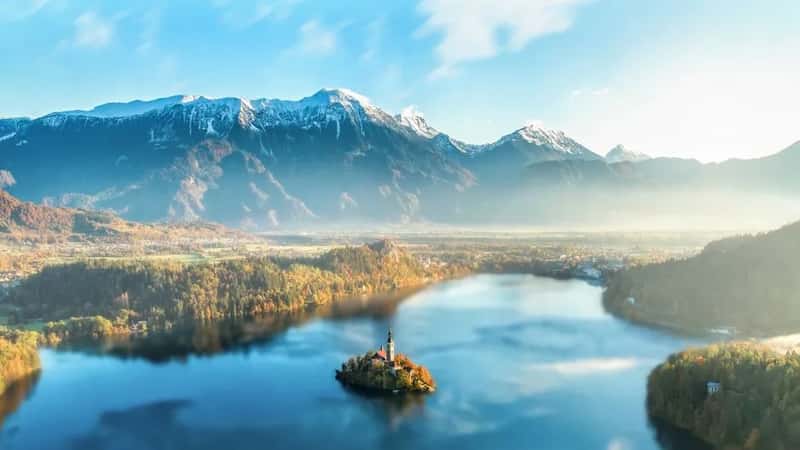
I picked Bohinj because it offered more space, easier access to alpine trails and fewer people. Bled offers more services and the famous island view, and it sits closer to Ljubljana.
If you go to Bohinj in 2026 or later, check the Vogel cable car status before you plan around it. Bring some cash for Savica, and set aside a morning for the 553 steps. Bled is only about half an hour away if you want to see it.